
GCC interior ministries have agreed in principle to recognise driving licences issued by one another, introduce dedicated lanes for Gulf citizens at land borders and strengthen the exchange of traffic and security information. The move could make cross-border road travel simpler for eligible motorists, but it is not yet a substitute for checking each country's current entry, insurance and vehicle-document rules before a trip.
The agreement is part of a wider effort to make movement between GCC states more efficient while maintaining border and road-safety controls. The GCC Secretariat General said the interior ministers approved measures covering licence recognition, dedicated border routes and electronic links between relevant systems.
What the new agreement covers
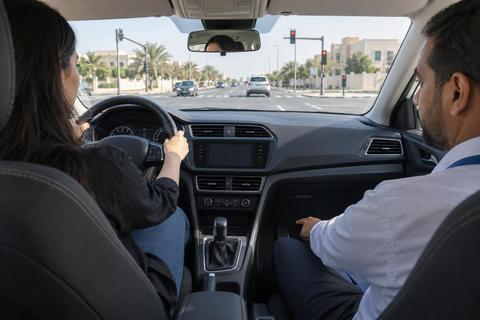
The main practical change is mutual recognition of driving licences among GCC countries. In simple terms, a valid licence issued by one GCC state should be more readily accepted when its holder drives in another member state.
Also read: Saudi Arabia Limits Foreign Drivers to One Year on International Licences
The agreement also includes operational measures designed to reduce delays and improve verification at land borders. These measures include:
- Recognition of GCC-issued driving licences.
- Dedicated border-crossing lanes for GCC citizens.
- Electronic links between security and traffic systems.
- Information sharing on traffic violations and other relevant records.
Reports by Khaleej Times indicate that the initiative is intended to support smoother travel for GCC citizens while allowing authorities to verify drivers and vehicles more efficiently.
Why mutual driving licence recognition matters for Gulf motorists
For GCC citizens who regularly drive between neighbouring countries, licence recognition can remove uncertainty about whether they need a local conversion, an additional permit or further validation for a short visit. It should be particularly useful for family visits, business travel and road trips across connected Gulf road networks.
It may also help drivers who live near land borders or travel frequently between the UAE, Saudi Arabia, Oman, Qatar, Kuwait and Bahrain. However, recognition of a licence does not automatically remove requirements relating to car ownership, insurance, customs declarations or visas.
Drivers moving to another country for work or long-term residence should not assume that this agreement ends local licensing requirements. A resident may still need to exchange a licence, open a local traffic file or meet a country's separate rules for permanent residents.
For UAE motorists who are still obtaining their first licence, the process remains governed by local requirements. Our guide to getting a UAE driving licence in 2026 explains the documents, training and tests involved.
Which GCC countries are part of the agreement?
The arrangement applies across the six member states of the Gulf Cooperation Council. These are:
- United Arab Emirates
- Saudi Arabia
- Oman
- Qatar
- Kuwait
- Bahrain
The initiative is aimed primarily at facilitating travel by GCC citizens. The treatment of expatriate residents holding a GCC-issued licence may depend on their nationality, residency status, the type of trip and the destination country's existing rules.
That distinction matters. A UAE resident with a UAE driving licence is not necessarily treated the same way as a UAE national at every border or licensing authority, even if both hold a licence issued in the UAE.
How dedicated lanes at land border crossings will work
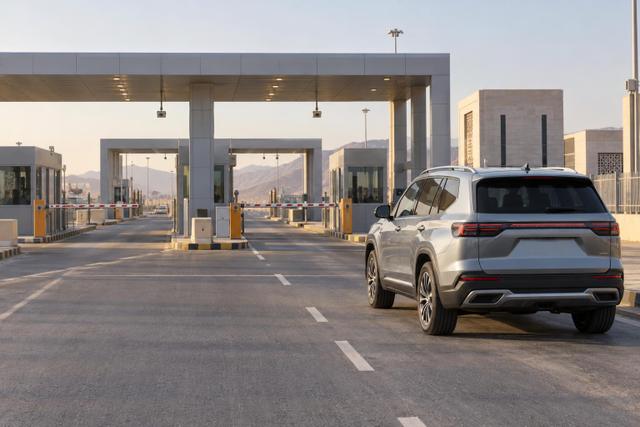
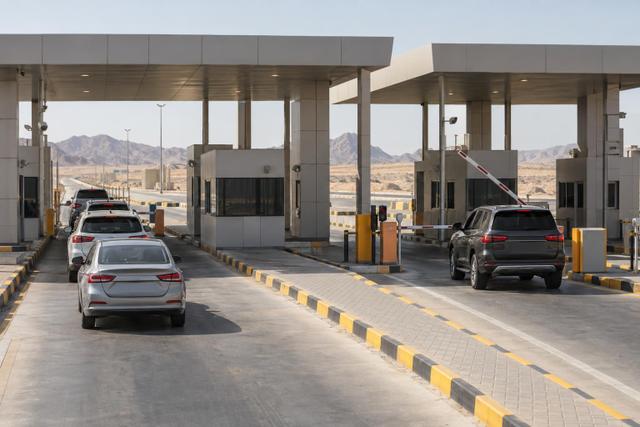
Dedicated lanes are intended to separate eligible GCC travellers from general traffic at land crossings. This can reduce queues when border staff can verify identity, licence and vehicle information through connected systems.
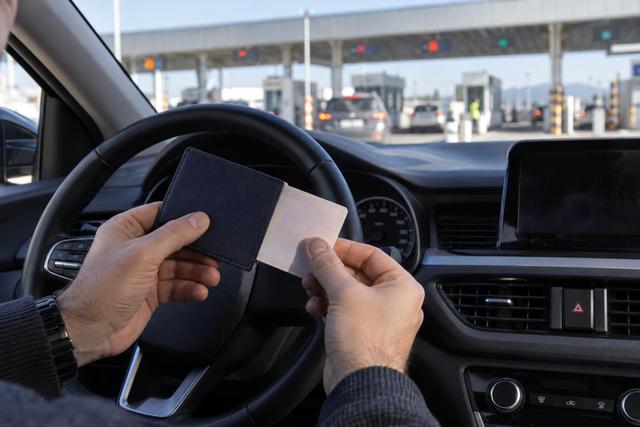
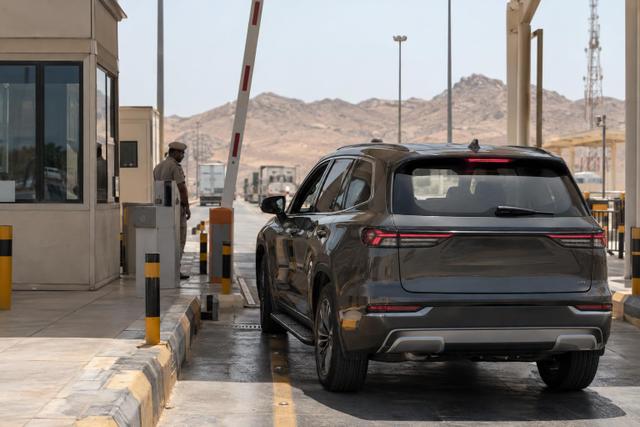
The lanes will not mean a complete absence of border checks. Officers may still inspect passports or national IDs, vehicle registration, insurance, customs declarations and any documents required for the specific journey.
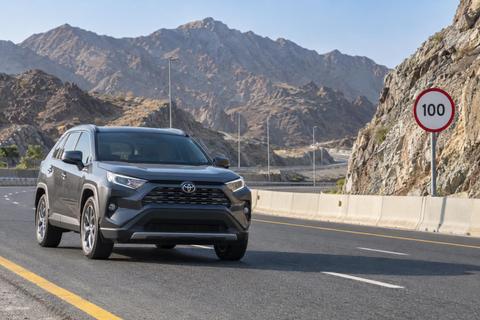
Motorists should expect procedures to vary by crossing, traffic volume and local implementation. A dedicated lane can speed up routine processing, but it cannot guarantee a fixed crossing time during holiday periods, weekends or heightened security checks.
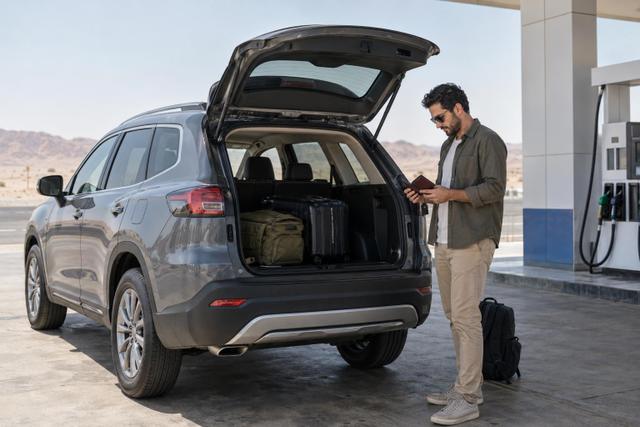
Before leaving, keep the following available in physical or accepted digital form:
- A valid passport or GCC national identity document, where accepted.
- Your original driving licence.
- Vehicle registration documents.
- Valid insurance with cross-border cover where required.
- Authorisation from the owner or finance company if the vehicle is not registered in your name.
Linking security systems and shared traffic violation databases
A key element of the agreement is closer electronic integration between GCC security and traffic systems. This should allow officials to verify a driver's status and relevant records without relying solely on paper documents.
Arabian Business reported that the proposed unified approach includes connecting traffic-violation systems. In practice, this could make it easier for authorities to identify unpaid fines, licence restrictions or serious traffic-related issues when a driver crosses a border.
The agreement does not mean that every minor penalty will automatically be handled identically in all six countries. Each state has its own traffic laws, fine schedules, black-point systems and enforcement processes.
The practical takeaway is straightforward: settle outstanding fines where possible and do not assume that a violation committed in one GCC country will remain invisible elsewhere. Drivers should also continue to follow local signs, speed limits and lane rules after crossing the border.
Also read: Abu Dhabi Launches Variable Speed Limit System on Sheikh Zayed bin Sultan Road
If you are unfamiliar with UAE road markings before returning from a trip, our overview of UAE traffic signs covers the regulatory, warning and guide signs commonly encountered on local roads.

How does this differ from Saudi Arabia's separate foreign licence and vehicle-stay rules?
The GCC agreement concerns recognition and cooperation between member states. Saudi Arabia's rules for foreign licences and temporarily imported vehicles are separate national rules, and they can apply differently depending on whether the driver is a GCC citizen, GCC resident, tourist or long-term resident.
For example, the validity of a foreign licence in Saudi Arabia may depend on the driver's legal status and the licence's validity. A vehicle entering Saudi Arabia can also be subject to customs, insurance and temporary-entry requirements that are unrelated to the driver's licence.
This is why licence recognition should not be confused with unrestricted vehicle access. A driver may be allowed to use a recognised licence but still be refused entry if the vehicle paperwork, insurance, ownership authorisation or customs status is incomplete.
GCC road-transport rules are also developing through other channels. Qatar has separately advanced plans for a unified GCC road transport system, which is broader than the current licence-recognition announcement.
What GCC motorists should know before crossing borders
Until the new procedures are fully implemented at every crossing, motorists should treat the agreement as a positive direction rather than a reason to travel without preparation. Check the latest requirements with the destination country's border, traffic, customs and insurance authorities before departure.
- Check your licence: It should be valid, legible and appropriate for the vehicle you will drive.
- Check vehicle ownership: Bring an authorisation letter if the car is financed, leased, company-owned or registered to someone else.
- Confirm insurance: Ensure your policy covers the destination country and obtain any required border insurance.
- Clear fines: Outstanding traffic penalties can cause delays or complications.
- Review local rules: Speed limits, mobile-phone rules, child-seat requirements and toll systems can differ.
- Allow extra time: Border traffic can be heavy during school holidays, Eid periods and weekends.
Tyres, lights, brakes and cooling systems also deserve attention before a long summer drive. For drivers travelling through Qatar, it is worth understanding the country's tyre sale and road-safety rules, especially when fitting replacement tyres before a cross-border trip.
When could the changes take effect?
The ministers' agreement sets the policy direction, but the changes still need practical implementation by the relevant authorities in each country. That can involve technical system integration, border-lane planning, staff procedures and clarification of who qualifies for each benefit.
Nukta noted that the measures are expected to make Gulf travel easier, but motorists should watch for formal announcements from their national traffic and border authorities before relying on new procedures.
There is no reason to delay normal travel plans if you already meet current requirements. The sensible approach is to prepare for the existing rules, then take advantage of any new licence-recognition or dedicated-lane process once it is officially active at your chosen crossing.
People Also Ask
Can I drive in another GCC country with my home country's GCC licence?
The new agreement is intended to make this easier for GCC citizens with a valid licence issued by a member state. Until local procedures are formally confirmed, check the destination country's current rules, especially if you are a resident rather than a citizen.
Does mutual licence recognition apply to expatriate residents?
Not necessarily in the same way. The agreement focuses on GCC citizens, while expatriate residents may remain subject to destination-country rules based on their nationality, residence status and length of stay.
Will the new agreement remove border checks for drivers?
No. Border authorities can still verify identity, vehicle registration, insurance, customs requirements and security records. Dedicated lanes are intended to streamline processing, not eliminate checks.
Can traffic fines be checked when I cross a GCC border?
The agreement includes closer links between security and traffic systems, which may make it easier for authorities to identify relevant traffic records. Drivers should clear outstanding fines and comply with local traffic laws in every country they visit.
Do I need special insurance to drive across GCC borders?
Possibly. Licence recognition does not automatically provide cross-border vehicle insurance, so motorists should confirm that their policy covers the destination country or arrange the required border cover before travelling.