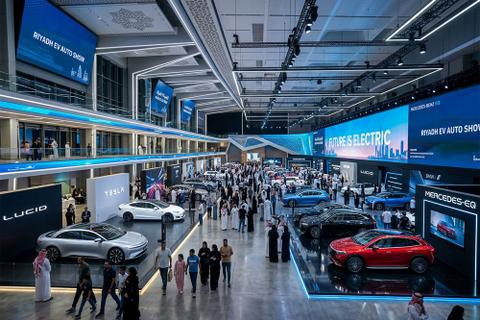

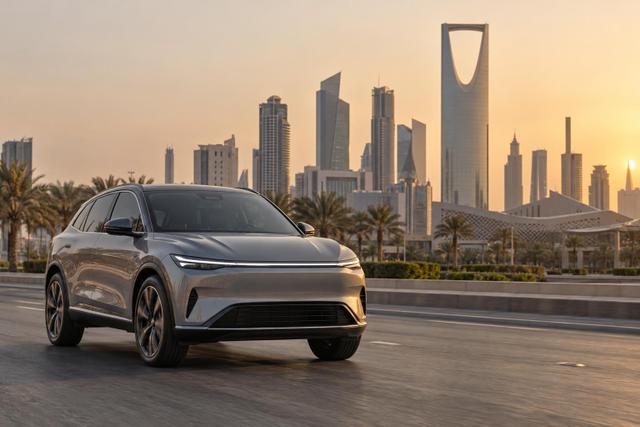
Saudi Arabia’s EV Auto Show is scheduled to return to Riyadh for its fourth edition in November 2026, bringing electric cars, charging technology, batteries and mobility services into one focused industry event. For buyers and businesses, it is a useful opportunity to see how quickly the Kingdom’s electric vehicle market is moving from long-term plans towards products and infrastructure that can be used locally.
The exhibition matters because an EV purchase depends on more than the vehicle itself. Visitors can compare cars, ask charging questions, follow infrastructure developments and better understand how manufacturers, fleet operators and policymakers are approaching electrification in Saudi Arabia.
What is the EV Auto Show and why does it matter?
The EV Auto Show is a Riyadh exhibition centred on electric mobility. It brings together vehicle manufacturers, charging and energy businesses, technology suppliers, fleet operators and public-sector stakeholders working in the EV sector.
Also read: MOVE Riyadh 2026 Is Set to Bring Automotive, Fleet and Mobility Leaders Together This November
Rather than being only a car display, the event is designed to cover the wider ownership ecosystem. That includes charging equipment, battery technology, workshop support, fleet management and the policies needed to expand electric transport.
- Battery-electric cars, SUVs and commercial vehicles
- Plug-in hybrid and hybrid mobility technologies
- Home, workplace and public charging solutions
- Battery, energy storage and power-management systems
- Fleet electrification and last-mile delivery applications
- Government initiatives, investment and mobility planning
The event’s official platform presents the show as a meeting point for the EV supply chain, making it relevant to consumers as well as professionals assessing the market. Its value for local buyers is practical: it can help separate confirmed Saudi-market products from concepts and overseas-only announcements.
Event details: dates and venue in Riyadh
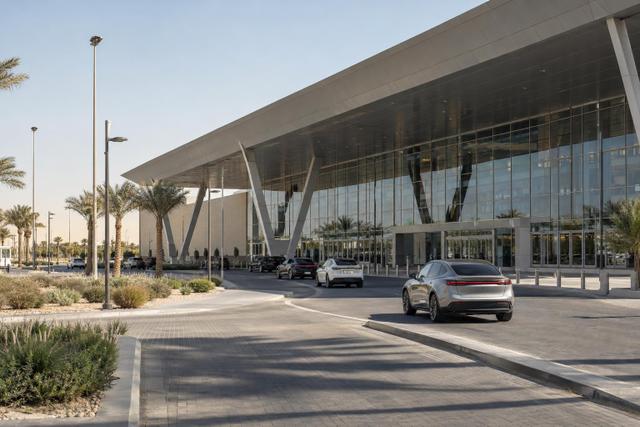
The fourth edition is set for 9 to 11 November 2026 at the Riyadh International Convention and Exhibition Centre. The venue is a major exhibition location in Riyadh, with access intended for trade visitors, industry representatives and members of the public attending the show.
Zigwheels KSA’s visitor guide lists the three-day Riyadh event, while the EV Auto Show’s official website provides the event’s main exhibitor and visitor information.
How the fourth edition builds on previous shows
A fourth edition signals that the exhibition is becoming a recurring part of the Kingdom’s automotive calendar. Earlier editions helped establish a platform for EV awareness, while the 2026 show arrives as more buyers, fleets and investors ask detailed questions about charging access, operating costs and suitable models.
The discussion is therefore likely to be more practical than it was in the earliest years of the event. Visitors increasingly want clarity on vehicle range in hot weather, after-sales support, charging speeds, home installation requirements and the availability of public chargers on intercity routes.
For a broader guide to the exhibition’s likely focus, including EVs, batteries and charging, see Khaleej Cars’ EV Auto Show Riyadh 2026 preview for GCC buyers and fleets.
Who is taking part in the EV Auto Show?
The exhibitor mix is expected to extend beyond car brands. An effective EV market needs companies that can sell vehicles, install and operate chargers, manage batteries, supply components and support private and commercial users after delivery.
Vehicle and fleet participants
Automotive manufacturers, importers and fleet suppliers are expected to use the event to present electric passenger cars, SUVs, vans and commercial transport solutions. Buyers should check whether a displayed vehicle is confirmed for Saudi sale, rather than assuming every exhibition vehicle will reach local showrooms.
Charging and energy companies
Charging-infrastructure firms are central to the show because their equipment determines where and how owners can recharge. Exhibits may include AC home and destination chargers, DC fast chargers, payment systems, network software and energy-management equipment.
Policymakers and industry specialists
Public-sector bodies, investors and mobility specialists are likely to discuss standards, deployment plans and the business case for electrification. These conversations can be especially relevant for corporate fleets, property developers and companies planning workplace charging.
How does the show connect with Vision 2030?
Electric mobility fits Saudi Arabia’s wider Vision 2030 direction towards economic diversification, advanced manufacturing, cleaner transport and technology-led infrastructure. The show provides a visible venue for those ambitions, but it also highlights the practical work required to make EV ownership straightforward.
That work includes expanding reliable public charging, establishing clear technical standards, training technicians, developing supply chains and ensuring that drivers can access suitable vehicles at realistic prices. The show is useful because it puts those connected issues in the same place.
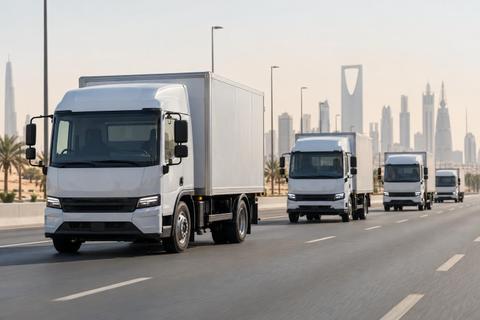
Saudi Arabia’s EV plans are not limited to private cars. The market also includes buses, delivery vehicles, corporate fleets and heavy-duty transport, where depot charging and planned routes can make electrification easier to manage than public charging alone.
One recent example is the planned deployment of electric trucks in Riyadh supported by depot charging, covered in Khaleej Cars’ report on DSV’s 10-truck electric fleet deal. Such projects show why commercial charging infrastructure will be as important as retail charging locations.
What can visitors expect to see and do?
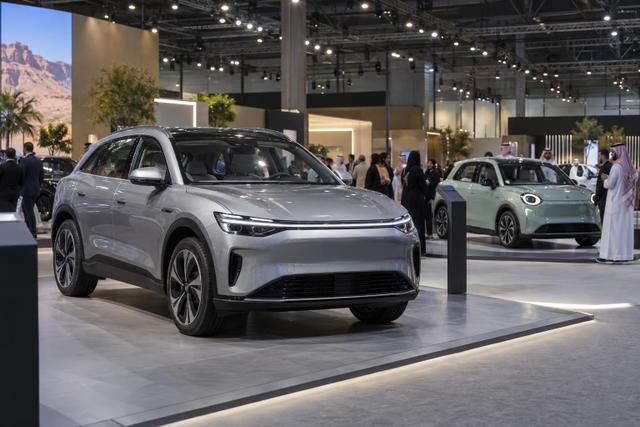
Visitors should expect vehicle displays, charging demonstrations, technical exhibitors and industry sessions. The exact brand line-up and programme can change before the event, so it is sensible to check the official exhibitor list and schedule closer to November.
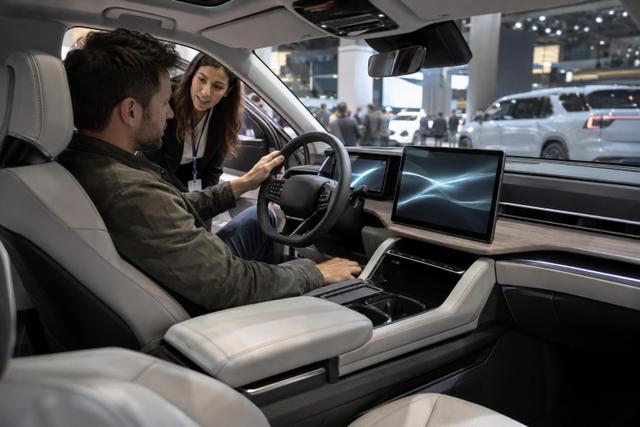
- Inspect EV interiors, luggage space and charging-port locations
- Compare stated range, battery capacity and charging claims
- Ask local distributors about warranty, servicing and parts availability
- Speak with charging providers about installation and network access
- Attend talks on fleets, batteries, energy and smart mobility
- Meet suppliers serving dealerships, workshops and commercial operators
Potential buyers should approach the show with a short list of practical questions. Ask where the model can be serviced, what its battery warranty covers, whether home charging installation is available, and how long fast charging takes under normal Saudi conditions.
For drivers interested in everyday vehicle technology alongside electrification, Saudi-market advances such as AI parking technology from OMODA and JAECOO show how new mobility features may increasingly appear alongside EV launches.
Also read: Jeddah International Motor Show Returns for Its 20th Edition This November
Why Saudi Arabia is investing in EV infrastructure
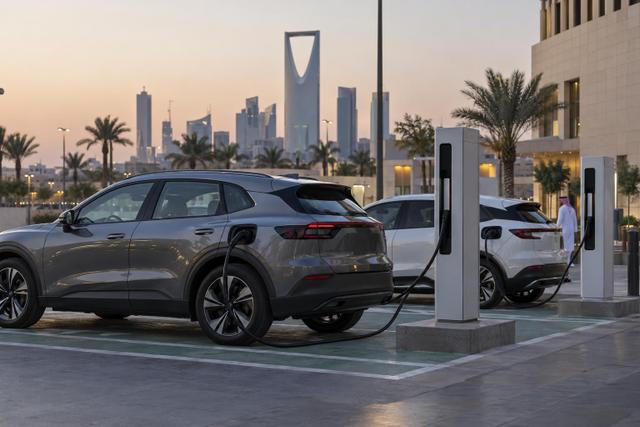
Charging infrastructure is the foundation of broader EV adoption. A buyer who can charge at home or work may find an electric vehicle easy to live with, while drivers without regular charging need dependable public networks in the places they spend time.
Investment is also important for fleets. Taxis, delivery vans, corporate vehicles and logistics operators need charging that matches their daily routes, dwell times and operating schedules.
Infrastructure development can support several objectives:
- Making EV ownership more practical for apartment residents and homeowners
- Supporting long-distance travel between major Saudi cities
- Reducing range anxiety for first-time EV buyers
- Helping fleet operators control energy use and downtime
- Creating opportunities in charging operation, maintenance and software
- Backing local manufacturing and technology investment
HGV Traders’ event listing identifies charging, batteries and electric mobility among the main areas of focus, underlining that the exhibition is about the supporting network as much as the cars themselves.
For buyers, the key point is that charging coverage should be assessed according to individual habits. A public fast charger near a shopping centre may be useful, but it does not replace convenient overnight charging for an owner who drives daily.

What should potential EV buyers look for at the exhibition?
Use the event to gather information, not simply to compare headline range figures. A vehicle that suits one driver may be unsuitable for another depending on parking arrangements, average daily mileage, family needs and travel between cities.
Questions worth asking a vehicle representative
- Is this exact model officially available in Saudi Arabia?
- What is the local price, including VAT and standard equipment?
- What battery and vehicle warranty applies in the Kingdom?
- Where are authorised servicing and repair facilities located?
- What charging connector does the vehicle use?
- What is the realistic charging time on AC and DC equipment?
- Is a home charger included, optional or supplied through a partner?
Buyers should also ask how the quoted driving range was measured. Official laboratory figures are useful for comparison, but actual range changes with speed, air-conditioning use, passenger load, tyres, driving style and outside temperature.
Those considering a purchase should not treat an exhibition announcement as a confirmed delivery commitment. Confirm local specifications, delivery timing, service arrangements and final pricing in writing with the authorised seller before placing an order.
Key takeaways for industry watchers and buyers
The November show will be a useful indicator of Saudi Arabia’s EV market maturity. A strong presence from vehicle distributors, charging operators and fleet specialists would show that the conversation is broadening from future ambitions to real customer and business needs.
- Dates: 9 to 11 November 2026
- Venue: Riyadh International Convention and Exhibition Centre
- Focus: EVs, charging, batteries, fleets and mobility technology
- Best use for buyers: compare locally supported models and charging options
- Best use for businesses: assess fleet, depot-charging and supplier opportunities
For industry watchers, the most important announcements may not be the most dramatic new-car launches. Confirmed charging deployments, fleet partnerships, local service support and realistic ownership plans are more likely to determine how fast EV adoption grows across Saudi Arabia.
People Also Ask
When is the EV Auto Show Riyadh 2026?
The event is scheduled to run from 9 to 11 November 2026. It is planned as a three-day exhibition focused on electric vehicles and supporting mobility technology.
Where will the EV Auto Show take place in Riyadh?
The show is scheduled for the Riyadh International Convention and Exhibition Centre. Visitors should check the organiser’s latest information before travelling, as entry arrangements and hall details may be updated.
Can the public attend the EV Auto Show?
The event is relevant to both industry visitors and prospective EV owners. Availability of public tickets, registration requirements and opening hours should be confirmed through the organiser before attending.
What types of vehicles will be shown at the exhibition?
Visitors can expect electric passenger vehicles, SUVs, commercial vehicles and fleet-oriented mobility solutions, alongside charging and battery technology. The final vehicle line-up depends on confirmed exhibitors.
Is the EV Auto Show useful if I am thinking of buying an electric car?
Yes. It can help buyers compare vehicles and speak directly with distributors and charging providers, but buyers should still verify local pricing, warranty terms, service support and delivery timing before committing to a purchase.