

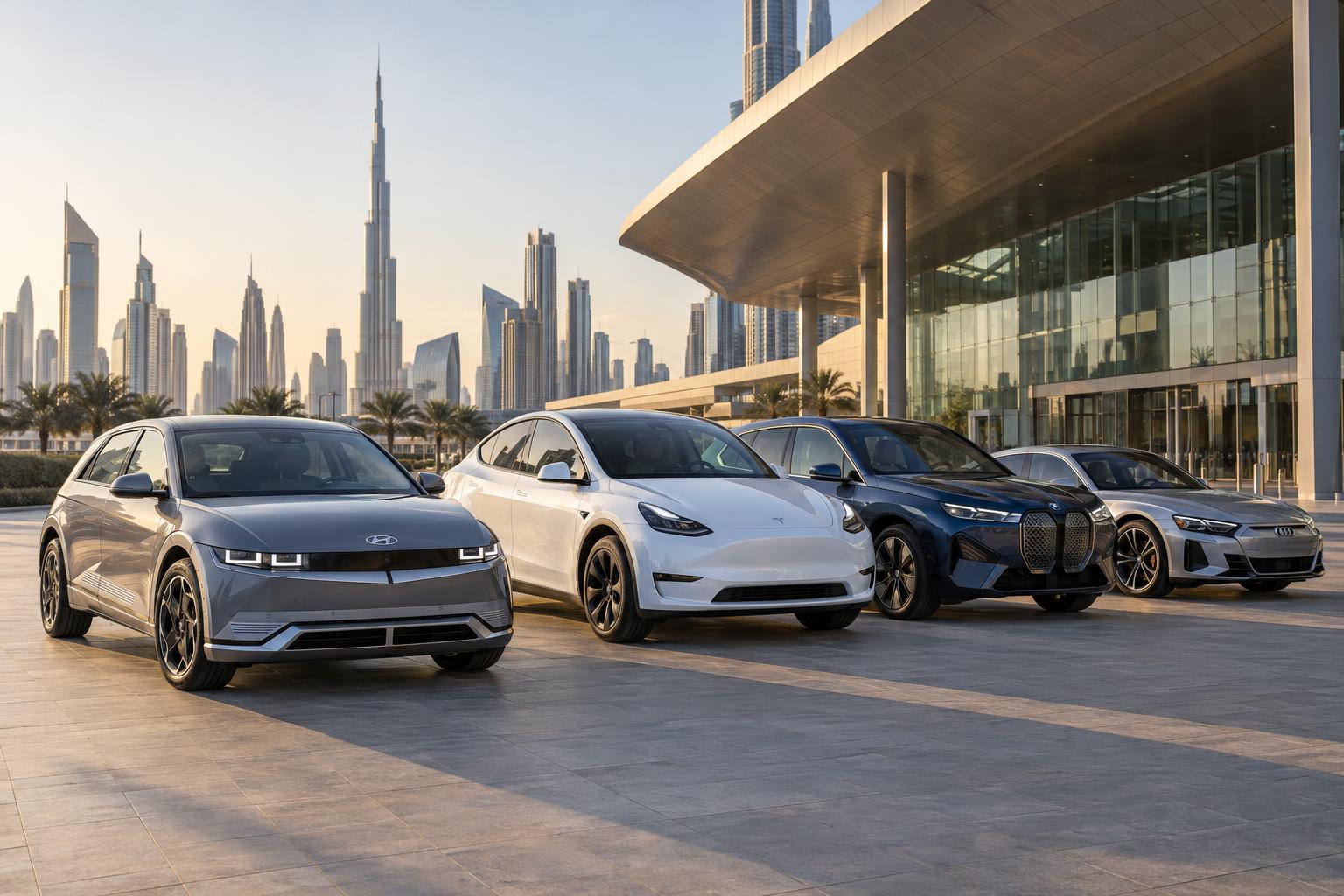
Dubai’s Roads and Transport Authority (RTA) plans to host EV World 2026 in November 2026, creating the city’s first dedicated exhibition and conference focused on electric mobility. The event is intended to bring together vehicle makers, charging providers, fleet operators, technology companies, policymakers and buyers at a time when electric vehicles are becoming a more visible part of transport in the UAE.
For residents and motorists, the exhibition matters because it should provide a clearer view of the cars, charging solutions and fleet technologies likely to shape the next phase of Dubai’s mobility market. It also underlines that electrification is no longer limited to private cars, with taxis, limousines, buses and commercial fleets forming an important part of the transition.
RTA announces EV World 2026, Dubai's first dedicated EV exhibition and conference
EV World 2026 is being positioned as a major regional platform for electric mobility. Rather than being a general motor show with a small EV area, its focus will be on the wider electric transport ecosystem, including vehicles, batteries, charging networks, fleet management, public transport and related infrastructure.
The RTA’s involvement gives the event particular relevance for Dubai. As the authority responsible for much of the emirate’s roads, taxis, public transport and mobility planning, it can connect industry discussions with real-world transport projects and regulatory priorities.
| Event detail | What is known |
|---|---|
| Event name | EV World 2026 |
| Host organisation | Dubai Roads and Transport Authority (RTA) |
| Timing | November 2026 |
| Location | Dubai |
| Format | Electric mobility exhibition and conference |
| Main focus | EVs, charging, batteries, fleets, public transport and mobility technology |
What is EV World 2026?
EV World 2026 is expected to combine a trade exhibition with conference sessions, product demonstrations and business meetings. The format should allow manufacturers and suppliers to present technology while giving governments, operators and investors a place to discuss how electric transport can be deployed at scale.
Visitors are likely to see more than passenger cars. Electric buses, delivery vehicles, charging hardware, battery systems, fleet software and energy-management tools are all central to the practical adoption of EVs in a city such as Dubai.
- Electric passenger cars, SUVs and light commercial vehicles
- Charging equipment for homes, workplaces, destinations and fleets
- Battery, powertrain and energy-storage technology
- Electric taxis, limousines, buses and last-mile mobility solutions
- Fleet telematics, route planning and charging-management software
- Policy, finance, insurance and after-sales discussions
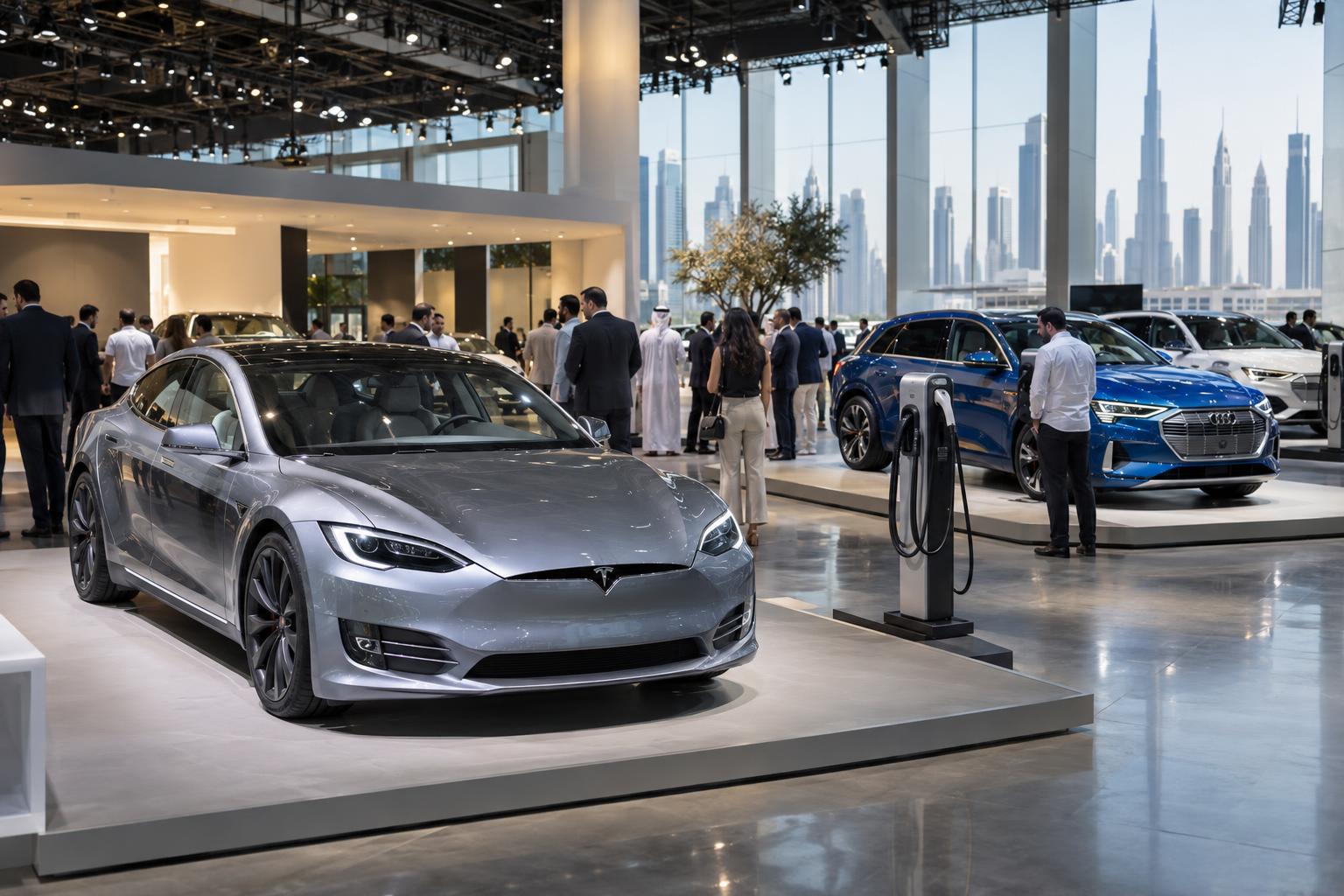
Event scale: expected visitors, exhibitors and speakers
The RTA has presented EV World 2026 as an international event rather than a small local showcase. Its planned audience includes industry professionals, government representatives, investors, fleet managers, researchers, media and members of the public who are considering an EV purchase.
Final attendance, exhibitor and speaker figures will depend on the programme and venue arrangements closer to the date. The important point is that the event is designed to attract participants from across the EV value chain, not only car brands selling vehicles in the UAE.
| Participant group | Likely role at the event |
|---|---|
| Vehicle manufacturers | Present EV models, platforms and future product plans |
| Charging and energy companies | Show chargers, network services, payment systems and energy solutions |
| Fleet and mobility operators | Share operating experience from taxis, delivery fleets and public transport |
| Government and regulators | Discuss infrastructure, standards, incentives and transport policy |
| Technology suppliers | Demonstrate batteries, software, telematics and connected-mobility tools |
| Consumers and buyers | Compare EV ownership options and ask practical questions |
Why is Dubai hosting an EV exhibition now?
Dubai’s EV market is expanding, but the change involves more than adding electric cars to dealer showrooms. Drivers need dependable charging access, fleet operators need predictable operating costs, and authorities need transport systems that can support increasing electricity demand without compromising reliability.
Hosting a dedicated event gives Dubai a way to bring these connected issues into one place. It also supports the UAE’s wider interest in clean energy, advanced manufacturing, smart cities and lower-emission transport.
The timing is notable because buyers now have more EV choices than they did only a few years ago. Chinese manufacturers have expanded rapidly in the GCC, while established Japanese, European, Korean and American brands are also increasing their electric and hybrid offerings.
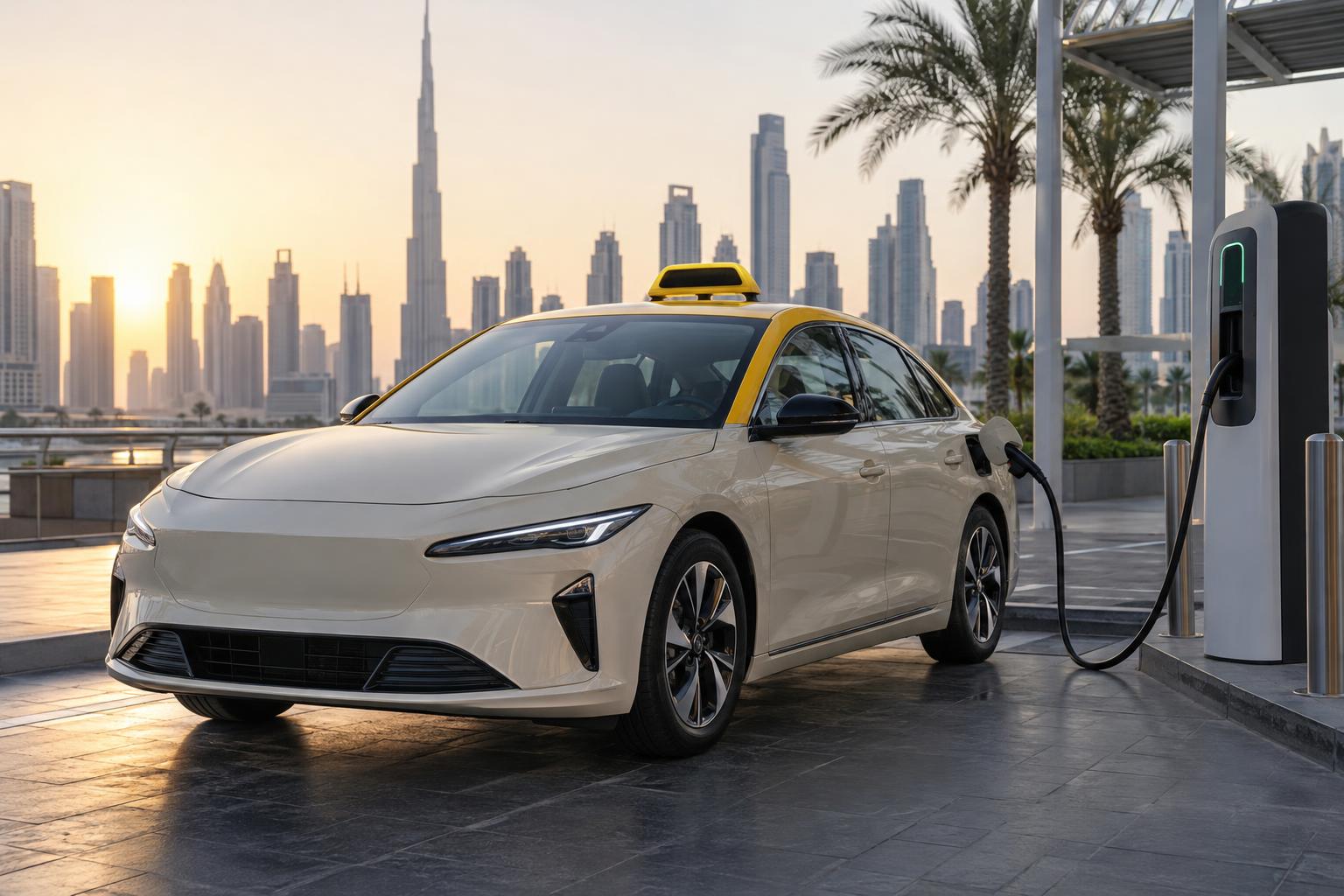
RTA's zero-emission public transport goal for 2050
One of the strongest reasons for an EV-focused event is the RTA’s long-term ambition for zero-emission public transport by 2050. This is a major undertaking because public transport covers several vehicle types with different operating patterns, including buses, taxis, marine transport and other mobility services.
Electric buses and taxis can reduce tailpipe emissions in busy urban areas, but they require careful planning. High daily mileage, heat, passenger loads, depot space and charging time all affect whether a vehicle can operate efficiently.
- Vehicle suitability: battery range and cooling systems must cope with GCC temperatures.
- Charging strategy: operators need chargers at depots, terminals or selected en-route locations.
- Grid coordination: large fleets can create substantial electricity demand when charging at the same time.
- Operational planning: routes, driver shifts and charging windows need to work together.
- Maintenance capability: technicians require training for high-voltage systems and battery diagnostics.
The 2050 target does not mean every conventional vehicle will disappear immediately. It provides a direction for phased fleet replacement, infrastructure investment and technology trials over several decades.
How many of Dubai's taxis are already electric?
Dubai already has electric taxis in operation, although fully electric vehicles still represent a smaller share of the overall taxi fleet than hybrids. The RTA and its franchise companies have used electric taxis as part of a gradual transition, alongside a much larger hybrid programme.
Exact fleet numbers can change as vehicles are added, retired or reassigned between operators. For that reason, readers should treat any single figure as a snapshot and look for the latest RTA or taxi-company announcement when comparing current fleet composition.
What is clear is that hybrid taxis have been the main bridge technology so far. They reduce fuel use and emissions without requiring every vehicle to rely on public charging, while fully electric taxis help operators gain experience with charging, range planning and battery performance in Dubai conditions.
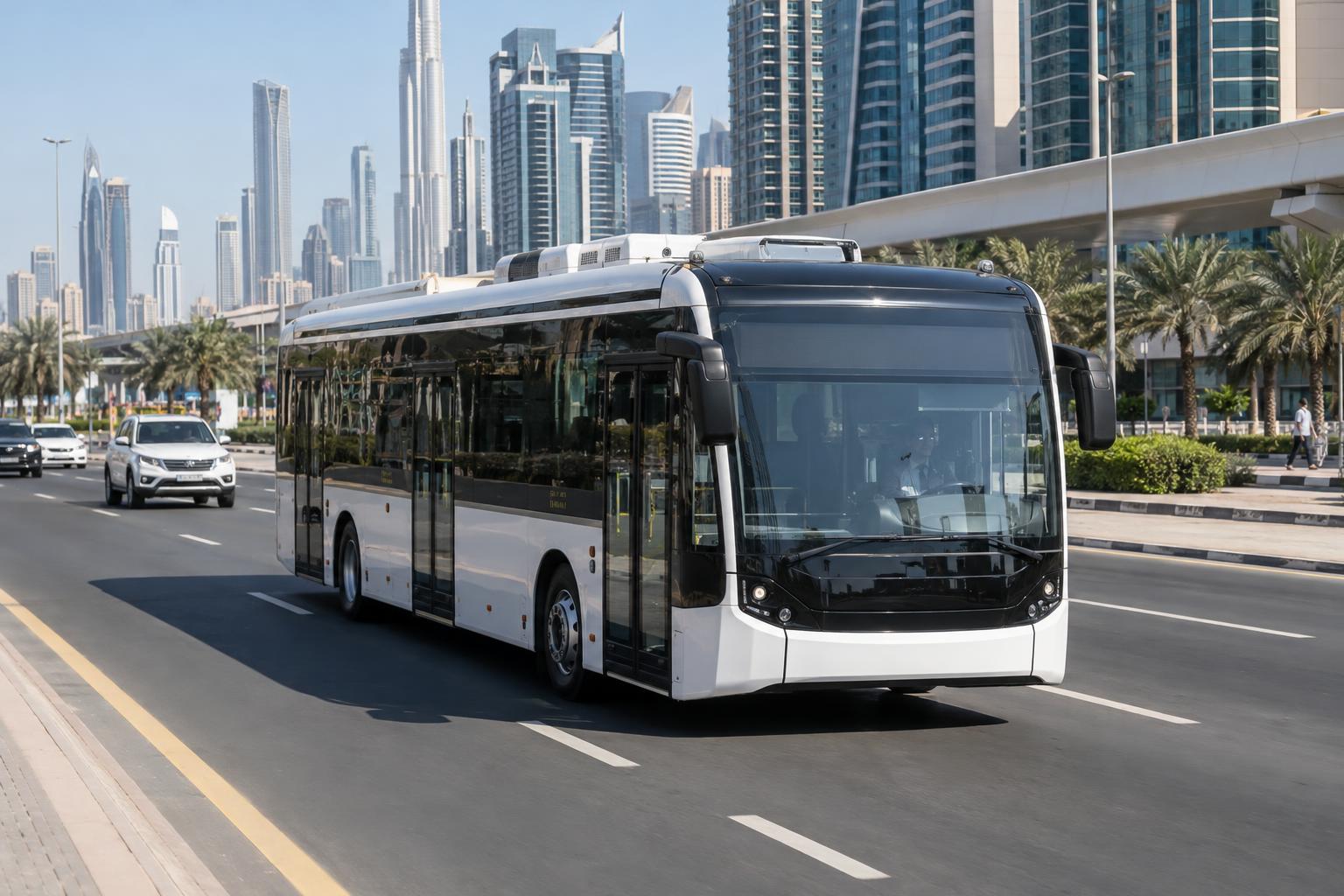
Dubai's taxi and limousine fleet: EV and hybrid share so far
Dubai’s taxi transition is best understood as a mix of conventional, hybrid and fully electric vehicles. Hybrid models have been widely adopted because taxis cover long distances and operate for extended shifts, while EV deployments are building the operational evidence needed for broader electrification.
| Vehicle type | Role in Dubai's taxi and limousine transition |
|---|---|
| Conventional petrol vehicles | Still form part of the fleet, particularly among older vehicles and services with specific operating requirements |
| Hybrid vehicles | Established as a significant lower-emission option for high-mileage taxi work |
| Battery-electric vehicles | Growing through targeted deployments and pilot-style fleet expansion |
| Electric limousines | Suitable for premium, hotel, airport and corporate transport where charging can be planned |
For passengers, the difference may be subtle. For operators, it is substantial: an electric taxi changes refuelling patterns, maintenance routines, fleet scheduling and depot requirements. EV World 2026 should offer a useful forum for discussing these practical issues rather than treating electrification as only a vehicle-purchase decision.
What to expect at EV World 2026
The event is likely to be most useful when it connects new technology with everyday ownership and operating questions. A new EV model may attract attention, but charging reliability, parts availability, resale value, warranty support and local service expertise are equally important for GCC buyers.
Conference sessions could cover topics such as battery safety, charging standards, fleet electrification, government policy, sustainable logistics and the integration of EV charging with renewable energy. For businesses, there should also be opportunities to compare the total cost of ownership of electric and conventional vehicles.
- EV launches and regional model displays
- Charging demonstrations and infrastructure discussions
- Battery-health, safety and recycling topics
- Public transport and electric fleet case studies
- Business-to-business meetings for suppliers and operators
- Consumer information on ownership, servicing and charging
How this event fits into Dubai's broader EV and sustainability strategy
EV World 2026 fits into a wider approach that includes clean-energy investment, smart infrastructure, public-transport development and efforts to reduce emissions from road transport. Dubai’s strategy is not based on one event or one vehicle technology, but on building an ecosystem where lower-emission transport can become practical at scale.
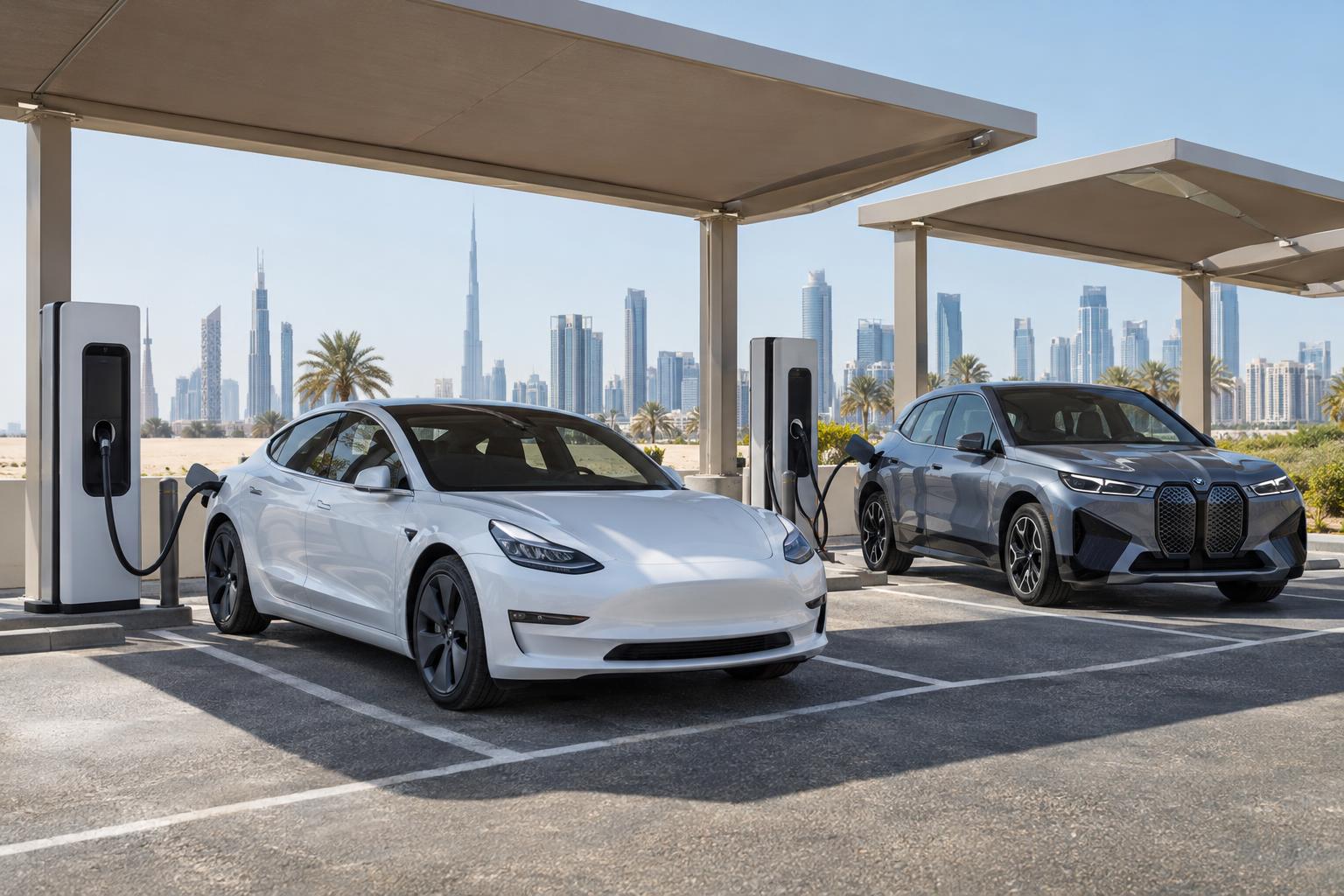
Charging access remains one of the key pieces. Home charging is convenient for villa owners and some apartment residents, but many drivers will depend on workplace, destination or public chargers. That makes reliable network expansion and clear access rules important for wider EV adoption.
The event may also help the market move beyond headline range claims. In the GCC, buyers need information about air-conditioning use, motorway driving, summer temperatures, charging speed and long-term battery support. These details are often more useful than brochure figures alone.
What this means for Dubai residents and EV buyers
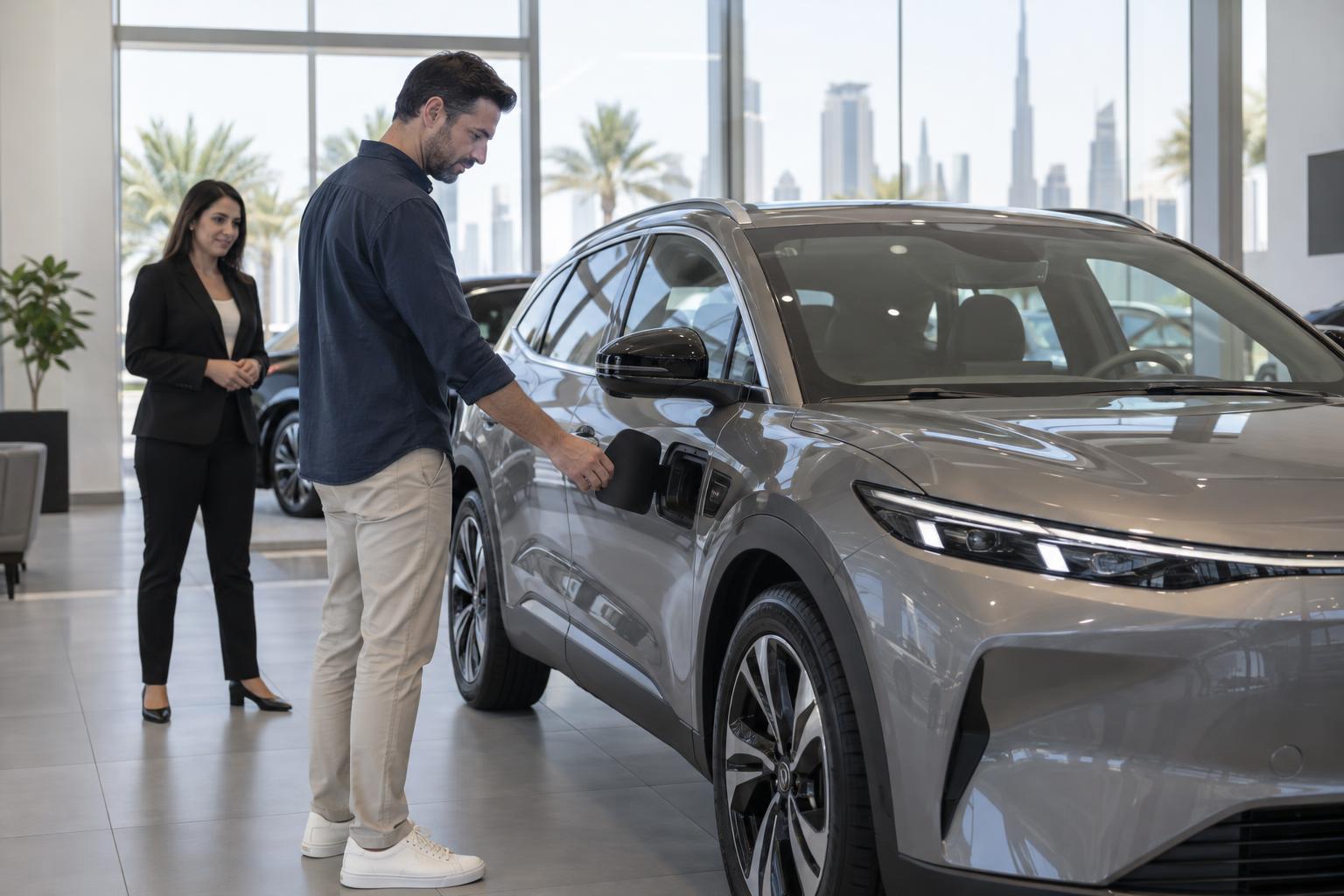
For someone considering an EV in Dubai, the exhibition could be a practical opportunity to compare brands and ask direct questions about local ownership. Buyers should focus on how a vehicle fits their own routine, especially where it will be charged, how far it travels each day and whether service support is convenient.
An EV can make strong sense for drivers with dependable overnight charging and predictable daily mileage. It may be less straightforward for residents without access to home or workplace charging, or for people who regularly make long inter-emirate trips without time for charging stops.
- Check whether you can charge at home, work or near your regular destinations.
- Ask about the battery warranty, including duration and kilometre limit.
- Compare real charging times, not only the fastest quoted DC charging figure.
- Confirm local workshop coverage, parts availability and roadside assistance.
- Consider resale value and the availability of the same charging connector across the UAE.
- For a used EV, request a battery-health report and inspect its charging history where possible.
Dubai’s move to host EV World 2026 is therefore relevant beyond the exhibition halls. It signals continued investment in electric mobility, while giving buyers and businesses a clearer chance to understand what an EV future will actually require.
People Also Ask
When will EV World 2026 take place in Dubai?
EV World 2026 is planned for November 2026. The RTA is hosting the event in Dubai, with further programme and venue details expected closer to the exhibition.
Who is organising EV World 2026?
Dubai’s Roads and Transport Authority, commonly known as the RTA, is hosting EV World 2026. The authority oversees key parts of Dubai’s transport system, including roads, public transport and taxi services.
Will EV World 2026 be only about electric cars?
No. The event is expected to cover the broader electric-mobility sector, including charging infrastructure, batteries, electric buses, taxis, commercial fleets, software and energy systems.
Are there electric taxis in Dubai?
Yes, electric taxis are already operating in Dubai, alongside a larger number of hybrid taxis. Their use helps operators assess charging, range and maintenance requirements before wider fleet electrification.
Is an electric car practical for Dubai drivers?
An EV can be practical in Dubai when a driver has convenient charging at home, work or regular destinations. Buyers should consider their daily distance, summer driving conditions, charging access and local service support before choosing one.


