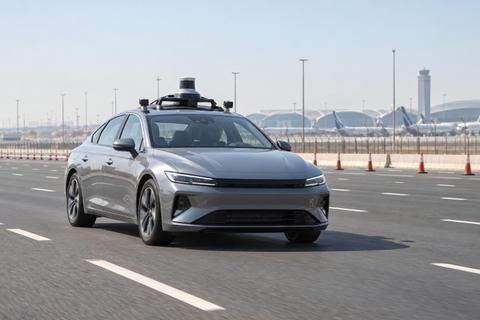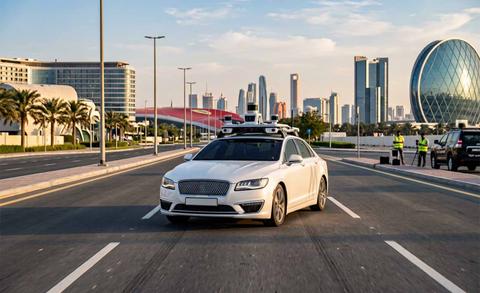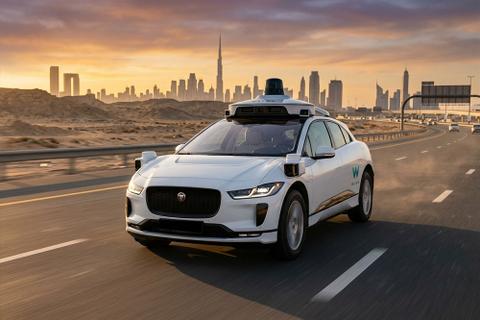

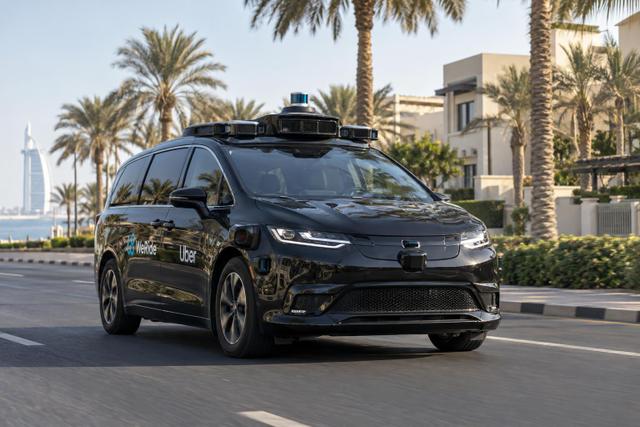
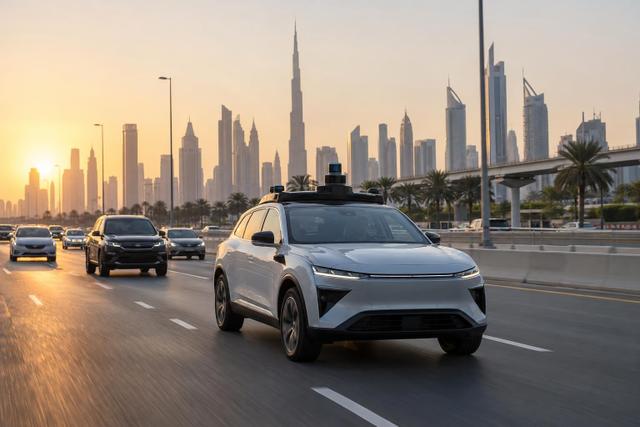
Dubai passengers can now request a WeRide robotaxi through the Uber app on selected routes in Umm Suqeim and Jumeirah. The service is a supervised pilot approved by the Roads and Transport Authority (RTA), so riders should expect an autonomous vehicle with a safety operator on board rather than an empty driver’s seat.
The launch gives residents and visitors an early look at how app-based autonomous transport may work in Dubai. Fully driverless passenger rides are planned for a later stage, with the partners targeting early 2026.
WeRide and Uber begin robotaxi pilot in Dubai
Uber has added WeRide robotaxis to its Dubai platform as part of a pilot supported by the RTA. According to Uber, eligible riders can request an autonomous ride through the normal Uber booking process in the pilot area.
Also read: Dubai Opens a New Testing Ground for Self-Driving Cars at Silicon Oasis
WeRide supplies the autonomous driving technology and vehicles, while Uber provides the passenger-facing booking platform. The arrangement follows their existing autonomous mobility work in the UAE and makes Dubai another important testing ground for robotaxi operations.
How the Autonomous option works in the Uber app
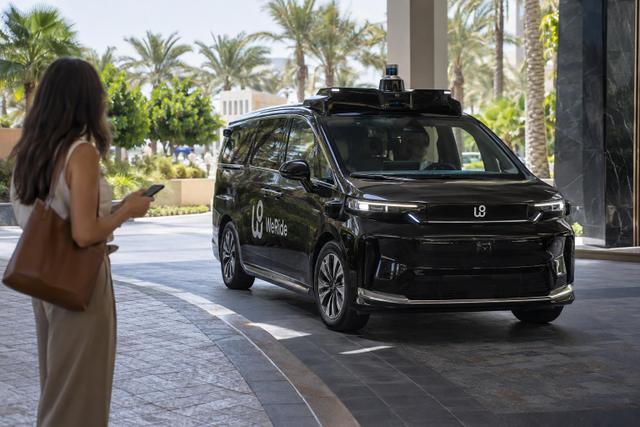
Passengers in the supported area may see an Autonomous ride option in the Uber app. Availability can depend on the route, vehicle supply, operating conditions and the stage of the pilot.
- Enter a pickup point and destination in the Uber app as usual.
- Select the Autonomous option when it is displayed.
- Check the estimated fare, pickup point and vehicle details before confirming.
- Follow any in-app instructions for locating and entering the robotaxi.
The experience is designed to resemble a conventional Uber trip, but riders should allow for pilot-service limitations. A requested autonomous trip may not always be offered, and the app can instead show standard ride options.
Which areas are covered?
The initial operating area covers routes in Umm Suqeim and Jumeirah. These neighbourhoods give the operators a defined part of Dubai in which to collect real-world data and build operational experience before considering wider coverage.
The RTA has described the service as a pilot operating on specified roads in these areas. Riders should not assume that every journey beginning or ending in Jumeirah will qualify, because the permitted route and pickup locations may be narrower than the wider district boundaries.
RTA approval and oversight
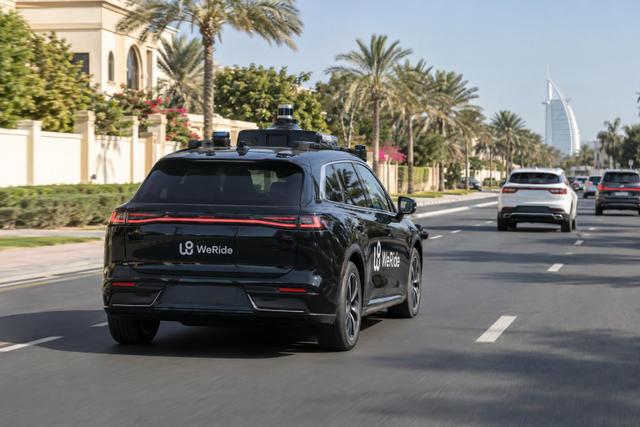
The RTA is responsible for authorising and supervising the pilot rather than simply allowing a private app service to operate independently. Its announcement on the RTA website confirms that the trial is being launched in Umm Suqeim and Jumeirah under Dubai’s autonomous transport programme.
Oversight matters because robotaxis must work safely alongside private cars, taxis, pedestrians, cyclists and delivery riders. The pilot lets the authority assess vehicle behaviour, passenger experience, operational procedures and how the service performs in local traffic conditions.
- Vehicles operate only within approved areas and conditions.
- Operators must follow RTA requirements for safety and service delivery.
- Performance data can inform decisions on expansion and fully driverless operation.
- Any wider rollout remains subject to regulatory approval.
Is the Dubai service fully driverless yet?
No. The Dubai launch is autonomous, but it is not initially a fully driverless public service. A trained safety operator remains in the vehicle during the pilot and can intervene if necessary.
This distinction is important. An autonomous vehicle uses sensors, mapping and software to perform the driving task, while a fully driverless service operates without a human safety driver in the front seat.

How does this differ from Abu Dhabi’s driverless robotaxi launch?
Dubai is beginning with supervised autonomous rides, whereas WeRide and Uber have already progressed to fully driverless robotaxi operations in parts of Abu Dhabi. Uber’s investor announcement described the Dubai service as an expansion of its UAE autonomous vehicle footprint following the Abu Dhabi rollout.
The different approach reflects how autonomous services are introduced city by city. A company can build on lessons from another emirate, but local road layouts, permitted zones, regulator requirements and operating conditions still need to be validated in Dubai.
For a broader view of how these services may develop, see Khaleej Cars’ guide to whether driverless taxis are about to change everyday driving in the UAE.
What happens next: fully driverless rides in early 2026
The next intended milestone is the move from safety-supervised trips to fully driverless robotaxi rides in early 2026. That step will depend on the pilot meeting operational and regulatory requirements, so it should be treated as a target rather than a guarantee for every part of Dubai.
Also read: Tesla Cybercab Nears Austin Launch: What We Know So Far
Before a larger deployment, the partners will need to demonstrate consistent performance across typical urban situations. These include busy pickups, changing lane markings, roadworks, pedestrian crossings, roundabouts and Dubai’s high-volume traffic periods.
Other robotaxi plans in Dubai, including Momenta
WeRide is not the only company looking at Dubai’s robotaxi opportunity. Chinese autonomous driving company Momenta has outlined plans for a Dubai robotaxi service by 2027, adding another potential operator to the city’s developing autonomous mobility market.
Its timeline and partners differ from the Uber and WeRide pilot, but the direction is similar: start with controlled deployments, expand the operating domain and move towards rides without an onboard safety driver. Khaleej Cars has covered Momenta’s plans to bring robotaxis to Dubai by 2027.
Dubai is also testing autonomous technology beyond passenger trips. Road users may occasionally encounter trials on public roads, including the Emirates Road lane closures for self-driving taxi trials, which show that testing can require carefully managed road access.
What this means for residents and visitors
For passengers, the immediate benefit is another transport option on selected Jumeirah and Umm Suqeim routes. It will not replace regular taxis or ride-hailing cars overnight, but it gives willing riders a practical way to experience supervised autonomous travel.
For Dubai, the pilot is a measured step towards wider autonomous transport rather than a sudden citywide change. The RTA said through the Dubai Media Office that the project supports the emirate’s wider smart mobility ambitions.
Drivers should continue to treat robotaxis like any other road vehicle: give them space, obey traffic rules and avoid making assumptions about how they will react. The legal responsibility for driving safely remains with every road user around them.
People Also Ask
Can I book a WeRide robotaxi in Dubai through Uber?
Eligible passengers in the supported Umm Suqeim and Jumeirah pilot area may see an Autonomous option in the Uber app. Availability is limited by the service area, operating conditions and vehicle availability.
Are Dubai robotaxis driverless?
Not at the initial pilot stage. The WeRide and Uber service in Dubai operates with a trained safety operator in the vehicle, while fully driverless rides are planned for a later phase.
Where can Uber robotaxis operate in Dubai?
The pilot is operating on approved routes in Umm Suqeim and Jumeirah. The exact pickup and destination availability is shown in the Uber app when a rider requests a trip.
When will fully driverless robotaxis start in Dubai?
WeRide and Uber are targeting early 2026 for fully driverless rides. The timing depends on the supervised pilot, safety performance and approvals from Dubai’s transport regulator.
Is the autonomous Uber ride more expensive than a normal Uber trip?
Passengers should check the fare estimate in the Uber app before confirming a booking. Pricing and availability can change during a pilot, so there may not be a fixed comparison with a standard Uber ride for every journey.