Qatar’s Cabinet has approved a draft law intended to support a unified road transport system across the Gulf Cooperation Council. The move is an early legislative step, not an immediate change to border procedures, driving rules or commercial permits for motorists and operators.
The draft was prepared by the Ministry of Transport and will now be referred to the Shura Council for review. Its wider purpose is to align road transport rules among GCC states, making cross-border passenger and freight movement more consistent over time.
What does the draft law aim to achieve?
The proposed law is designed to create a common legal framework for road transport between GCC countries. That can include the principles governing passenger transport, freight movement, operator licensing, vehicle documentation and regulatory coordination.
Also read: Fujairah Police Lowers the Khorfakkan Road Speed Limit to 100km/h
According to Qatar News Agency, the Cabinet approved the draft law on the unified GCC road transport system after it was prepared by the Ministry of Transport.
In practical terms, a unified framework could help reduce differences between national procedures where GCC countries agree to implement shared standards. It does not mean every transport rule will become identical overnight.
- More coordinated rules for cross-border road transport.
- Clearer requirements for passenger and freight operators.
- Better regulatory cooperation between GCC transport authorities.
- A legal basis for future shared procedures and technical standards.

Why did Qatar's Ministry of Transport prepare this legislation?
Road transport remains essential to trade, tourism and day-to-day travel across the GCC. Trucks carry goods between ports, warehouses and markets, while buses, coaches and private cars support movement between neighbouring states.
Different national rules can add time and cost for operators, particularly when a journey involves several borders. A regional framework can make it easier for governments to identify where requirements should be aligned without removing each country’s authority over enforcement and local road safety.
The proposal also fits Qatar’s broader focus on transport infrastructure and mobility. For drivers, roadworthiness remains a separate national responsibility, including rules such as the Qatar tyre sale requirements that put safety back in focus.
What happens next: the Shura Council's review process
Cabinet approval does not make the draft law enforceable. The next formal stage is referral to Qatar’s Shura Council, which reviews draft legislation before the constitutional process is completed.
The Council may examine the wording, legal effect and compatibility with Qatar’s existing transport laws. It can also consider how a GCC-wide framework should interact with domestic licensing, insurance, safety and enforcement systems.
Only after the required legislative steps are completed and the law is issued would implementation details become clearer. Those details may include effective dates, affected transport categories and any future executive regulations.
For now, motorists and businesses should not assume that border documents, driving licences, vehicle registration rules or freight permits have changed.
How does this fit into wider GCC regional integration efforts?
GCC countries have long worked towards closer economic and logistical integration. Road transport is a practical part of that effort because regional supply chains depend on predictable routes, efficient border processes and compatible operator rules.
A common road transport framework could complement wider initiatives involving customs cooperation, rail development, ports and digital trade systems. Its value will depend on the final legal text and how consistently participating states put it into practice.
The Cabinet’s decision was reported in the official Qatar Council of Ministers announcement, which confirmed that the draft law had been approved for referral through the legislative process.
For car buyers, regional integration does not automatically change vehicle specifications or after-sales support. However, growing cross-border travel can make it more useful to consider warranty coverage, roadside support and availability of parts when choosing a vehicle.
What could this mean for passenger travel and freight operators across the GCC?
The most immediate impact is likely to be administrative rather than visible on the road. Commercial operators could eventually benefit from more consistent rules, but only once the final law and related regulations spell out what is required.
Potential implications for passenger transport
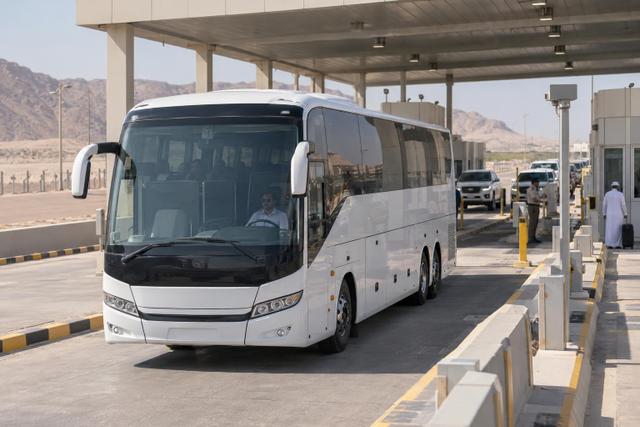
Coach, bus and shuttle operators may eventually see clearer regional standards for permits, routes or operating conditions. A common framework could also help authorities coordinate safety oversight for services that cross national borders.
Also read: Oman's Royal Oman Police Forms a Committee to Review Heavy Vehicle Safety and Driving Licence Rules
Private motorists should not expect a new universal GCC driving licence or automatic changes to insurance conditions from this draft alone. Drivers must continue to follow the entry, insurance, registration and traffic rules of every country they enter.
Potential implications for freight and logistics
Freight companies could benefit if the framework reduces duplicated paperwork or clarifies common technical requirements. That could matter for fleets moving consumer goods, construction materials, food and industrial supplies between GCC markets.
- More predictable requirements for regional transport operators.
- Potentially smoother coordination between transport regulators.
- Scope for future common standards on documentation and operations.
- Continued need to comply with national customs, border and safety rules.
Implementation will be the key issue for logistics businesses. Companies should wait for official regulations before changing compliance procedures, fleet documentation or route planning.

What drivers and car owners should watch for
Owners who regularly drive between GCC countries should continue preparing for trips as they do now. That means checking passport and visa requirements, vehicle ownership documents, insurance validity, roadworthiness and any country-specific entry conditions.
It is also sensible to keep up with official announcements rather than relying on social media summaries. Any real change to personal travel rules should be communicated by the relevant national authorities before it takes effect.
Qatar’s transport development also extends beyond cross-border rules. The country is expanding its charging network through plans for 37 ultra-fast EV chargers at Qatar fuel stations, a separate initiative that may be relevant to electric-car owners planning longer journeys.
Key takeaways
- Qatar’s Cabinet has approved a draft law for a unified GCC road transport system.
- The proposal is intended to support regional coordination for passenger and freight transport.
- The draft will go to the Shura Council as part of Qatar’s legislative process.
- It does not yet create immediate changes to border crossings, personal driving rules or commercial permits.
- Final obligations will depend on the issued law, implementing regulations and coordination among GCC states.

People Also Ask
Has Qatar introduced new GCC road travel rules?
Not yet. Qatar’s Cabinet has approved a draft law, but the proposal must complete further legislative steps before any enforceable changes can be announced.
Will the unified GCC road transport law affect private car owners?
It may eventually support smoother regional travel procedures, but no specific changes for private car owners have been confirmed. Drivers should continue following the current rules of each GCC country they visit.
Will GCC freight companies need new permits?
There is no confirmed new permit requirement at this stage. Future regulations may set out common procedures or standards, but operators should wait for official guidance before altering their compliance arrangements.
What is the role of Qatar's Shura Council in this process?
The Shura Council reviews draft legislation referred by the Cabinet. Its review is part of the process required before a draft law can be issued and implemented.
Does this mean GCC border crossings will become faster?
The draft law could support more coordinated road transport processes in the future, but it does not itself guarantee faster border crossings. Customs, immigration and national enforcement procedures remain important factors.