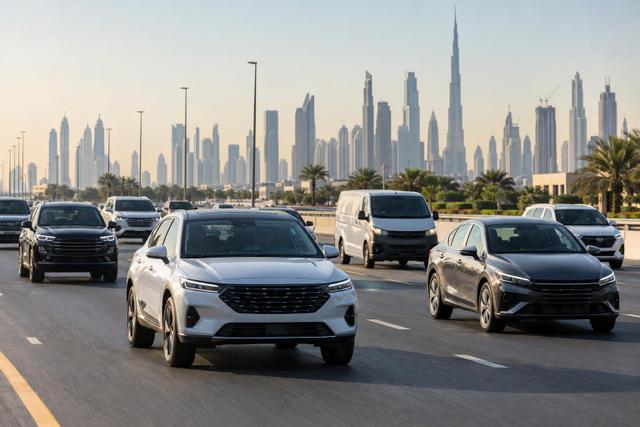
Dubai registered more than 196,000 new vehicles in the first half of 2026, according to figures reported from the Roads and Transport Authority (RTA). That works out at more than 1,000 new registrations each day, underlining how quickly the emirate’s population, business activity and vehicle market are expanding.
The figure covers newly registered vehicles rather than routine renewals, so it offers a useful measure of fresh demand from private buyers, companies, rental fleets and commercial operators. It also puts added pressure on registration, testing and road infrastructure as Dubai continues to grow.
RTA data reveals over 196,000 new vehicle registrations in H1 2026
Dubai’s new-vehicle registration total exceeded 196,000 between January and June 2026. Gulf News reported that the daily average was above 1,000 vehicles during the six-month period.
Also read: DP World and Japan's MOL Sign Term Sheet for New Automotive Logistics Facility at Jebel Ali Port
The number includes a broad mix of vehicle types. Passenger cars make up a major part of the total, but registrations also reflect demand for SUVs, motorcycles, delivery vehicles, taxis, buses and company fleets.
- More than 196,000 newly registered vehicles in six months.
- An average of roughly 1,080 new vehicles per day across the period.
- Demand is being supported by residents, businesses, tourism-related operators and logistics fleets.
- Every new vehicle must enter Dubai’s registration system before it can legally use public roads.
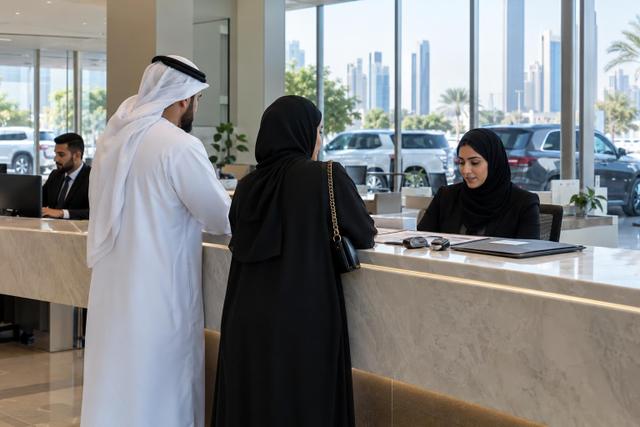
How the daily registration rate breaks down across six months
A six-month period contains approximately 181 days from January through June. Dividing 196,000 registrations by that period gives an average of around 1,083 vehicles per day.
Daily figures will naturally vary. Registration activity can rise around dealer promotions, fleet delivery cycles, new-model launches and periods when businesses add vehicles ahead of peak operating seasons.
What does more than 1,000 registrations a day mean in practical terms?
It means thousands of motorists, dealers and fleet managers are completing registration-related transactions every week. This includes new vehicles leaving showrooms, imported vehicles entering the local market and company vehicles being added to fleets.
The total should not be read as 1,000 extra private cars appearing on the road every day. Some registrations relate to replacement vehicles, business fleets, commercial transport and vehicles that may operate across the UAE.
Why is Dubai seeing more than 1,000 new car registrations a day?
Dubai remains a major destination for new residents, investors, tourists and international businesses. As households and employers grow, the need for personal mobility, staff transport, deliveries and corporate fleets grows with them.
The new-car market also gives buyers a wide range of choices, from affordable compact models to premium SUVs, hybrids and EVs. Buyers comparing budgets can start with this guide to the cheapest new cars in the UAE under AED 55,000.
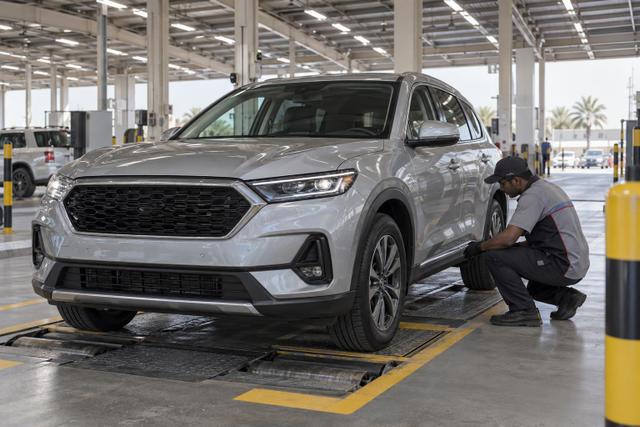
Population growth and economic expansion are driving demand
Population growth is one of the clearest reasons for higher vehicle registrations. New residents often need a vehicle for commuting, family travel or work, particularly where public transport does not cover every daily journey.
Economic activity has an equally important effect. Construction, retail, hospitality, delivery services, ride-hailing and logistics businesses all rely on vehicles, and fleet replacement cycles can create substantial registration volumes.
Dubai’s role as a regional trading hub also supports demand for commercial vehicles. A growing number of operators need vans, pickups, trucks and specialist vehicles to move goods and support on-site work.
Changing buyer preferences are also shaping the market
New brands and more competitive pricing have widened the range of vehicles available to UAE buyers. Chinese manufacturers in particular have increased their presence with feature-rich SUVs, sedans and electrified models, as explored in this look at whether Chinese car brands are taking over the UAE new-car market.
For many buyers, ownership costs matter as much as the purchase price. Fuel use, insurance, servicing, spare-parts availability and warranty terms can significantly affect the long-term cost of a new vehicle.
RTA plans to expand vehicle testing centres from 30 to 35 by 2030
The growing number of vehicles has implications beyond first-time registration. Vehicles eventually require periodic inspection, and Dubai is planning to increase the number of testing centres from 30 to 35 by 2030, according to reports by Al Bayan.
More testing capacity should help the system handle a larger vehicle parc, particularly as renewals, ownership transfers and inspection requirements increase over time. It can also reduce pressure on existing centres when demand is high.
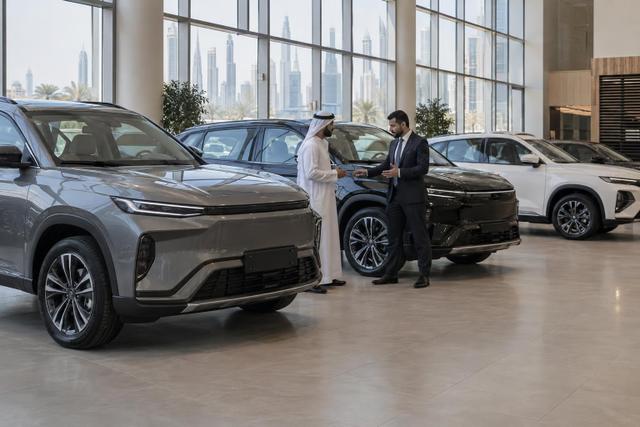
When does a vehicle need testing in Dubai?
New vehicles generally do not need the same periodic inspection immediately, but inspection becomes necessary as the vehicle reaches the applicable registration age. Requirements can also apply when transferring ownership, importing a vehicle or resolving a registration issue.
Also read: Dubai's RTA Will Host the First EV World Exhibition in November 2026
Drivers should not leave renewal tasks until the final day. The process normally requires valid insurance, cleared traffic fines and, where applicable, a passed vehicle inspection, as explained in this guide on renewing car registration in the UAE.
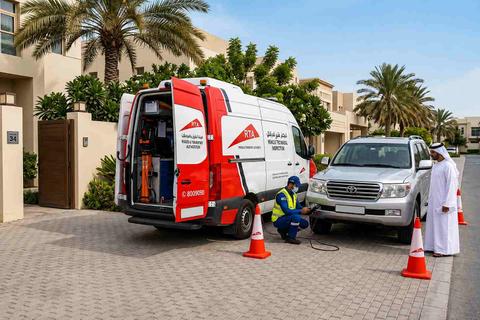
Dubai also offers the Aber mobile inspection option for certain situations, allowing eligible vehicle testing to be arranged at a home, workplace or fleet location. The RTA mobile vehicle inspection service can be useful for drivers who need more flexibility than a visit to a testing centre.
What the registration surge means for Dubai’s roads and auto market
A larger vehicle population means more demand for parking, road capacity, fuel stations, charging infrastructure, workshops and insurance services. It also makes effective traffic management and public transport investment more important.
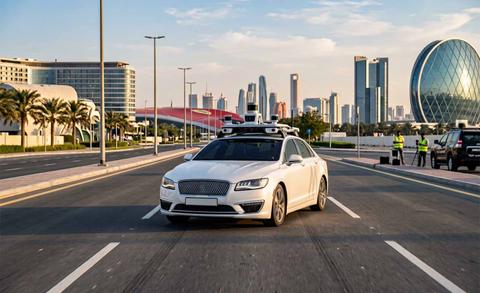
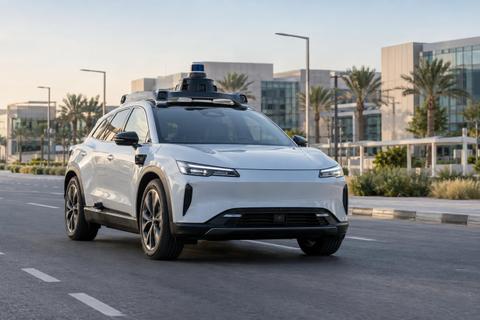
Dubai continues to develop mobility projects alongside conventional road infrastructure. The city’s work on advanced transport also includes a dedicated testing ground for self-driving cars at Dubai Silicon Oasis, showing that future planning is not limited to privately owned petrol cars.
For the automotive industry, high registration volumes create opportunities for dealers, finance providers, insurers and aftersales businesses. They also make transparent pricing, parts supply and reliable servicing more important, especially for newer brands entering the market.
More cars can also mean more congestion pressure
New registrations do not automatically mean gridlock, but sustained vehicle growth can add pressure to already busy corridors at peak times. Road upgrades, public transport, remote working and travel-demand management all play a role in limiting that impact.
Commercial traffic is another factor. Dubai has introduced targeted truck movement restrictions on selected routes and times, reflecting the need to balance freight activity with smoother traffic flow for other road users.
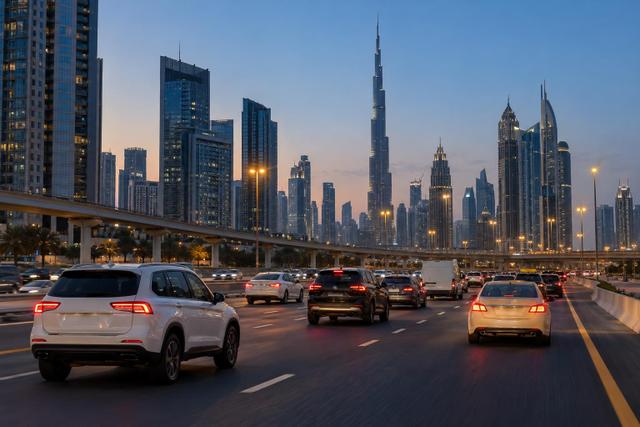
Key takeaways for drivers and buyers in Dubai
For buyers, the registration increase confirms that Dubai remains an active and competitive vehicle market. Choice is broad, but it is worth looking beyond the advertised price before committing to a vehicle.
- Compare the full ownership cost, including insurance, fuel, servicing and expected resale value.
- Confirm warranty coverage, service intervals and local parts availability before buying a newer brand.
- Budget for registration, insurance, Salik use, parking and future testing requirements.
- Keep registration and insurance documents current to avoid delays at renewal time.
- Allow extra time for vehicle testing and registration during busy periods.
For current owners, the message is simpler: stay organised. Keep insurance active, settle fines promptly and book required inspections early rather than waiting until a registration deadline is close.
People Also Ask
How many new vehicles did Dubai register in the first half of 2026?
Dubai registered more than 196,000 new vehicles from January to June 2026. The figure represents newly registered vehicles and equates to an average of more than 1,000 registrations per day.
How many cars are registered in Dubai each day?
Based on the first-half 2026 total, Dubai averaged roughly 1,080 new vehicle registrations per day. The actual daily total can vary depending on dealer deliveries, fleet purchases and seasonal demand.
Why are vehicle registrations increasing in Dubai?
Population growth, expanding business activity, tourism, logistics and a competitive new-car market are all contributing to higher registrations. Demand comes from both private motorists and commercial fleet operators.
Do new cars need a vehicle inspection in Dubai?
New vehicles are generally exempt from periodic testing for an initial period, but the exact requirement depends on the vehicle’s age and transaction type. Inspections may also be required for ownership transfers, imports or other registration-related procedures.
How many vehicle testing centres will Dubai have by 2030?
Dubai plans to expand its vehicle testing network from 30 centres to 35 by 2030. The additional capacity is intended to support a growing vehicle population and rising demand for testing services.