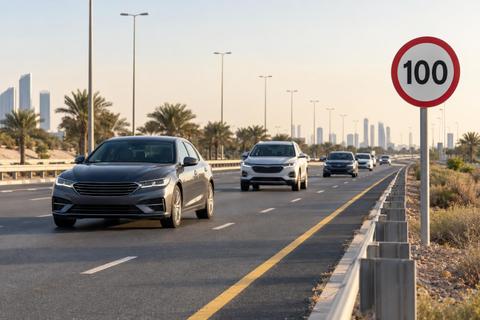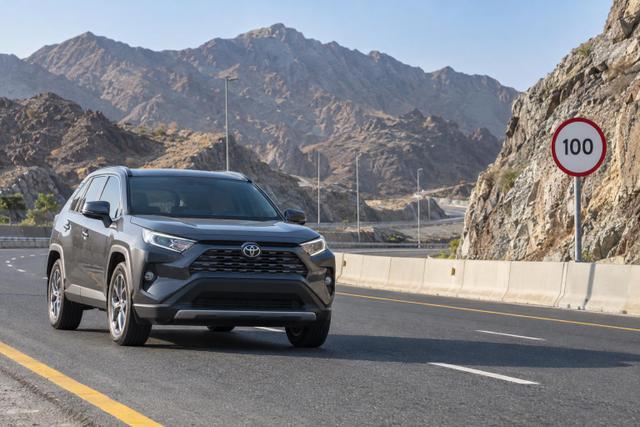
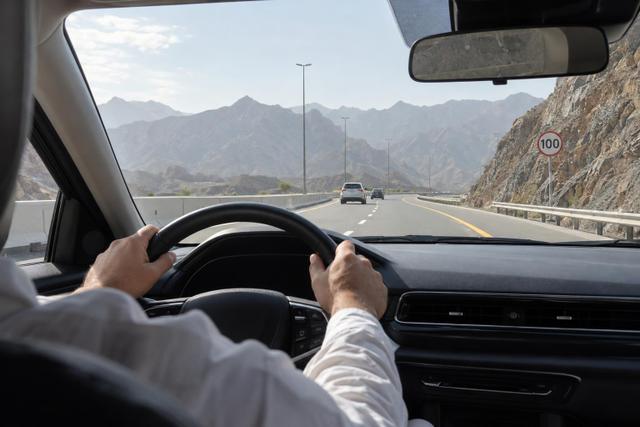
Fujairah Police has reduced the speed limit on the Khorfakkan Road from 120km/h to 100km/h. The revised limit takes effect on October 13, 2026, affecting motorists travelling between Fujairah and Khorfakkan on a route used daily by commuters, tourists and commercial vehicles.
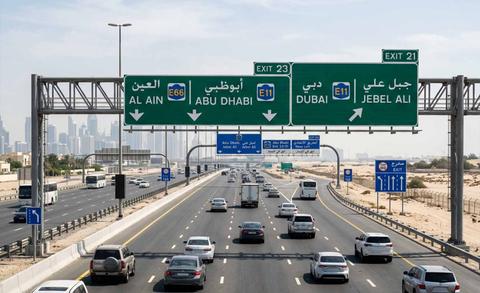
Drivers should not assume that a familiar stretch of road still carries its previous limit. Roadside signs, electronic boards and navigation alerts should be checked carefully, particularly during the first weeks after the change.
Fujairah Police announces lower speed limit on the Khorfakkan Road
The new 100km/h limit applies to the Fujairah-Khorfakkan Road, replacing the previous 120km/h maximum. Reports said the decision was announced by Fujairah Police ahead of its implementation date, giving road users time to adjust their driving habits.
Also read: Dubai's RTA and Police Confirm New Truck Movement Restrictions From October 1, 2026
According to Gulf News, the reduced limit comes into force on October 13. Motorists should treat the posted sign as the applicable limit, including where a navigation app has not yet updated its road data.
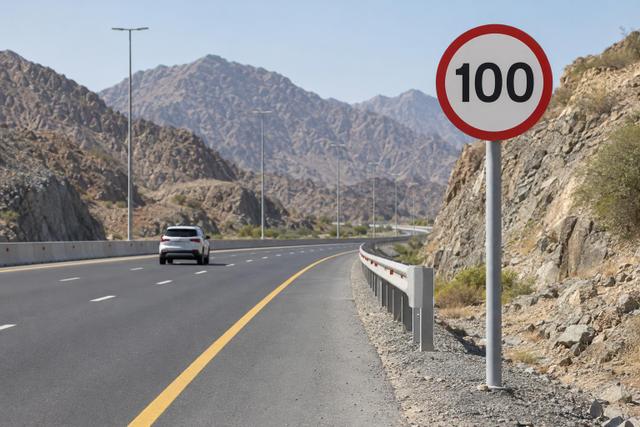
What exactly is changing and when does it take effect?
The principal change is straightforward: the maximum permitted speed falls by 20km/h, from 120km/h to 100km/h. The lower limit begins on Monday, October 13, 2026.
- Previous maximum speed: 120km/h
- New maximum speed: 100km/h
- Effective date: October 13, 2026
- Road affected: Fujairah-Khorfakkan Road
It is important to distinguish a speed limit from a suggested cruising speed. Traffic, weather, visibility, roadworks and other conditions may require drivers to travel below 100km/h even where that is the posted maximum.
The change is also likely to affect journey planning. A 20km/h reduction does not necessarily add a large amount of time to every trip, but drivers should allow a little extra margin rather than trying to recover time through late braking or rapid lane changes.
Why did authorities decide to lower the limit?
Authorities use speed-limit changes as part of a broader road-safety approach, especially on routes where traffic volumes, road conditions or crash-risk assessments justify a lower maximum speed. Lower speeds can reduce stopping distances and the severity of collisions when they occur.
At 100km/h, a vehicle covers about 27.8 metres each second. That leaves less room for error than many drivers expect, particularly when approaching slower vehicles, bends, junctions or changing weather conditions.
The route links coastal and mountain areas and can carry a mix of local traffic, visitors and heavier vehicles. Reducing the maximum speed helps create a more consistent pace between different types of road users.
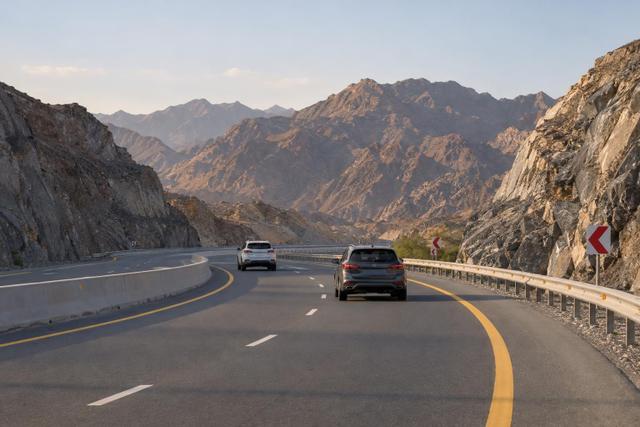
How this fits into the UAE's wider pattern of speed limit reductions
The Fujairah decision follows a wider UAE trend of reviewing speed limits on major roads as authorities prioritise safer traffic flow. Limits are not fixed permanently simply because a road was designed for a particular speed in the past.
Abu Dhabi has also recently lowered the limit on part of E311 from 120km/h to 100km/h. The change on the capital's side of the highway shows why motorists should keep checking signs rather than relying on old habits, as explained in this report on Abu Dhabi's E311 speed-limit reduction.
Also read: How UAE Drivers Can Clear Four Black Points On 31 August 2026
Speed reviews can reflect changing traffic density, new development, collision data and the need to make roads more forgiving when drivers make mistakes. They are not necessarily a sign that a road has become difficult to use, but they do change the legal maximum that applies to every driver.
What drivers travelling the Fujairah-Khorfakkan route should know
Start adjusting before reaching the affected section. Smoothly easing off the accelerator is safer than braking sharply at the first new sign, especially when vehicles behind may still be travelling at the old expected pace.
- Watch for revised roadside and overhead speed-limit signs.
- Use cruise control carefully, resetting it to no more than 100km/h where the new limit applies.
- Leave a larger following distance in rain, fog, darkness or reduced visibility.
- Do not rely solely on map applications, as updates may take time to appear.
- Plan extra time for commutes, beach trips and inter-emirate journeys.
Drivers should also remember that the posted limit is a maximum, not a target. A safe speed may be considerably lower when traffic is congested or the road surface is wet.
Speed enforcement is expected to reflect the new signed limit once it is active. Khaleej Times reported that authorities issued the reminder in advance, reinforcing the need for motorists to adapt from the first day.
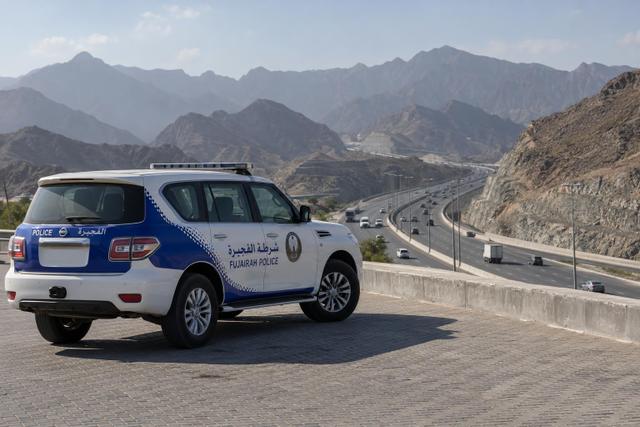
Key takeaways for motorists
The Fujairah-Khorfakkan Road limit is now set to fall to 100km/h from October 13, 2026. Drivers who previously used the road at 120km/h should reset cruise-control settings and allow more time for their journeys.
- The reduction is 20km/h, from 120km/h to 100km/h.
- Always follow the speed displayed on the nearest official road sign.
- Allow for slower progress instead of trying to make up time on the road.
- Reduce speed further when visibility, traffic or weather requires it.
- Check limits afresh on regular routes, as UAE road rules can change.
For drivers travelling across emirates, this is another reminder that a route can change even when the road itself feels familiar. A few minutes of extra planning is preferable to a fine, a dangerous manoeuvre or a collision.
People Also Ask
What is the new speed limit on the Fujairah-Khorfakkan Road?
The new maximum speed limit is 100km/h. It replaces the previous 120km/h limit on the affected Fujairah-Khorfakkan route.
When does the Khorfakkan Road speed-limit change start?
The lower speed limit takes effect on October 13, 2026. Drivers should follow the revised official signs from that date.
Why has the speed limit been reduced from 120km/h to 100km/h?
The reduction is a road-safety measure. Lower maximum speeds can improve reaction opportunities, reduce stopping distances and lessen the force of a collision.
Should drivers follow navigation apps or roadside signs?
Drivers must follow official roadside signs. Navigation applications can be useful for guidance, but their speed-limit information may not update immediately after a regulatory change.