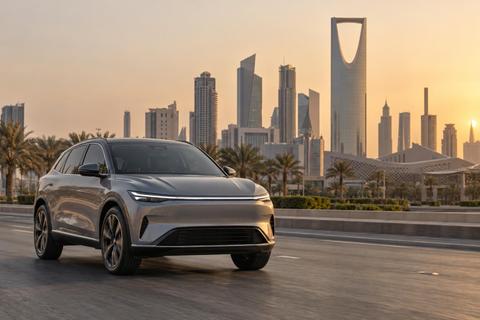

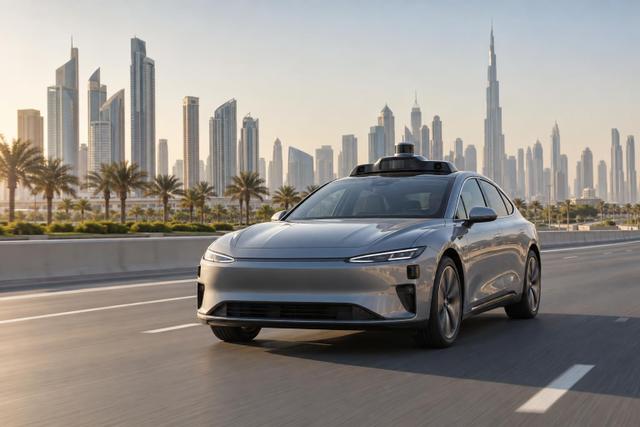
Autonomous vehicles could create US$18.7 billion in economic value across the GCC by 2035, according to a new regional assessment of the technology. The opportunity is not limited to self-driving taxis: it also includes delivery fleets, logistics, software, mapping, insurance, maintenance, data services and the time saved when people no longer need to drive.
The estimate is ambitious, but it reflects why governments and mobility companies are investing heavily in autonomous transport. For Gulf drivers, the first noticeable changes are likely to be robotaxis, autonomous delivery vehicles and more advanced driver-assistance systems, rather than privately owned cars that can drive anywhere without supervision.
What the global autonomous vehicle market could look like by 2035
Autonomous driving is expected to develop in stages. Many new cars already offer features such as adaptive cruise control, lane-centering assistance, automatic emergency braking and self-parking, but these systems still require an attentive driver.
Also read: Saudi Arabia Limits Foreign Drivers to One Year on International Licences
Fully autonomous services are different. They use a combination of cameras, radar, lidar, high-definition maps, artificial intelligence and remote support systems to operate in defined areas without a human driver controlling the vehicle.
Strategy&’s future mobility research identifies autonomous transport as part of a wider shift in how cities move people and goods. The commercial value comes from safer operations, more efficient fleets, lower downtime and new transport services, rather than simply selling a more expensive car.
Where the economic value comes from
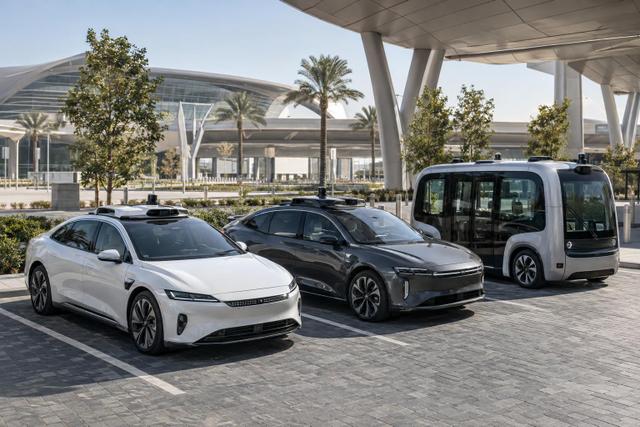
The Gulf opportunity includes direct spending on vehicles and technology, but much of the value would be created around the vehicle. A robotaxi network, for example, needs fleet depots, charging, cleaning, repairs, connectivity, mapping and customer support.
- Autonomous taxi and ride-hailing operations.
- Last-mile delivery, freight and port logistics.
- Vehicle sensors, software, maps and cloud services.
- Fleet management, maintenance and insurance products.
- Productivity gains from reduced congestion and travel time.
- Potential safety gains if automated systems reduce certain human errors.
These gains are forecasts, not money that has already entered the regional economy. They depend on practical deployment, customer adoption and rules that allow operators to scale beyond small pilot programmes.
How much could each GCC country gain?
Khaleej Times reported that the GCC could unlock US$18.7 billion in value from autonomous vehicles by 2035. Saudi Arabia and the UAE account for the largest portions because of their population, urban development programmes, logistics activity and planned mobility investment.
| GCC market | Potential value by 2035 | Why it matters |
|---|---|---|
| Saudi Arabia | US$9.1 billion | Large population, major cities, tourism projects and logistics demand. |
| United Arab Emirates | US$5.6 billion | Advanced digital infrastructure, dense urban travel and active autonomous pilots. |
| Kuwait | US$1.2 billion | High private-car use and scope for urban mobility services. |
| Oman | US$1.1 billion | Freight, ports and long-distance logistics potential. |
| Qatar | US$1.0 billion | Smart-city investment and concentrated urban transport demand. |
| Bahrain | US$0.7 billion | Compact geography and potential for controlled urban deployments. |
The figures are best read as indicative market potential. They do not mean every country will receive a fixed allocation, and actual outcomes will vary with regulation, investment and the speed at which fleets move from trials to commercial operations.
Qatar’s projected opportunity has also been separately highlighted at around US$1 billion by 2035. The Peninsula noted that fully autonomous vehicles could support transport, logistics and related digital services in the country.
Why is the Gulf positioned to capture this opportunity?
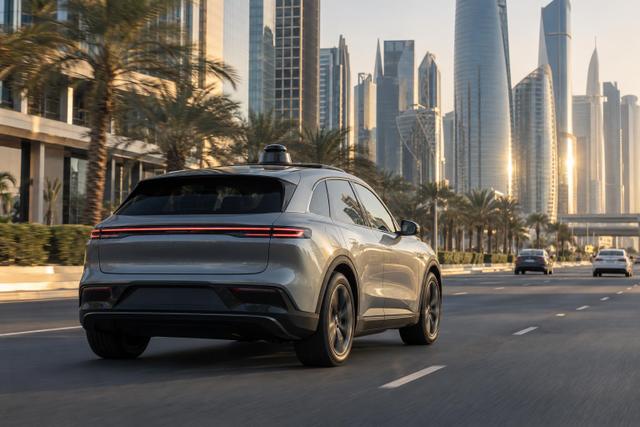
The GCC has several advantages that can make controlled autonomous deployment easier than in older, more fragmented cities. New districts, large road projects and digitally connected infrastructure can be designed with automated transport in mind.
- Governments can set national mobility strategies and coordinate infrastructure investment.
- Many cities have modern roads, clear lane markings and newer vehicle fleets.
- Large airports, ports, business districts and master-planned developments offer defined operating areas.
- High smartphone use supports app-based booking, payments and fleet management.
- Logistics, tourism and airport transfers create predictable high-volume travel routes.
That does not remove the hard work. Heat, dust, glare, roadworks, mixed driving behaviour and temporary lane changes can challenge cameras and sensors, while every autonomous operator must prove its systems are safe in local conditions.
Climate and road conditions are a real technical test
Gulf summers place unusual demands on batteries, cooling systems and sensor hardware. Dust can obstruct cameras and lidar, while intense sunlight can affect visibility and create reflections that automated systems must interpret correctly.
Testing in the region is therefore more than a showcase exercise. It helps developers validate how vehicles respond to local weather, road surfaces, driving patterns and infrastructure.

How this differs from the UAE's robotaxi and testing-ground push
The US$18.7 billion estimate describes a GCC-wide economic opportunity. It is not a government target for a specific number of autonomous cars, nor is it a confirmation that every Gulf city will have fully driverless taxis by 2035.
The UAE is already taking a more practical route through vehicle trials, licensing, designated service areas and supporting infrastructure. Abu Dhabi’s introduction of autonomous vehicle licence plates shows the administrative work required to distinguish commercial autonomous services from vehicles still undergoing testing.
Dubai is also building the technical side of the ecosystem. The new self-driving car testing ground at Dubai Silicon Oasis provides controlled scenarios that can help companies assess automated systems before they operate on public roads.
Separately, the UAE has outlined plans for more than 10,000 autonomous taxis and delivery vans by 2027. That planned rollout is a deployment objective, while the regional US$18.7 billion figure is an estimate of wider economic value that could be created if the sector matures.
Also read: Oman Signs $790 Million in Investment Deals Including a New Car Assembly Complex in Sohar
What needs to happen for the Gulf to realise this value?
Autonomous driving will not scale through vehicle technology alone. Regulators, road authorities, telecoms operators, insurers, fleet companies and emergency services all need compatible procedures.
Clear rules for responsibility and safety
Authorities need to define who is responsible when an autonomous vehicle is involved in a collision or traffic violation. The answer may depend on whether the vehicle was operating autonomously, whether a remote operator was involved and whether the fault lies with the owner, fleet operator, manufacturer or software provider.
Rules also need to cover vehicle inspections, cybersecurity, remote monitoring, incident reporting and how quickly a company must respond to a safety issue. Public confidence will depend on transparent reporting, particularly in the early years of commercial services.
Infrastructure that supports automated fleets
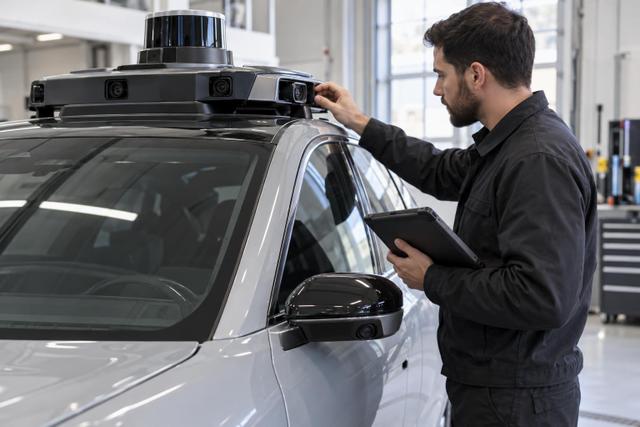
Reliable mobile connectivity, accurate digital maps and well-maintained road markings are essential. Fleet operators also need depots where vehicles can charge, be cleaned, receive sensor checks and undergo repairs.
Cross-border travel will be a longer-term challenge because autonomous vehicles must comply with different licensing, insurance and traffic systems. The GCC’s work toward recognising driving licences across member states is a useful example of the wider coordination needed for more connected regional mobility.
Business cases that work beyond pilot projects
Robotaxi and delivery pilots can be subsidised, but commercial services eventually need sustainable operating costs. That means enough passenger demand, efficient fleet utilisation, affordable maintenance and pricing that customers accept.
Autonomous technology may initially make most sense on repeatable routes, such as airport transfers, business parks, residential communities, university campuses, ports and industrial zones. These locations reduce the number of unpredictable situations compared with unrestricted citywide driving.
Key takeaways for Gulf drivers and investors
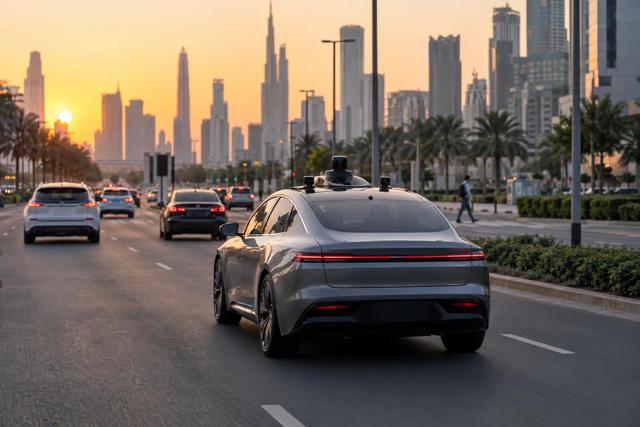
For drivers, autonomous transport is likely to arrive as a service before it becomes a personal-car feature. Most motorists will first encounter it through ride-hailing, delivery, shuttle services and increasingly capable driver-assistance systems.
- US$18.7 billion is a projected GCC opportunity by 2035, not guaranteed revenue.
- Saudi Arabia and the UAE are expected to be the region’s largest autonomous mobility markets.
- Robotaxis and delivery fleets are likely to scale before privately owned fully autonomous cars.
- Safety regulation, insurance, digital infrastructure and public trust will determine the pace of adoption.
- Heat, dust and local road conditions make Gulf testing essential, not optional.
For investors and businesses, the opportunity extends beyond the vehicle manufacturer. Mapping, charging, maintenance, fleet software, connectivity, cybersecurity and insurance may all become important parts of the autonomous mobility economy.
People Also Ask
How much could self-driving cars contribute to the GCC economy?
Forecasts cited by regional reporting put the potential GCC economic opportunity at US$18.7 billion by 2035. This includes mobility services, logistics, technology, operations and productivity gains, not only autonomous vehicle sales.
Which Gulf country could benefit most from autonomous vehicles?
Saudi Arabia is expected to have the largest potential opportunity because of its scale, population, large development projects and logistics market. The UAE is also expected to be a major market because it has advanced autonomous transport trials and strong digital infrastructure.
Are self-driving taxis already operating in the UAE?
Autonomous taxis and shuttles are being tested and deployed in selected UAE locations under regulated programmes. Their operation remains limited to approved service areas and operating conditions, rather than unrestricted use on every public road.
Will autonomous cars replace private cars in the Gulf?
Not in the near term. Private vehicles will remain important, but autonomous ride-hailing, shuttles and delivery fleets may reduce the need for some journeys to be completed in personally owned cars.
What is the biggest obstacle to autonomous driving in the Gulf?
The main obstacles are safe operation in complex real-world conditions, clear legal responsibility, public acceptance and commercially viable fleet operations. Heat, dust, roadworks and inconsistent road conditions also require extensive local testing.