
Saudi Arabia’s Ministry of Commerce organised 30 vehicle recall campaigns affecting 191,920 vehicles during the third quarter of 2026. The campaigns covered faults ranging from software and display problems to EGR, fuel-system, airbag and transmission-related issues, making it important for owners to check whether their vehicle identification number, or VIN, is included.
The scale of the quarter shows that recalls are not limited to older cars or one manufacturer. A recall can apply to a specific production period, a limited batch of imported vehicles, or a large number of vehicles sold across several model years.
Saudi Ministry of Commerce reports 30 recall campaigns in Q3 2026
According to Assayyarat, the Ministry of Commerce handled 30 vehicle recall campaigns in the third quarter of 2026. Together, they covered 191,920 vehicles in the Saudi market.
Also read: Saudi Arabia Recalls 2,888 Lucid Air Sedans Over Fire Risk From Faulty Lighting Circuit
A recall does not automatically mean every affected vehicle has developed a fault. It means the manufacturer or regulator has identified a potential safety, compliance or reliability issue in vehicles that match particular VIN ranges.
How many vehicles were affected across the quarter?
The reported total of 191,920 vehicles is spread across 30 separate campaigns. The individual campaigns vary significantly in size, with some focused on a few hundred vehicles and others covering tens of thousands.
Large campaign totals often reflect a defect shared across several model years or vehicle lines. Smaller campaigns can still be important where the issue affects braking, airbags, fuel delivery, steering, powertrain operation or the driver’s ability to see warning information.
- 30 recall campaigns were organised during Q3 2026.
- 191,920 vehicles were affected in total.
- Campaigns covered multiple makes, models and production years.
- Repairs for a valid recall should be completed by the authorised dealer without charge to the owner.
What are the most common defects behind these recalls?
The quarter’s recall notices included a mix of electronic, mechanical and software-related faults. While the precise remedy depends on the vehicle, several recurring categories matter because they can affect safe operation or warning-system visibility.
Owners should not assume that a car is unaffected simply because it is driving normally. Some faults only appear in certain temperatures, after a software update, under hard acceleration or when a particular safety system is needed.
Instrument cluster malfunctions
An instrument cluster fault can cause the driver display to freeze, go blank or fail to show key information. This may include warning lights, speed, fuel level, transmission status or other alerts needed during normal driving.
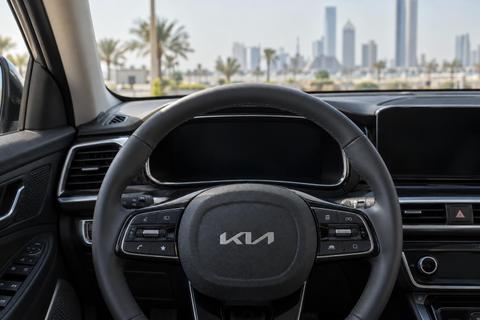
Software-related display faults are commonly addressed through a dealer update or replacement of a related control module. One example is the recall of 319 Kia vehicles over an instrument-cluster software issue.
EGR system faults
The exhaust gas recirculation, or EGR, system helps control emissions by returning a measured amount of exhaust gas to the engine intake. A faulty EGR component can contribute to rough running, warning lights, reduced engine power or, in some cases, a higher safety risk.
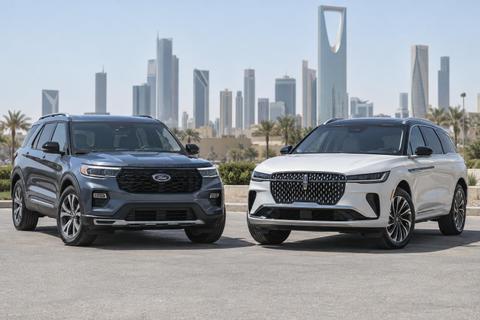
Ford and Lincoln owners should note that an earlier Saudi campaign involved an EGR valve issue affecting 3,108 vehicles, where a fault could lead to a loss of power. A power-loss concern deserves prompt attention, especially on fast Saudi roads.
Transmission software issues
Modern automatic transmissions depend heavily on software calibration. A programming fault can affect shift timing, gear selection, warning messages or the response of safety functions connected to the powertrain.
A software recall does not necessarily mean that the transmission needs to be replaced. In many cases, the authorised workshop checks the VIN, installs approved software and confirms correct operation through the manufacturer’s prescribed procedure.
Why these recalls matter for Saudi car owners
Recall work is preventive safety work, not routine paid maintenance. Delaying it can leave a known issue unresolved and may affect a vehicle’s safety, reliability or resale discussions later.
This is particularly relevant for used-car buyers. Before completing a purchase, ask for the VIN, check open campaigns with the brand’s authorised dealer and request evidence that any applicable recall has been completed.
Some defects carry more obvious risks than others. For example, Saudi Arabia previously recalled 27,360 Chevrolet vehicles over a driver airbag concern, while another campaign covered Hyundai Azera cars over a fuel-pipe fault that could raise the risk of a fuel leak.
How the vehicle recall process works in Saudi Arabia
When a recall is announced, the manufacturer’s local agent and authorised dealer network identify the affected VIN range. Owners may receive contact messages, but they should also check proactively if they own a model named in a recall notice.
Also read: Saudi Arabia Recalls 1,355 Ford and Lincoln Vehicles Over Wiper Arm Defect
- Find the vehicle’s VIN, usually shown on the registration documents, dashboard area or driver-side door frame.
- Contact the authorised dealer or manufacturer representative and ask whether the VIN has an open campaign.
- Book the vehicle for inspection and the approved repair or software update.
- Keep the repair invoice or campaign-completion record with the vehicle’s service history.
- If buying used, repeat the VIN check before handover, even if the seller says the work is complete.
The Ministry’s recall information is intended to help consumers confirm the nature of the issue and the affected models. The Ministry of Commerce has also publicised its market-monitoring activity and consumer-protection work through its official channels.
Broader market oversight context from the Ministry of Commerce in Q3 2026
Vehicle recalls sit within a wider consumer-protection and commercial-compliance programme. During the same quarter, the Ministry carried out more than 144,000 inspections and seized over 1.3 million non-compliant products, according to Saudi Gazette.
That wider enforcement context matters for car owners because vehicle safety is not limited to the original sale. It also includes accurate repair information, compliant parts, properly handled campaigns and a clear route for consumers to raise concerns.
Al Jazirah also reported on the Ministry’s Q3 recall activity, reinforcing the reported total of 30 campaigns. For owners, the practical message is simple: treat recall notifications as a priority and verify the car by VIN rather than relying on general model information.
What should owners and dealers do next?
Owners should check their VIN with the authorised dealer as soon as they learn of a relevant recall. If the vehicle is included, arrange the repair promptly and ask the workshop to confirm that the campaign has been closed in its system.
Dealers and used-car sellers should verify open recalls before advertising or handing over a vehicle. Being transparent about completed recall work can help prevent disputes and gives buyers a clearer picture of the car’s condition.
Owners of vehicles registered outside Saudi Arabia should also keep local entry rules in mind. For example, Saudi Arabia has introduced a 90-day annual limit for GCC-registered vehicles, so it is sensible to plan recall appointments around travel and registration requirements.
People Also Ask
How do I check whether my car has an open recall in Saudi Arabia?
Contact the manufacturer’s authorised dealer or local agent with your VIN. The dealer can confirm whether your specific vehicle is included in an active recall campaign and arrange the required work.
Do I have to pay for a vehicle recall repair?
No. Recall repairs for an affected vehicle are normally carried out free of charge by the authorised dealer because they correct a manufacturer-identified defect.
Can I drive my car if it is subject to a recall?
It depends on the fault. Some recalls are precautionary, while others involve airbags, fuel leaks, braking, steering or power loss and should be addressed immediately. Follow the instructions from the manufacturer or authorised dealer.
Will a recall affect my car’s resale value?
A completed recall should not normally reduce resale value. In fact, keeping proof that the campaign was completed can reassure a buyer that the known defect was corrected through the authorised network.
What information do I need to book a recall appointment?
You will usually need the VIN, registration details and your contact information. The dealer may also ask for the model year and confirm whether parts need to be ordered before the appointment.