
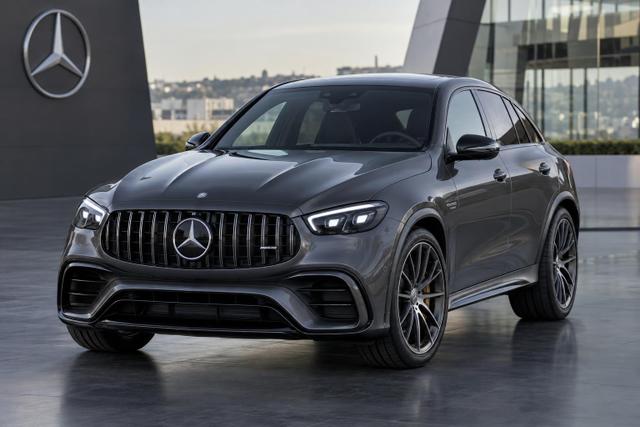
Mercedes-AMG has previewed its first electric GT SUV, a new performance flagship built from the ground up on the AMG.EA platform. The headline figure is up to 1,153 horsepower from a three-motor electric drivetrain, placing it well above the output of AMG’s current petrol-powered SUV range.
The model matters because it is not an electric conversion of an existing Mercedes-Benz SUV. It is AMG’s first dedicated high-performance electric SUV, designed to combine the practicality buyers expect from the segment with the aggressive acceleration, chassis tuning and visual identity associated with the AMG GT family.
What is the Mercedes-AMG GT SUV and why does it matter?
The GT SUV is a four-door, high-performance electric SUV positioned above the current Mercedes-AMG GLE and GLS performance models. It will be one of the first production vehicles to use AMG.EA, Mercedes-AMG’s bespoke electric architecture.
Also read: Mazda Launches the CX-60 SUV in Bahrain Through Khalil Kanoo Motors
Mercedes-AMG says the model has been developed as an AMG from the beginning, rather than being adapted from a standard Mercedes-Benz product. According to the Mercedes-Benz media release, its core focus is combining sports-car driving characteristics with SUV space and everyday usability.
- Dedicated AMG.EA electric platform, rather than a modified combustion SUV architecture.
- Tri-motor all-wheel-drive system with a targeted peak output of 1,153 hp.
- 800-volt electrical architecture intended to support high-power DC charging.
- GT-inspired design and chassis development aimed at distinguishing it from AMG’s larger luxury SUVs.
Where and how was the GT SUV revealed at The 140 Festival?
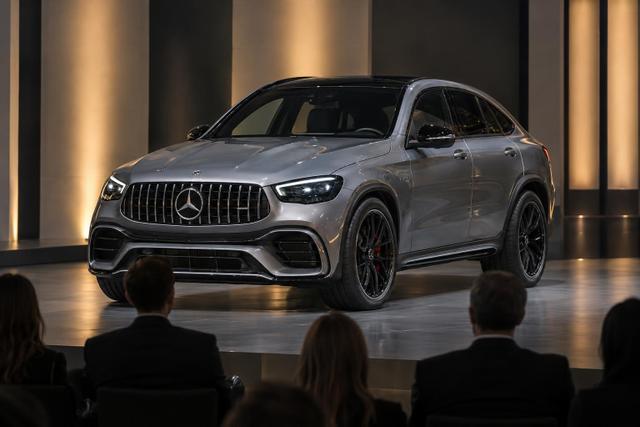
Mercedes-AMG revealed the camouflaged prototype during The 140 Festival, an event marking 140 years since Carl Benz patented the automobile. The public showing was a preview rather than a full production launch, so final specifications, trim names and market pricing are still to be confirmed.
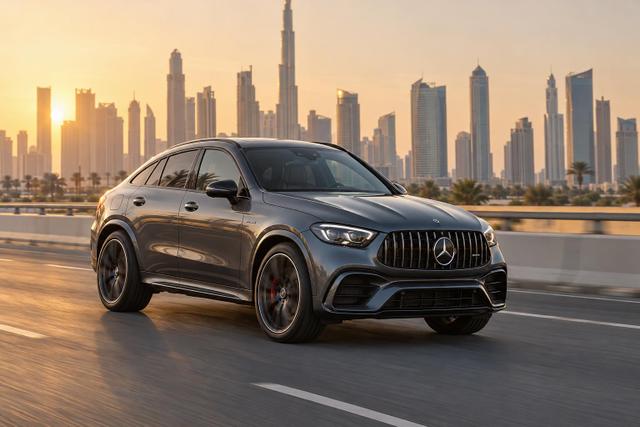
The prototype’s camouflage did not hide its basic proportions. It has a long bonnet, a low roofline, a wide stance and a rear profile that appears more coupe-like than the upright shape of the Mercedes-AMG GLE or GLS.
Mercedes-Benz USA describes the project as a high-tech SUV with sports-car DNA, a phrase that signals where the model will sit in the AMG range. It is expected to target buyers who want super-SUV performance but are ready to move from petrol to electric power.
Key specifications: tri-motor power and the 800V AMG.EA platform
The most important technical detail is the proposed three-motor layout. Mercedes-AMG has indicated that the system will use one electric motor at the front and two independently controlled motors at the rear, creating an electric all-wheel-drive system with active torque distribution.
The rear motors should allow the vehicle to vary torque across the rear axle more precisely than a conventional mechanical differential. In practical terms, that can improve cornering response and stability, while also helping the SUV put its power down when accelerating out of a bend.
| Specification | Reported or confirmed detail |
|---|---|
| Powertrain | Three electric motors, all-wheel drive |
| Maximum output | Up to 1,153 hp (850 kW) |
| Electrical architecture | 800-volt AMG.EA platform |
| Rear-drive layout | Two independently controlled rear motors |
| Battery | High-performance battery under development for AMG.EA |
| Production timing | Expected later in the decade, subject to Mercedes-AMG confirmation |
The 1,153 hp figure is a peak target for the flagship version, not necessarily the output every GT SUV will receive. Mercedes-AMG could offer lower-output variants later, as it does with several existing AMG models, although it has not confirmed the final range.
Car and Driver reports that the production vehicle is expected for the 2028 model year in some markets. That timing should be treated as an early indication, not a GCC delivery date.
How does it differ from previous Mercedes-AMG SUVs?
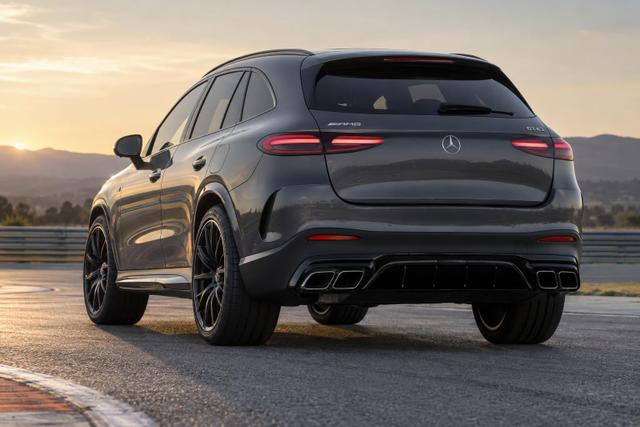
Previous AMG SUVs have generally used Mercedes-Benz SUV platforms and combustion-based powertrains, including V8 petrol engines and plug-in hybrid systems. The GT SUV begins with a different premise: its architecture, motors, battery system and chassis packaging have been engineered around electric propulsion.
That should give AMG more freedom to place the battery low in the vehicle and tune the centre of gravity, weight distribution and cooling system for repeated high-load driving. It also creates space for a more performance-oriented cabin position than in a conventional luxury SUV.
- The AMG GLE 63 uses a twin-turbocharged V8 with mild-hybrid assistance.
- The AMG GLS 63 prioritises three-row luxury and straight-line performance.
- The EQE SUV and EQS SUV use electric power, but they are not based on the new AMG.EA architecture.
- The GT SUV is intended to be AMG’s dedicated electric response to performance SUVs from Porsche, BMW M and other premium brands.
It also takes a different approach from a luxury-focused electric SUV such as the Bentley Torcal, which is expected in the UAE from 2027. The AMG is being positioned first around dynamic performance and motorsport-influenced engineering.
Design and sports car DNA from the AMG GT lineup
Even under camouflage, the GT SUV carries familiar AMG GT cues. The nose appears low and broad, the front track looks wide, and the cabin sits relatively far back compared with a traditional upright SUV.
Mercedes-AMG has not shown the finished exterior or interior, but the vehicle is likely to use an AMG-specific interpretation of the brand’s grille, aerodynamic openings and muscular rear haunches. A sloping roof may help the design look more sporting, although it could slightly reduce rear headroom compared with a boxier SUV.
The GT name is important. Mercedes-AMG uses it on models that are intended to deliver a more focused driving experience than the brand’s mainstream performance cars, and the electric SUV will need more than a large power figure to meet that expectation.

Charging and performance details reported so far
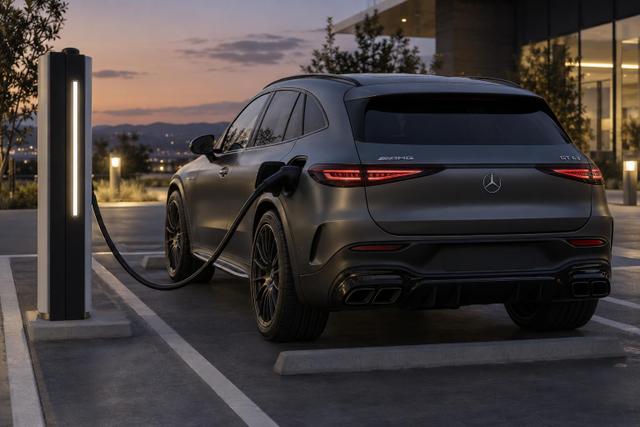
An 800-volt system is a major part of the GT SUV’s appeal, especially in the GCC where long inter-emirate journeys make charging speed increasingly relevant. Higher voltage can reduce heat and support faster charging when paired with a suitable high-power DC charger.
Also read: Oman's Mays EV Brand Expands Into Bahrain With Mohammed Jalal & Sons Deal
Mercedes-AMG has not yet published final battery capacity, official range, acceleration figures or maximum DC charging rate. Motor1 reported that the SUV is expected to use an 800-volt system and a battery designed for repeated high-performance use, but final homologated figures will arrive closer to production.
The reported 850 kW output would put the AMG among the most powerful electric SUVs planned for sale. However, real-world performance in Gulf conditions will also depend on thermal management, battery conditioning, tyre choice and how consistently the vehicle can deliver peak power in high ambient temperatures.
Electrek notes that the vehicle is targeting ultra-high output and fast charging, but buyers should wait for official WLTP range and charging data before comparing it directly with established rivals.
When could the Mercedes-AMG GT SUV reach GCC showrooms?
Mercedes-AMG has not announced a UAE, Saudi Arabian, Qatar or wider GCC launch date. Based on the reported 2028 model-year timing, regional deliveries are more likely to follow after the first global production markets receive the vehicle.
For premium electric vehicles, GCC availability often depends on regional homologation, dealer allocation, charging compatibility and the brand’s local rollout strategy. A late-2027 or 2028 arrival is possible, but this remains unconfirmed.
Buyers considering an electric luxury SUV in the nearer term will have several alternatives to watch, including the BMW iX4, BMW’s upcoming Neue Klasse electric SUV coupe. The AMG GT SUV is likely to sit in a more extreme performance category than most mainstream premium EVs.
Why this launch matters for Mercedes-AMG’s regional SUV demand
High-performance SUVs remain important in the GCC because they combine strong straight-line performance, family usability and the elevated driving position many buyers prefer. AMG has an established regional audience for V8-powered GLE, GLS and G-Class models, but a dedicated electric model gives the division a route into the next phase of the market.
The GT SUV will face a demanding customer base. GCC buyers will expect rapid charging, reliable cooling, strong air-conditioning performance, usable range at motorway speeds and a driving experience that still feels distinctively AMG.
Its arrival could also reshape comparisons at the top end of the segment. Petrol rivals such as the 717 hp Aston Martin DBX GT offer a very different proposition, centred on turbocharged V8 character rather than silent electric torque and fast DC charging.
Key takeaways
- The Mercedes-AMG GT SUV is AMG’s first ground-up electric SUV.
- Its tri-motor system is targeting up to 1,153 hp.
- The SUV will use AMG.EA, an 800-volt dedicated electric platform.
- Final range, battery capacity, charging rate, acceleration and GCC pricing have not been confirmed.
- Production is expected later in the decade, with GCC timing likely to be announced nearer launch.
- It is intended to bring AMG GT-style performance and handling priorities to the electric SUV segment.
People Also Ask
How much power will the Mercedes-AMG GT SUV have?
Mercedes-AMG has indicated a maximum output of up to 1,153 hp, or 850 kW, for the flagship tri-motor version. Final outputs for production trims have not yet been confirmed.
Is the Mercedes-AMG GT SUV fully electric?
Yes. The GT SUV is being developed as a battery-electric vehicle on AMG’s dedicated AMG.EA platform, with no petrol engine announced for this model.
What is AMG.EA?
AMG.EA is Mercedes-AMG’s dedicated electric vehicle architecture for future high-performance models. It uses an 800-volt electrical system and is designed to support powerful electric motors, high-performance batteries and fast charging.
Will the Mercedes-AMG GT SUV be available in the UAE?
Mercedes-AMG has not confirmed UAE availability yet. Given the importance of performance SUVs in the region, a GCC launch is likely once global production begins, but buyers should wait for an official regional announcement.
How is the AMG GT SUV different from the Mercedes-AMG GLE 63?
The GLE 63 is a petrol-powered performance SUV based on an existing Mercedes-Benz SUV platform. The GT SUV is a purpose-built electric AMG model with a tri-motor drivetrain and dedicated AMG.EA architecture.