
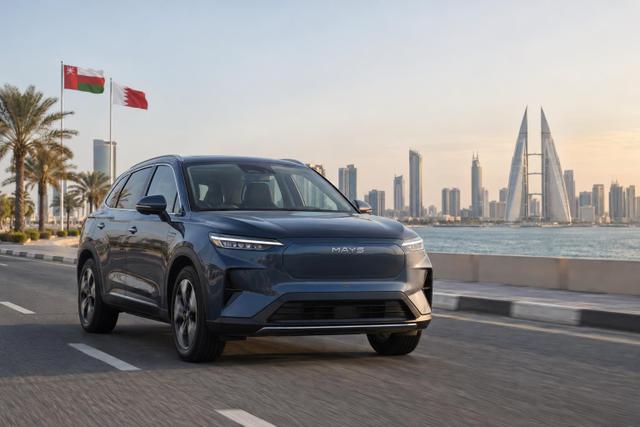
Oman’s Mays EV brand has taken a step into the Bahraini market through an exclusive distribution agreement with Mohammed Jalal & Sons. The deal gives the Bahraini group responsibility for introducing and supporting Mays electric vehicles locally, adding another GCC-built EV name to a market that is already attracting new Chinese and regional brands.
The agreement matters because it is not simply an export announcement. A credible local distributor is central to showroom operations, vehicle deliveries, servicing arrangements, spare-parts planning and buyer confidence once sales begin.
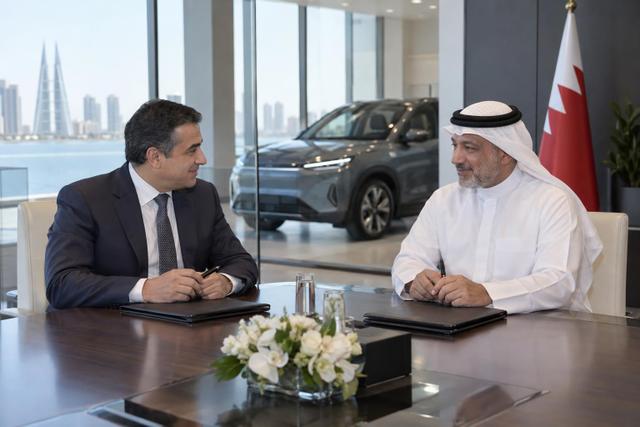
Mays EV Signs Exclusive Bahrain Distribution Deal
MarkLines reported that Mays EV has signed an exclusive distribution agreement with Mohammed Jalal & Sons for Bahrain. The partnership is intended to make the Bahraini company the local channel for the Omani electric-vehicle brand.
Also read: Mercedes-AMG Unveils Its First Ground-Up Electric GT SUV With 1,153 Horsepower
Exclusive distribution normally means one authorised business has the right to sell the brand in a defined territory. For buyers, this should make it clearer where to ask about official specifications, warranty terms, servicing and replacement parts.
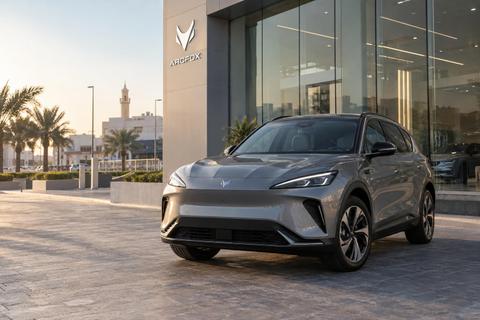
The announcement is a further sign that Bahrain is becoming a competitive market for electrified vehicles. Recent arrivals include the Arcfox premium EV range in Bahrain, alongside newer battery-electric and range-extended models from Chinese manufacturers.
Who Is Mohammed Jalal & Sons?
Mohammed Jalal & Sons is a Bahrain-based business group with long-standing interests in trading, contracting, real estate and automotive activities. Its role in the agreement is to establish Mays EV’s commercial presence in Bahrain rather than to build the vehicles.
For a new automotive brand, an experienced local partner can reduce some of the practical barriers to market entry. Customers need a clear point of contact for sales, finance options, registration support, routine maintenance and warranty matters.
- Vehicle retail and showroom operations
- Local market launch activity and customer support
- After-sales planning, including parts and workshop capability
- Coordination between Bahraini buyers and the Omani manufacturer
What Does the Agreement Cover?
The agreement covers the exclusive distribution of Mays electric vehicles in Bahrain. Akhbar Al Khaleej reported that the partnership is designed to bring the Omani-made EV brand into the kingdom through Mohammed Jalal & Sons.
At the time of the announcement, buyers should not assume that every detail has been finalised for public sale. Model availability, trim levels, prices, charging equipment, warranty coverage and delivery timing can differ between a distribution signing and the opening of customer orders.
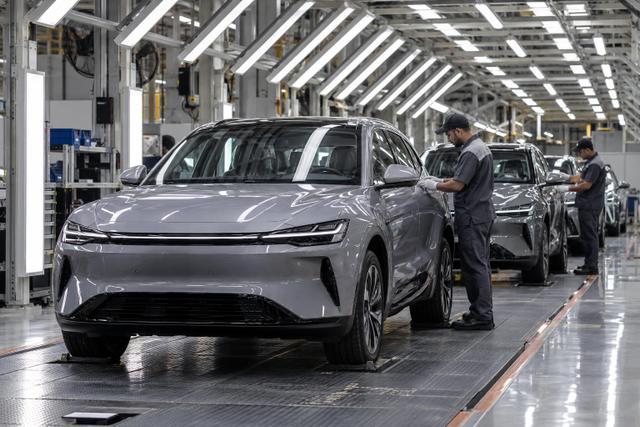
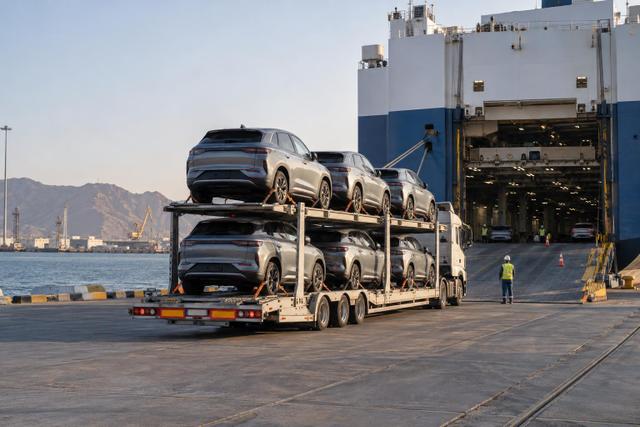
It is also worth distinguishing an exclusive distribution deal from a full local manufacturing or assembly project. The vehicles are expected to be supplied from Oman, while Bahrain becomes the retail and support market.
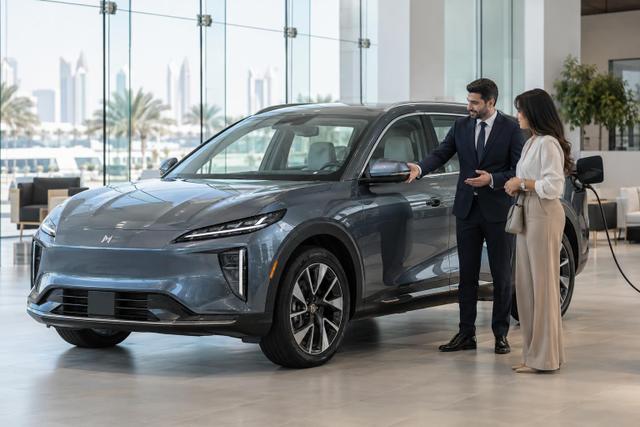
Why Is a Homegrown Omani EV Brand Entering Bahrain?
Bahrain is a logical nearby export market for an Omani manufacturer. It is geographically close, shares many GCC consumer preferences and allows Mays EV to build export experience without immediately taking on the complexity of a far-away market.
For Mays EV, a Bahrain launch can help test demand for a regional EV brand among buyers who may otherwise compare mainly Japanese, European, American and Chinese products. The result will depend less on the badge alone and more on value, real-world range, air-conditioning performance and dependable after-sales support.
EV adoption in the GCC also depends heavily on charging access. Buyers who can charge at home or at work will generally find a battery-electric car easier to live with than those relying solely on public chargers, as explained in this guide to whether EVs or hybrids suit GCC drivers better.
What Is the Sales Target and Why Does It Matter?
The public reports on the distribution agreement focus on the partnership and Mays EV’s Bahrain entry, rather than setting out a detailed public sales forecast by model. That is common at this stage, particularly when retail specifications and launch timing have not yet been fully announced.
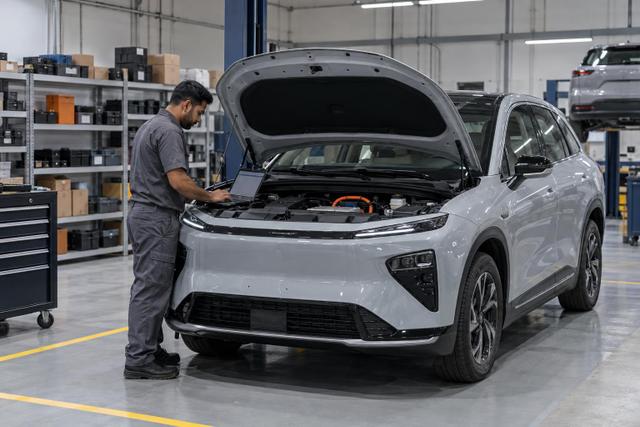
A sales target matters because it affects the scale of the distributor’s investment. Higher expected volumes can justify a dedicated showroom, trained technicians, diagnostic equipment and deeper parts stock, while a smaller initial rollout may begin with a more limited retail operation.
For buyers, the more useful indicators will be practical ones: how many vehicles are delivered, whether demonstrators are available, how quickly parts can be supplied and what official warranty support looks like after the first year of ownership.
What should Bahrain buyers ask before ordering a new EV?
- What is the official Bahrain price, including VAT and registration-related costs?
- Which battery, range and charging figures apply to the local specification?
- Where will servicing and warranty repairs be carried out?
- What are the battery warranty terms and exclusions?
- Can the vehicle use common local public-charging connectors?
Background on Mays EV's Manufacturing in Oman
Mays EV is positioned as an Omani electric-vehicle manufacturer, making the Bahrain deal an example of a GCC automotive brand expanding within the region. The wider significance is that the product is moving beyond its home market through a formal distribution structure.
Also read: Mazda Launches the CX-60 SUV in Bahrain Through Khalil Kanoo Motors
Oman is also working to build a broader electric-vehicle and battery supply chain. A separate project has outlined plans for an EV and battery-cell plant at Duqm, underlining the country’s ambition to attract automotive manufacturing and related industrial investment.
Local or regional production does not automatically make a vehicle cheaper than an imported competitor. Manufacturing scale, battery sourcing, logistics, certification, dealer costs and specification choices will all influence the final price paid by a Bahrain customer.
What This Deal Signals for Intra-GCC Automotive Trade
The Mays EV agreement shows how GCC automotive trade can develop beyond the traditional model of importing established global brands. A manufacturer in one Gulf state can use a distributor in another to reach customers while keeping production, engineering and supply operations at home.
It also supports the wider idea of regional industrial cooperation. Bahrain has recently hosted discussions around joint manufacturing opportunities through the Made in GCC industrial investment programme, where cross-border projects were a central theme.
However, a distribution agreement is only the first stage. Mays EV will need to compete in Bahrain on familiar car-buying fundamentals: transparent pricing, useful equipment, proven hot-weather performance, charging convenience, finance availability and reliable after-sales care.
The Bahrain market is becoming more crowded, with models ranging from pure EVs to range-extended vehicles such as the DEEPAL S05 and S07 range-extended SUVs. That gives consumers more choice, but it also raises the standard for any new entrant.
What Bahrain Drivers Should Watch Next
The next meaningful updates will be the models selected for Bahrain, their official specifications and the planned timing for showroom availability. Buyers should wait for confirmed local documentation rather than relying on overseas range figures or equipment lists.
It will also be important to see how the distributor handles test drives, charging advice and after-sales support. These areas often make a larger difference to EV ownership than headline acceleration or claimed range.
If the launch is backed by competitive pricing and a clear service network, Mays EV could give Bahrain buyers another regional option in the growing electric-car market. If those basics are unclear, cautious buyers may prefer to wait until the first customer vehicles are on the road.
People Also Ask
What is Mays EV?
Mays EV is an Omani electric-vehicle brand and manufacturer. Its Bahrain distribution agreement is intended to introduce its vehicles to customers in the kingdom through Mohammed Jalal & Sons.
Who will distribute Mays EV cars in Bahrain?
Mohammed Jalal & Sons has signed an exclusive agreement to distribute Mays EV vehicles in Bahrain. The group is expected to act as the local commercial and customer-support channel for the brand.
When will Mays EV cars be available in Bahrain?
The distribution announcement confirms the market-entry plan, but buyers should look for official local updates on showroom opening dates, model availability and customer deliveries. These details can be announced separately from the signing of a distributor agreement.
Will Mays EV cars be made in Bahrain?
No local Bahrain production was announced as part of this distribution deal. Mays EV is an Omani brand, while the Bahrain agreement concerns local sales and distribution.
Are electric cars practical in Bahrain?
They can be practical for drivers with dependable home or workplace charging and predictable daily journeys. Buyers should check charging access, battery warranty terms, cooling performance and local servicing before choosing a fully electric car.