
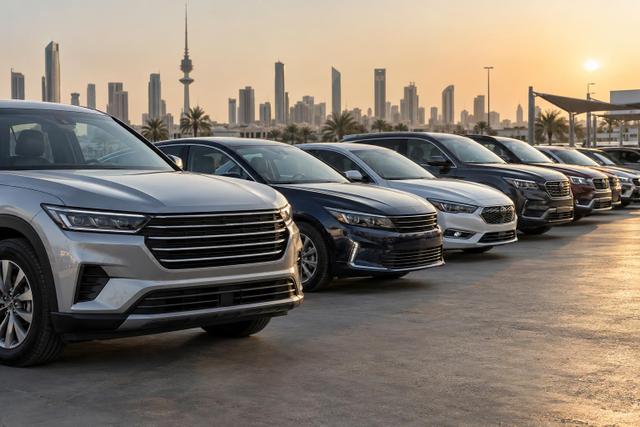
Kuwait's used-car market is expected to expand sharply through 2031, helped by demand for more affordable vehicles, a broad supply of imported models and faster online selling tools. The forecast points to a market worth US$3.94 billion by 2031, making condition checks, pricing research and transaction transparency increasingly important for both buyers and sellers.
The change is not simply about more cars changing hands. It also reflects a more organised market in which classified platforms, dealers and auctions make it easier to compare vehicles, reach buyers and complete sales across Kuwait.
What the Mordor Intelligence report found
Mordor Intelligence forecasts that Kuwait's used-car market will grow from around US$2.10 billion in 2026 to US$3.94 billion in 2031. That equates to a projected compound annual growth rate of about 13.4%.
Also read: Sohar Islamic and Sooq Cars Partner to Boost Digital Car Financing in Oman
The forecast covers used passenger vehicles sold through dealers, private sellers, online marketplaces and auction channels. It indicates that pre-owned cars are becoming a larger and more structured part of Kuwait's wider automotive economy.
| Market measure | Forecast figure |
|---|---|
| Estimated market value, 2026 | US$2.10 billion |
| Forecast market value, 2031 | US$3.94 billion |
| Forecast period | 2026 to 2031 |
| Projected CAGR | 13.4% |
As The Times Kuwait reported, auctions and digital sales are expected to be important parts of that growth. These channels can increase the number of vehicles visible to shoppers, although they do not remove the need for careful checks.
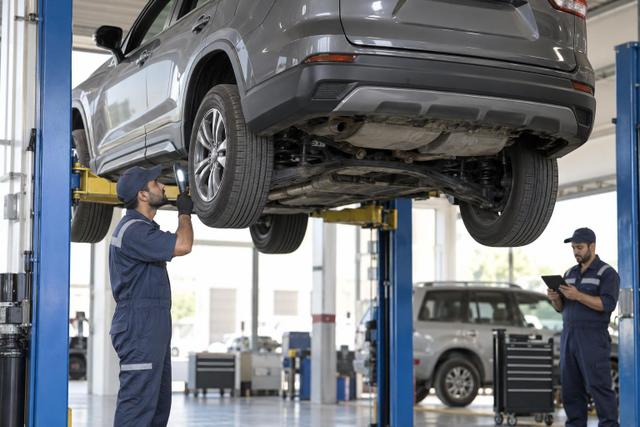
Why is Kuwait's used-car market growing so fast?
A used vehicle can offer a lower entry price than a new model while still providing the space, features and air-conditioning performance many Kuwaiti households want. Buyers can also access higher trims or larger vehicles that may fall outside their budget when purchased new.
New-car pricing, finance costs and the availability of popular models all affect the appeal of pre-owned alternatives. When buyers face long delivery times or high prices for new vehicles, late-model used cars can become a practical substitute.
Growth drivers behind the forecast
- Value-focused buying: shoppers can avoid the steepest early depreciation on a nearly new vehicle.
- Wide model choice: Kuwait has a large pool of sedans, SUVs, pickups and luxury vehicles entering the second-hand market.
- Strong replacement cycle: owners who upgrade regularly create supply of relatively recent used cars.
- Digital visibility: online listings allow buyers to compare prices, mileage and specifications before travelling to inspect a car.
- Professional selling channels: dealers and auctions can bring more stock into a formal, searchable marketplace.
Price remains important, but it is not the only factor. A vehicle with documented servicing, clean accident history and a credible inspection can command more interest than a cheaper example with unclear records.
Buyers considering a GCC-market car should still verify its exact origin and specification. Equipment, warranty status, cooling performance and parts availability may differ between a locally supplied vehicle and an imported example.
How digital platforms and auctions are changing used-car sales in Kuwait
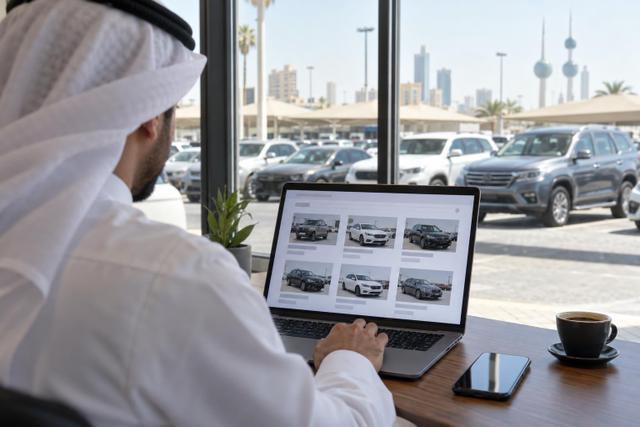
Digital platforms reduce the distance between a seller and a potential buyer. Photos, vehicle-identification details, finance options and messaging tools can make the first stage of a transaction much quicker than relying only on physical forecourts.
The advantage for shoppers is broader comparison. The risk is that an online description may not reveal paint repairs, mechanical faults, odometer concerns or incomplete service history.
What auctions add to the market
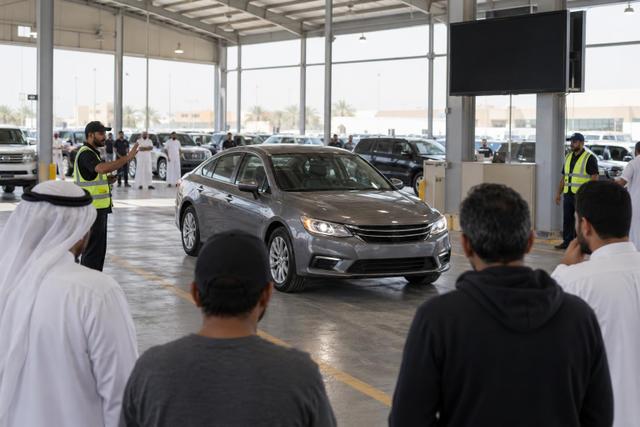
Auctions can move fleets, trade-ins, repossessions and other volume stock efficiently. They can also expose buyers to a wider mix of vehicles than they may find through conventional dealer listings.
However, auction purchases require discipline. The final cost may include fees, transport, registration work, repairs and tyres, so the winning bid is not always the true ownership cost.
An Al Rai's coverage of vehicle-auction activity also highlights the growing commercial importance of auction channels. For retail buyers, an auction should be treated as a sourcing route, not a replacement for due diligence.
What this growth means for buyers and sellers
A larger market should give buyers more choice, but it may also make it harder to identify a genuinely good example. Comparable listings can help establish a reasonable price range, yet two cars of the same model year can have very different values because of condition, mileage and history.
Advice for used-car buyers
- Compare several similar cars before deciding what a fair price looks like.
- Check the chassis number, registration details and available maintenance records.
- Inspect body panels, tyres, air-conditioning, electronics and warning lights in daylight.
- Arrange an independent mechanical inspection before handing over money.
- Budget for insurance, registration, routine servicing and immediate repairs.
Many of the same principles apply across the region. This guide to spotting a good used-car deal and avoiding a bad one explains why history checks and a proper test drive matter more than an attractive asking price.
Also read: Oman Signs $790 Million in Investment Deals Including a New Car Assembly Complex in Sohar
For sellers, clear photographs, accurate specifications and a realistic price are likely to matter more as listings become easier to compare. Providing service invoices and being upfront about repairs can reduce wasted viewings and make a buyer more confident.
Do not overlook first-year ownership costs
A low purchase price can be misleading if a car immediately needs tyres, suspension work, air-conditioning repairs or major servicing. Buyers should calculate the likely first-year cost rather than focusing only on the advertised figure.
A used-car maintenance package can be useful where its covered work matches the vehicle's needs, but the exclusions, claim limits and service schedule should be read carefully before paying extra.
Kuwait's used-car trends in the wider GCC context
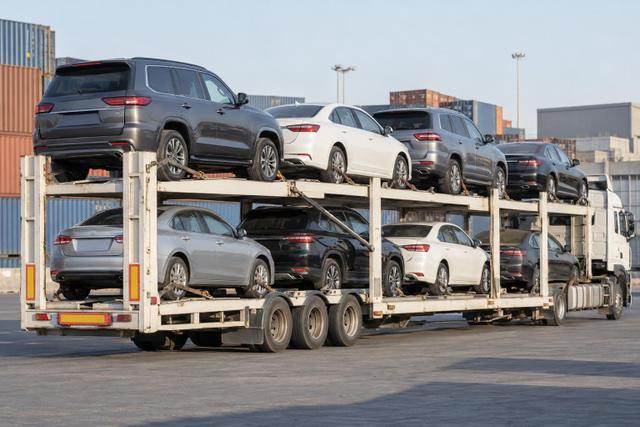
Kuwait shares several used-car market characteristics with its GCC neighbours: buyers often favour durable SUVs, Japanese and Korean mainstream models retain broad appeal, and well-kept premium vehicles can attract strong interest. Climate, highway use and maintenance quality have a direct effect on long-term value.
Cross-border ownership also comes with rules that buyers should understand before making plans around a vehicle. For example, Saudi Arabia's 90-day annual limit for GCC-registered vehicles is relevant to owners who regularly travel or keep a car across borders.
Demand patterns can differ by price band. A 2026 overview from Motorgy notes that model and price category remain central to used-car shopping in Kuwait, reinforcing the value of comparing like-for-like vehicles rather than relying on a single listing.
Key takeaways
- Kuwait's used-car market is forecast to reach US$3.94 billion by 2031, nearly doubling from its estimated 2026 value.
- Online platforms and auctions are likely to increase stock visibility and make pricing more transparent.
- Buyers should treat digital listings as a starting point, then verify condition, history and total ownership costs.
- Sellers with good records, accurate descriptions and sensible pricing should be better placed in a more competitive market.
- Regional travel and registration rules can matter as much as the purchase price for drivers who use cars across the GCC.
People Also Ask
How large will Kuwait's used-car market be by 2031?
The market is forecast to reach US$3.94 billion by 2031, according to Mordor Intelligence. The estimate represents substantial growth from about US$2.10 billion in 2026.
Why are used cars popular in Kuwait?
Used cars can offer lower purchase prices, more choice and access to higher-specification vehicles than an equivalent new-car budget may allow. Demand is also supported by a steady supply of trade-ins and imported vehicles.
Is it safe to buy a used car through an online platform in Kuwait?
It can be safe if the buyer verifies the seller, vehicle documents, chassis number and condition before payment. An independent inspection and test drive remain important, even when a listing appears detailed.
Are car auctions cheaper than buying from a dealer?
Not always. Auctions can offer competitive bids, but buyers must account for auction fees, repairs, transport, registration and any risk linked to limited inspection opportunities.
What should I check before buying a used car in Kuwait?
Check the vehicle's ownership and service records, accident history where available, tyre condition, air-conditioning, engine behaviour and electronics. A pre-purchase inspection is one of the most useful ways to identify costly problems before completing the sale.