Al-Futtaim Automotive has announced two UAE recall campaigns covering a combined 892 Lexus and Toyota vehicles because of a software issue affecting the front-recognition camera. The fix is a free software update, and affected owners should check their vehicle identification number (VIN) with the authorised distributor or dealer rather than assuming their vehicle is included based on model name alone.
The campaigns involve selected Lexus NX, Toyota Crown and Toyota bZ4X vehicles. While the fault does not necessarily mean a vehicle will lose normal braking or steering functions, it may affect the operation of certain driver-assistance features that rely on the forward-facing camera.
Al-Futtaim Automotive launches two new recall campaigns in the UAE
The recall action has been issued through Al-Futtaim Automotive for selected Lexus and Toyota vehicles in the UAE. It is split into two campaigns, one for Lexus and another for Toyota, but both relate to the software used by the vehicle's front-recognition camera.
Owners do not need to pay for the repair. The dealer will inspect the vehicle's eligibility using its VIN and, where required, update the relevant camera software to the latest specification.
- Total vehicles covered: 892 vehicles in the UAE.
- Affected brands: Lexus and Toyota.
- Issue: Front-recognition camera software.
- Remedy: Free software update at an authorised service centre.
- Owner action: Confirm recall status using the VIN, then arrange an appointment if affected.
Which models are affected?
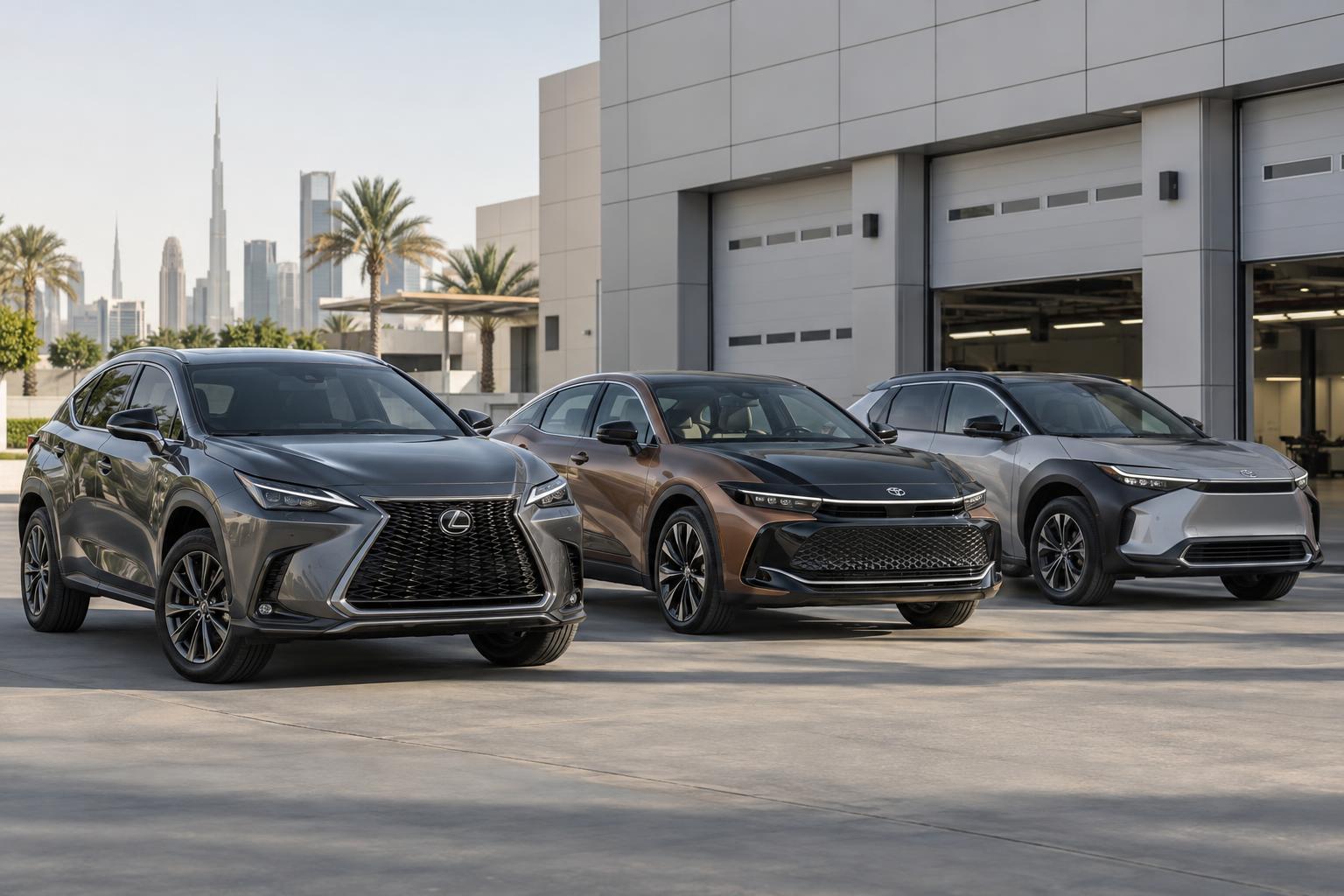
The campaigns cover selected vehicles from three model lines: the Lexus NX, Toyota Crown and Toyota bZ4X. Not every example of these models is necessarily included, as recall eligibility is normally determined by production period, equipment specification and VIN range.
Owners should therefore avoid relying solely on the model year shown on registration documents or on an online classified listing. A dealer VIN check is the most reliable way to establish whether a particular vehicle needs the software update.
Lexus NX
Selected Lexus NX vehicles are included in the Lexus campaign. The NX uses a suite of cameras, sensors and software to support active safety functions, including systems designed to recognise vehicles, pedestrians and other road users ahead.
Toyota Crown and Toyota bZ4X
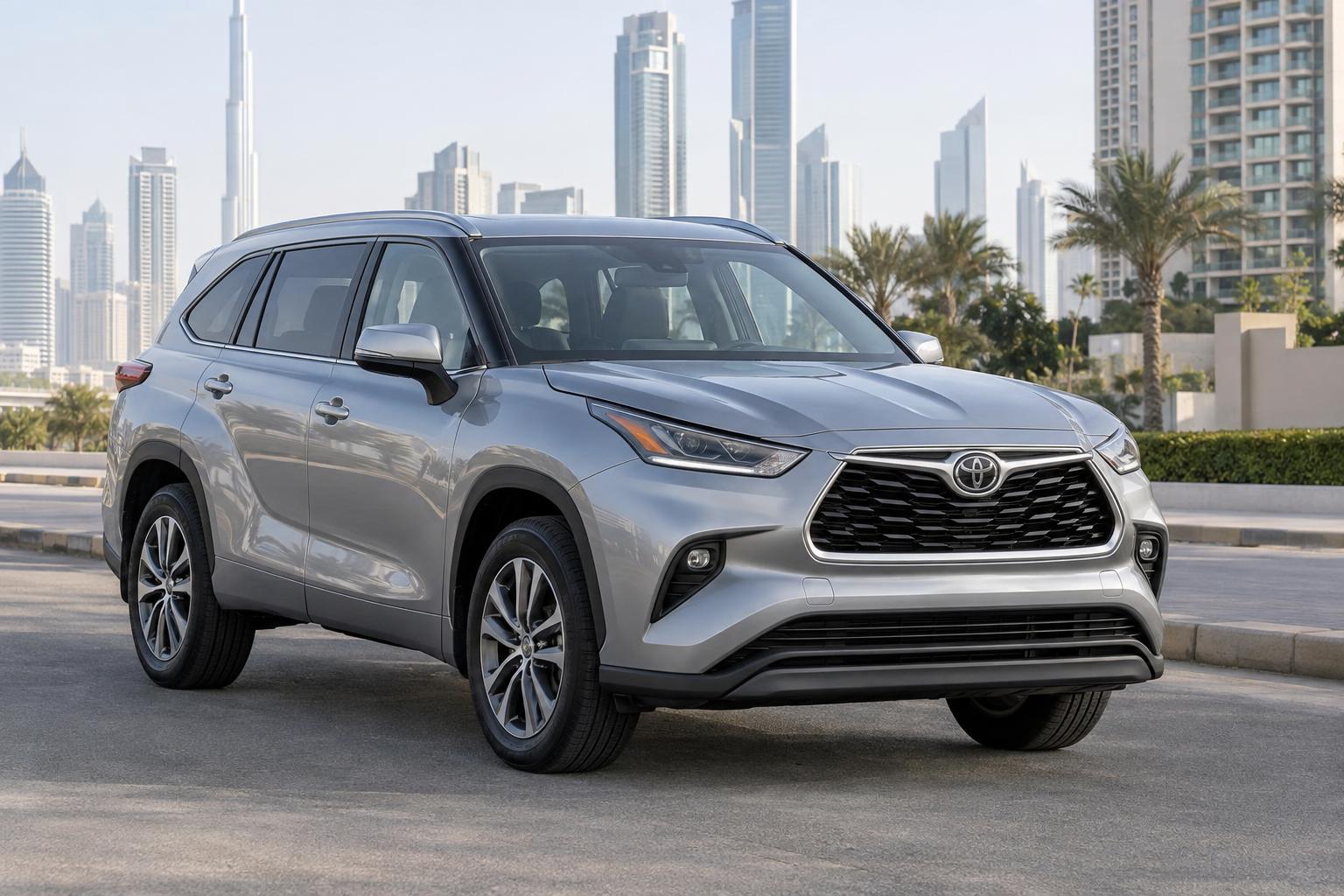
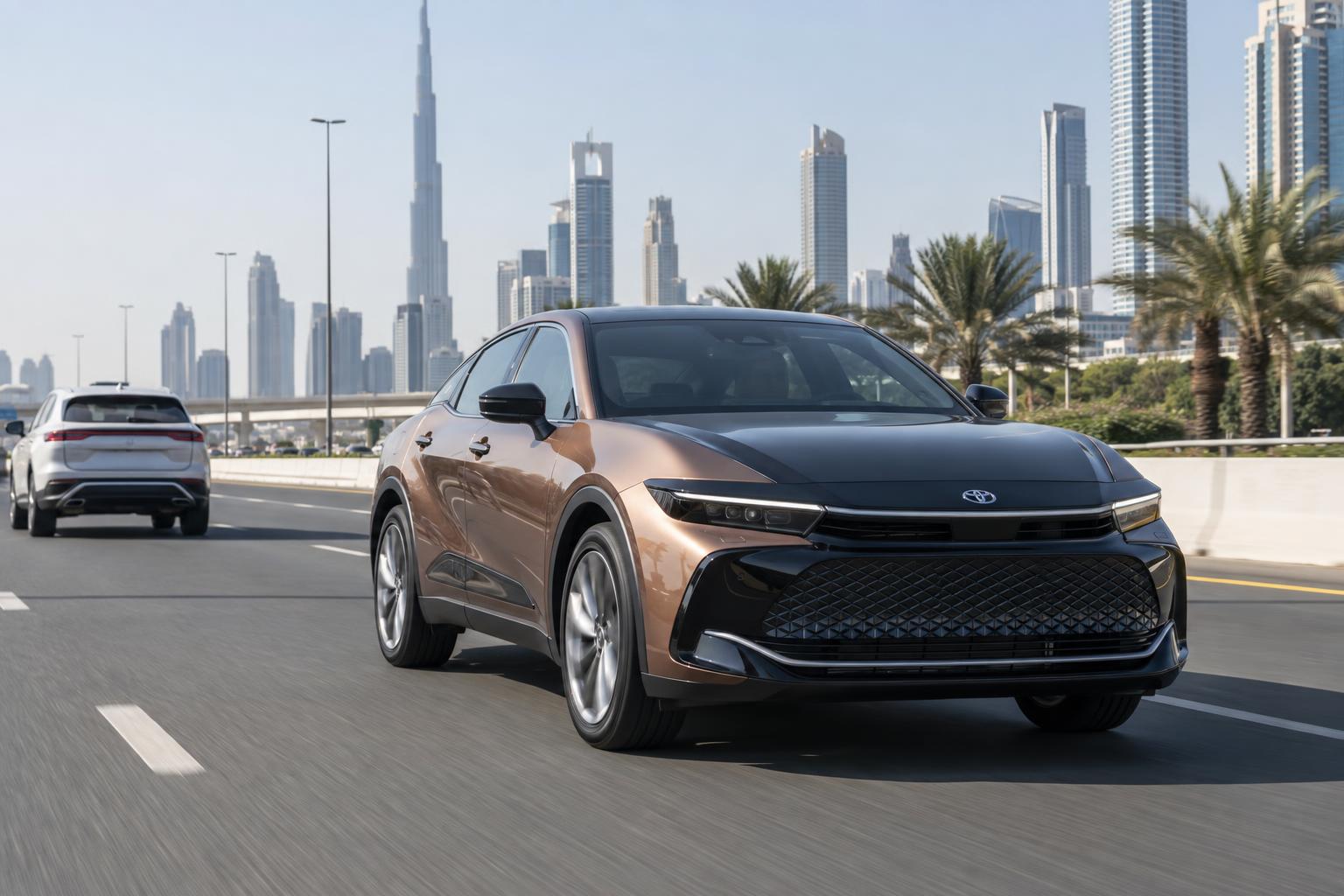
Selected Toyota Crown and Toyota bZ4X vehicles are included under the Toyota campaign. The Crown is a hybrid sedan, while the bZ4X is Toyota's battery-electric SUV, but both can use front-recognition camera data for selected safety and driver-assistance functions.
What is the front-recognition camera software fault?
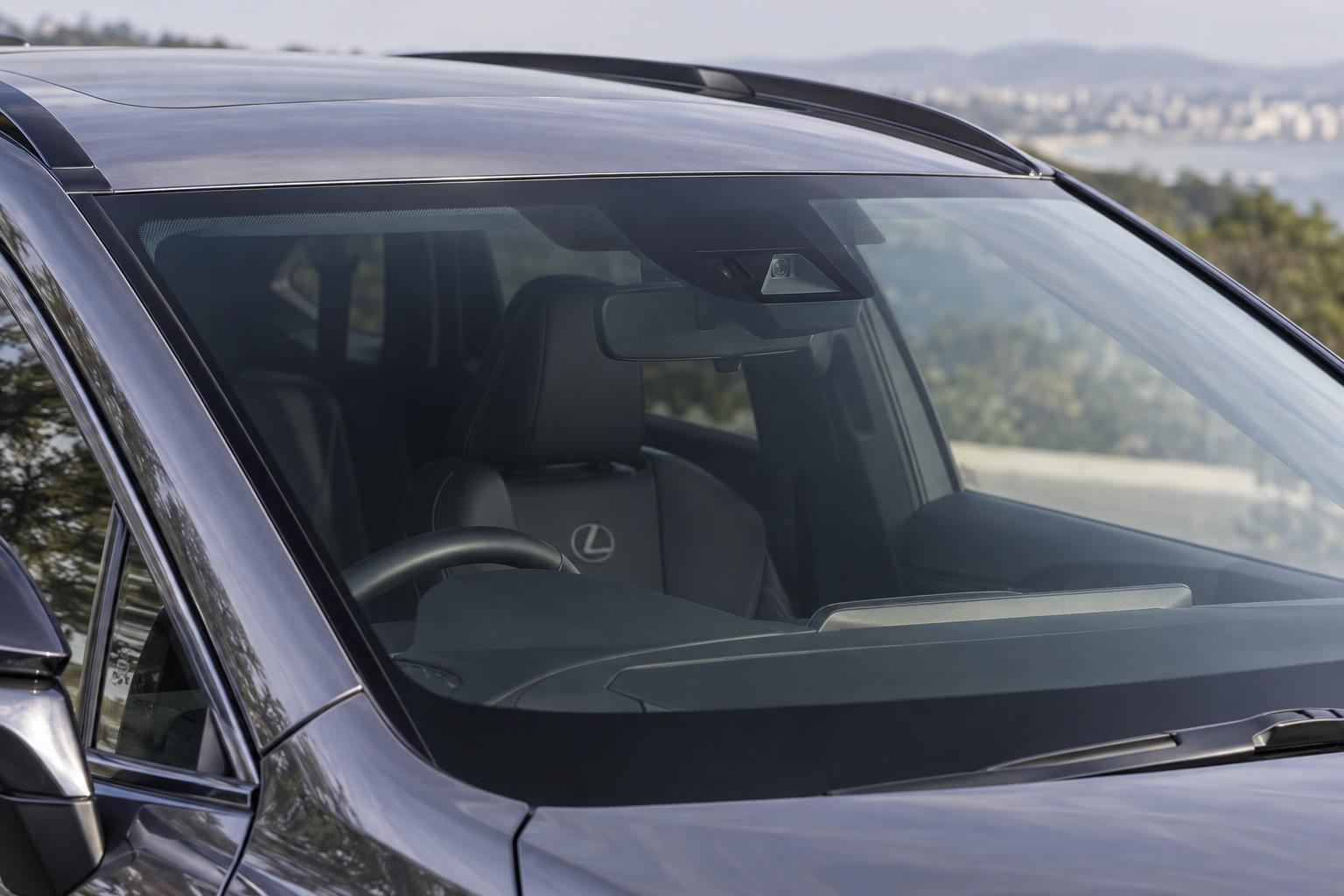
The front-recognition camera is mounted near the top of the windscreen and looks ahead of the vehicle. Its software processes what the camera sees, helping the vehicle identify objects and road users in front of it when conditions allow.
In the affected vehicles, the camera software may not operate as intended in certain situations. This can cause some functions that depend on camera recognition to become unavailable or to perform differently from their intended design.
Modern safety systems do not rely on one component alone in every situation. However, the camera is an important input for features that assess potential hazards ahead, so manufacturers issue a recall when software behaviour could affect the intended operation of those systems.
How the fault could affect the pre-collision safety system
The main concern is the possible effect on the vehicle's pre-collision safety system. Depending on model specification and driving conditions, this system can provide warnings when it detects a potential frontal collision and may support braking intervention if the driver does not react in time.
If front-camera recognition is affected, the system may not provide its normal level of support in every situation. A warning message may also appear on the instrument display, and some related driver-assistance functions may be temporarily unavailable.
- The system may not recognise a potential hazard as intended.
- Pre-collision warnings may not operate normally in certain circumstances.
- Automatic braking support, where fitted, may be limited or unavailable.
- A driver-assistance warning could appear on the dashboard.
Drivers should remember that pre-collision systems are assistance features, not substitutes for attention, safe following distances and proper braking. Even after the update, the driver remains responsible for controlling the vehicle at all times.
Is this recall connected to the earlier Takata or Lexus LX recalls?
No. This campaign is separate from earlier recalls involving Takata airbags and separate from previous Lexus LX recall actions. Recalls are issued for a specific defect, component or production batch, so one campaign does not automatically mean that a vehicle is affected by another.
The Takata recalls related to potentially defective airbag inflators, which could pose a serious risk during airbag deployment. Earlier Lexus LX actions have involved different components and technical concerns. The current campaigns concern front-recognition camera software, not airbags or the LX model's previously recalled parts.
It is still sensible for owners of any Lexus or Toyota vehicle to ask their dealer to check for all outstanding campaigns when booking a service. A single VIN search can identify whether there are multiple open recall actions on the vehicle.
How UAE owners can check if their vehicle is affected
The quickest route is to contact an authorised Lexus or Toyota service centre in the UAE and provide the vehicle's VIN. This 17-character number is unique to the car and allows the dealer to check factory recall records accurately.
You can usually find the VIN in several places:
- On the UAE vehicle registration card.
- At the base of the windscreen on the driver's side.
- On the driver's door frame or door jamb label.
- In service invoices, insurance documents or vehicle purchase paperwork.
Used-car buyers should also check the VIN before completing a purchase, especially if the vehicle was imported or has an incomplete service history. An open recall does not automatically make a car unsafe to buy, but it should be completed promptly and recorded in the service history.
What owners need to do to get the free software fix
If the VIN check confirms that the vehicle is included, owners should book an appointment with an authorised Lexus or Toyota service centre. The remedy is provided free of charge as part of the recall campaign.
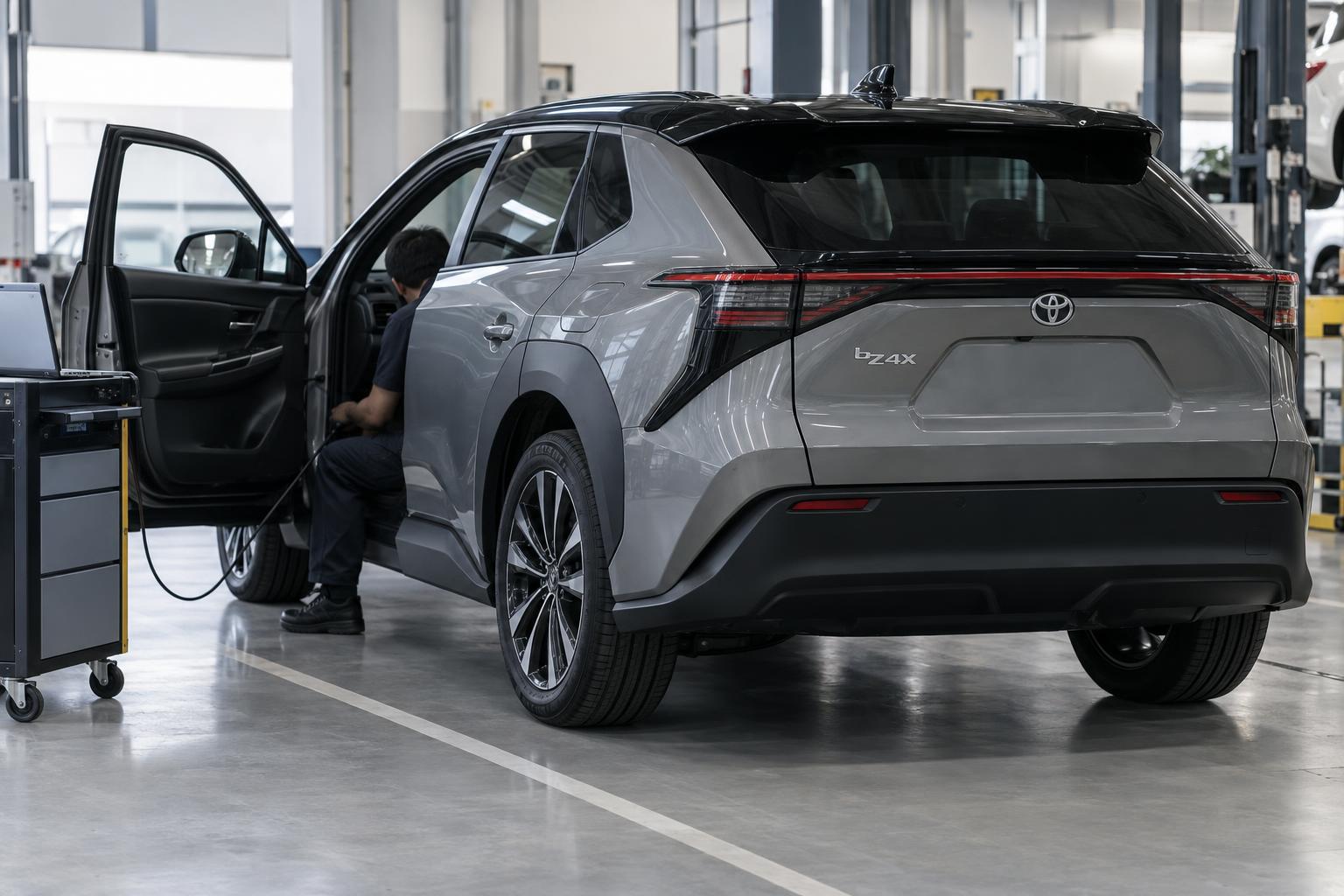
The workshop will verify the vehicle, perform the required software update and carry out any associated checks specified by the manufacturer. Owners should allow enough time for the dealer to complete the process, although the service adviser can confirm expected workshop time when the booking is made.
Before visiting the service centre
- Have the VIN and registration details ready.
- Ask the service adviser whether the campaign is open for your vehicle.
- Confirm the estimated appointment duration and whether a waiting booking is available.
- Tell the adviser if any safety-system warnings are currently displayed.
- Keep the completed recall invoice or service record for future resale documentation.
Owners should not attempt to update vehicle safety-system software themselves or rely on unofficial diagnostic tools. Recall calibration updates may need manufacturer-approved equipment and procedures to ensure the system is correctly installed and recorded.
Key takeaways for Lexus and Toyota owners in the UAE
The important point is that this is a targeted software recall, not a blanket issue affecting every Lexus NX, Toyota Crown or Toyota bZ4X on UAE roads. The combined campaign covers 892 vehicles, and the VIN is the only dependable way to confirm whether a particular car is affected.
- Check your VIN: Model name alone is not enough to confirm eligibility.
- Book with an authorised dealer: The software remedy is free.
- Do not ignore warning messages: Contact the dealer if a pre-collision or camera-system alert appears.
- Keep driving responsibly: Driver-assistance systems support the driver, they do not replace attentive driving.
- Check all open recalls: Ask the dealer to review the vehicle for other outstanding campaigns at the same time.

People Also Ask
How do I know if my Lexus or Toyota has an open recall in the UAE?
Contact an authorised Lexus or Toyota dealer and provide the 17-character VIN. The dealer can check whether the vehicle has any open recall campaigns, including this front-recognition camera software action.
Is the Lexus NX and Toyota camera software recall free?
Yes. Recall repairs and software updates are carried out free of charge for vehicles confirmed as affected by the campaign.
Can I continue driving while waiting for the software update?
Owners should follow the advice provided by the authorised dealer. The issue concerns driver-assistance functions, so drivers should remain alert, maintain safe distances and not rely on the pre-collision system as a replacement for normal driving care.
What does a front-recognition camera do in a car?
A front-recognition camera monitors the road ahead and provides information to selected safety systems. Depending on the vehicle, it can support functions such as forward collision warnings, pre-collision braking assistance and lane-related alerts.
Does a completed recall affect a car's resale value?
A completed recall is generally better for resale than an outstanding one. Keep the dealer invoice or service record showing that the campaign was completed, as this can reassure future buyers that the vehicle has received the manufacturer-approved update.