


UAE fuel prices for October 2026 are reported to have risen by nearly 16 percent, taking pump rates to their highest level in around four years. The increase affects petrol and diesel users across the Emirates, raising the cost of commuting, school runs, deliveries and long-distance travel. Drivers should check the official fuel retailer price boards before filling up, as the brief does not include the final dirham-per-litre rates for each fuel grade.
UAE Fuel Prices Rise by Up to 16 Percent for October 2026
The October adjustment represents a sharp month-on-month increase by UAE standards. While fuel prices in the UAE can move in either direction each month, a rise approaching 16 percent is significant because it is immediately visible in the cost of a full tank.
The impact will vary according to the vehicle, fuel grade and distance driven. Owners of larger SUVs, pickups and high-mileage family cars are likely to notice the increase more quickly than drivers who use compact cars mainly for short urban journeys.
- Petrol costs rise for Super 98, Special 95 and E-Plus 91 users.
- Diesel users, including many commercial fleets, face higher operating costs.
- Long-distance commuters may need to increase their monthly fuel budget.
- Delivery, transport and service businesses may review their running costs.
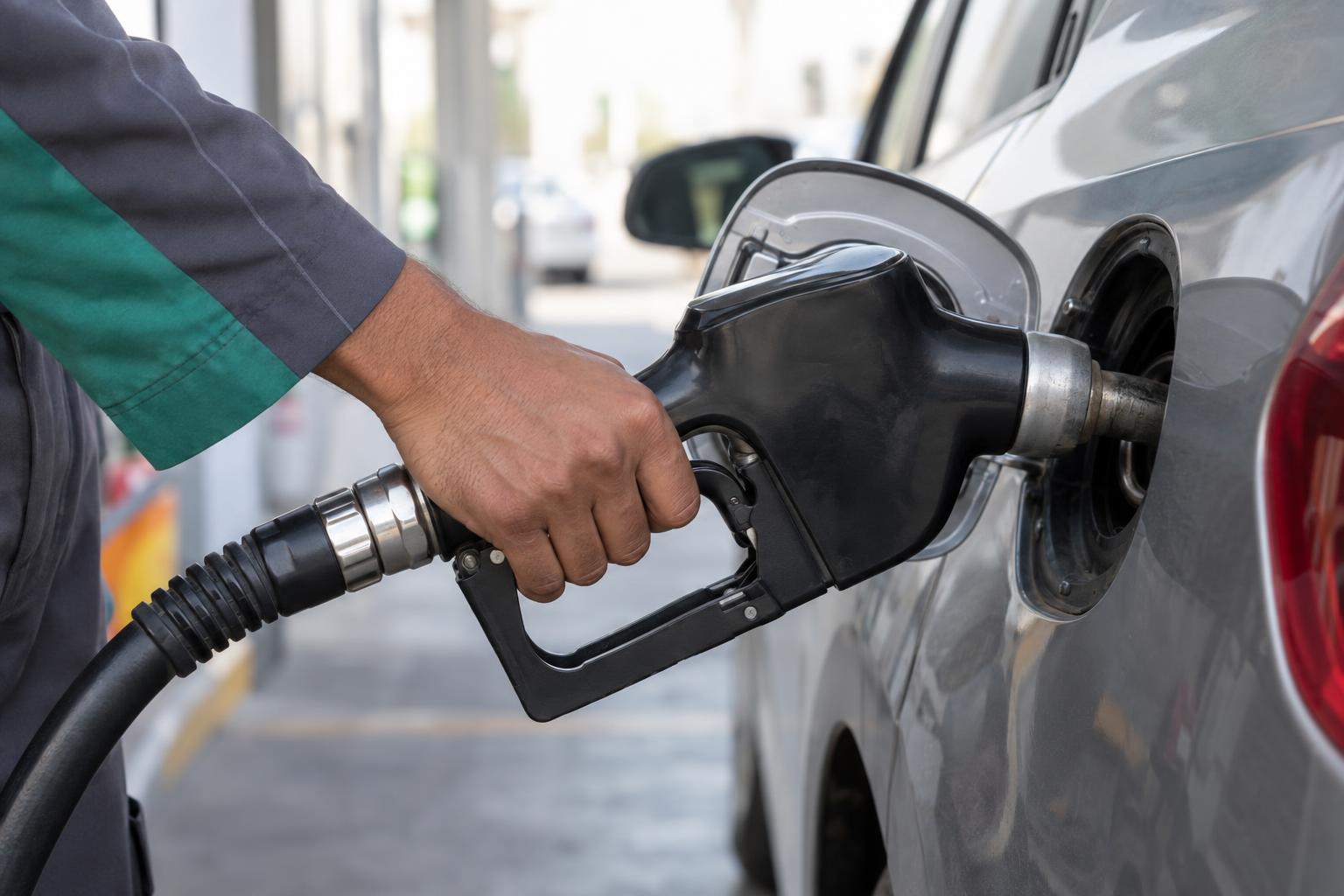
New October 2026 Fuel Prices for Super 98, Special 95, E-Plus 91 and Diesel
The UAE’s monthly price announcement normally lists separate rates per litre for Super 98, Special 95, E-Plus 91 and diesel. These prices are applied at fuel stations across the country from the first day of the month.
Because the supplied brief does not include the official dirham-per-litre figures, drivers should confirm the final October 2026 rates through ADNOC Distribution, ENOC, EPPCO, Emarat or official UAE government channels. Station forecourt displays will reflect the new rates when they take effect.
Which fuel grade should you use?
Use the grade recommended in your vehicle owner’s manual or on the fuel-filler label. Choosing a higher-octane fuel than required will usually add cost without producing a meaningful benefit in an ordinary road car, while using a lower grade than specified can cause poor performance or engine knock in some vehicles.
- Super 98: Typically recommended for vehicles requiring premium unleaded petrol.
- Special 95: A common choice for many modern petrol-powered cars in the UAE.
- E-Plus 91: Usually suitable only where the manufacturer specifically permits it.
- Diesel: Used by diesel passenger vehicles, pickups, vans, buses and commercial fleets.
Why Did UAE Fuel Prices Increase This Much?
UAE retail fuel prices are linked to international oil-market conditions rather than being fixed at one permanent domestic rate. Changes in crude oil prices, refined fuel prices, supply concerns, global demand, production decisions and currency movements can all influence the monthly amount paid at the pump.
A large increase can occur when international benchmark prices rise during the period used to calculate the next month’s local rates. The final retail figure also reflects the cost of refined products, not simply the headline price of crude oil.
Global oil prices are only part of the picture
Petrol and diesel are refined products, so their prices can move differently from crude. Refinery capacity, shipping costs, seasonal demand and regional supply disruptions may affect petrol and diesel markets even when crude oil prices appear relatively stable.
This is why diesel can occasionally increase by a different percentage from petrol, and why the gap between fuel grades may change from one month to another.
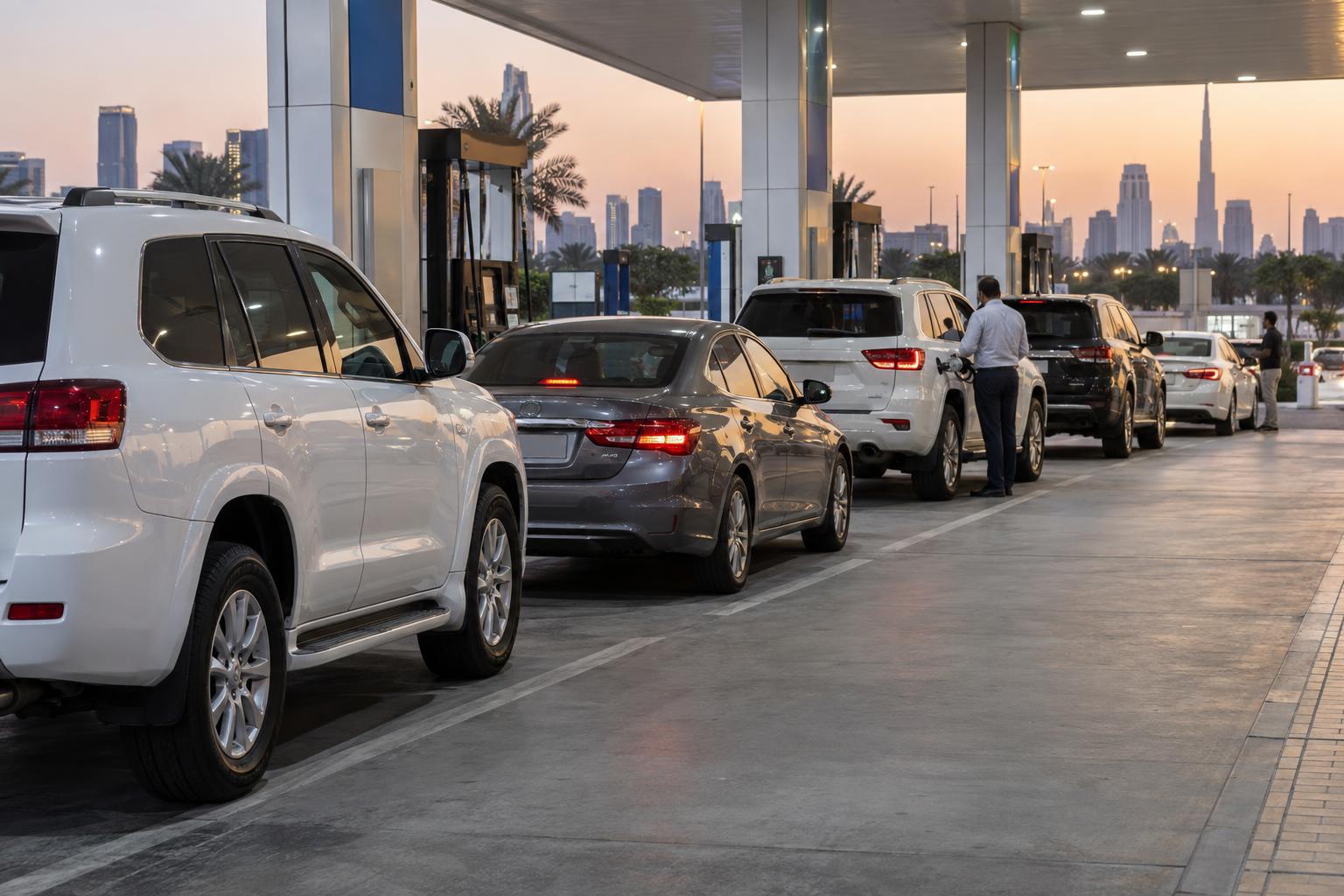
How Does This Hike Compare to Previous Months?
A near-16 percent monthly move is much larger than the modest adjustments motorists commonly see from one month to the next. It brings fuel costs back into focus for households and businesses that had become used to smaller fluctuations.
The four-year-high reference is particularly relevant for drivers who own larger vehicles. A full tank in a V6 or V8 SUV can cost substantially more than in a small hatchback, even when both vehicles use the same fuel grade.
Calculate the real effect on your fuel budget
The easiest way to estimate the difference is to multiply your tank capacity by the increase per litre. For example, if a 65-litre tank costs AED 0.30 more per litre to fill, a completely empty-to-full fill costs around AED 19.50 more.
In real use, most drivers do not fill from empty. A more useful monthly calculation is to multiply the price increase per litre by the number of litres your car typically uses each month.
- Check your recent fuel receipts or app history.
- Add the total litres purchased in a typical month.
- Multiply that figure by the per-litre price increase.
- Use the result to update your household or business transport budget.
Motorists Rush to Fill Up Before the October 1 Deadline
When a sizeable increase is announced before the end of a month, some motorists choose to refuel before midnight on the final day at the outgoing price. This can make practical sense if the vehicle genuinely needs fuel and the driver would otherwise fill up early in October.
However, it is rarely worth making a special long trip, sitting in a lengthy queue or carrying out unsafe fuel-storage practices to save a relatively limited amount. The potential saving depends on tank size and how empty the tank is before the new rate starts.
Is filling up before a price change worth it?
For a car with a large tank, filling up before a major increase can save a noticeable amount on one visit. For a small car that is already nearly full, the saving will be limited. Drivers should also remember that extra weight from carrying a full tank has a small effect on fuel consumption.
Never store petrol or diesel in unsuitable containers, and do not overfill the tank. Use normal refuelling procedures and follow station staff instructions.
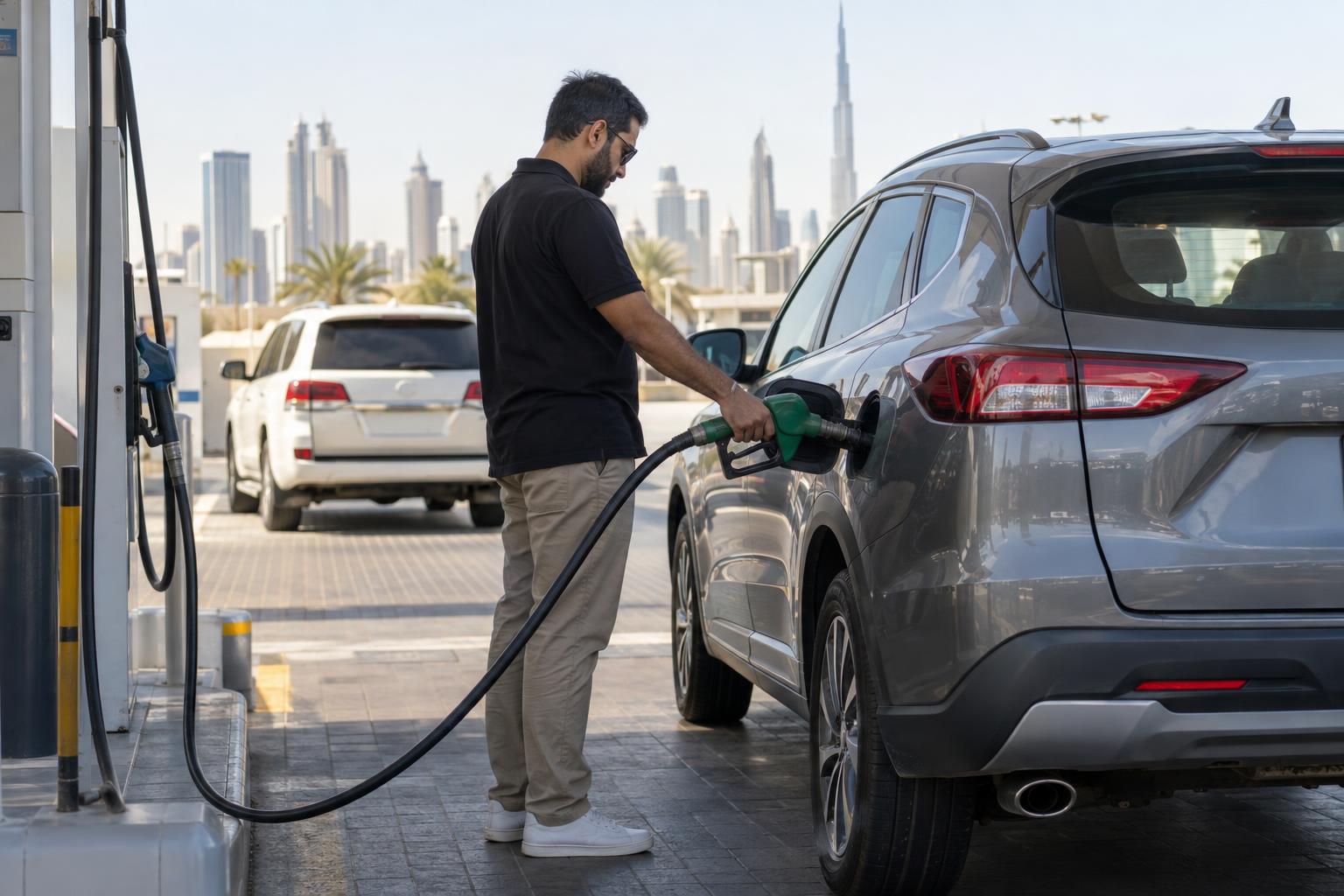
What the Price Hike Means for UAE Drivers and Households
For many households, the main effect will be a higher monthly transport bill rather than a single dramatic expense. The increase can be more pronounced for families with multiple cars, residents commuting between emirates, and drivers whose work requires frequent travel.
Commercial users may face wider cost pressure. Businesses operating delivery vans, staff transport, taxis, service vehicles or diesel-powered equipment may need to account for higher fuel spending when planning jobs and pricing services.
Practical ways to reduce fuel use
Fuel prices cannot be controlled by individual drivers, but consumption can often be reduced without making daily travel difficult. Small changes are most useful when applied consistently over several weeks.
- Keep tyres inflated to the vehicle manufacturer’s recommended pressure.
- Remove unnecessary heavy items from the boot or cargo area.
- Avoid harsh acceleration and late braking where traffic conditions allow.
- Combine errands and reduce unnecessary trips.
- Use cruise control sensibly on open roads when conditions are suitable.
- Maintain the engine, air filter and spark plugs according to the service schedule.
- Consider carpooling, public transport or remote-work arrangements where practical.
Air conditioning is essential for much of the year in the UAE, so drivers should not compromise comfort or safety to chase small fuel savings. Instead, focus on maintenance, smooth driving and avoiding unnecessary idling.
How Are UAE Fuel Prices Set Each Month?
The UAE has used a monthly fuel-price system since 2015. Prices are generally announced near the end of each month and apply from the first day of the following month at participating fuel stations across the country.
The system is designed to align domestic retail prices more closely with international market movements. As a result, motorists can see increases, decreases or no change depending on prevailing global fuel-market conditions.
When are new UAE fuel prices announced?
New rates are typically confirmed in the final days of the month. Drivers can monitor official announcements from UAE fuel retailers and recognised local news sources, rather than relying on unverified social-media posts or old price graphics.
For budgeting purposes, it is sensible to expect monthly movement rather than assume that the current rate will remain in place. Keeping a simple record of fuel spending can also help owners compare the running costs of different vehicles over time.
People Also Ask
When do new UAE fuel prices take effect?
New UAE fuel prices normally take effect at 12:01am on the first day of each month. Fuel stations update their systems and displays to reflect the new rate.
Are fuel prices the same in Dubai, Abu Dhabi and the other emirates?
Monthly retail rates for the same fuel grade are generally standardised across the UAE. The final amount paid can still differ if a station offers optional products or services.
Can I use E-Plus 91 instead of Special 95 to save money?
Only use E-Plus 91 if your vehicle manufacturer allows it. Using a lower octane rating than recommended may affect performance and can cause engine knock in vehicles designed for higher-octane fuel.
Why does diesel sometimes cost more than petrol in the UAE?
Diesel and petrol are influenced by different refined-product market conditions. Demand, refinery supply, shipping costs and seasonal factors can cause diesel to move differently from petrol.
How can I find the official UAE fuel price for the month?
Check official communications from ADNOC Distribution, ENOC, EPPCO, Emarat or other recognised UAE fuel retailers. The updated price is also displayed at fuel stations once the new monthly rate begins.


