

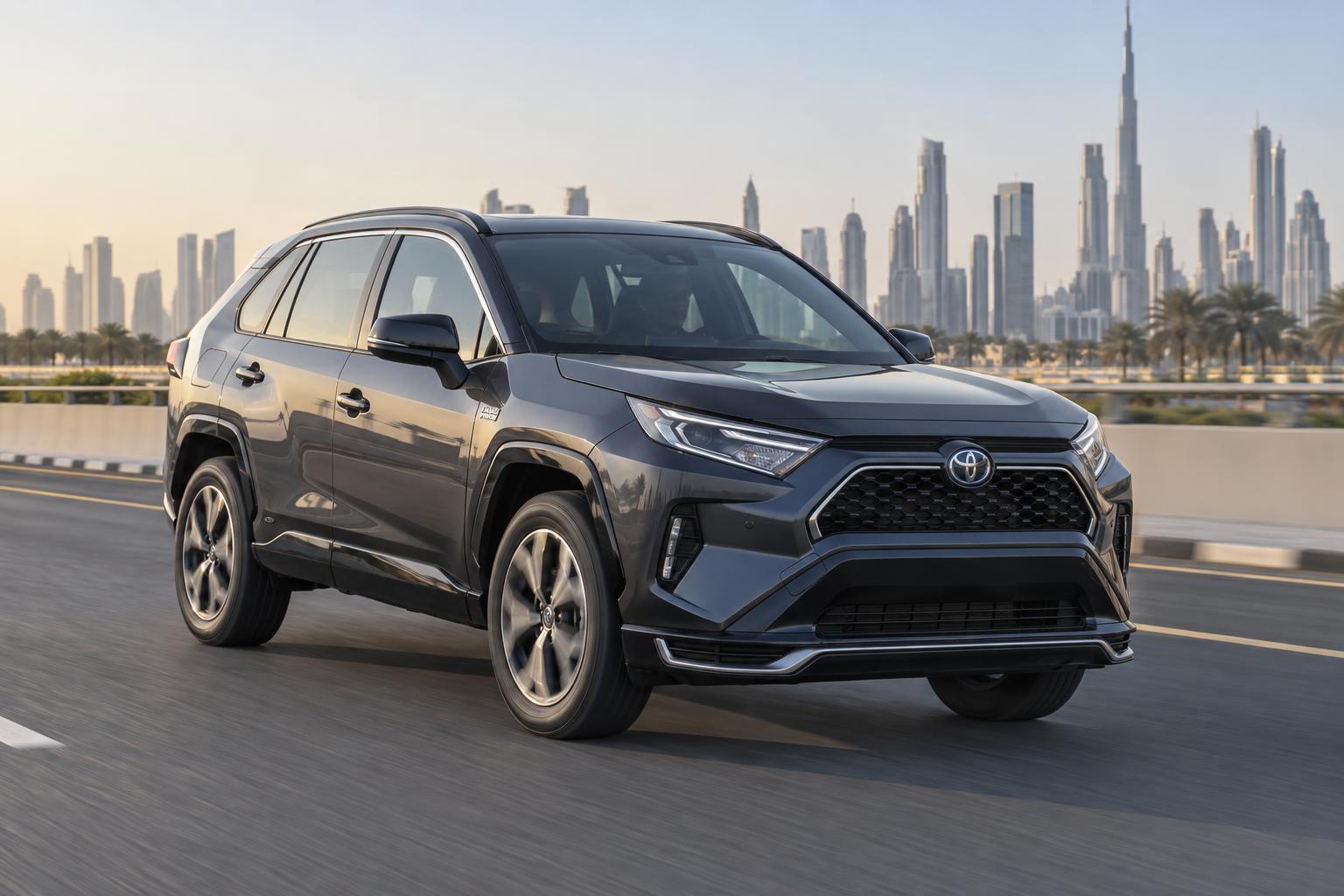
Toyota is set to introduce the RAV4 Plug-in Hybrid to the Middle East for the first time on October 5, 2026, giving regional buyers a new option between a conventional hybrid and a fully electric SUV. The RAV4 PHEV combines battery-only driving for shorter daily trips with a petrol engine for longer journeys, an approach that can suit GCC owners who want lower fuel use without depending entirely on public charging.
The initial regional confirmation comes from Iraq, where Toyota distributor SAS has announced availability and local pricing details. Wider availability in markets such as the UAE and Saudi Arabia has not been confirmed in the same way, but the launch is significant because it marks Toyota's first plug-in hybrid model for the Middle East.
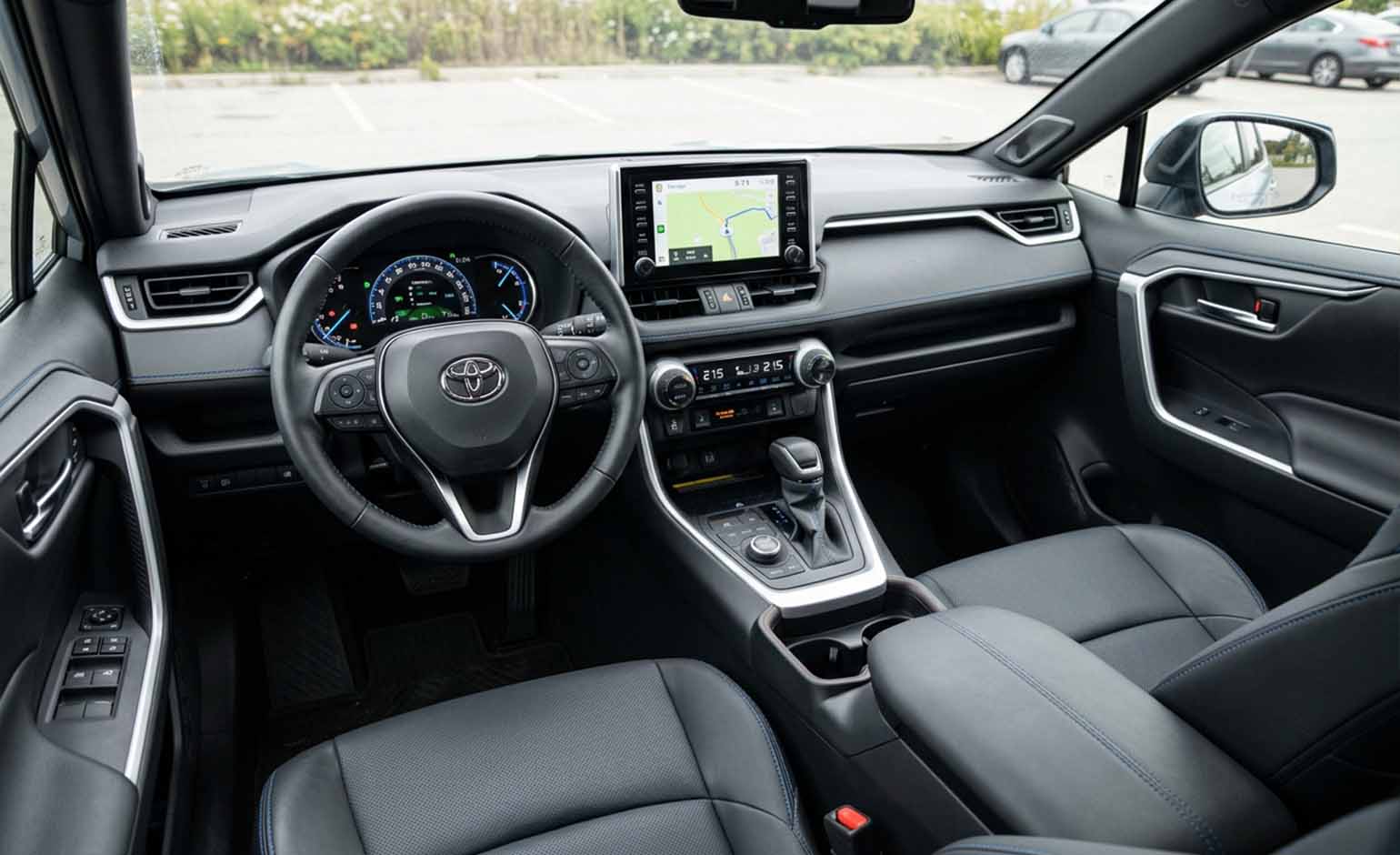
Toyota announces the RAV4 Plug-in Hybrid's Middle East debut on October 5, 2026
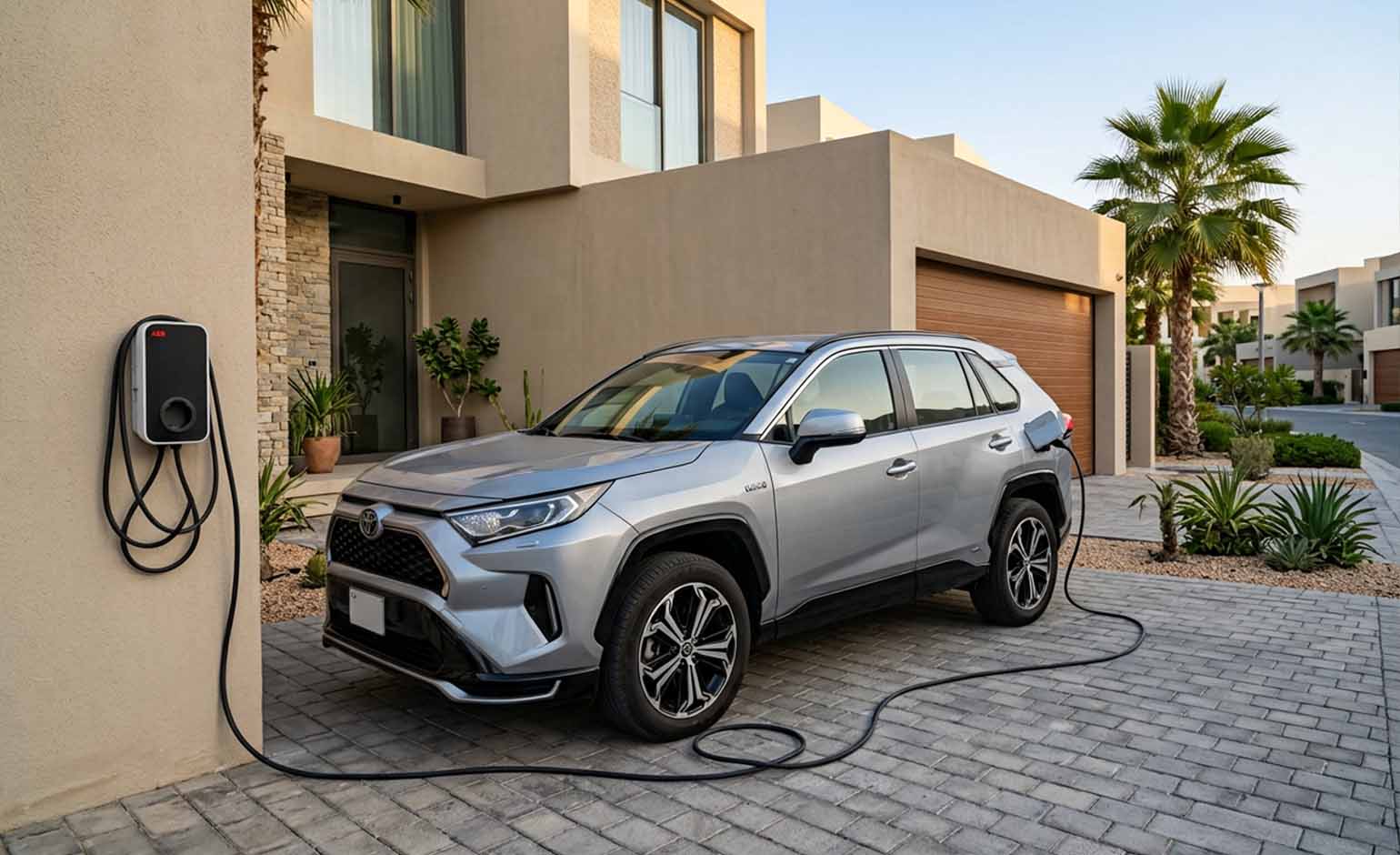
The RAV4 Plug-in Hybrid, also known in some markets as the RAV4 Prime, expands Toyota's electrified SUV range beyond the familiar self-charging hybrid. Unlike the standard RAV4 Hybrid, it has a larger battery that can be charged from an external power source, including a home wall box, public charger or suitable household socket.
For many Middle East households, that creates a useful middle ground. Drivers can use electric power for commuting, school runs and local errands, while retaining a petrol engine for inter-emirate travel, long Saudi highway journeys or trips where charging is not convenient.
Item | RAV4 Plug-in Hybrid overview |
|---|---|
Regional debut | October 5, 2026 |
Powertrain type | Plug-in hybrid petrol-electric system |
External charging | Yes, the traction battery can be charged from an external electricity supply |
Petrol engine | Used alongside the electric system and as a backup for longer journeys |
Confirmed initial market | Iraq, through SAS |
Why this launch matters: Toyota's first regional PHEV model
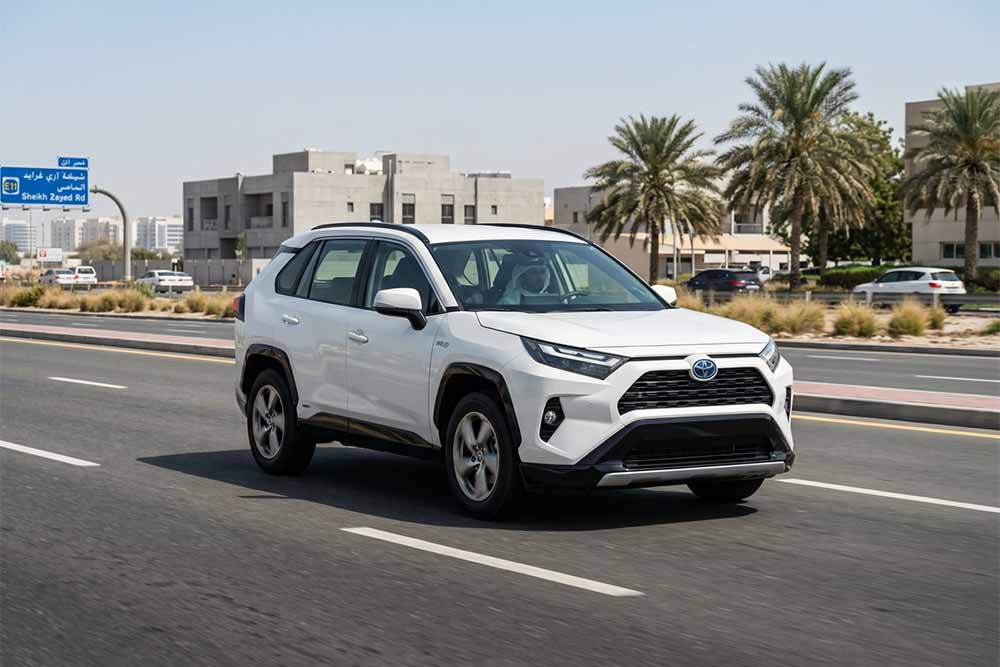
Toyota has long been one of the best-known hybrid brands in the GCC, with models such as the Camry Hybrid, Corolla Cross Hybrid and RAV4 Hybrid already familiar to buyers. A plug-in hybrid is different because it gives owners the opportunity to start many trips using stored electricity rather than relying on the petrol engine from the moment they leave home.
This matters in a region where charging infrastructure is improving but remains uneven outside major cities and main road networks. A pure EV may be ideal for some drivers, but a PHEV can be easier to live with for people who need the flexibility to cover long distances without planning a charging stop.
Lower fuel use on short trips: Regular charging can reduce petrol consumption substantially for local driving.
No range anxiety on longer journeys: The petrol engine remains available once the battery charge is low.
Useful for multi-car households: It can work as an everyday family SUV while reducing fuel use on predictable commutes.
A familiar ownership proposition: Buyers get Toyota's established hybrid experience with the added ability to plug in.
The biggest benefit depends on charging habits. A RAV4 PHEV that is charged most days can make good use of its electric capability. One that is rarely plugged in will still operate as a hybrid, but it will carry the additional weight and cost of a larger battery with fewer of the intended savings.
How far can the RAV4 PHEV drive on electric power alone?
Official Middle East range and efficiency figures should be checked against the final local specification, as certification methods, equipment and climate conditions can affect the published number. In other markets, the RAV4 Plug-in Hybrid is generally quoted with an electric-only range of roughly 60 to 75 km under WLTP-style testing, depending on the version and market.
Real-world results in the GCC can differ, particularly during summer. High ambient temperatures, strong air-conditioning use, motorway speeds, tyre pressure and heavy loads all increase energy consumption. A realistic owner should view the official figure as a useful benchmark rather than a distance guaranteed every day.
What affects electric range in Gulf conditions?
Electric range is usually strongest in moderate temperatures and urban driving, where regenerative braking can recover some energy. It will generally fall during fast highway driving and when the cabin has been sitting in extreme heat, because the air-conditioning system must work harder to cool it.
Outside temperature and the length of time the vehicle has been parked in the sun
Air-conditioning settings and cabin pre-cooling use
Highway speed, acceleration and driving style
Passenger and luggage load
Wheel size, tyre type and tyre pressures
Battery condition and the amount of charge available at departure
Owners with home charging can make the most of the system by plugging in overnight. If the vehicle supports scheduled charging or cabin pre-conditioning in its local specification, setting this while the car is connected can help preserve battery energy for the drive itself.
Iraq confirms pricing and availability through distributor SAS
Iraq is the first Middle East market named for the RAV4 Plug-in Hybrid's launch, with SAS confirming that the model will be offered locally. Buyers should obtain the final on-road price, trim-level equipment, warranty terms and delivery timing directly from the distributor, as these can vary by city, model year and stock allocation.
Pricing is particularly important for a plug-in hybrid because the purchase premium needs to be considered alongside likely fuel savings. The strongest financial case will usually be for owners who have reliable access to charging at home or work and who cover a meaningful number of short daily kilometres.
Buying point | What Iraqi buyers should confirm with SAS |
|---|---|
Vehicle price | Final retail price, registration-related charges and any available finance offers |
Trim and equipment | Safety systems, infotainment, wheel size, climate features and charging cable supplied |
Warranty | Vehicle, hybrid-system and high-voltage battery warranty coverage |
Charging support | Compatible connector type, charging guidance and recommended home-charging solutions |
Service support | Scheduled maintenance requirements and availability of trained PHEV technicians |
What about the UAE and Saudi Arabia?
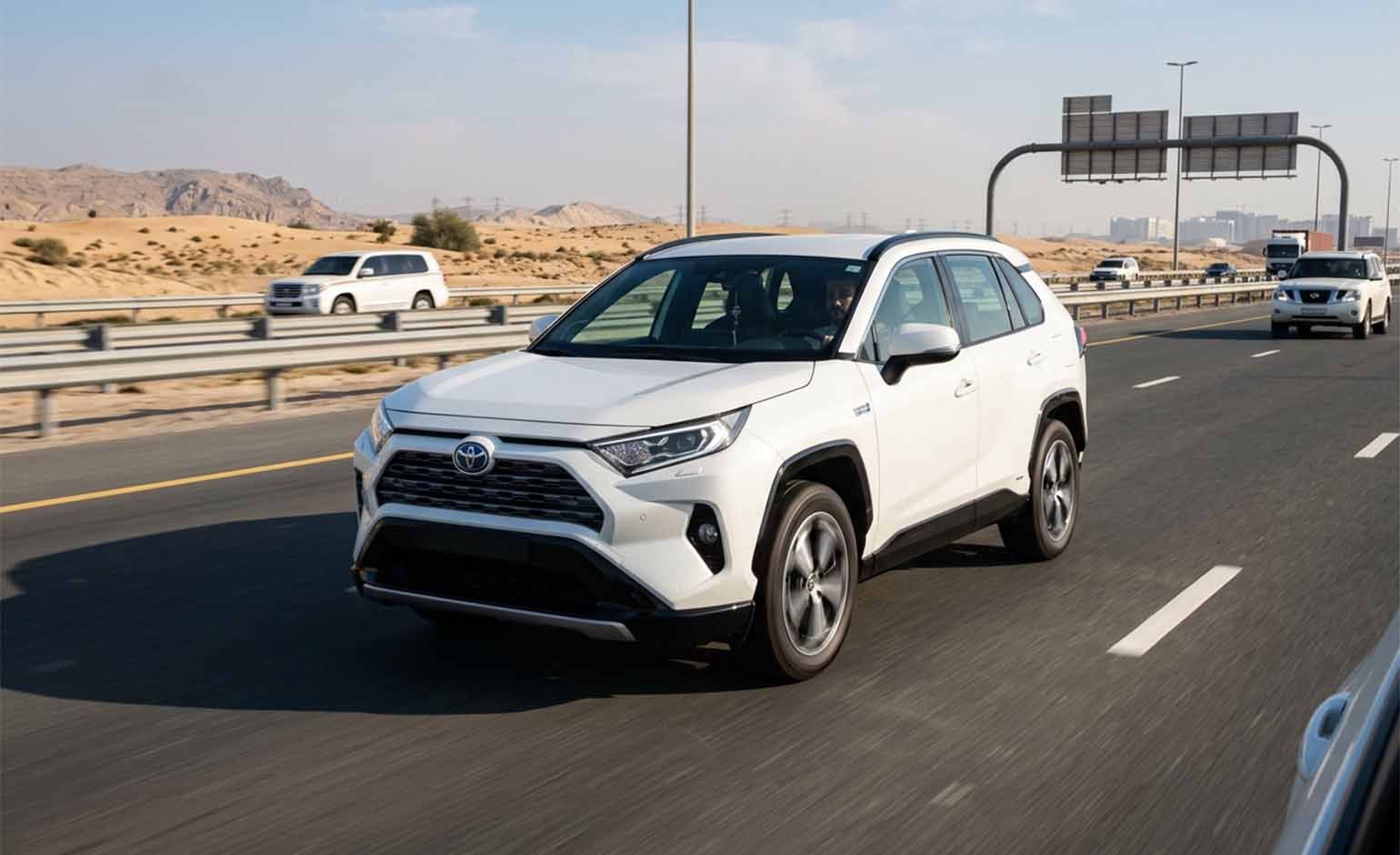
At the time of the regional announcement, Iraq has the clearest confirmation through SAS. Toyota has not provided the same market-specific launch, pricing or delivery information for the UAE and Saudi Arabia in the details available for this debut.
That does not automatically rule out a later launch in either country. The UAE and Saudi Arabia are important markets for electrified vehicles, and both have growing public and private charging networks. However, buyers should avoid relying on international model listings or unofficial importer claims until the relevant Toyota distributor confirms the local specification, warranty and availability.
Anyone interested in the RAV4 PHEV should ask their local Toyota dealer about three practical points:
Whether a GCC-specification vehicle is planned and when orders may open.
Whether the high-voltage battery warranty applies locally and transfers between GCC markets.
Which charging connector and cable configuration will be supplied with the regional model.
How the PHEV differs from the RAV4 Hybrid launched in the UAE earlier in 2026
The RAV4 Hybrid launched in the UAE earlier in 2026 uses Toyota's conventional hybrid system. It has a petrol engine, electric motor and small battery, but owners do not plug it in. The battery is charged automatically through the engine and regenerative braking, making it straightforward for drivers without access to home or workplace charging.
The plug-in hybrid adds a substantially larger battery and external charging capability. It can travel a meaningful distance in EV mode before operating more like a conventional hybrid, but it also asks more from the owner. To achieve its best efficiency, it needs regular charging.
RAV4 Hybrid vs RAV4 Plug-in Hybrid
Area | RAV4 Hybrid | RAV4 Plug-in Hybrid |
|---|---|---|
External charging | Not required or available | Required to maximise electric driving benefits |
Battery size | Smaller hybrid battery | Larger traction battery |
Electric-only driving | Limited, mainly at low speeds and for short periods | Designed to cover daily local journeys in EV mode when charged |
Best suited to | Drivers who want improved fuel economy with no charging routine | Drivers with convenient charging and regular short-to-medium daily trips |
Long-distance flexibility | Petrol-hybrid operation throughout the journey | Electric driving first, then petrol-hybrid operation when needed |
Neither system is automatically the better choice for every buyer. The standard hybrid can be the more sensible option for drivers living in apartments without charging, those who spend most of their time on long motorway journeys, or buyers who simply do not want to think about plugging in. The PHEV makes more sense when charging is easy and frequent.
Key takeaways for Middle East buyers
The RAV4 Plug-in Hybrid is an important regional step for Toyota because it offers an electrified SUV that does not require a full move to battery-electric ownership. Its appeal will be strongest for buyers whose daily routine fits within its electric range and who can charge at home, at work or in a dependable nearby location.
Middle East debut: Toyota has announced the RAV4 Plug-in Hybrid for October 5, 2026.
Initial confirmed market: Iraq, through distributor SAS.
Core advantage: It can run on electricity for many everyday trips, then use petrol power for longer distances.
Expected EV range: Around 60 to 75 km in overseas WLTP-style figures, with real GCC results affected by heat and driving conditions.
UAE and Saudi status: Buyers should wait for official local distributor confirmation on availability, price and specification.
Most important ownership factor: Regular charging is what separates a good PHEV experience from an expensive hybrid experience.
Before placing an order, compare the vehicle's price with the standard RAV4 Hybrid, calculate how often it can realistically be charged, and confirm the local warranty. Those details will matter more in daily ownership than the headline electric range alone.
People Also Ask
Is the Toyota RAV4 Plug-in Hybrid coming to the Middle East?
Yes. Toyota has announced its Middle East debut for October 5, 2026, with Iraq confirmed as the first named market through SAS.
How far can the RAV4 Plug-in Hybrid travel on electricity?
International WLTP-style figures for the RAV4 Plug-in Hybrid are generally around 60 to 75 km, depending on specification. Actual range in the GCC can be lower in hot weather, at high motorway speeds or with heavy air-conditioning use.
Does the RAV4 Plug-in Hybrid need to be charged?
It can still operate after its plug-in battery charge is depleted because it has a petrol engine and hybrid system. However, regular external charging is necessary to get the main fuel-saving and electric-driving benefits of a PHEV.
What is the difference between the RAV4 Hybrid and RAV4 Plug-in Hybrid?
The regular RAV4 Hybrid charges its small battery automatically and cannot be plugged in. The plug-in hybrid has a larger battery, can be charged externally and can cover longer local trips using electric power alone.
Has Toyota confirmed RAV4 Plug-in Hybrid pricing in the UAE or Saudi Arabia?
No market-specific pricing or availability confirmation for the UAE or Saudi Arabia has been announced in the available launch details. Buyers should check with their local Toyota distributor for official information.


