

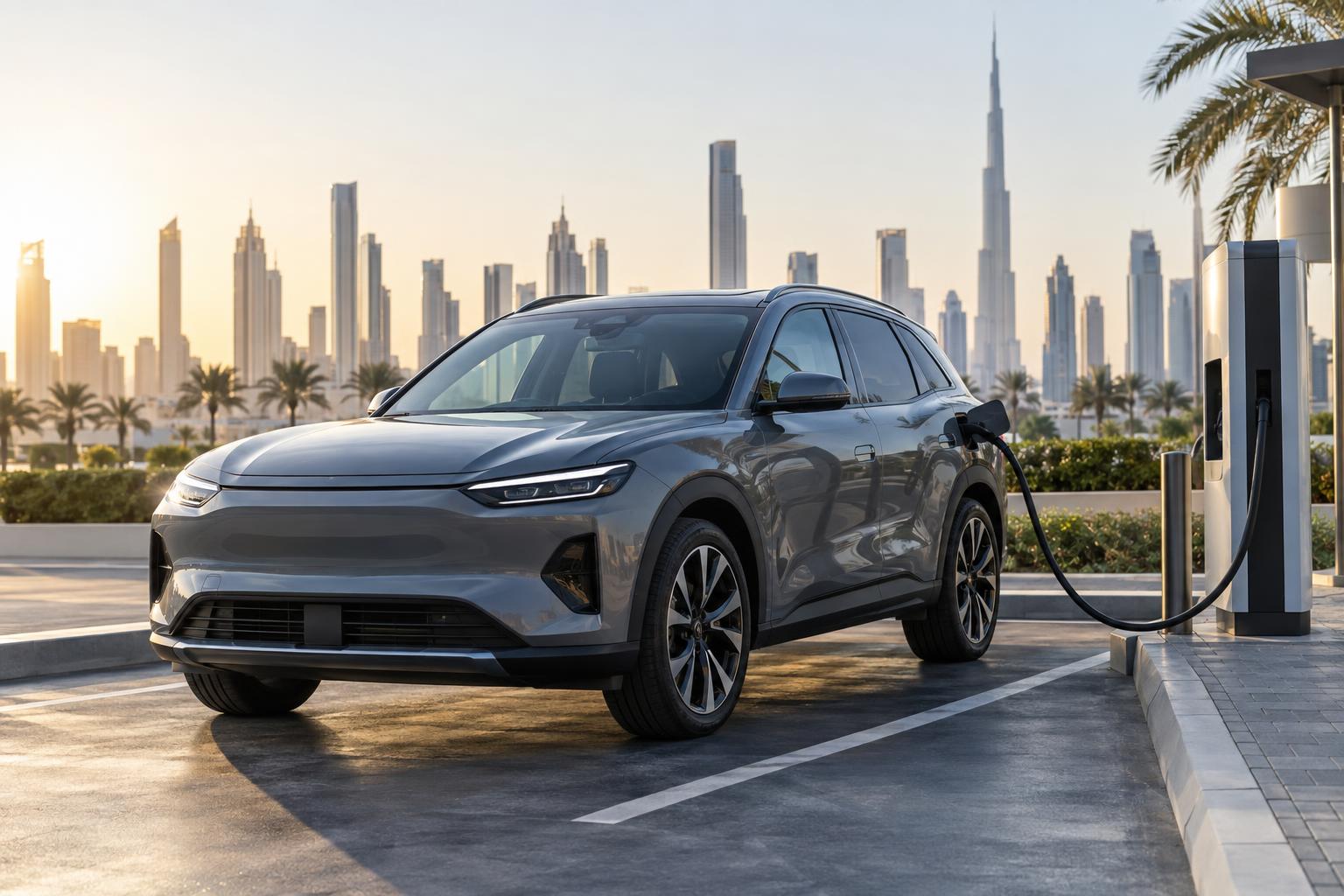
The UAE has been named the GCC’s leading electric mobility market in Arthur D. Little’s Global Electric Mobility Readiness Index, reflecting the country’s fast-growing charging network, supportive policy environment and increasing availability of electric vehicles. While EV adoption is still developing across the Gulf, the UAE is currently setting the regional pace for infrastructure, consumer readiness and the wider automotive ecosystem.
The result matters to car buyers as well as the industry. A stronger EV market usually means more model choices, easier charging access, better after-sales support and a clearer outlook for resale values over time.
UAE Named GCC's Top Market in New Global EV Readiness Index
The UAE ranked ahead of other GCC markets in the latest global assessment of electric mobility readiness. The index looks beyond simple EV sales figures, measuring whether a country has the conditions needed for electric vehicles to become a practical mainstream option.
For the UAE, that includes public and private charging investment, government initiatives, strong consumer purchasing power and an automotive market that is increasingly bringing in electric models from established and emerging brands.
- Charging infrastructure is expanding across Dubai, Abu Dhabi and other emirates.
- Policy support has encouraged investment in clean transport and lower-emission mobility.
- Model availability is improving, from compact city EVs to premium SUVs and performance cars.
- Fleet electrification is gaining momentum among delivery, corporate and government operators.
- Consumer awareness is rising as more drivers see EVs on UAE roads.
The UAE’s leadership in the GCC does not mean every motorist is ready to switch immediately. Home charging access, driving patterns, vehicle price and confidence in long-distance travel remain important considerations. However, the market is more prepared than most of its regional neighbours.
What Is the Arthur D. Little Global Electric Mobility Readiness Index?
The Arthur D. Little Global Electric Mobility Readiness Index is an international benchmark that evaluates how prepared countries are for the shift towards electric transport. It considers the wider EV environment rather than relying on one measurement, such as the number of electric cars sold in a year.
Its assessment typically covers factors including EV demand, charging availability, regulation, incentives, energy readiness and the ability of manufacturers, dealers and service providers to support electric mobility. This makes the index useful for understanding whether EV growth is likely to be sustainable.
Why charging access carries so much weight
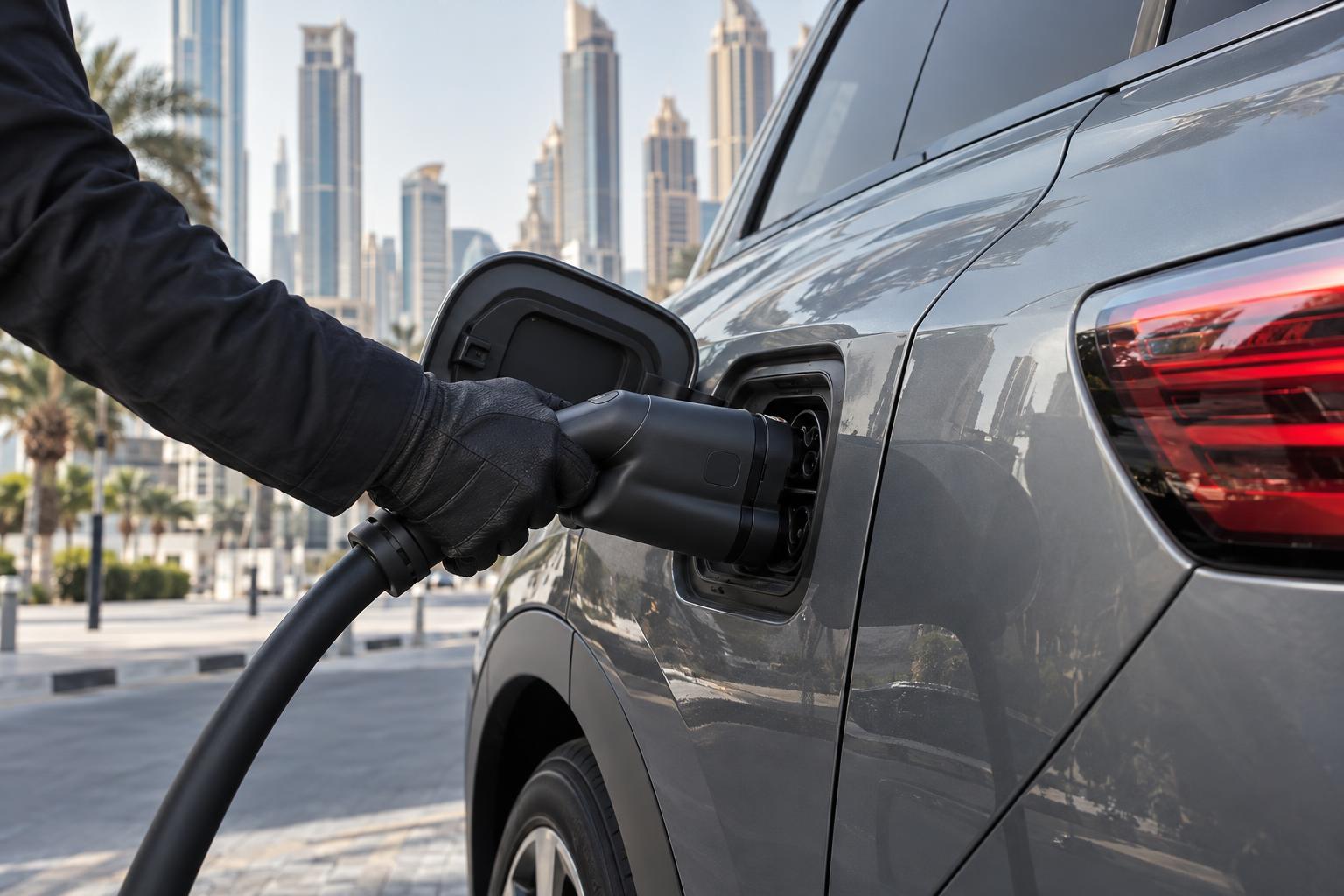
For most buyers, charging is the practical issue that determines whether an EV suits their lifestyle. Drivers who can charge at home or at work often find electric ownership straightforward, particularly for regular commuting. Drivers living in apartment buildings or travelling frequently between emirates need dependable public charging options.
The UAE has invested heavily in this area, with networks installed by government-linked entities, utilities, fuel retailers, property developers and private operators. The next challenge is ensuring chargers are easy to find, reliable, compatible and available when drivers need them.
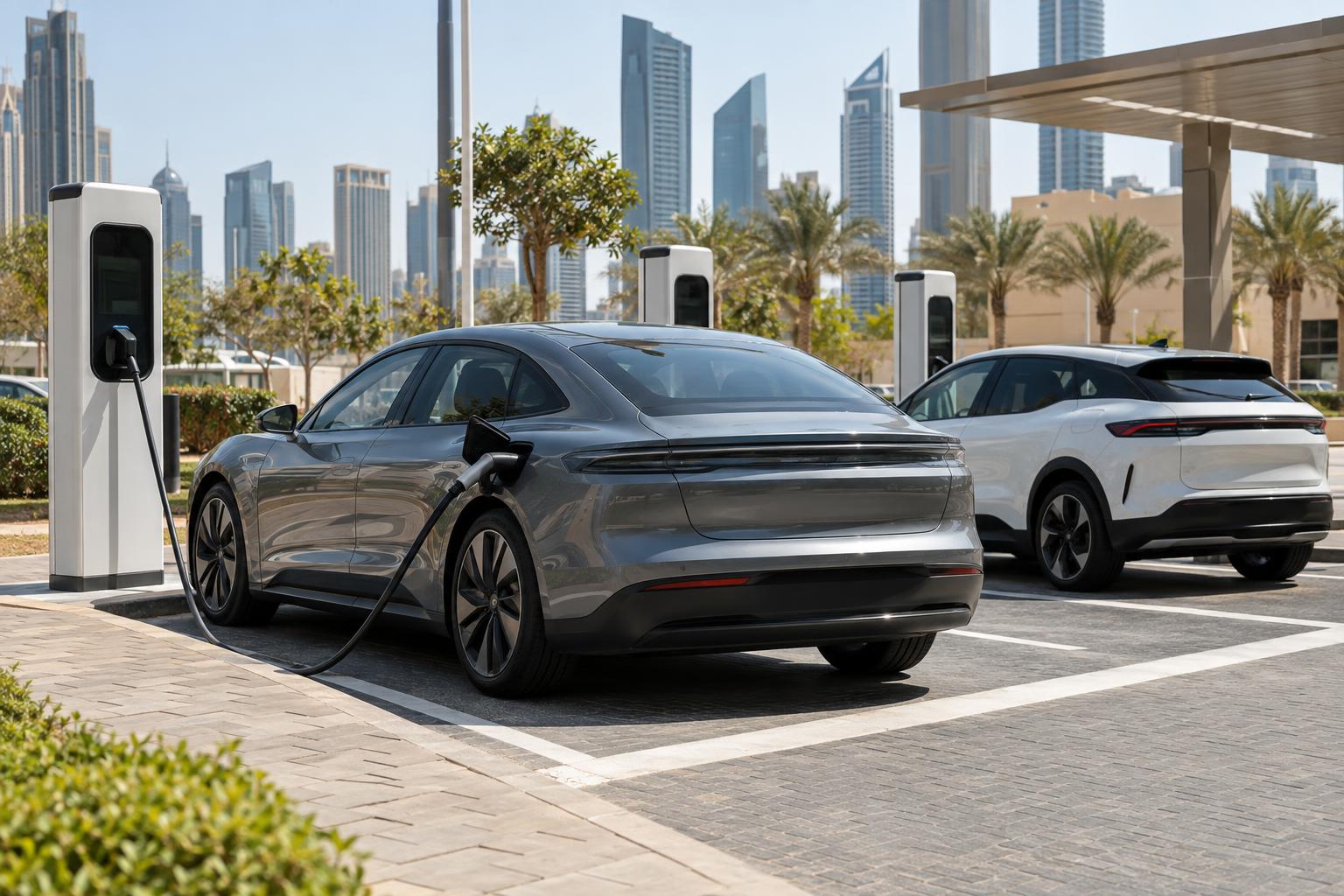
UAE's Ranking and Key EV Market Figures
The UAE’s position is supported by its advanced transport infrastructure and its ability to move quickly from pilot projects to commercial-scale deployment. Dubai and Abu Dhabi have both made electric mobility part of broader plans around sustainability, smart cities and reduced transport emissions.
The market is also broadening. Early EV demand in the UAE was concentrated in premium vehicles, but buyers can now choose from more accessible Chinese, Korean, European and American models. Electric SUVs are especially relevant because they match the body styles favoured by many GCC buyers.
| EV market factor | UAE position | What it means for drivers |
|---|---|---|
| Public charging network | Expanding across key cities, highways and destination locations | Improves practicality for commuting and inter-emirate journeys |
| Government direction | Strong focus on sustainable mobility and lower-emission transport | Creates greater confidence for long-term EV investment |
| Vehicle choice | Growing range of EVs across price points and segments | Buyers can compare more options beyond premium models |
| Dealer and service support | Improving as more brands establish official EV operations | Helps with warranty coverage, repairs and parts availability |
| Fleet adoption | Increasing interest from businesses and public-sector operators | Can support wider charging investment and used-EV supply |
It is worth separating readiness from market size. The UAE may have a more mature EV environment than its GCC peers, but it remains a relatively small market compared with major global EV countries. Growth will depend on continued infrastructure investment, competitive vehicle pricing and confidence in ownership costs.
How Does Saudi Arabia's EV Market Compare?
Saudi Arabia is building an EV market on a much larger long-term scale. Its Vision 2030 strategy includes major investment in new cities, renewable energy, domestic vehicle manufacturing and advanced transport projects, all of which can support future electric mobility.
However, the Saudi market is at a different stage of development. The kingdom has enormous potential because of its population, geography and purchasing power, but nationwide charging coverage and mass-market consumer adoption are still developing. This means Saudi Arabia can be a formidable EV market in the future even if the UAE currently ranks ahead on readiness.
Different strengths, different stages
The UAE’s advantage is its more immediately usable EV environment, especially in major urban areas. Shorter distances between cities, concentrated population centres and a mature premium-car market can make the rollout of charging and EV services more straightforward.
Saudi Arabia’s opportunity is scale. As charging networks grow and local manufacturing plans progress, its EV market could expand rapidly. Large projects and new urban developments may allow charging infrastructure to be incorporated from the start rather than added later.
UAE vs Saudi Arabia EV Market Snapshot
Both countries are important to the GCC’s electric mobility future, but their current market profiles are different. The UAE is more advanced in day-to-day EV readiness, while Saudi Arabia has greater scope for future volume and industrial development.
- UAE: More established public charging presence, stronger current readiness and a wider immediate EV retail proposition.
- Saudi Arabia: Larger long-term market potential, major investment ambitions and a growing focus on local EV production.
- For buyers: UAE residents are generally more likely to find an EV practical today, especially if they have home or workplace charging.
- For brands: The UAE is a useful early-adoption market, while Saudi Arabia is central to future scale in the region.
For both markets, the quality of the ownership experience will matter as much as headline announcements. Fast chargers that are out of service, unclear pricing, limited apartment charging and long waits for replacement parts can discourage buyers even where the policy direction is positive.
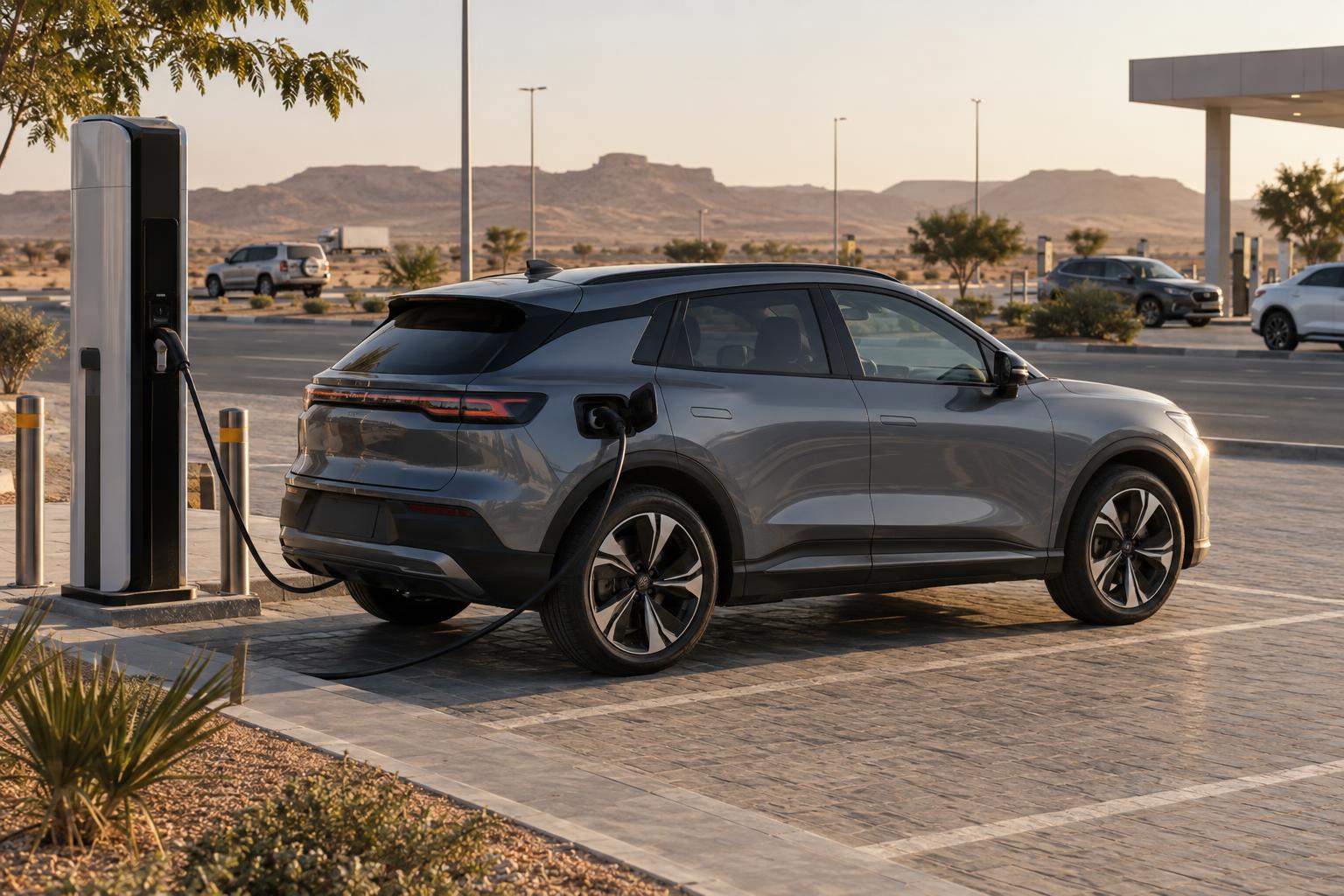
What This Ranking Means for the UAE's Automotive Market
The UAE’s regional position should encourage more manufacturers to prioritise local EV launches, dealer investment and technical training. That could give buyers earlier access to new models and improve competition between brands in a market where electric SUVs, luxury saloons and family crossovers are increasingly popular.
It also raises the importance of the used-EV market. As early electric vehicles complete lease cycles and change hands, buyers will need clearer information about battery condition, remaining warranty, charging history and the availability of software support. A healthy used market is essential if EVs are to move beyond early adopters.
What prospective EV owners should check
An EV can be an excellent fit in the UAE, but it is important to assess your own charging and driving routine before buying. Do not choose a vehicle based only on its claimed range or a public charging map.
- Confirm whether you can install or access reliable charging at home or work.
- Check the vehicle’s real-world range in hot weather and at motorway speeds.
- Review the charging connector type, maximum AC charging rate and DC fast-charging capability.
- Ask about battery warranty terms, service intervals and the local availability of repair parts.
- Calculate insurance, registration, electricity and finance costs alongside the purchase price.
- For a used EV, request a battery health report and verify that all charging equipment is included.
Heat is a particular consideration in the GCC. Modern EVs use battery thermal-management systems, but high ambient temperatures and air-conditioning use can affect range. Parking in shade, pre-cooling the cabin while plugged in and using scheduled charging can help reduce the impact.
Key Takeaways
The UAE’s top GCC position in the Global Electric Mobility Readiness Index reflects genuine progress, not just future ambitions. Charging infrastructure, policy support and an expanding choice of vehicles have made the country the region’s most prepared market for electric mobility today.
Saudi Arabia remains a major force to watch because its market scale and investment plans could reshape the GCC EV landscape over the coming years. For UAE buyers, the practical message is simpler: electric ownership is becoming easier, but the best choice still depends on where you charge, how far you drive and which brand can support the vehicle properly after purchase.
People Also Ask
Is the UAE the leading EV market in the GCC?
According to the Arthur D. Little Global Electric Mobility Readiness Index, the UAE is the GCC’s leading market for electric mobility readiness. Its advantage is linked to charging infrastructure, policy support, consumer demand and a growing range of available EVs.
Are electric cars practical in the UAE?
Electric cars are practical for many UAE drivers, particularly those with home or workplace charging and predictable daily journeys. They are also increasingly suitable for inter-emirate travel, although route planning and charger availability remain important for longer trips.
How does Saudi Arabia compare with the UAE for EVs?
The UAE is currently more ready for everyday EV ownership, while Saudi Arabia has greater long-term scale and significant investment plans. Saudi Arabia’s charging network, local manufacturing and consumer adoption are expected to grow as national projects develop.
Does hot weather reduce an EV's range in the UAE?
Yes, extreme heat and heavy air-conditioning use can reduce an EV’s real-world range. Modern EVs are designed to manage battery temperature, but buyers should use realistic local range estimates rather than relying only on laboratory figures.
What should I check before buying an electric car in the UAE?
Check charging access at home or work, real-world range, battery warranty, charging compatibility, insurance costs and local servicing support. Used-EV buyers should also ask for a battery health report and confirm the vehicle’s software and warranty status.


