

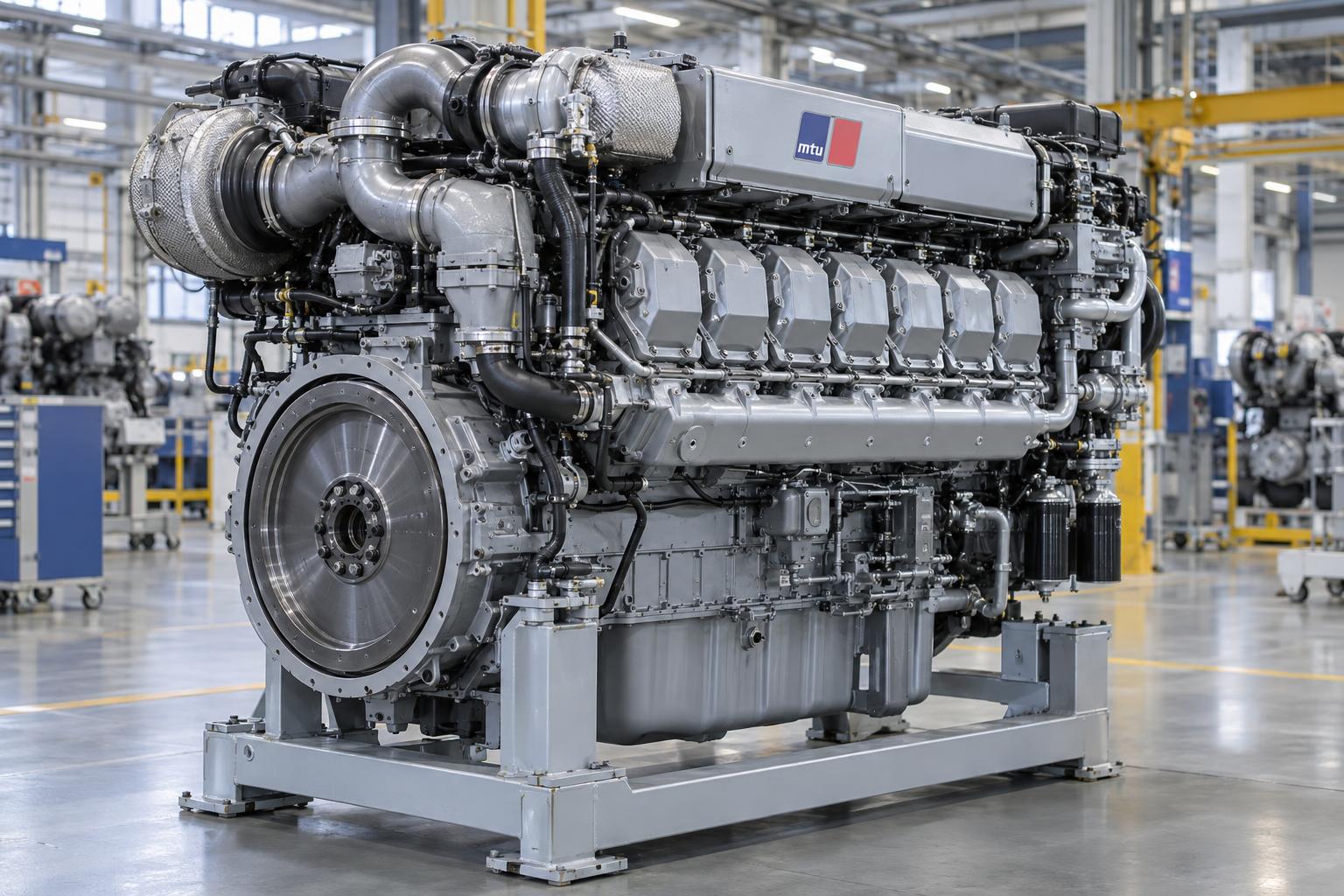
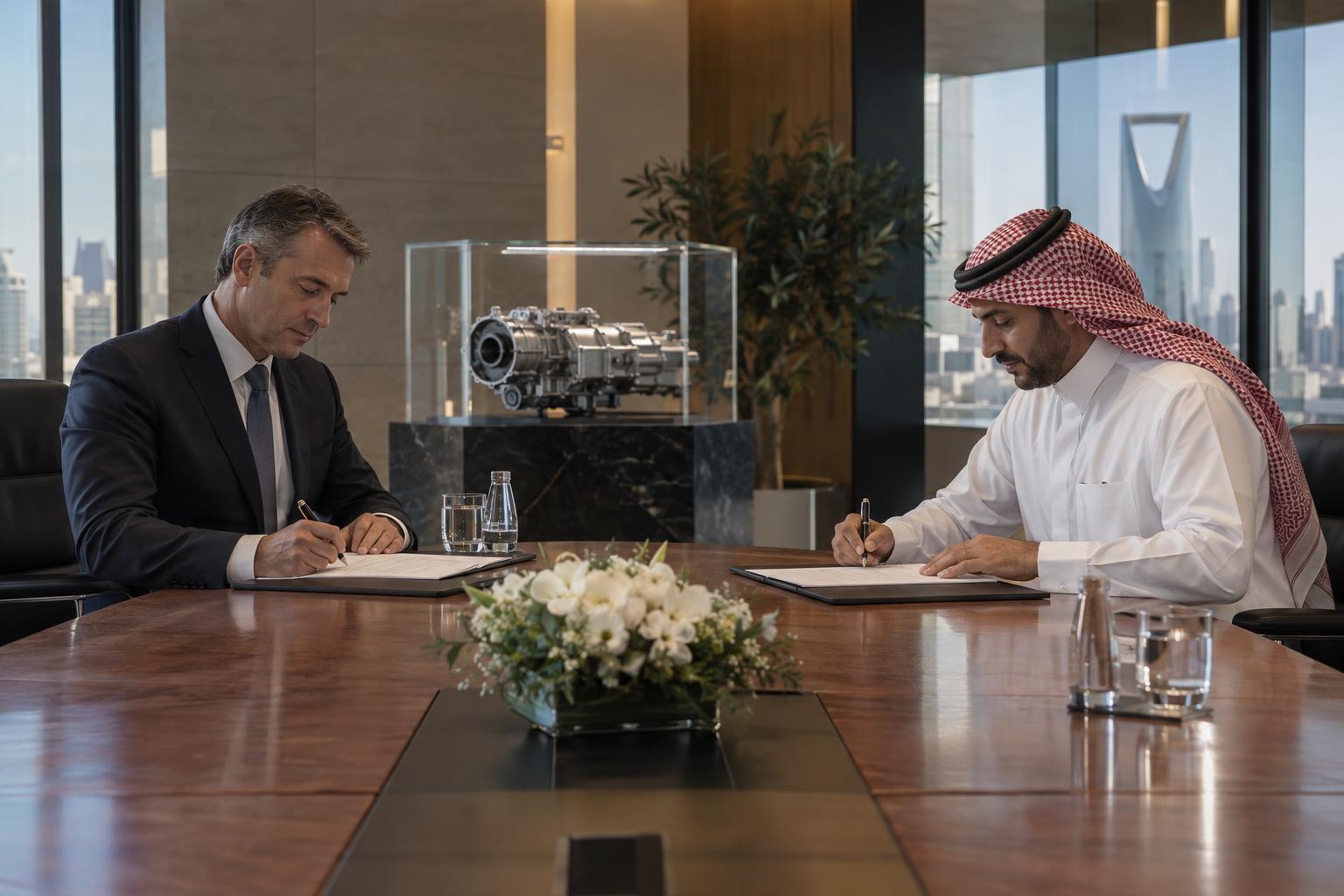
Rolls-Royce and Saudi industrial partner MAKEEN have signed an Individual License Agreement dated October 1, 2026 to support local production of high-speed mtu engines in Saudi Arabia. The deal is significant because it moves beyond importing complete engines, creating a route for licensed manufacturing, local capability building and after-sales support for critical power applications.
For GCC buyers and fleet operators, the practical importance is not limited to the factory itself. Local production and engineering capability can improve access to engines, parts, technical knowledge and service support for sectors that depend on reliable power, including marine, energy, industrial and infrastructure projects.
What is MAKEEN and who owns it?
MAKEEN is the Saudi industrial partner named in the agreement with Rolls-Royce. Its role is to develop domestic capability around the licensed engine programme, including the manufacturing, assembly, testing and support activities permitted under the agreement.
The announcement positions MAKEEN as a Saudi-based industrial company supporting national localisation goals. Buyers, suppliers and prospective employees should distinguish between MAKEEN's operational role in the programme and its wider corporate ownership structure, as ownership and group affiliations can change and should be confirmed through current company and regulatory records.
What matters most for this agreement is that MAKEEN will act as the local licensee for the specified mtu product family, working within Rolls-Royce technical standards and licensing requirements.
What does the Individual License Agreement actually cover?
An Individual License Agreement is more substantial than a general memorandum of understanding. It normally sets out the specific rights, responsibilities, technical conditions and commercial boundaries under which a local company can work with a manufacturer’s product or intellectual property.
Although the full commercial terms have not been made public, an agreement of this type typically defines:
- Which engine family and configurations may be produced or assembled locally.
- The manufacturing processes, quality controls and testing requirements that must be followed.
- Access to technical documentation, training and approved production methods.
- The markets, customers or applications covered by the licence.
- Rules for genuine parts, warranty processes and after-sales support.
- Ongoing audits and approval processes to protect product quality and safety.
It does not necessarily mean every component will immediately be made in Saudi Arabia. Localisation usually develops in stages, beginning with approved assembly, testing and selected components, then expanding as supplier capacity, workforce skills and demand grow.
Which engines will be produced locally? An overview of the mtu Series 2000
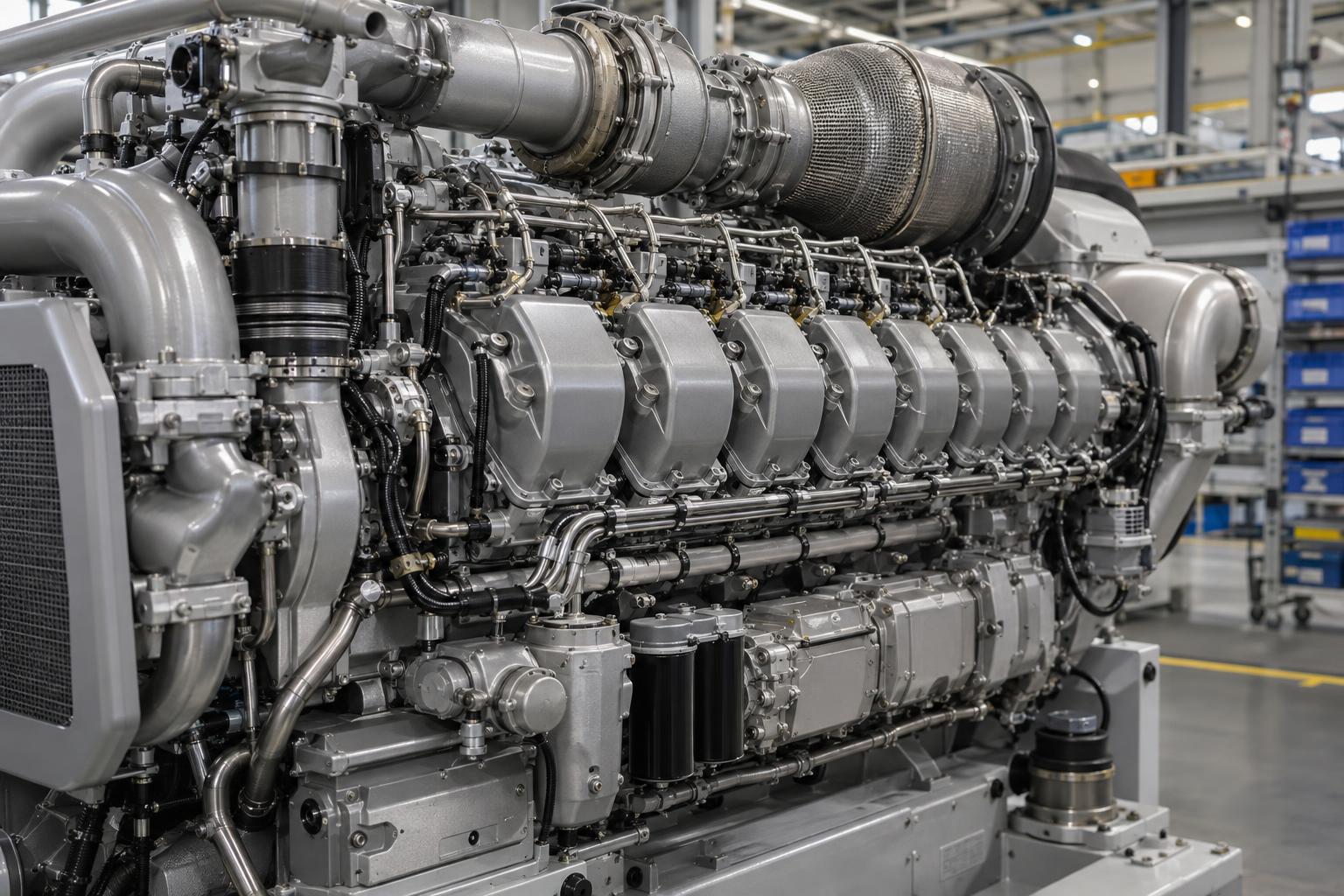
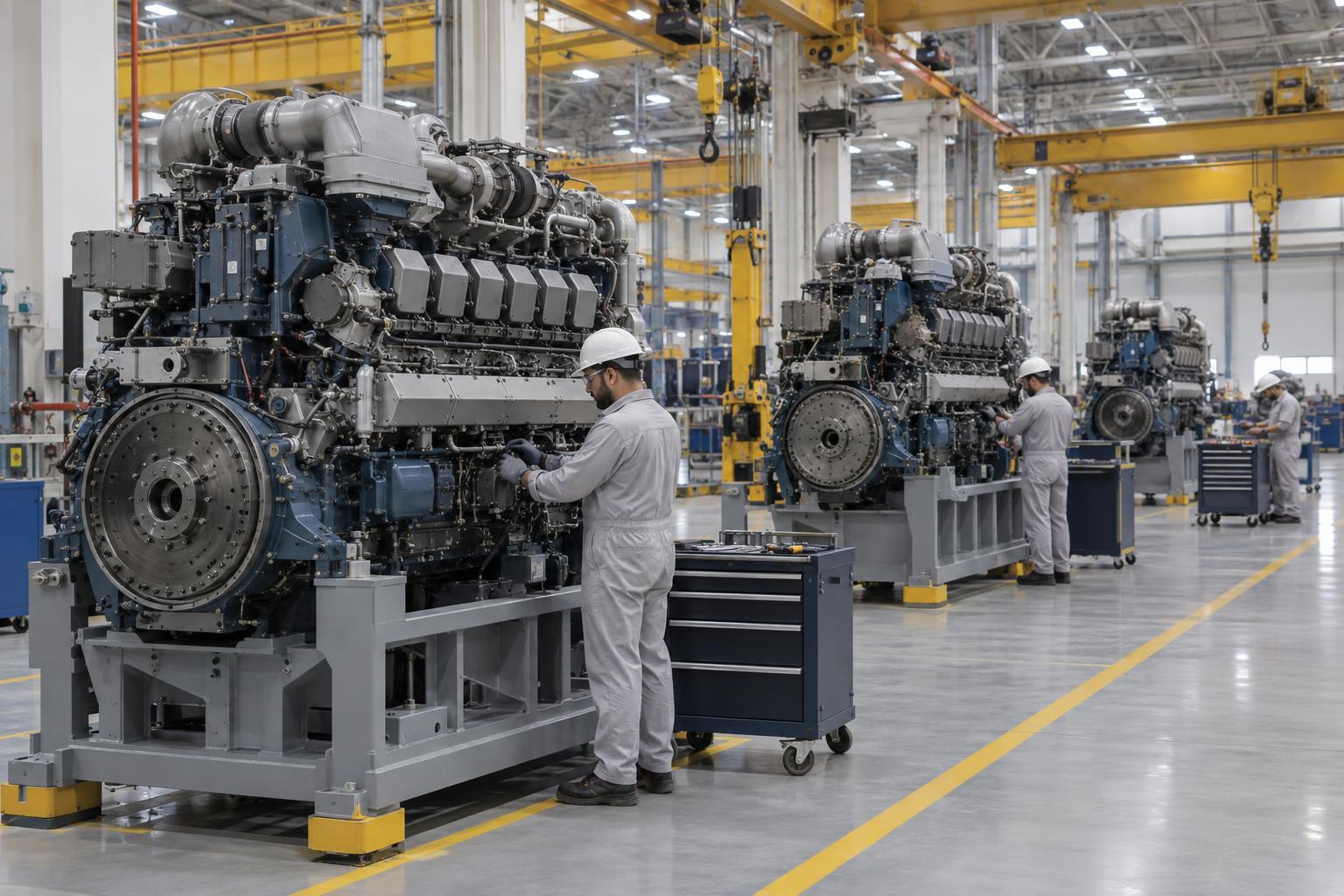
The agreement centres on the mtu Series 2000, one of the best-known high-speed engine families in the Rolls-Royce Power Systems portfolio. These engines are used where a compact design, strong output and dependable continuous operation are important.
Series 2000 engines are available in multiple cylinder configurations and are adapted for different duties. Depending on the version, they can be used as diesel propulsion engines, generator-drive engines or industrial power units. Exact power output, emissions equipment and fuel compatibility depend on the application and engine variant selected.
Why does the Series 2000 matter in the Gulf?
High ambient temperatures, dust, long operating hours and remote project locations place heavy demands on engines in the GCC. Equipment owners need systems that can be correctly specified for the environment, maintained on schedule and supported with readily available parts.
A local programme does not remove the need for careful specification. Operators should still check the engine’s cooling package, air filtration, fuel system, duty rating, maintenance intervals and warranty terms for the intended use.
What applications will these engines support?
The mtu Series 2000 is used across several sectors, which makes the localisation programme relevant well beyond the passenger-car market. The likely focus is on professional and industrial users that require high-output, high-availability power solutions.
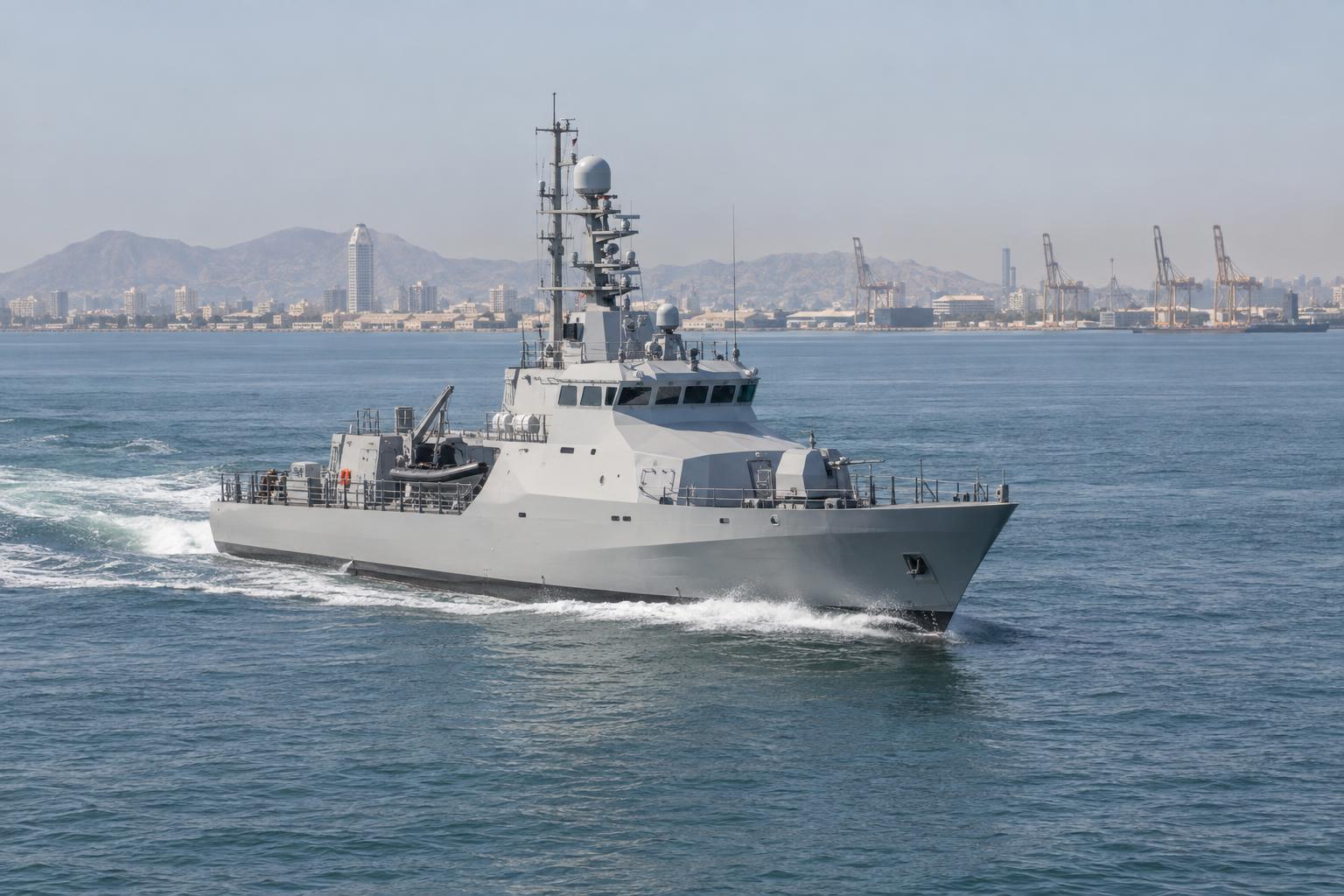
- Marine propulsion: Fast commercial craft, patrol vessels, workboats and other vessels requiring responsive high-speed power.
- Power generation: Generator sets for standby, prime-power or critical infrastructure duties, subject to the relevant configuration.
- Industrial equipment: Pumps, compressors, heavy machinery and specialised equipment requiring dependable mechanical power.
- Energy and infrastructure: Projects where reliable on-site power and rapid service support are essential.
- Public-sector and specialist fleets: Applications that need controlled technical support, documented maintenance and high equipment availability.
For end users, the benefit should be measured in practical terms: lead times, service response, local parts stock, technician capability, warranty support and lifecycle cost. Local production can help these areas, but the improvement will depend on how quickly the supply chain and service network are developed.
Why is this the first deal of its kind in Saudi Arabia?
The agreement is described as the first of its kind because it provides a formal framework for licensed local work on high-speed mtu engines in Saudi Arabia. Rather than simply supplying imported engines through a distributor, the arrangement is intended to establish approved domestic industrial capability around a globally recognised engine platform.
That distinction matters in industries where manufacturing quality, traceability and certification are critical. A licensed programme gives the original manufacturer control over specifications and processes, while enabling the local partner to build hands-on production and support experience.
It is also different from local final fitment without a technology relationship. Under a properly managed licence, the local operation is expected to follow defined production methods, use approved parts and complete specified inspection and testing procedures.
How does this fit into Saudi Arabia's Vision 2030 industrial strategy?
The deal aligns with the wider direction of Saudi Arabia's Vision 2030, which aims to diversify the economy, expand domestic industrial capacity and increase the contribution of local manufacturing. Engine manufacturing is especially relevant because it supports several strategic sectors at once, including logistics, maritime activity, energy, infrastructure and advanced engineering.
Localisation is not only about replacing imports. A successful programme can create skilled technical jobs, encourage local suppliers to meet international quality requirements and retain more maintenance and lifecycle spending within the Kingdom.
Potential benefits for the Saudi industrial ecosystem
- Training opportunities for technicians, engineers, inspectors and production specialists.
- More local capability for engine overhaul, diagnosis and approved repair work.
- Greater scope for Saudi suppliers to qualify for components, services and logistics work.
- Improved resilience for operators that depend on imported engines and long-distance parts supply.
- A stronger base for future exports and regional support, if production quality and commercial demand support expansion.
However, localisation takes time. High-speed engines require controlled processes, specialist tooling, calibrated test equipment and a disciplined quality culture. The real measure of success will be the programme's ability to deliver reliable engines and service support at the standard customers expect from the mtu name.
Key takeaways from the Rolls-Royce and MAKEEN agreement
The Rolls-Royce and MAKEEN agreement gives Saudi Arabia a formal path towards local capability for the mtu Series 2000 engine family. It is a meaningful development for industrial users because engines of this type support important marine, power-generation and infrastructure applications.
- Date: The Individual License Agreement is dated October 1, 2026.
- Partners: Rolls-Royce and Saudi industrial partner MAKEEN.
- Product focus: High-speed mtu Series 2000 engines.
- Main objective: Licensed local production and capability development in Saudi Arabia.
- Customer relevance: Potentially better local support, technical expertise and supply-chain resilience over time.
- Strategic context: The programme supports Vision 2030 objectives around industrial localisation and workforce development.
For businesses considering mtu-powered equipment, the sensible next step is to ask the local representative about the specific engine variants covered, local parts availability, warranty arrangements, service locations and expected timelines for Saudi-produced units. The agreement creates the framework, while the value to customers will come from its execution.
People Also Ask
What is the mtu Series 2000 engine?
The mtu Series 2000 is a family of high-speed engines from Rolls-Royce Power Systems. Different versions are used for marine propulsion, power generation and industrial equipment.
Will all mtu engines be manufactured in Saudi Arabia?
No. The agreement relates to the mtu Series 2000 programme covered by the licence. Localisation is usually phased, and not every mtu engine family or component is automatically included.
What does licensed engine production mean?
Licensed production allows a local company to manufacture, assemble or support specified products using the original manufacturer’s approved technical standards, processes and quality controls.
How could the agreement benefit engine customers in Saudi Arabia?
Over time, customers may benefit from stronger local technical support, shorter parts lead times, improved service capability and more locally available engineering expertise. Actual benefits will depend on the programme’s rollout.
How does this agreement support Vision 2030?
It supports Vision 2030 by encouraging industrial localisation, technical skills development and domestic capability in sectors that rely on advanced power systems.


