

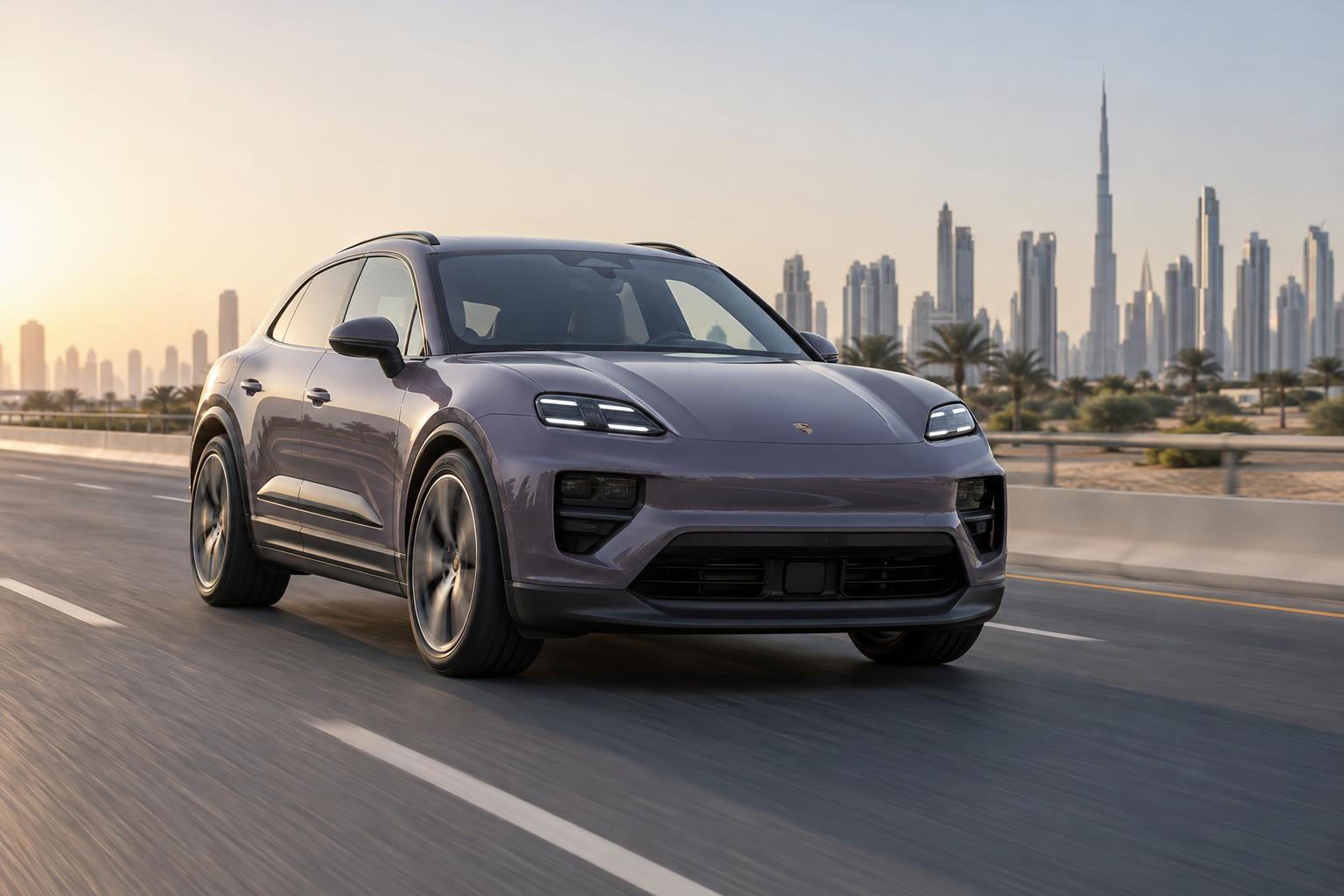
Porsche is reshaping its product and investment plans around profitability rather than chasing electric-vehicle volume at any cost. Under its new Sportwagenschmiede '35 strategy, the company will continue developing battery-electric cars, but it will also preserve combustion-engine and plug-in hybrid options where customer demand, regulations and margins support them.
For buyers, the change means Porsche is not abandoning electrification. Instead, it is moving towards a more flexible line-up, with different powertrains offered according to the model, market and expected customer demand. That approach is particularly relevant in the GCC, where petrol-powered performance cars and long-distance usability remain important purchase considerations.
What Is Porsche's New Sportwagenschmiede '35 Strategy?
Sportwagenschmiede '35 is Porsche's long-term business and product strategy for the period leading to 2035. The German word Sportwagenschmiede roughly translates to “sports car forge”, reflecting Porsche's intention to protect its identity as a maker of performance-focused cars rather than becoming a high-volume EV brand.
The strategy places greater emphasis on sustainable returns, product exclusivity and flexibility in powertrain planning. Porsche still expects electrification to become more important, but it no longer assumes every market will switch to EVs at the same speed.
- Maintain a broad range of combustion, hybrid and electric powertrains.
- Prioritise models and derivatives with stronger profitability.
- Protect Porsche's pricing power and premium positioning.
- Invest in software, battery technology and charging capability without relying on EV volume alone.
- Adapt products by region as regulations and customer demand develop differently.
The key message is straightforward: Porsche wants to sell the vehicles its customers want to buy, while preserving the margin levels needed to fund future sports cars, electrification and motorsport-related engineering.
Key Announcements From Porsche's October 7 Capital Markets Day
At its Capital Markets Day on October 7, Porsche outlined a revised path for growth after a more difficult period for the global premium-car market. Slower EV adoption in some regions, intense competition in China and pressure on supply chains have made a simple transition from combustion engines to electric cars less realistic than earlier forecasts suggested.
The company confirmed that it will continue to develop electric models, including the electric Macan and future electric sports cars. At the same time, it made clear that internal-combustion and plug-in hybrid vehicles will remain part of its portfolio for longer than previously expected.
- Profitability takes priority over sales volume.
- Porsche will keep investing in electric products, software and battery-related technology.
- Combustion and hybrid models will remain important where they make commercial sense.
- A new SUV with combustion and plug-in hybrid powertrains is planned alongside the electric Macan.
- The 718 Boxster and Cayman replacement programme remains electric-only.
This is a strategic reset rather than a complete reversal. Porsche is still preparing for a more electric future, but it is reducing the risk of depending too heavily on one powertrain during a period of uneven global demand.
Why Porsche Is Stepping Back From Its EV-Only Ambition
Porsche's earlier plans assumed that battery-electric vehicles would account for a very large share of deliveries by the end of the decade. While EV sales are growing in many markets, adoption has been less predictable than expected, especially among buyers of expensive performance SUVs and sports cars.
Premium customers often have different priorities from mainstream buyers. They may be interested in electric performance and instant torque, but they also value driving range, charging access, resale confidence, towing ability, engine character and the convenience of travelling across borders without detailed charging planning.
Demand varies significantly by market
Europe is moving quickly towards tighter emissions rules and more EV infrastructure, while China remains highly competitive and price-sensitive in the electric segment. In the GCC, EV infrastructure is improving rapidly, but demand for high-performance petrol SUVs, plug-in hybrids and sports cars remains strong.
Porsche therefore sees a case for offering several powertrain types rather than applying one global solution. This gives the company more room to respond if buyer preferences, fuel prices, charging networks or regulations change.
Profitability matters more than headline sales
Electric vehicles can require heavy investment in batteries, software platforms, factory upgrades and supply chains. If a manufacturer cuts prices aggressively to gain market share, those costs can reduce margins quickly, especially in the premium segment.
Porsche's revised approach is designed to avoid discount-led volume growth. Instead, it aims to maintain a strong brand image and sell a mix of cars with options, derivatives and specifications that support healthier returns.
A New Combustion and Plug-In Hybrid SUV Joins the Electric Macan From 2028
One of the clearest outcomes of the new strategy is Porsche's plan for an additional SUV model line with combustion-engine and plug-in hybrid options. It is expected to sit alongside the fully electric Macan rather than replace it, giving customers a choice of powertrains in a similar part of the market.
Porsche has indicated that this new SUV is planned from 2028. It is expected to target buyers who want the size, prestige and driving character of a compact or mid-size Porsche SUV but are not yet ready to move to a fully electric vehicle.
Why this matters for Macan buyers
The electric Macan remains a major part of Porsche's future. It uses an EV-focused architecture and is intended to deliver stronger performance, faster charging and more advanced digital features than the previous petrol Macan.
However, a separate combustion and plug-in hybrid SUV gives Porsche a way to retain buyers who prefer conventional refuelling, want a familiar engine response, or live in areas where reliable fast charging is still limited. It also prevents the electric Macan from carrying the full sales burden of this important segment.
The 718 Boxster and Cayman Remain Fully Electric
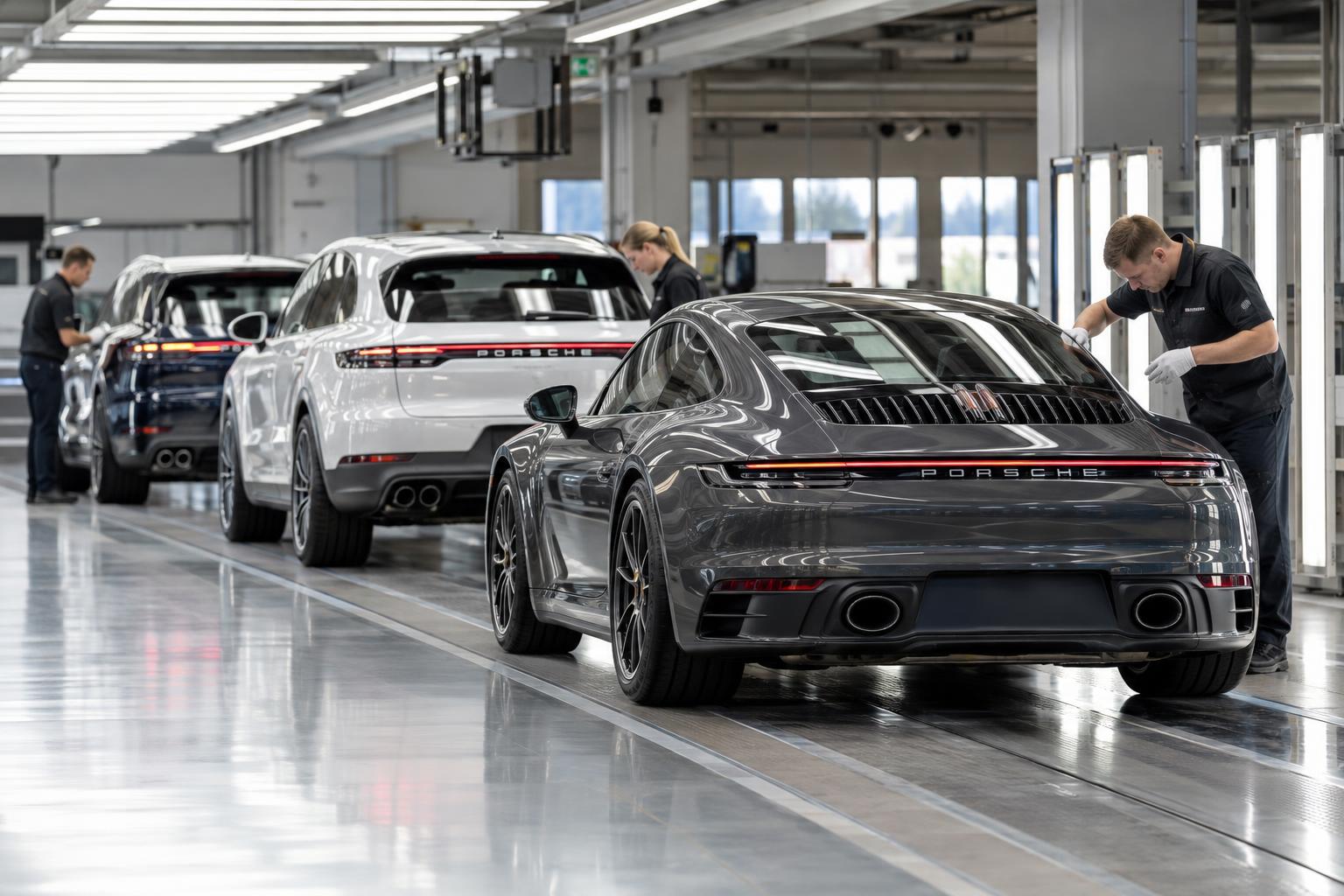
While Porsche is extending the life of some combustion and hybrid products, its next-generation 718 Boxster and Cayman are still planned as fully electric models. This shows that the company is not treating every vehicle line in the same way.
The 718 range is expected to use electric power to deliver immediate acceleration, low-mounted battery weight and precise chassis balance. Porsche's challenge will be preserving the involvement that buyers associate with the mid-engined Boxster and Cayman, including steering response, braking feel, driving position and track capability.
Why Porsche can take a different approach with the 718
Sports cars have lower sales volumes than SUVs, but they play an outsized role in Porsche's image. An electric 718 can act as a technical and emotional showcase, while SUVs such as the Macan and Cayenne need to meet a wider variety of practical ownership needs.
For enthusiasts, the important point is that Porsche has not signalled a return to combustion power for the next 718 generation. Buyers who want one of the outgoing petrol Boxster or Cayman variants may therefore see those cars become increasingly significant as the model transition approaches.
What Does Value Over Volume Mean for Porsche Pricing?
“Value over volume” means Porsche would rather sell fewer cars at sustainable prices than chase higher registration numbers through large discounts. It does not automatically mean every Porsche will become dramatically more expensive, but it does suggest the brand will be careful about incentives, production allocation and model positioning.
For customers, this approach could mean that desirable versions, limited allocations and high-demand options remain expensive. It may also mean Porsche focuses more heavily on profitable derivatives such as performance trims, special editions, hybrid variants and personalised specifications.
- Base prices may continue to rise as technology, emissions compliance and equipment costs increase.
- Popular performance versions may have limited availability.
- Factory options could remain a meaningful part of the final transaction price.
- Used values may benefit when supply is controlled, although resale prices still depend on the wider economy and local demand.
- Heavy discounting is less likely to be central to Porsche's strategy.
That said, buyers should not assume every limited-supply Porsche will appreciate. Resale values are influenced by specification, mileage, maintenance history, market conditions and whether a model has lasting enthusiast appeal.
What Does This Mean for Porsche Customers in the GCC?
For Porsche customers in the UAE, Saudi Arabia, Qatar, Kuwait, Bahrain and Oman, the strategy should provide more choice for longer. The region has strong demand for premium SUVs and performance cars, while charging infrastructure and EV ownership conditions vary considerably between cities, countries and travel routes.
A wider powertrain range is useful for buyers who travel long distances, keep vehicles in very hot conditions or regularly drive outside major urban areas. It also gives customers a more gradual route into electrification, particularly through plug-in hybrids.
Electric Porsche ownership is becoming easier
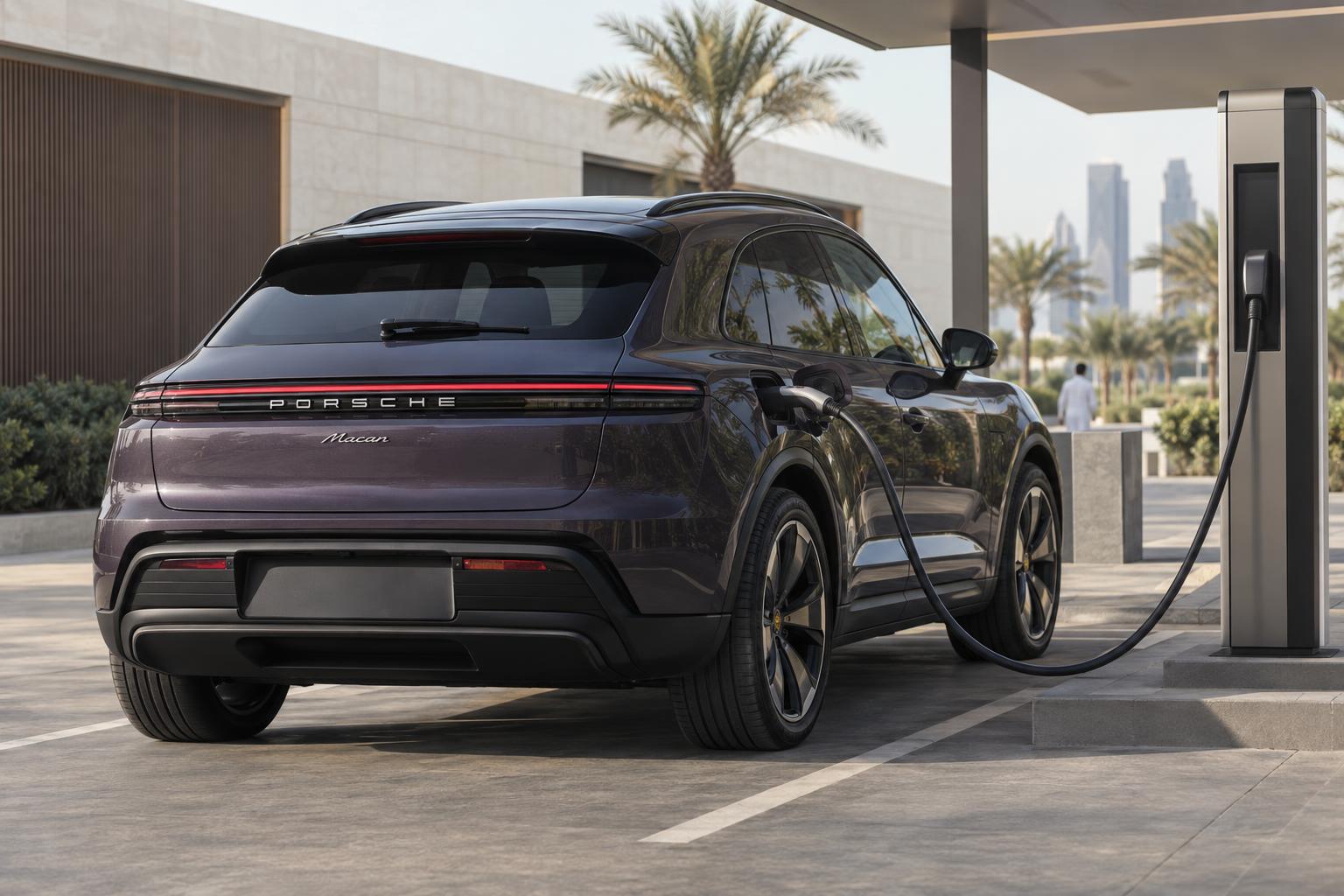
Major GCC cities are expanding public charging networks, and many owners can install home charging equipment. An electric Porsche can work well for daily commuting, city driving and predictable inter-city journeys, especially for owners with private parking and access to reliable charging.
Before buying, it is still sensible to check charging availability around your home, office and usual travel routes. Also consider summer parking conditions, whether your building allows charger installation and how often you make long trips between emirates or across GCC borders.
Petrol and plug-in hybrid buyers retain options
The continued availability of combustion and plug-in hybrid vehicles should reassure buyers who value quick refuelling and unrestricted long-distance touring. Plug-in hybrids can be especially appealing for owners who can charge regularly at home but still want petrol-engine flexibility for weekend drives and longer journeys.
In the GCC, a plug-in hybrid only delivers its full fuel-saving potential if it is charged frequently. If it is rarely plugged in, the additional battery weight can reduce efficiency compared with a conventional hybrid or an efficient petrol model.
Key Takeaways
- Porsche is not abandoning EVs. It is continuing to invest in electric cars, batteries, software and charging capability.
- The company is becoming more flexible. Combustion, plug-in hybrid and electric vehicles will coexist for longer.
- A new combustion and plug-in hybrid SUV is planned from 2028, alongside the electric Macan.
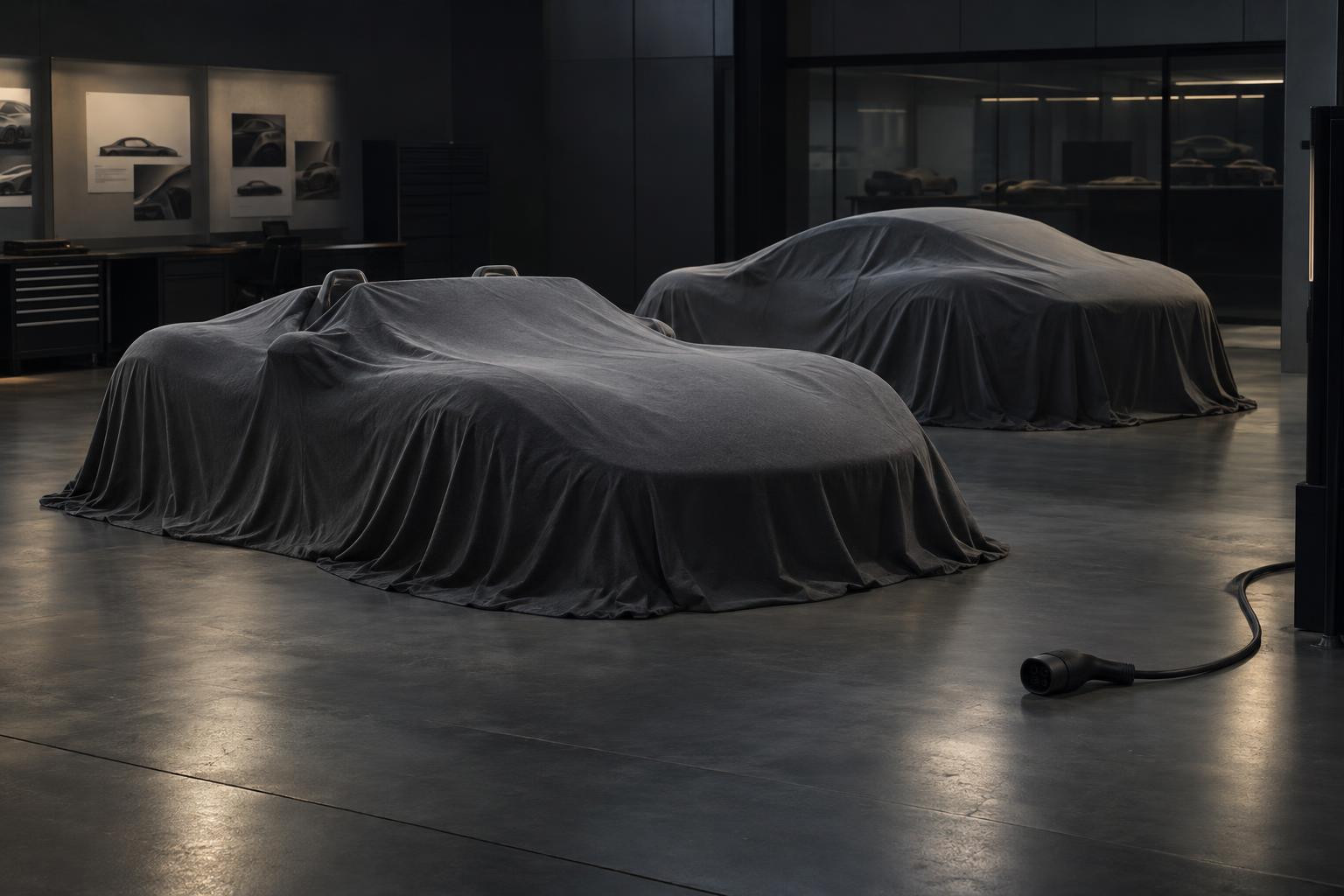
- The next 718 Boxster and Cayman remain electric-only, despite the broader strategy adjustment.
- Pricing discipline is likely to remain important. Porsche is prioritising sustainable margins and brand value over discount-driven sales volume.
- GCC customers should benefit from greater choice, particularly in the premium SUV segment where charging needs and long-distance usability vary widely.
Porsche's revised strategy reflects a practical reality: the move to electric cars is underway, but it will not happen at the same pace for every buyer or every market. For the GCC, that likely means enthusiasts and owners will continue to have meaningful powertrain choices while Porsche develops its next generation of electric performance cars.
People Also Ask
Is Porsche cancelling its electric vehicle plans?
No. Porsche is continuing with electric models such as the Macan Electric and the future electric 718 Boxster and Cayman. Its new strategy adds more flexibility by retaining combustion and plug-in hybrid options in selected segments.
Will Porsche still sell petrol cars after 2030?
Porsche intends to keep combustion-engine vehicles available where regulations, customer demand and profitability allow. Availability will vary by model and market, particularly as emissions rules become stricter in Europe and other regions.
Will there be a petrol Porsche Macan again?
Porsche plans a new SUV with combustion-engine and plug-in hybrid powertrains from 2028, to sit alongside the electric Macan. It is not simply a return of the previous petrol Macan, but it will serve buyers seeking a non-EV alternative.
Will the next Porsche Boxster and Cayman have petrol engines?
Porsche has maintained that the next-generation 718 Boxster and Cayman will be fully electric. The outgoing petrol-powered 718 models are therefore expected to remain important for buyers who specifically want a combustion-engine roadster or coupe.
Are Porsche electric cars suitable for the GCC?
They can be suitable, particularly for owners with home or workplace charging and predictable driving routines. Buyers should assess charging access, long-distance travel needs, summer parking conditions and local service support before choosing an EV over a petrol or plug-in hybrid Porsche.


