

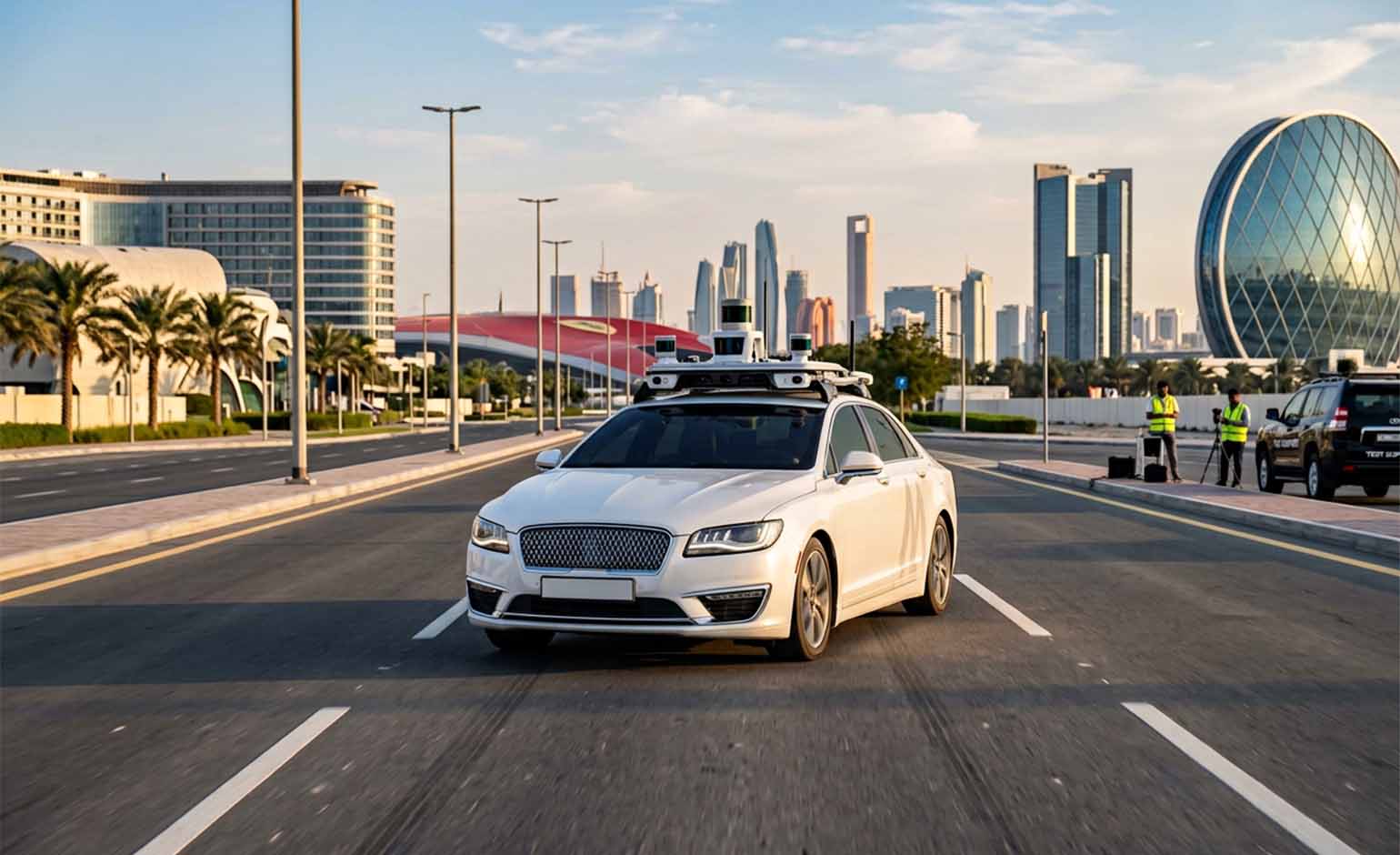
Momenta Global says it plans to launch robotaxi services in Dubai by 2027, adding another major autonomous-driving programme to the UAE’s fast-growing mobility sector. The company, which has backing from major automotive names including Mercedes-Benz and BYD, is building on its existing work in Abu Dhabi as it prepares for a wider Gulf presence.
The plan is still several years away, and important details such as operating areas, fares, fleet size and the local operating partner have yet to be confirmed. Even so, the announcement is significant because Dubai is positioning autonomous transport as a practical part of daily urban travel rather than a limited technology demonstration.
Who is Momenta Global and who backs it?
Momenta is a Chinese autonomous-driving technology company founded in 2016. It develops software and hardware systems for advanced driver-assistance features in private cars, as well as fully autonomous systems designed for robotaxi and commercial mobility fleets.
Rather than building cars under its own consumer brand, Momenta works with vehicle manufacturers and mobility operators. Its technology uses cameras, radar, lidar in some applications, high-definition mapping and artificial intelligence to help vehicles understand roads, traffic, pedestrians and changing driving conditions.
The company has attracted investment and strategic support from several global automotive businesses. Its high-profile backers and partners include:
Mercedes-Benz, which has worked with Momenta on assisted-driving technology for passenger vehicles.
BYD, one of the world’s largest electric-vehicle manufacturers.
General Motors, which has previously invested in Momenta.
SAIC Motor, a major Chinese automotive group.
Bosch, a global automotive supplier with extensive expertise in vehicle electronics and safety systems.
That backing matters because robotaxi programmes require more than clever software. They need suitable vehicles, local servicing, data operations, safety systems, insurance arrangements, regulatory approval and substantial financial support before they can operate at useful scale.
What are Momenta's expansion plans for Dubai and beyond?
Momenta’s Dubai target is part of a broader international robotaxi strategy. The company is working toward commercial autonomous mobility operations in multiple markets, with the UAE viewed as an important early market outside China.
Dubai offers a strong case for autonomous-vehicle operators. The city has ambitious transport policy, modern road infrastructure, concentrated business and tourism districts, and a regulator that has publicly supported autonomous transport trials and commercial deployment.
For Momenta, a Dubai launch would likely begin in carefully selected operational areas rather than across the entire emirate on day one. Robotaxi services normally start with a defined service zone, known as an operational design domain, where road layouts, mapping, weather conditions and traffic patterns have been extensively validated.
Why Dubai is a strategic robotaxi market
Dubai’s roads present useful real-world conditions for autonomous systems. The city combines multi-lane highways, busy urban junctions, dense pickup areas at malls and hotels, fast-moving traffic, roundabouts and a large mix of local and visiting drivers.
At the same time, the city’s dry climate can reduce some complications found in places with frequent snow or heavy rain. That does not make autonomous driving simple, however. Dust, glare, construction zones, intense summer heat and unpredictable lane changes remain serious engineering challenges for any driverless fleet.
How is Momenta scaling its global robotaxi fleet toward 2027?
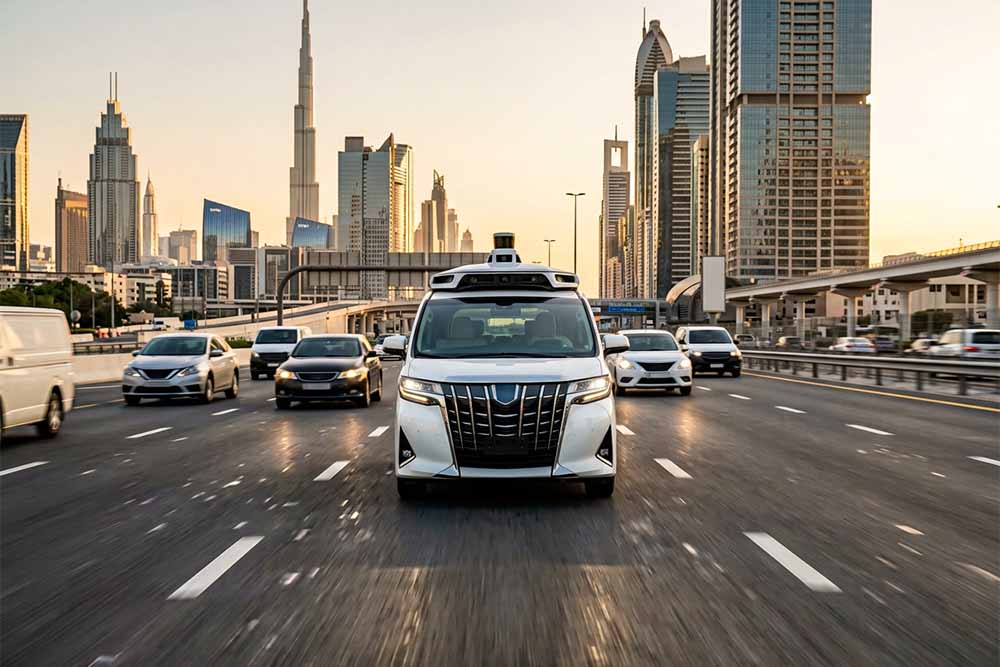
Momenta has indicated that it intends to expand its robotaxi operations in stages as it works toward the 2027 Dubai timeline. Scaling a fleet is not simply a matter of buying more vehicles, because every new city requires local mapping, route validation, testing, safety monitoring and approval from the relevant authorities.
A typical rollout process includes several steps before members of the public can book a ride:
Building detailed digital maps and collecting road data.
Testing vehicles with trained safety operators on board.
Validating system performance in daytime, night-time, congestion and unusual road scenarios.
Agreeing on operating rules, emergency procedures and reporting requirements with regulators.
Launching a limited public service within a geofenced area.
Expanding hours, routes and fleet numbers after safety and service targets are met.
Early commercial fleets often retain remote support teams and, in some cases, safety staff inside the vehicle. A true driverless service means the vehicle can complete its approved journeys without a human driver behind the wheel, although it will still be monitored and supported by an operations centre.
Fleet scale will depend on local operations
The eventual size of Momenta’s Dubai fleet will depend on licensing, demand and its choice of local partners. A small pilot fleet can demonstrate the technology, but a meaningful transport service needs enough cars to keep passenger waiting times reasonable during peak periods.
Vehicle choice will also be important in the GCC. Robotaxi vehicles must cope with high ambient temperatures, strong air-conditioning demand, heavy daily mileage and regular cleaning. Electric vehicles may suit this role well, but operators will need reliable charging capacity and carefully planned downtime for charging, maintenance and inspections.
Autonomous-driving hardware combines roof-mounted sensors with vehicle cameras.
Momenta's existing footprint in the UAE through Abu Dhabi testing with Lumo
Momenta is not entering the UAE without local experience. The company has already been involved in autonomous-vehicle testing in Abu Dhabi through Lumo, a local autonomous mobility venture.
This work gives Momenta an opportunity to collect operational knowledge in Gulf conditions, including road behaviour, navigation around major junctions, passenger expectations and the practical demands of running a supported autonomous fleet. Experience gained in Abu Dhabi will not automatically transfer to Dubai, but it can reduce the learning curve for a future launch.
Abu Dhabi has become a major testing ground for autonomous mobility, particularly through programmes linked to the emirate’s smart-mobility ambitions. These projects are helping regulators and operators establish standards for safety drivers, remote assistance, passenger support, vehicle inspections and data reporting.
Testing is different from a commercial robotaxi service
It is worth separating testing activity from a fully commercial service. Testing may involve limited routes, restricted operating times, safety personnel and invited users, while a commercial robotaxi service needs clear booking access, customer support, payment systems and wider public confidence.
For Dubai residents, the key milestone will not simply be seeing an autonomous vehicle on the road. It will be the point at which approved vehicles can be booked reliably for everyday trips within a defined service area.
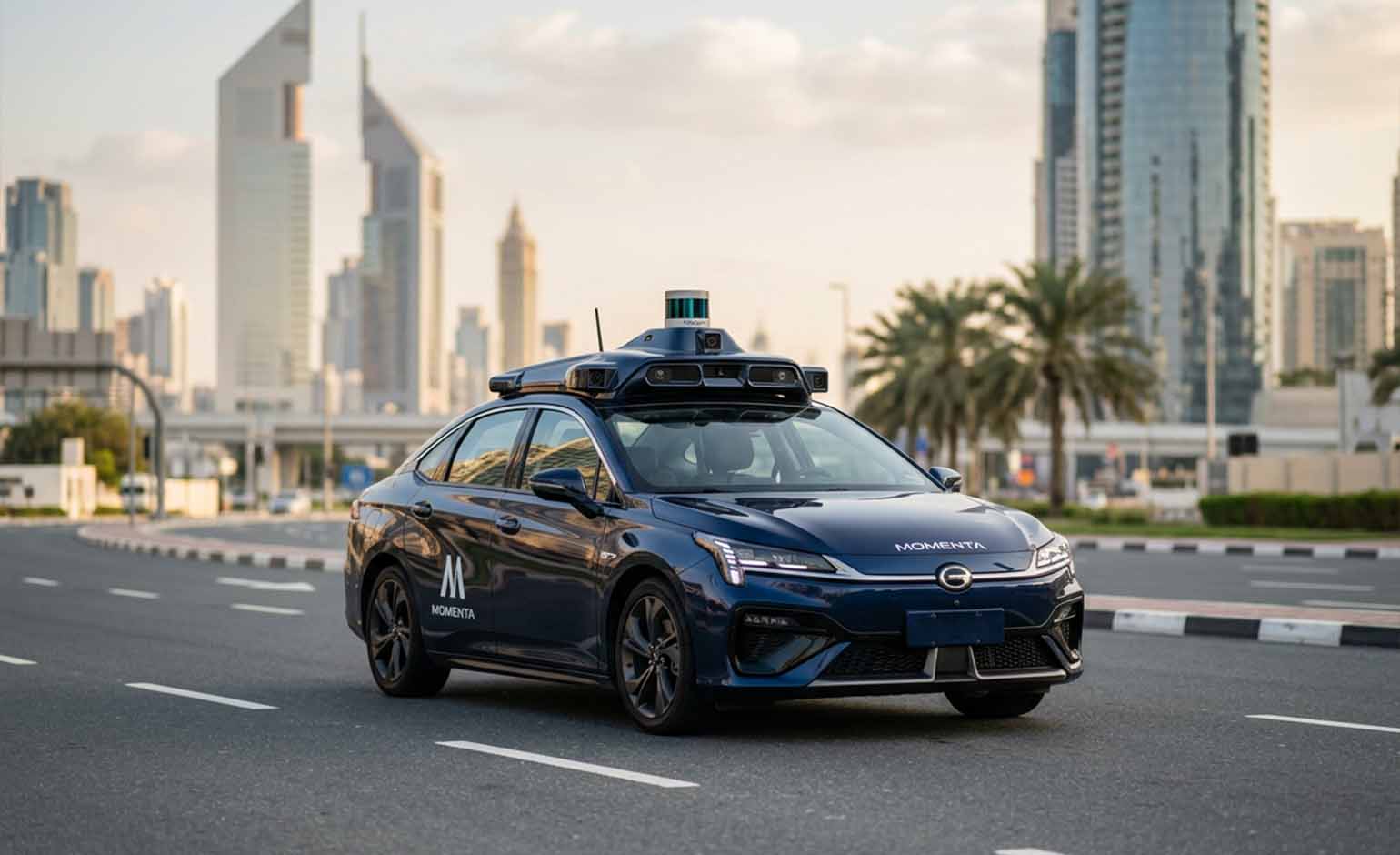
Momenta already has a UAE testing footprint through its Abu Dhabi work with Lumo.
Where does Momenta fit into the UAE's growing autonomous-mobility landscape?
The UAE is becoming one of the region’s most active markets for autonomous transport. Abu Dhabi and Dubai are both attracting technology companies, vehicle manufacturers and ride-hailing operators that want to prove their systems in a commercially minded environment.
Dubai’s Roads and Transport Authority has set a long-term goal for autonomous transport to account for a meaningful share of journeys in the emirate. Robotaxis are only one part of that picture. Autonomous shuttles, delivery vehicles, freight systems and assisted-driving passenger cars could all play a role.
Momenta will enter a market where other companies are also developing autonomous ride services. This competition could benefit passengers if it leads to more service areas, better availability and stronger pressure on operators to provide a safe, simple booking experience.
Autonomy is not a single technology level
Autonomous-driving claims can be confusing because different systems do very different jobs. Many new cars sold in the GCC have advanced driver-assistance features, such as adaptive cruise control, lane-centering assistance and automatic emergency braking. These systems assist the driver, but the driver remains responsible.
A robotaxi is intended to operate at a much higher level of automation within approved conditions. It should not be confused with a private car that has a hands-free driving feature. The difference is especially important for safety, insurance and legal responsibility.
A dedicated operations base would be central to expanding robotaxi fleets at scale.
What could this mean for Dubai residents and the wider mobility market?
If Momenta launches successfully, Dubai residents and visitors could gain another option for short urban trips, airport-area journeys and travel between major business, retail and tourism destinations. In the early phase, availability is likely to be limited to selected districts and may not replace conventional taxis for all journeys.
Robotaxis could be useful for people who do not drive, visitors unfamiliar with local roads, and commuters seeking an alternative to private-car ownership for some trips. The potential benefit is not only driverless travel, but also consistent service standards, app-based booking and data-led fleet management.
There are also practical questions that will shape public acceptance:
Will fares be competitive with taxis and ride-hailing services?
Which Dubai districts will be included in the first operating zone?
How will the service handle school-zone congestion, roadworks and major events?
What happens if a passenger needs help during a journey?
How quickly can a vehicle be cleaned, charged and returned to service in summer?
How will operators protect trip data and passenger privacy?
For the wider mobility market, a successful robotaxi fleet could encourage more investment in fleet charging, vehicle connectivity, smart-road infrastructure and local technical jobs. It may also push conventional taxi and ride-hailing operators to improve digital booking, vehicle quality and customer service.
Key takeaways
Momenta plans to bring robotaxis to Dubai by 2027, although service areas, fleet size and pricing have not yet been announced.
The autonomous-driving company is backed by major automotive names including Mercedes-Benz and BYD.
Momenta already has UAE experience through autonomous-vehicle testing in Abu Dhabi with Lumo.
Dubai is likely to see a phased rollout, beginning with tightly controlled routes and operating conditions.
Real success will depend on safety approval, reliable fleet operations, passenger trust and practical value compared with existing taxis and ride-hailing options.
For car buyers and enthusiasts, the development is also a reminder that autonomous technology is moving beyond showroom driver-assistance features. The UAE could become one of the first places in the region where residents regularly encounter both advanced private cars and purpose-built driverless mobility services on the same roads.
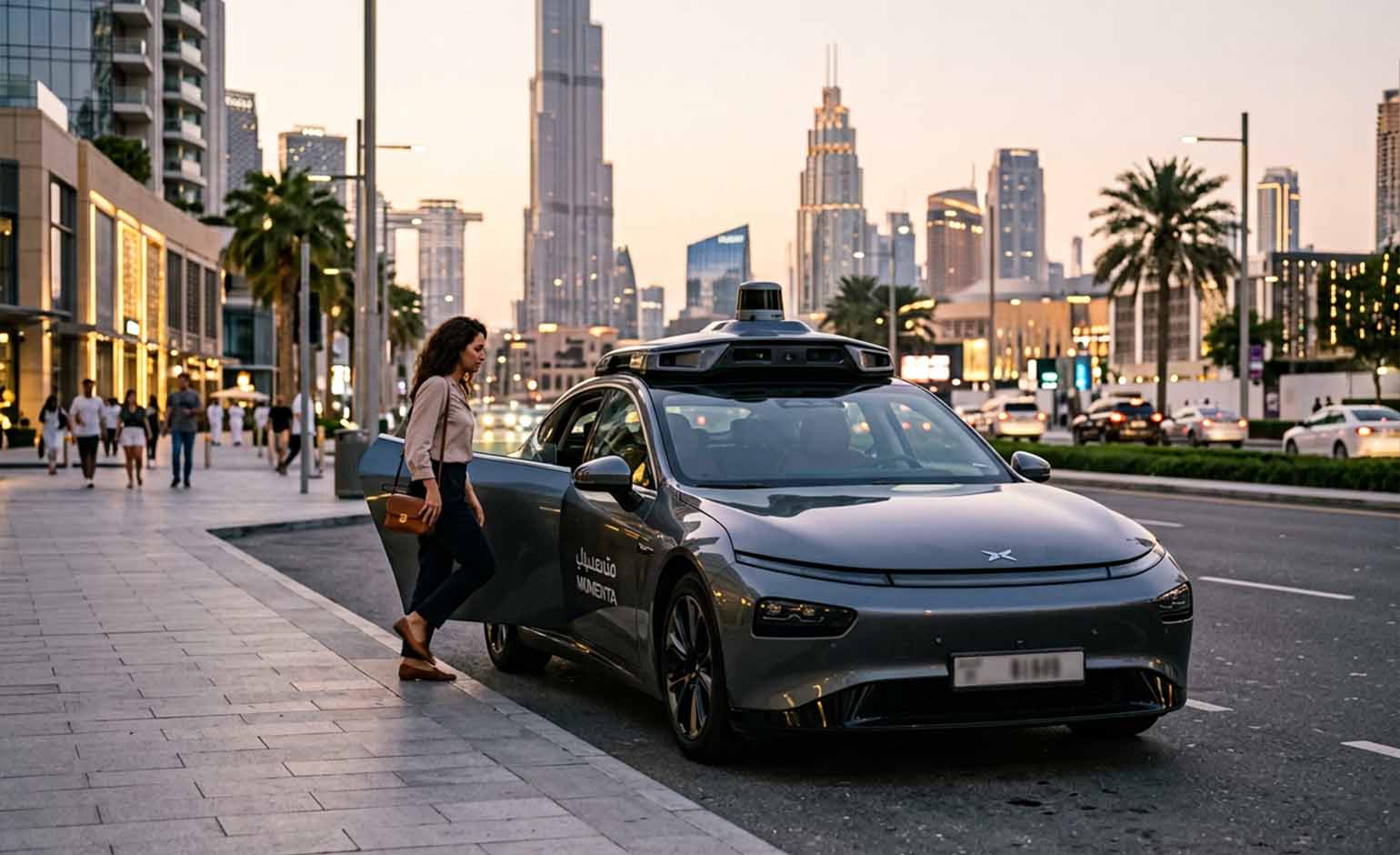
For riders, robotaxis could make autonomous travel a practical daily mobility option.
People Also Ask
When will Momenta robotaxis start operating in Dubai?
Momenta has stated that it plans to launch robotaxi services in Dubai by 2027. The exact start date, initial service area and number of vehicles have not been confirmed publicly.
Is Momenta owned by Mercedes-Benz or BYD?
No. Momenta is an independent autonomous-driving technology company. Mercedes-Benz and BYD are among the automotive companies that have invested in or worked with Momenta.
Will Momenta robotaxis have a driver inside?
That will depend on the stage of the rollout and regulatory requirements. Early testing and limited services may use safety operators, while the long-term aim of a robotaxi service is driverless operation within approved areas.
Where has Momenta tested autonomous vehicles in the UAE?
Momenta has been involved in autonomous-vehicle testing in Abu Dhabi through Lumo. This provides local operating experience ahead of its planned Dubai robotaxi expansion.
Will robotaxis replace Dubai taxis?
Robotaxis are unlikely to replace conventional taxis quickly. They will probably begin as a supplementary transport option in selected zones, with traditional taxis and ride-hailing services continuing to serve most of the city.


