

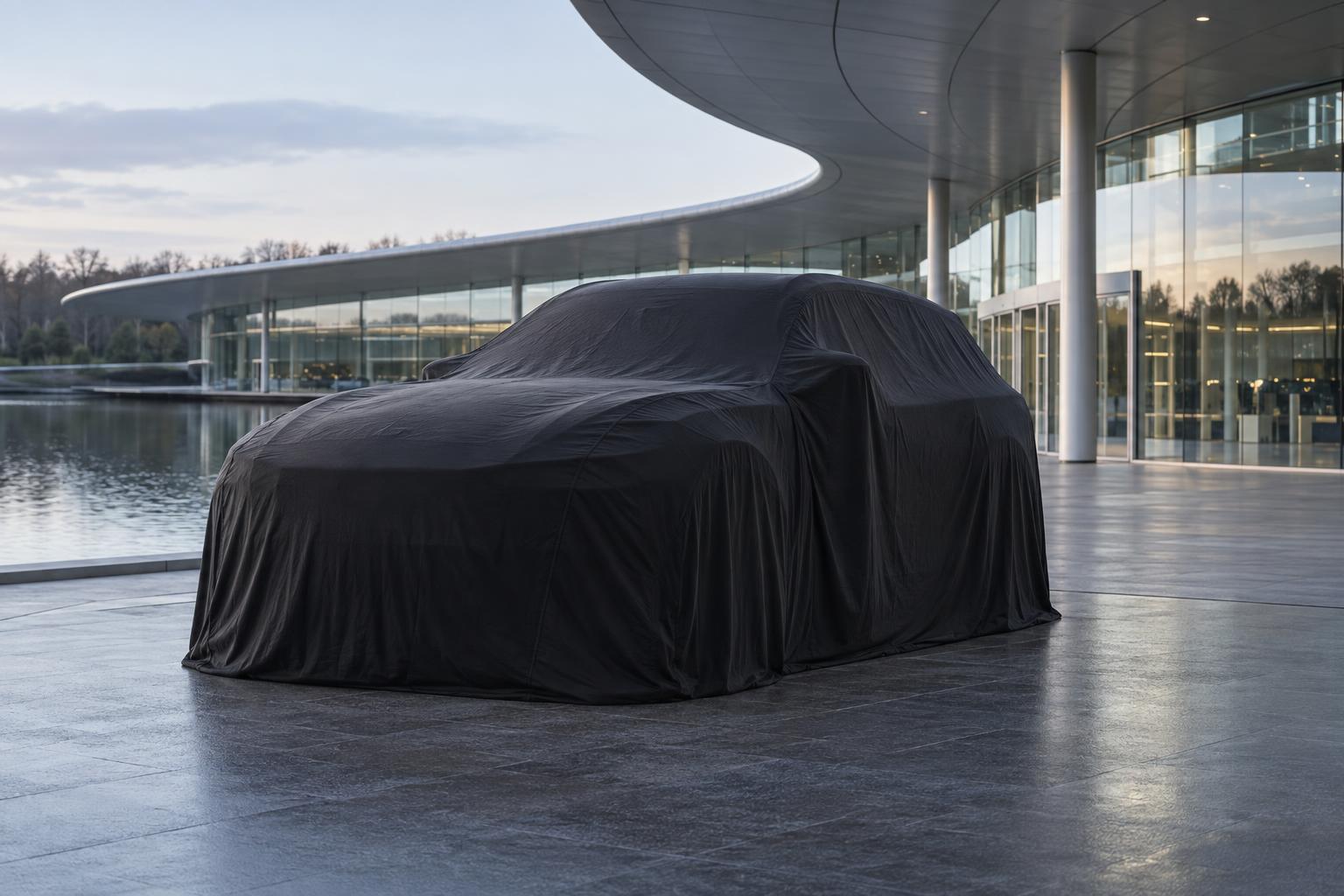
McLaren has confirmed that it will build its first SUV, a major shift for a company long associated with low-slung supercars and track-focused performance. The programme is being supported by a reported £500 million investment from Abu Dhabi-backed L'Imad, formerly known as CYVN Holdings, with funding intended to support new vehicle development, engineering capability and expansion in the UK.
For GCC buyers, the news matters for more than the prospect of a McLaren SUV. It also underlines the growing role of Gulf sovereign capital in shaping global automotive brands, product plans and technology investment.
McLaren confirms its first ever performance SUV
McLaren's first SUV will take the brand into one of the most commercially important premium vehicle segments in the world. High-performance SUVs have become central to the line-ups of brands that were once focused almost entirely on sports cars, including Porsche, Lamborghini, Aston Martin and Ferrari.
McLaren has not yet released a full technical specification, a launch date or final styling. However, the project is expected to be developed as a performance-focused model rather than a conventional luxury SUV carrying a McLaren badge.
- It will be McLaren's first production SUV.
- The model is expected to sit at the high-performance end of the luxury SUV market.
- It is likely to be designed to broaden McLaren's appeal beyond traditional two-seat supercar buyers.
- Official details on powertrain, dimensions, pricing and production timing remain unconfirmed.
What is the £500 million investment funding?
The reported £500 million commitment is expected to support McLaren's wider long-term product and engineering strategy, rather than being allocated solely to the SUV. Developing a new vehicle architecture, powertrain systems and manufacturing processes requires substantial investment, particularly for a small-volume manufacturer competing with much larger groups.
McLaren's plans reportedly include fresh in-house engine development, expanded engineering resources and increased activity at its UK operations. The investment is also intended to help create more than 1,000 jobs across the British automotive supply chain and engineering sector.
New in-house engine development
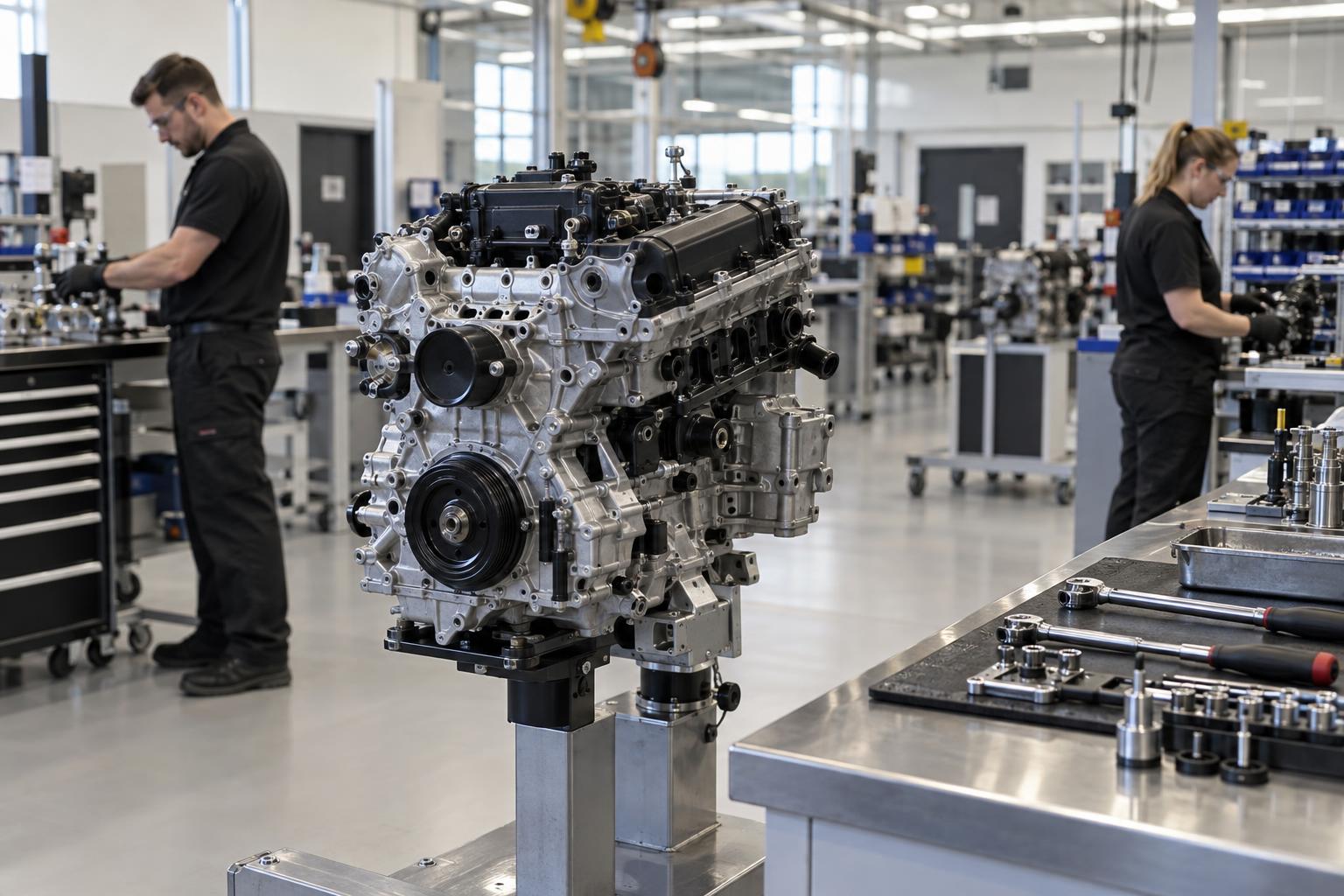
A key part of the programme is expected to be investment in internal powertrain capability. McLaren has used engines supplied by external partners during much of its modern road-car history, most notably twin-turbocharged V8 units linked to Ricardo engineering and manufacturing expertise.
Building greater in-house engine capability could give McLaren more control over future performance, emissions compliance, hybrid integration and model differentiation. It does not necessarily mean that every component will be made entirely within McLaren, but it signals a push for deeper technical ownership.
UK manufacturing and engineering expansion
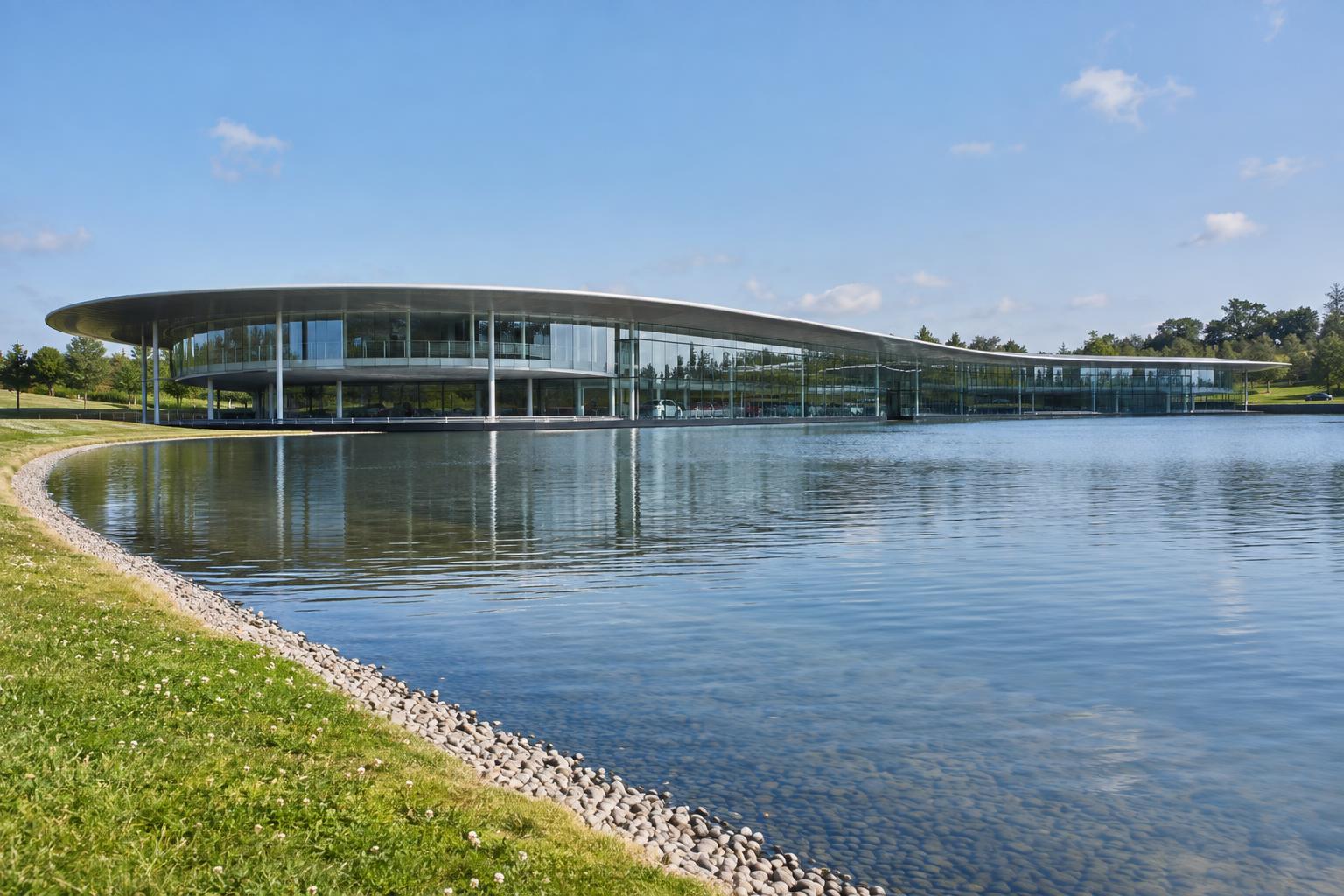
McLaren's road-car activities are centred around its Woking headquarters and the McLaren Production Centre in Surrey. Continued investment in those operations would reinforce the UK's role as the engineering and manufacturing base for future McLaren models, even as the company gains stronger financial backing from Abu Dhabi.
Modern performance-car development involves far more than assembly. It includes vehicle dynamics, software, battery and hybrid systems, lightweight materials, testing, supplier management and aftersales support. Expanding these functions can have a wider effect on specialist British automotive businesses.
Creation of more than 1,000 UK jobs
The planned employment impact is significant because McLaren is a specialist manufacturer rather than a mass-market carmaker. The jobs are expected to span direct roles and opportunities across engineering, manufacturing and the wider supply base.
For the UK auto sector, this matters at a time when manufacturers are balancing the costs of electrification, emissions rules and changing consumer demand. New investment in advanced vehicle programmes can help retain specialist skills that are difficult to replace once lost.
Who is L'Imad, the Abu Dhabi investor behind the deal?
L'Imad is the Abu Dhabi-backed investor associated with McLaren's current ownership and investment direction. It was previously known as CYVN Holdings, an Abu Dhabi government-owned investment vehicle that has become increasingly active in the mobility and automotive technology sectors.
The name change is important mainly for readers following corporate announcements. Older reporting may refer to CYVN, while newer communications may use L'Imad, but both names relate to the same Abu Dhabi-backed ownership story around McLaren.
Formerly known as CYVN Holdings
CYVN Holdings became widely known in the automotive world through investments in electric vehicle and mobility businesses, as well as its move to take control of McLaren Automotive. Its activity reflects an approach seen across the Gulf: using long-term capital to gain exposure to advanced technology, global brands and industrial capability.
For McLaren, a well-funded owner can offer more than a financial lifeline. It can provide a longer planning horizon for product development, especially when new platforms and powertrains take several years to bring to market.
Abu Dhabi government-owned sovereign investor
As an Abu Dhabi government-owned investor, L'Imad is associated with sovereign-backed capital rather than a conventional short-term private equity model. That distinction can be meaningful in the automotive industry, where vehicle programmes often require sustained investment before they generate returns.
Sovereign investors are not automatically insulated from commercial pressure, and McLaren will still need to deliver products that buyers want. But the backing can give the company more room to develop a broader line-up and invest through a difficult transition period for the global car industry.
Acquired McLaren Automotive from Bahrain's Mumtalakat
McLaren Automotive had previously been controlled by Bahrain's sovereign wealth fund, Mumtalakat. The transfer of ownership to Abu Dhabi-backed CYVN, now L'Imad, marked another chapter in the history of Gulf investment in high-profile British automotive and motorsport-linked businesses.
The transaction also illustrates how prestige automotive brands can attract strategic interest from across the GCC. Such investments offer global visibility, access to high-value engineering and a route into future mobility technologies.
Why this is a notable GCC sovereign capital story
McLaren's SUV project is notable because it combines a recognised British performance brand, UK engineering jobs and capital from Abu Dhabi. It is not simply a financial transaction. The investment is linked to a product decision that could reshape the company's sales mix and customer base.
GCC sovereign and state-linked investors have long held stakes in global automotive, motorsport, logistics and manufacturing businesses. What is changing is the scale of the technology transition, as brands need funding for electrification, hybrid systems, software and new vehicle formats.
How it compares to the earlier Porsche-BlueFive Bugatti Rimac deal
The McLaren story can be viewed alongside other recent Gulf-linked automotive transactions, including the reported involvement of Dubai-based BlueFive Capital in a deal connected to Porsche's interest in Bugatti Rimac. While the companies, structures and strategic objectives are different, both examples show regional investors taking positions in globally recognised performance and luxury automotive businesses.
These are not identical investments and should not be treated as direct comparisons. McLaren's case concerns ownership and operational investment in a British manufacturer, while Bugatti Rimac involves a separate high-end technology and hypercar business. The common thread is the increasing importance of Gulf capital in an industry where brand heritage and technical expertise are expensive to build from scratch.
Growing Gulf sovereign wealth involvement in global automotive brands
Gulf investors are involved across the automotive sector, from premium marques and racing-related assets to battery technology, electric vehicles and supply-chain businesses. The appeal is clear: automotive companies sit at the intersection of manufacturing, software, energy transition and consumer luxury.
- They provide exposure to advanced manufacturing and engineering skills.
- They can support national economic diversification strategies.
- They connect investors to fast-growing electric, hybrid and software-defined vehicle markets.
- They bring internationally recognised brands into wider investment portfolios.

What will McLaren's first SUV look like?
There are no confirmed images, specifications or production-ready design details for McLaren's SUV at this stage. Any renders or claimed technical figures circulating online should therefore be treated with caution unless they come directly from McLaren.
What is more predictable is its market position. McLaren is unlikely to pursue a volume-focused family SUV in the conventional sense. Instead, it will need to offer the speed, handling focus, lightweight thinking and visual drama customers associate with the brand, while adding everyday usability.
Positioning toward Formula One fans and families, per early reports
Early reporting suggests the SUV could be aimed at buyers who want a McLaren connection but need more practical space than a supercar provides. This includes existing owners with families, collectors seeking a daily-use McLaren and Formula One fans attracted by the brand's racing image.
The challenge will be to make the vehicle practical without diluting the McLaren identity. Porsche's Cayenne and Lamborghini's Urus demonstrate that performance brands can make this transition successfully, but the market is now more competitive and buyers have high expectations for technology and cabin quality.
No confirmed technical specifications yet
McLaren has not confirmed the SUV's engine, hybrid system, electric range, seating layout, platform or performance figures. It is also too early to state whether the model will use a combustion engine, a hybridised powertrain, a fully electric setup or more than one option over its life cycle.
Given market trends and emissions requirements, some form of electrification would be unsurprising. However, until McLaren releases official information, claims about horsepower, acceleration, range or launch timing remain speculative.

What this means for the UK auto sector
The investment is a positive signal for Britain's specialist automotive industry, particularly if it leads to sustained engineering and manufacturing work in Surrey and across the supply chain. McLaren operates in a segment where British companies retain strong expertise in lightweight structures, motorsport-derived engineering, design and low-volume production.
There are still risks. Developing an SUV is costly, and McLaren will enter a segment occupied by established rivals with large dealer networks and substantial resources. The project's success will depend on execution, reliability, quality, pricing and whether the final vehicle feels genuinely distinctive.
What this means for UAE and GCC car buyers
For buyers in the UAE and wider GCC, a McLaren SUV could become a more usable alternative to the brand's existing supercars. The region already has a strong market for high-performance SUVs, with buyers valuing power, road presence, long-distance comfort and the ability to carry passengers more easily.
It could also strengthen the emotional link between McLaren and Gulf customers because the company is now backed by Abu Dhabi capital. That said, ownership structure alone will not determine demand. GCC buyers will judge the SUV on its design, performance, cabin quality, dealer support, resale prospects and how well it copes with regional conditions.
Until McLaren confirms final details, the sensible conclusion is that this is an ambitious expansion plan rather than a finished product. The SUV has the potential to broaden McLaren's market substantially, while the Abu Dhabi investment provides the financial support needed to attempt that transition.
People Also Ask
Has McLaren officially confirmed an SUV?
Yes. McLaren has confirmed plans for its first SUV, although it has not yet published final design images, detailed specifications or a confirmed launch date.
Who owns McLaren Automotive now?
McLaren Automotive is controlled by Abu Dhabi-backed L'Imad, formerly known as CYVN Holdings. It acquired the business from Bahrain's sovereign wealth fund, Mumtalakat.
Will the McLaren SUV be electric?
McLaren has not confirmed the SUV's powertrain. A hybrid or electric element is possible given industry trends, but no official engine, battery or range figures have been released.
When will the McLaren SUV go on sale?
There is no confirmed on-sale date yet. McLaren is expected to provide more information as vehicle development progresses.
Will McLaren's SUV be sold in the UAE and GCC?
McLaren has not announced market-by-market availability, but the UAE and GCC are important markets for luxury performance SUVs. Regional sales would be a logical expectation once the model reaches production.


