

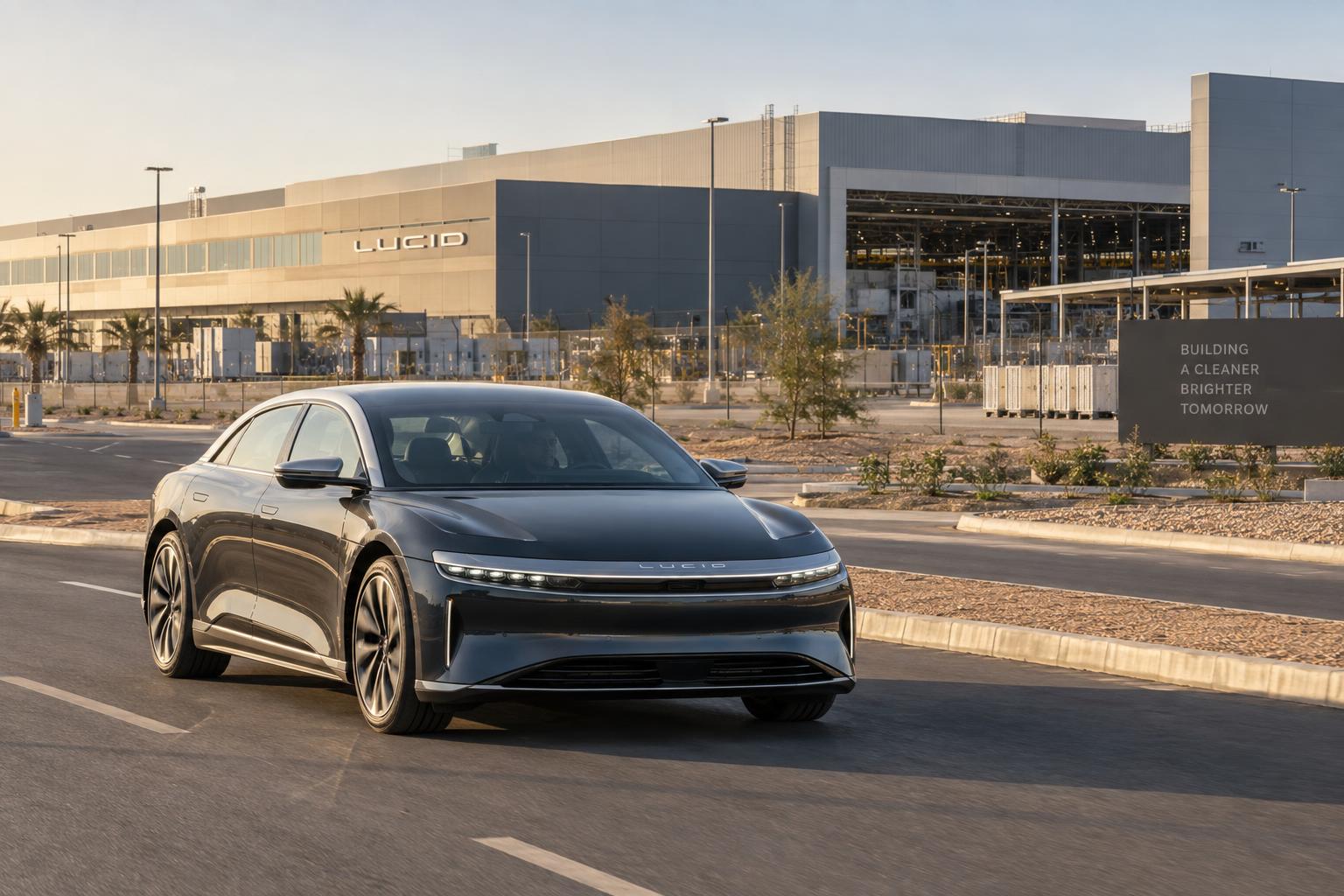
Lucid is preparing its Saudi Arabia facility to do far more than assemble imported vehicle kits. The company’s AMP-2 plant in King Abdullah Economic City is expected to gain key manufacturing operations including stamping, painting and battery pack assembly, a shift that would allow Lucid to build a larger share of each vehicle locally. At the same time, Lucid has pushed its planned Cosmos SUV launch to 2027, giving the company more time to manage costs, production readiness and its broader product roadmap.
For Saudi Arabia, the move is significant because it supports the country’s ambition to become a regional automotive manufacturing centre. For Lucid, it is a practical step towards reducing dependence on overseas production and building capacity closer to an important long-term market and investor base.
Lucid's Saudi Arabia plant is moving beyond assembly
Lucid opened its AMP-2 facility with a semi-knockdown assembly operation. This means partially built Lucid Air vehicles were shipped from the company’s Arizona factory, then reassembled in Saudi Arabia for final delivery. It allowed Lucid to begin local operations relatively quickly, but it was not the same as full vehicle manufacturing.
The next phase is intended to make AMP-2 a more complete manufacturing plant. Instead of receiving large pre-built sections of a vehicle, the facility will progressively take on processes that normally sit at the core of an automotive factory.
- Body panels can be produced or prepared locally through stamping operations.
- Vehicle bodies can receive paint treatment at the Saudi facility.
- Battery packs can be assembled closer to final vehicle production.
- More supplier, logistics and quality-control work can be located within the Kingdom.
This progression matters because local assembly is generally the first step in establishing an automotive industry. Full manufacturing requires much more equipment, trained labour, supplier support, quality systems and production planning.
What is changing at AMP-2?
Lucid’s planned additions at AMP-2 focus on the operations that turn components into a finished vehicle. Stamping, painting and battery pack assembly are particularly important because they are capital-intensive processes that sit close to the centre of vehicle production.
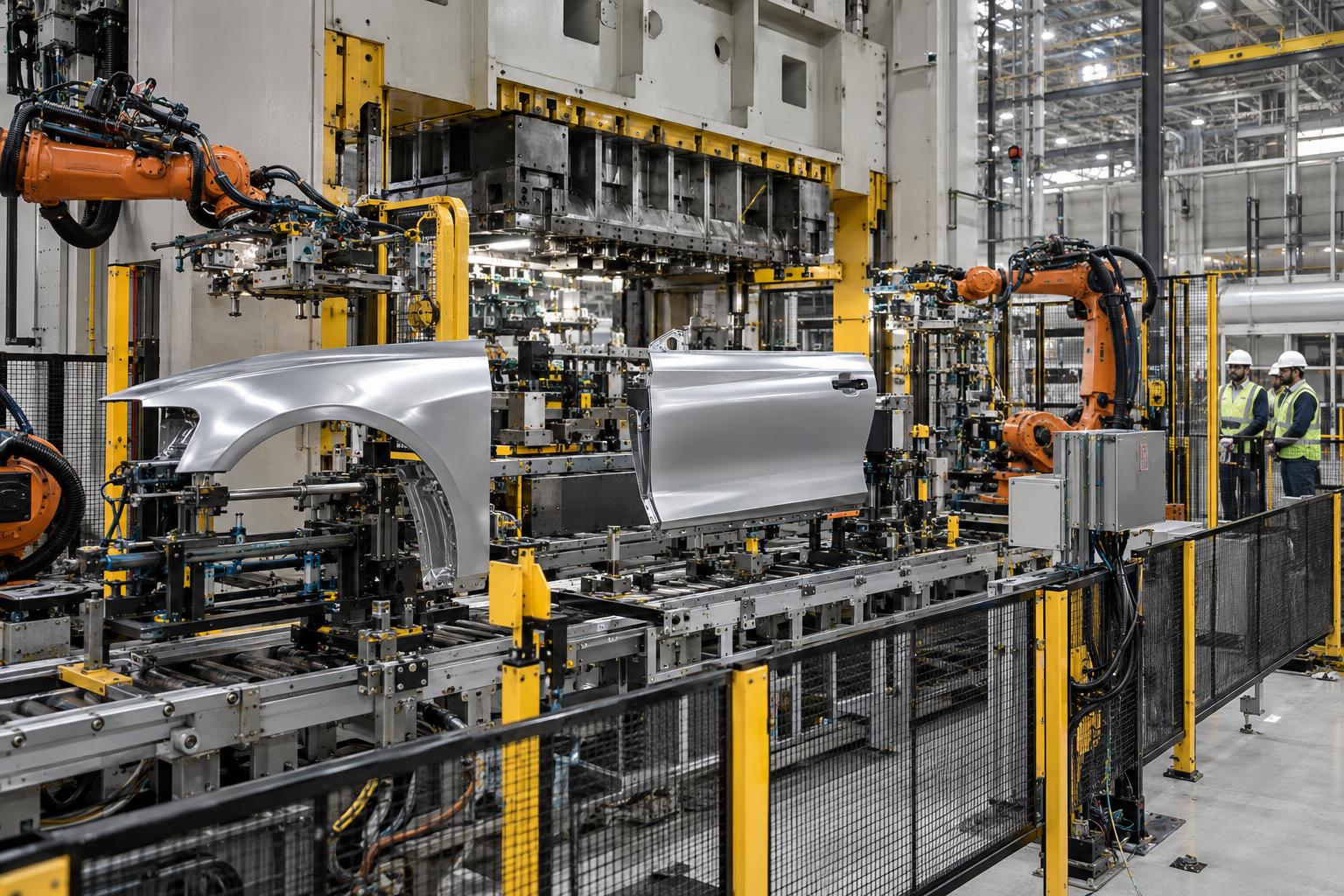
Stamping and body components
Stamping uses large presses and specialised dies to form metal panels such as doors, bonnets, roof sections and other body parts. A local stamping operation does not automatically mean every component will be made in Saudi Arabia, but it can reduce the need to ship certain bulky parts across continents.
For owners and buyers, this does not necessarily change the driving experience of a Lucid. It does, however, indicate that the Saudi plant is being developed as a genuine production base rather than only a final assembly location.
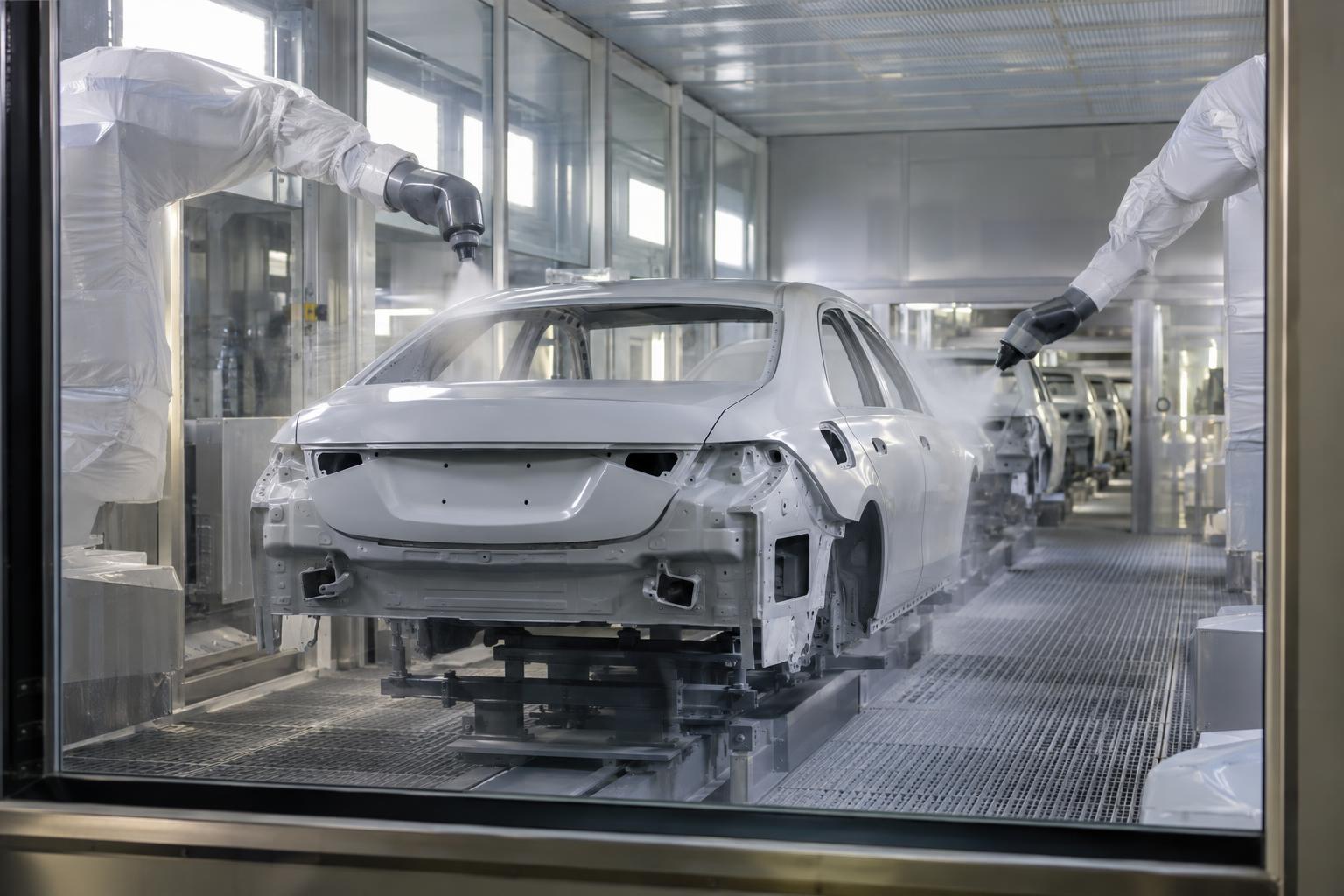
Paint shop capability
A paint shop is one of the most complex sections of a car factory. It requires tightly controlled conditions, extensive environmental equipment and consistent quality inspection, because paint quality affects corrosion protection as well as appearance.
Bringing painting closer to the final assembly line can improve manufacturing flexibility. It may also help Lucid tailor production planning for regional demand, although buyers should not assume that every colour or specification will immediately become Saudi-specific.
Battery pack assembly
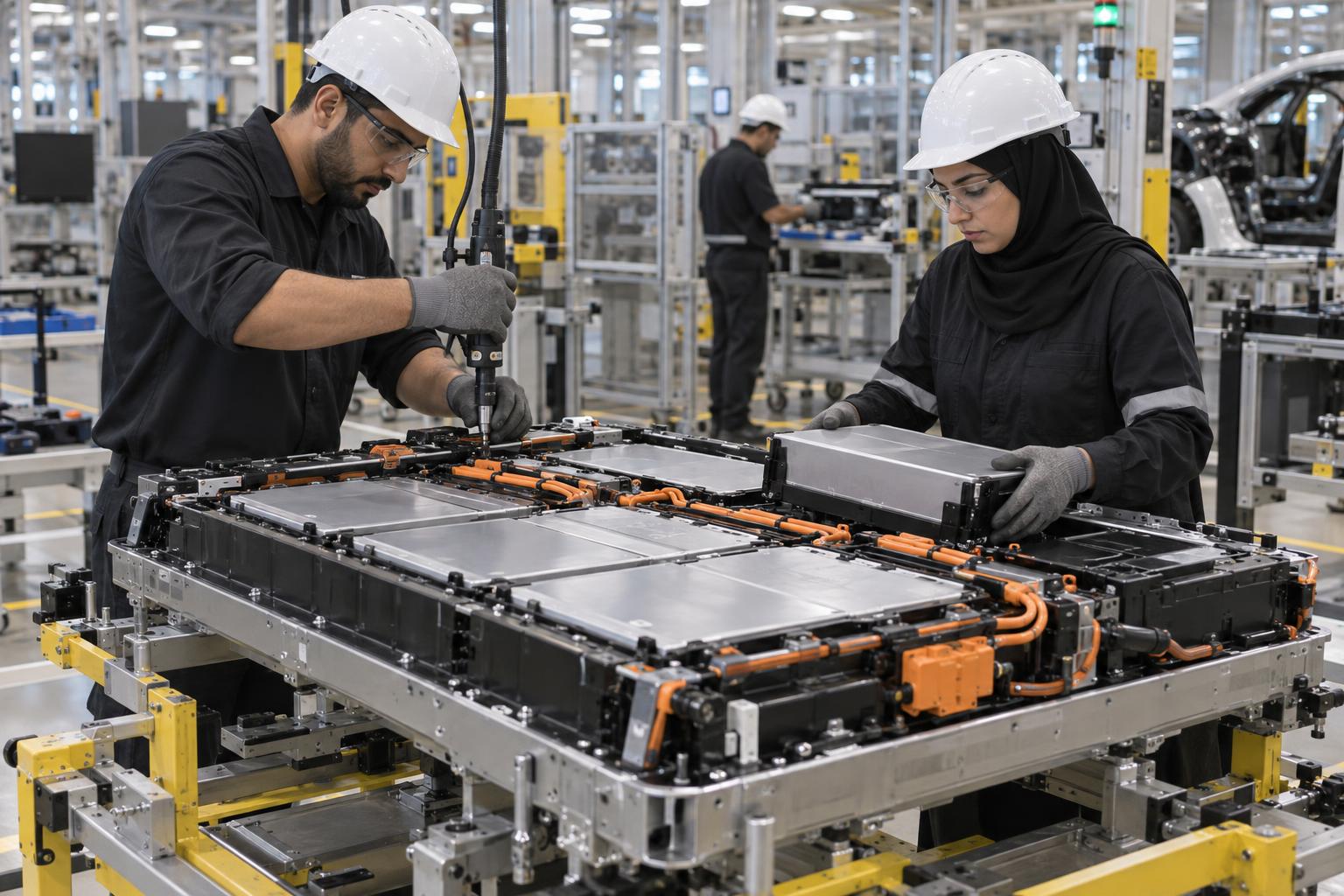
Battery pack assembly is another important part of the planned expansion. Battery cells may still come from specialist suppliers, but assembling modules, cooling hardware, structural elements and electronics into a finished pack closer to the vehicle line can increase local value added.
That is especially relevant for electric vehicle manufacturing. The battery is one of the most expensive and technically important parts of an EV, so local pack work is more meaningful than simply fitting imported packs into completed cars.
Lucid's production target of 150,000 units per year
Lucid has previously outlined a long-term production capacity target of 150,000 vehicles per year for AMP-2. That figure should be understood as a future plant capability target, not a prediction that the factory will immediately produce 150,000 cars annually.
Reaching that level depends on several factors: the completion of manufacturing phases, global demand for Lucid vehicles, stable access to components, workforce development and the company’s ability to finance the expansion. Automotive factories usually build output gradually as equipment is installed, staff are trained and quality processes mature.
A 150,000-unit capacity would nevertheless be substantial for the Saudi automotive sector. It would give Lucid room to serve domestic demand, the wider GCC and selected export markets, while supporting Saudi Arabia’s industrial diversification plans.
Lucid partners with Bolt to deploy autonomous vehicles built in Saudi Arabia
Lucid’s Saudi manufacturing plans also have a technology and mobility angle. The company has partnered with Bolt on the deployment of autonomous vehicles that are intended to be built in Saudi Arabia, linking local vehicle production with the growing interest in self-driving transport services.
Autonomous vehicle programmes need more than a capable electric car. They also need sensors, computing hardware, driving software, detailed mapping, remote support, fleet maintenance, insurance frameworks and approval from regulators. The vehicle is an important starting point, but it is only one part of the system.
Lucid’s electric architecture, large battery options and advanced software capability make its vehicles potentially attractive for premium autonomous fleet use. Still, commercial deployment will depend on how reliably the technology performs in real GCC operating conditions, including high temperatures, dust, heavy traffic and varied road layouts.
How many self-driving Lucid vehicles will Bolt deploy?
The planned programme covers up to 20,000 autonomous Lucid vehicles. That is an ambitious fleet target, and it should be viewed as a phased deployment rather than a number that will appear on the road at once.
Fleet roll-out will likely depend on regulatory approvals, operational testing, charging infrastructure and the performance of the autonomous driving system. The final number of vehicles placed into service may also depend on the commercial demand for robotaxi or autonomous transport services.
Why has the Cosmos SUV been delayed to 2027?
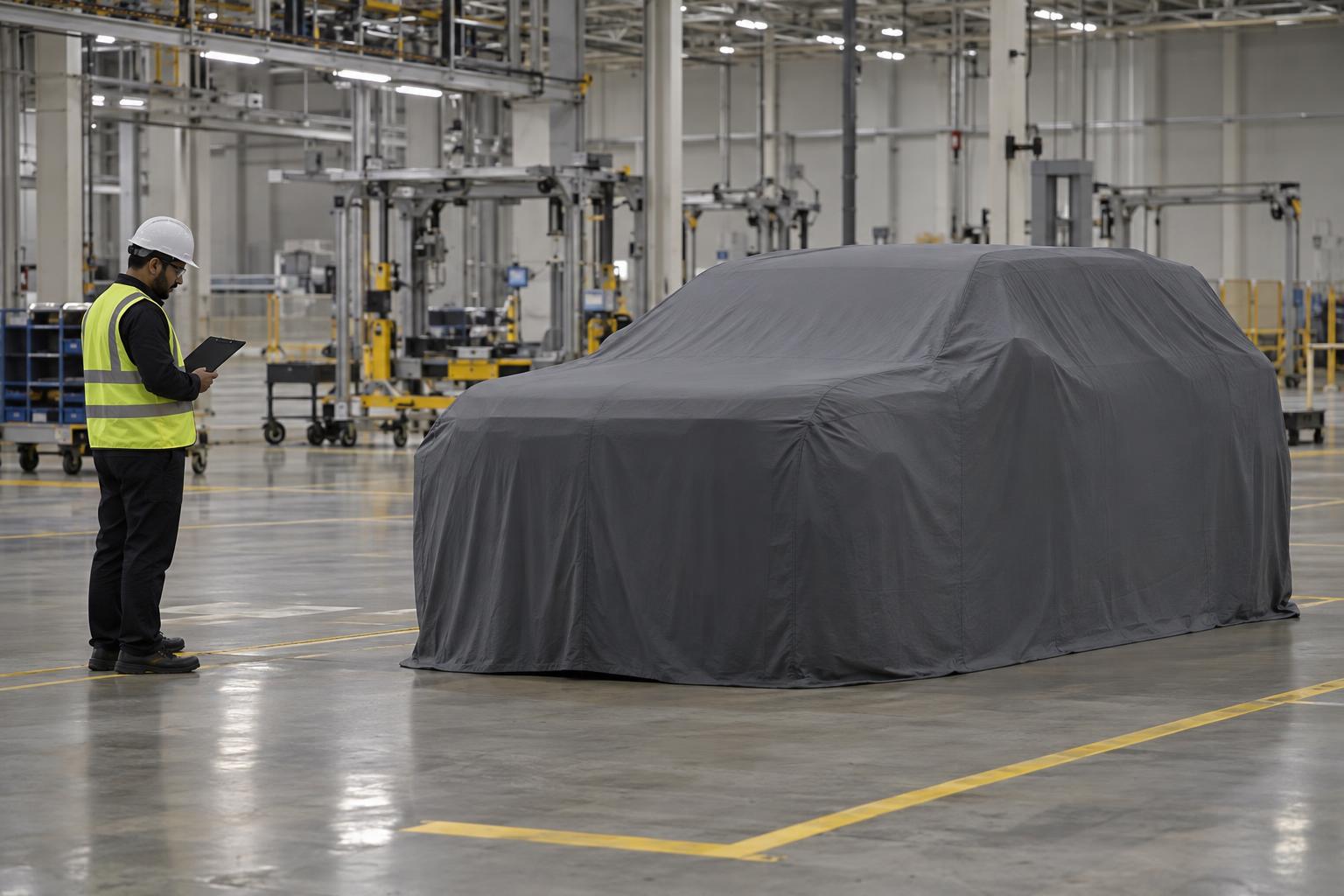
Lucid has delayed the Cosmos SUV to 2027, pushing the model beyond its earlier expected timing. The company has not framed the delay as a simple product cancellation, but it reflects the pressure on EV makers to control spending and prioritise programmes that can support near-term production and revenue.
Developing a new vehicle requires major investment in engineering, validation, tooling, suppliers and factory preparation. A more affordable or higher-volume SUV may be important to Lucid’s future, but launching it before the company is ready could create additional financial and quality risks.
The delay also gives Lucid more time to focus on current priorities, including production of the Lucid Air and Gravity, delivery execution, cost reduction and the expansion of its manufacturing footprint. In a competitive EV market, timing matters, but so do build quality, pricing and the ability to deliver vehicles consistently.
What the Cosmos delay means for Lucid's Saudi Arabia strategy
The Cosmos delay does not remove the importance of AMP-2. If anything, it highlights the need for Lucid to build the Saudi facility in stages that match realistic product volumes and available capital.
Saudi Arabia’s manufacturing strategy is designed for the long term. A delayed vehicle programme may affect the timing of future volume growth, but the wider plan still includes developing local skills, supplier networks, battery-related capabilities and export potential.
For prospective buyers, the key point is that a delayed Cosmos does not mean existing Lucid models are disappearing from the Saudi plan. It means the company is adjusting the order and pace of its future model launches while it develops a more capable local production operation.

Lucid's broader operational reset context
Lucid is making these decisions during a wider operational reset. Like many EV manufacturers, it has faced the difficult combination of high development costs, expensive factory expansion, uneven demand growth and strong competition from established carmakers and newer electric brands.
The company needs to balance its premium image with the practical need to increase volumes and improve efficiency. That involves reducing production costs, managing inventory carefully, improving manufacturing throughput and choosing where to spend limited engineering and investment resources.
Saudi Arabia remains central to that effort because the Public Investment Fund is Lucid’s largest shareholder and the Kingdom is a major part of the company’s manufacturing and growth strategy. However, financial backing does not remove the execution challenge. Lucid still needs to convert factory plans and future product announcements into reliable deliveries at sustainable margins.
Key takeaways for Lucid's Saudi Arabia manufacturing push
- AMP-2 is progressing beyond semi-knockdown assembly towards more complete vehicle manufacturing.
- Planned capabilities include stamping, painting and battery pack assembly.
- Lucid’s long-term Saudi capacity target is 150,000 vehicles per year, but ramp-up will take time.
- The Bolt agreement targets deployment of up to 20,000 autonomous Lucid vehicles.
- The Cosmos SUV has been delayed to 2027, allowing Lucid to prioritise cost control and operational readiness.
- Saudi Arabia remains a strategic manufacturing base for Lucid, but the success of the plan depends on execution, demand and local supply-chain development.
For the GCC car market, Lucid’s Saudi expansion is worth watching because it could bring a major EV brand’s production closer to regional buyers. The near-term story is less about an instant jump to full-scale output and more about a gradual transition from assembly to deeper manufacturing capability.
People Also Ask
Where is Lucid's Saudi Arabia factory located?
Lucid’s AMP-2 manufacturing facility is located in King Abdullah Economic City on Saudi Arabia’s Red Sea coast. The site is intended to serve local, regional and potential export production over time.
Is Lucid building complete cars in Saudi Arabia?
Lucid began with semi-knockdown assembly in Saudi Arabia. Its planned expansion into stamping, painting and battery pack assembly is designed to move the plant towards more complete local vehicle manufacturing.
What is Lucid's Saudi production target?
Lucid has stated a long-term target of up to 150,000 vehicles per year at its Saudi facility. This is a future capacity goal, not an immediate annual production figure.
When will the Lucid Cosmos SUV launch?
Lucid has delayed the Cosmos SUV to 2027. The revised timing gives the company more room to manage development costs, manufacturing preparation and its current vehicle programmes.
How many autonomous Lucid vehicles could Bolt deploy?
Bolt’s planned deployment could reach up to 20,000 autonomous Lucid vehicles. The programme is expected to be introduced in stages and remains dependent on testing, regulation and fleet operations.


