

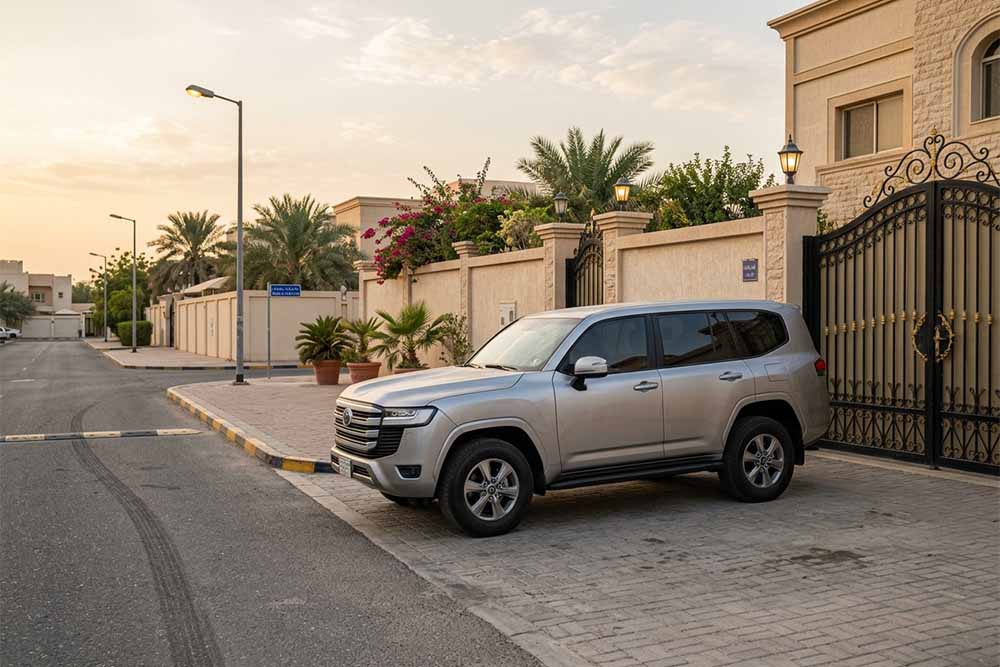
Kuwait has begun rolling out a smart home vehicle impoundment system that allows eligible vehicles ordered off the road for traffic offences to complete their impoundment period at a designated home location instead of remaining in a traffic department yard.
The General Traffic Department, under Kuwait’s Ministry of Interior, began applying the system on September 6, 2026. Vehicles are electronically monitored through a smart device, while owners pay an installation charge and a daily impoundment fee.
Kuwait smart home vehicle impoundment changes how cars are held
Under the new process, the smart impoundment device is fitted to the vehicle at the location where the traffic offence is recorded. The official impoundment period then begins at midnight on the same day.
That timing gives the motorist a window to move the vehicle to the approved home impoundment location before the restriction formally starts.
The confirmed operating points include:
- A KD10 fee for installation of the smart monitoring device.
- A KD2 charge per day while the vehicle remains under impoundment.
- Vehicles already in traffic impound yards can be transferred to complete the remaining period at home.
The Ministry of Interior says the change forms part of its wider push to expand digital traffic services, simplify procedures and make enforcement processes more efficient.
Sahel app handles the end-of-impoundment notification

Once the required impoundment period has been completed, the owner receives a notification through Kuwait’s Sahel government services app.
The owner must then visit a location specified by the General Traffic Department to complete the formal release process. The vehicle is therefore not automatically cleared for normal use simply because the impoundment period has expired.
Drivers using the system should expect the process to involve:
- Keeping the vehicle at the approved location throughout the restricted period.
- Waiting for the Sahel notification confirming the period has ended.
- Completing the required release procedures before returning the vehicle to normal use.
Electronic monitoring is central to the system
The ministerial framework establishing smart home vehicle impoundment requires the monitoring device to remain in place and sets conditions for its use.
Owners must not tamper with or damage the device, should report a malfunction and must comply with restrictions placed on the vehicle during the impoundment period.
Kuwait’s General Traffic Department later said breaking a home impoundment order carries a KD50 penalty. The vehicle can then be returned to an impound yard, while the motorist may also be referred to court if the authorities consider further action necessary.
First-day figures show the system is already in use
The September 6 launch was followed by the first reported enforcement figures a day later. Kuwait’s General Traffic Department said 53 vehicles had been placed under home impoundment on the first day of implementation.
According to the department:
- 47 vehicles were associated with the Doha impoundment garage.
- Six vehicles were associated with the Jleeb Al-Shuyoukh impoundment garage.
- Vehicles using the system remain electronically monitored during the impoundment period.
The early figures confirm that the scheme is no longer simply a proposed traffic measure. It is now part of Kuwait’s active vehicle enforcement system.
Which drivers can use Kuwait’s home impoundment system?
The system does not apply to every traffic fine. It is intended for vehicles whose offences carry an impoundment requirement under Kuwait’s approved traffic rules and procedures.
The ministerial framework also allows owners of certain vehicles already held by traffic authorities to request home impoundment, subject to the conditions established by the General Traffic Department.
What the September rollout announcement does not provide is a new standalone list covering every offence eligible for home impoundment. Drivers should therefore follow the classification and instructions issued by the traffic authorities for their individual violation rather than assuming the option is available in every case.
Why Gulf drivers should pay attention
For motorists in Kuwait, the biggest difference is practical. An eligible impounded vehicle may remain at an approved home location rather than spending the entire period in a government impound yard, but the car is still legally restricted and monitored.
The development also highlights the continued expansion of digital traffic services across the Gulf. However, Kuwait’s smart home vehicle impoundment rules are specific to Kuwait and should not be assumed to apply in the UAE or other GCC countries.
Home impoundment changes the location, not the penalty
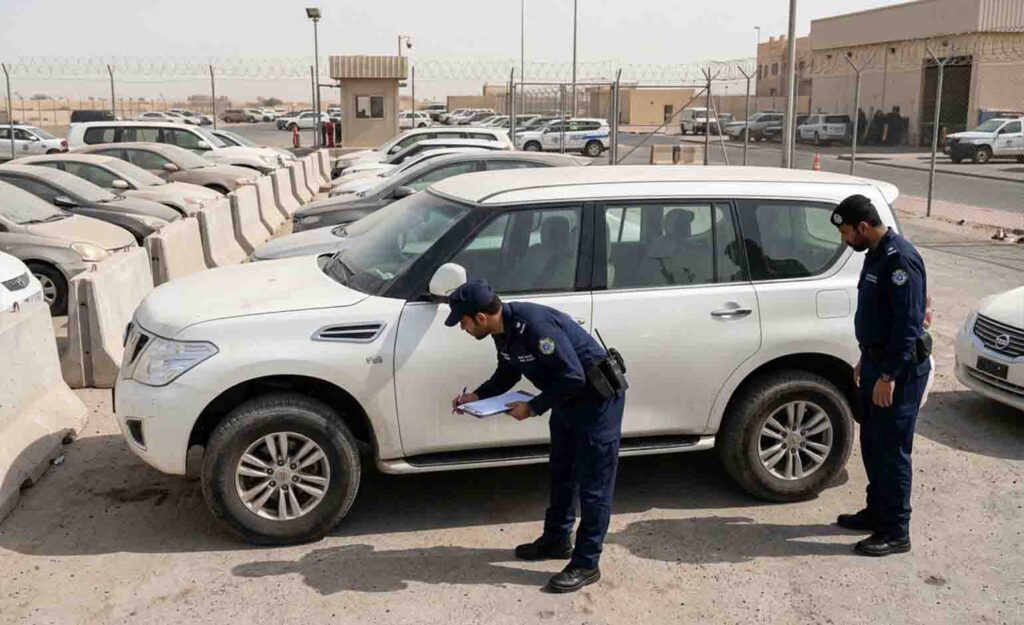
Kuwait’s new system changes where an eligible vehicle can serve its impoundment period, rather than removing the impoundment penalty itself.
Motorists still need to keep the vehicle at the approved location, avoid interfering with the monitoring system, pay the applicable charges and complete the General Traffic Department’s formal release procedures before using the car again.


