

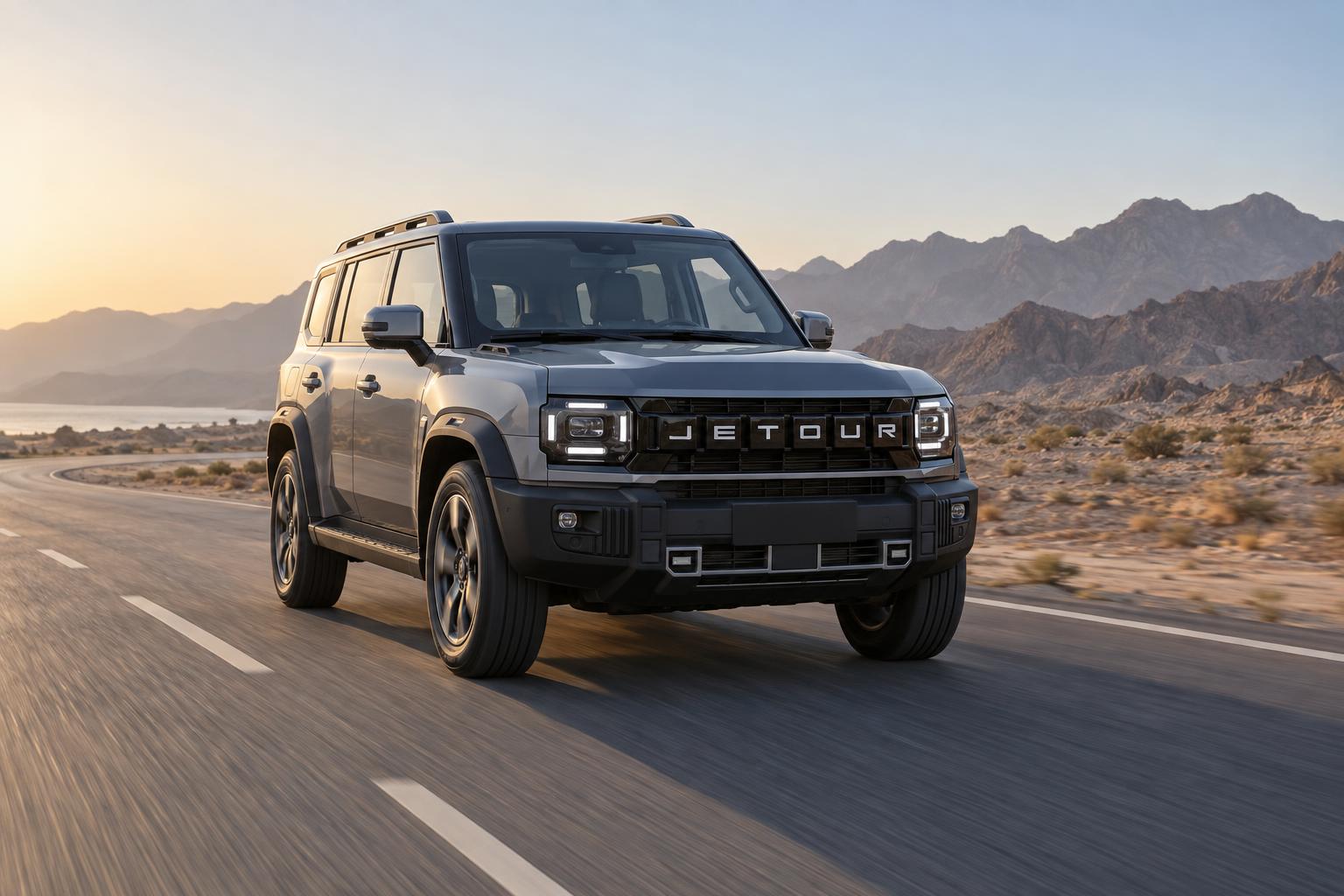
JETOUR is positioning itself in the Middle East as more than an SUV manufacturer. Through its Travel+ strategy, the Chinese brand is linking its vehicles with tourism, outdoor experiences, major events and destination-focused partnerships, aiming to become part of how customers explore the GCC rather than simply the company that sold them a car.
Two recent moves illustrate that direction: a collaboration with Condé Nast Traveller Middle East in Dubai and its appointment as Global Car Supplier for the FIBA Basketball World Cup 2027 in Qatar. Both partnerships put JETOUR in front of audiences whose interests extend beyond conventional motoring, and both support a wider attempt to build a recognisable travel lifestyle identity in the region.
JETOUR's Travel+ strategy moves beyond car sales in the Middle East
Travel+ is JETOUR's long-term brand concept. It is built around the idea that a vehicle should support journeys, family trips, outdoor activities and cross-border exploration, rather than being marketed only through horsepower, equipment levels or monthly instalments.
That approach is particularly relevant in the Gulf. Buyers often expect an SUV to handle daily commuting, school runs, long highway trips, weekend camping and visits to destinations such as mountain roads, beaches and desert camps. JETOUR's product range, which includes models such as the T2, X70, X90 Plus and Dashing, is therefore marketed around versatility and experience as much as practical transport.
- Family-oriented travel and road trips
- Outdoor recreation and destination discovery
- SUV ownership as part of an active lifestyle
- Partnerships with travel, tourism and sports organisations
- Events that bring the brand into non-automotive spaces
The strategy does not replace traditional vehicle marketing. JETOUR still needs to explain warranty coverage, dealer support, fuel economy, cabin space and off-road capability. However, Travel+ gives the company a broader story to tell in a crowded regional market where many brands offer similarly equipped crossovers and SUVs.
What happened at the Condé Nast Traveller Middle East event in Dubai?
JETOUR used a Condé Nast Traveller Middle East event in Dubai to reinforce its connection with travel culture and premium experiences. The occasion placed the brand alongside an audience interested in destinations, hospitality, lifestyle and curated journeys, rather than solely among people actively shopping for a vehicle.
For JETOUR, the value is not just event visibility. Being associated with a respected travel publication helps the company present Travel+ in a setting where the message makes natural sense. A brand built around journeys benefits from being seen in conversations about where people go, how they travel and what experiences they want from their time on the road.
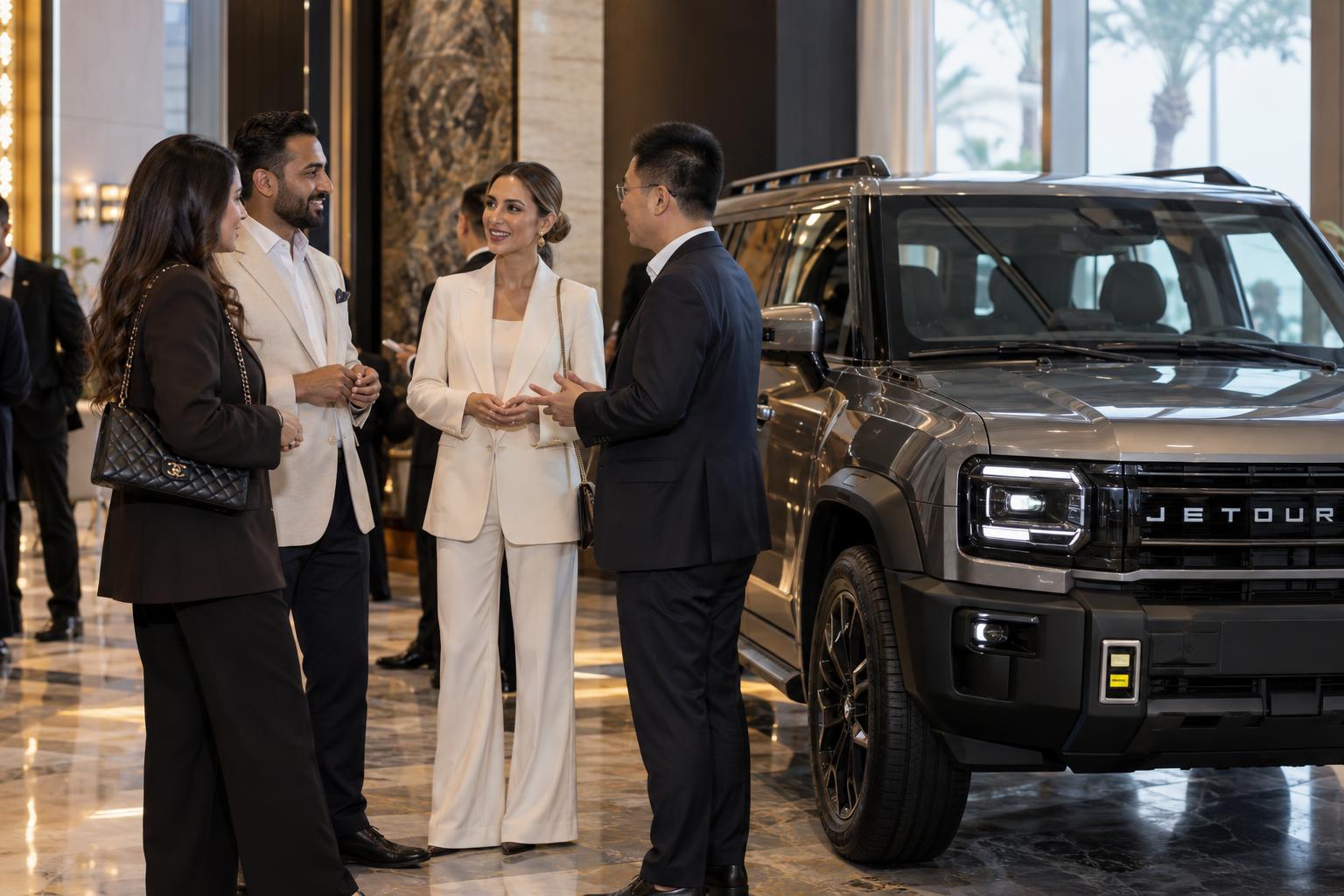
Dubai is also a logical location for this type of activity. It is a major regional tourism hub, a gateway for GCC road trips and a market where customers are familiar with lifestyle-led automotive brands. The city gives JETOUR access to media, travel industry figures, content creators and potential buyers from across the region.
Why partner with a travel media brand instead of a motoring one?
A motoring media partnership can be useful for explaining a new model's specifications, safety systems and driving behaviour. A travel media partnership does something different: it reaches people when they are thinking about holidays, weekends away, family experiences and destination planning.
That distinction matters for JETOUR. The company is trying to make its name feel relevant before a customer starts comparing engine outputs, finance offers or resale values. If the Travel+ concept is successful, buyers may begin to associate JETOUR with the idea of getting out and using their vehicle, not only with the vehicle itself.
Reaching customers outside the normal car-buying moment
Many people do not follow car reviews until they need to replace a vehicle. Travel content can reach them much earlier, especially those considering a family SUV for a more flexible lifestyle. This does not guarantee a sale, but it can improve brand awareness and create a more distinctive emotional link than a standard showroom campaign.
It is also a practical fit for the GCC, where road travel remains important despite strong air connectivity. Residents regularly drive between cities, visit neighbouring emirates or states, and take weekend trips that require space, comfort and confidence on mixed road surfaces.
JETOUR named Global Car Supplier for FIBA Basketball World Cup 2027 in Qatar
JETOUR has also been named Global Car Supplier for the FIBA Basketball World Cup 2027 in Qatar. The tournament will be a significant international sporting event for Qatar and the wider region, bringing teams, officials, media and fans together around a global competition.
For JETOUR, the appointment creates a different kind of visibility from the Condé Nast Traveller collaboration. Travel media connects the brand with leisure and exploration, while a major sports tournament places it in a high-profile environment focused on movement, logistics, spectators and international visitors.
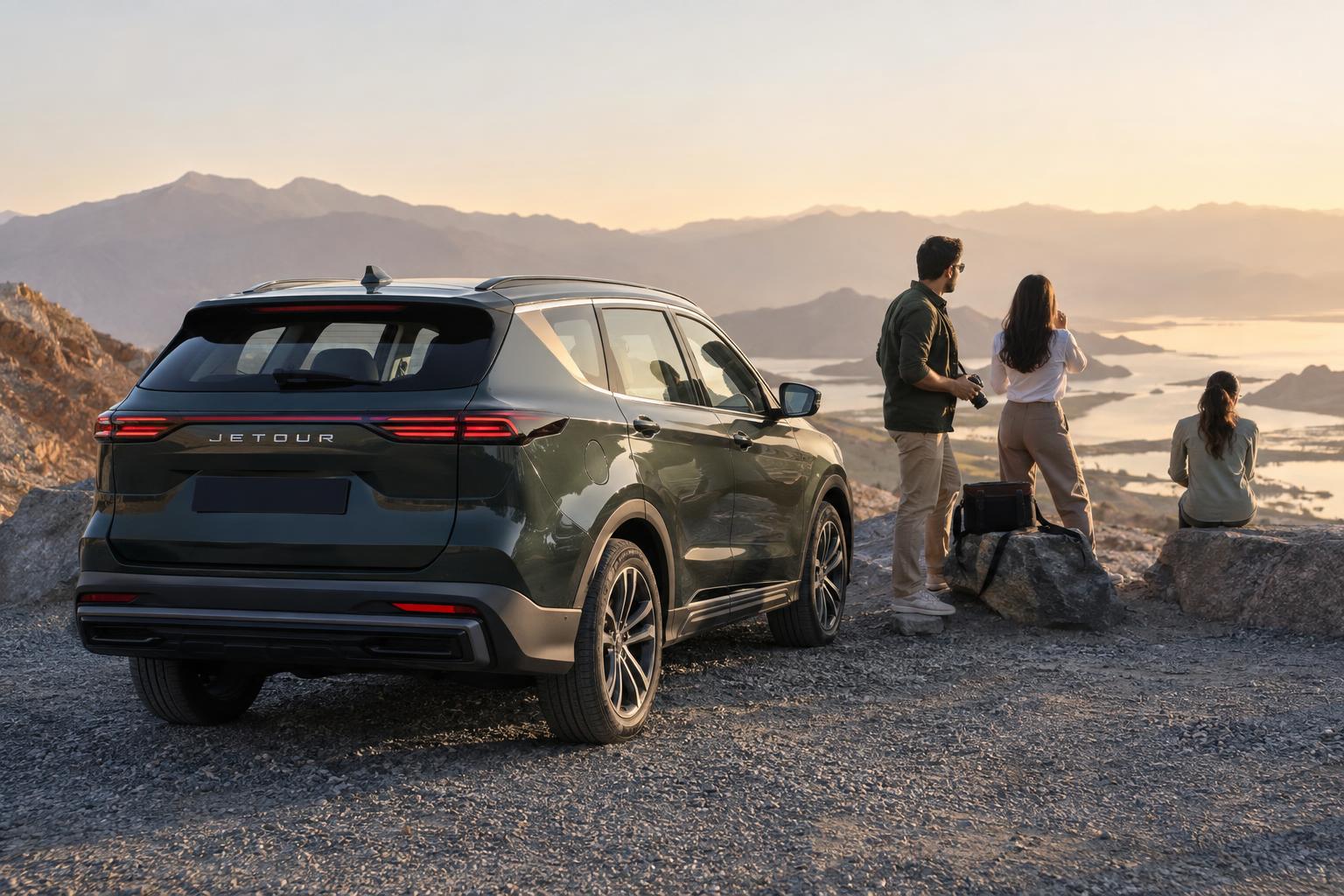
What the FIBA partnership involves and why Qatar 2027 matters
As a Global Car Supplier, JETOUR is expected to support tournament mobility requirements with vehicles used by organisers and event stakeholders. The exact fleet composition and operational details may vary closer to the event, but such partnerships typically involve transport support for officials, guests, delegations and event operations.
The FIBA Basketball World Cup 2027 is scheduled to take place in Qatar, giving JETOUR a major regional platform. Qatar has already demonstrated its ability to host international sport at scale, and the basketball tournament will attract global attention while also engaging a large regional fan base.
- High international visibility for the JETOUR name
- A practical opportunity to demonstrate fleet and mobility capability
- Association with a globally recognised sports property
- Access to audiences across the Middle East and international markets
- Longer-term marketing activity in the lead-up to 2027
Sports sponsorships can be expensive and difficult to measure purely through immediate sales. Their real value often comes from building familiarity and trust over time. For a relatively young automotive brand expanding rapidly in the GCC, an official role at an event of this scale can help establish credibility with customers who may still be learning what JETOUR represents.
How the two moves fit together as a travel ecosystem push
The Condé Nast Traveller Middle East collaboration and the FIBA partnership look different on the surface, but they support the same broad message. One focuses on personal travel and lifestyle, while the other connects JETOUR to large-scale mobility around an international event.
Together, they help JETOUR present Travel+ as an ecosystem rather than a single advertising slogan. The idea is that JETOUR can be relevant when customers plan a mountain drive, organise a family holiday, attend a sporting event or simply need an SUV that can make everyday travel easier.
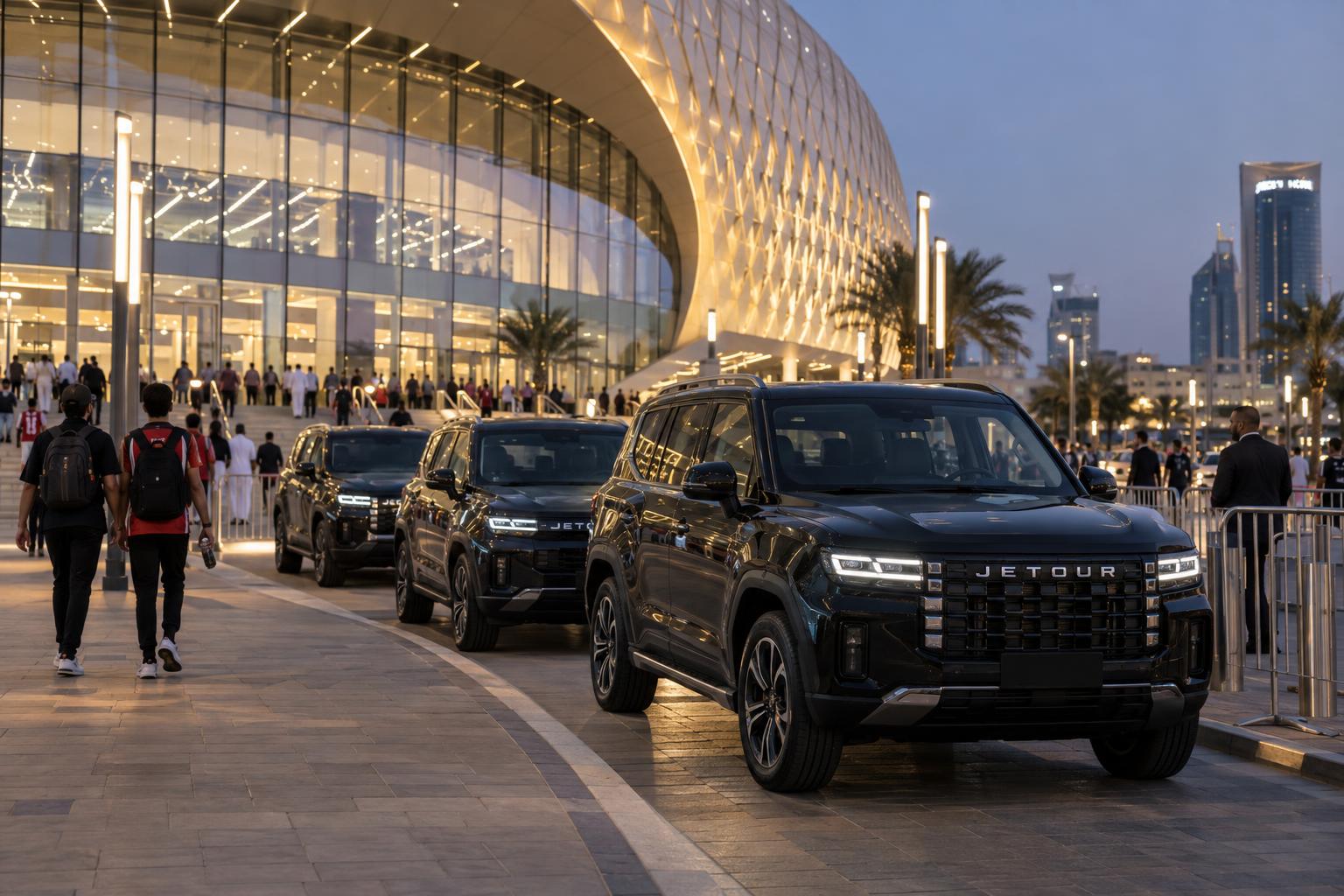
From product features to real-world use cases
Most car advertisements promise adventure in some form. The challenge is making that promise feel believable. JETOUR's partnerships aim to put the brand in contexts where travel is already the central theme, which can make its positioning more credible than relying only on studio images or specification sheets.
For buyers, the useful question remains straightforward: does the vehicle suit their actual needs? A lifestyle campaign may attract attention, but ownership satisfaction will still depend on ride comfort, service quality, parts availability, safety equipment, running costs and how the car performs in regional heat and traffic.
Is this different from JETOUR's usual model-launch marketing in the region?
Yes, although it complements rather than replaces it. Conventional launch marketing is usually model-specific. It focuses on a new vehicle's design, engine, interior technology, price, warranty and availability through local dealers.
Travel+ marketing is more brand-led. It seeks to create a reason for customers to remember JETOUR even when no new model is being launched. That is especially useful as the brand expands its line-up, because a consistent lifestyle identity can connect very different models under one message.
| Marketing approach | Main focus | What customers are likely to see |
|---|---|---|
| Traditional model launch | A specific new vehicle | Prices, specifications, test drives, dealer offers and feature demonstrations |
| Travel+ brand activity | The wider JETOUR lifestyle proposition | Travel partnerships, destination content, events and experience-led campaigns |
| Major sports partnership | Scale, mobility and international visibility | Official-event branding, vehicle fleets and fan-facing activity |
The risk, as with any broad branding campaign, is that the message can become disconnected from the ownership experience. JETOUR will need its regional distributor network to deliver consistently on after-sales service and customer support if it wants the lifestyle promise to turn into long-term loyalty.
What this brand strategy could mean for JETOUR buyers and the wider GCC market
For prospective buyers, the immediate effect may be more travel-oriented events, driving experiences and content around destinations in the UAE, Saudi Arabia, Qatar and other GCC markets. JETOUR may also use these partnerships to create customer communities, road-trip programmes or event access opportunities, although individual market activities will depend on local distributors.
More broadly, the strategy reflects how competitive the GCC automotive market has become. New and established manufacturers are not only competing on price and equipment. They are competing for trust, relevance and the ability to make a customer feel that a vehicle suits the life they want to live.
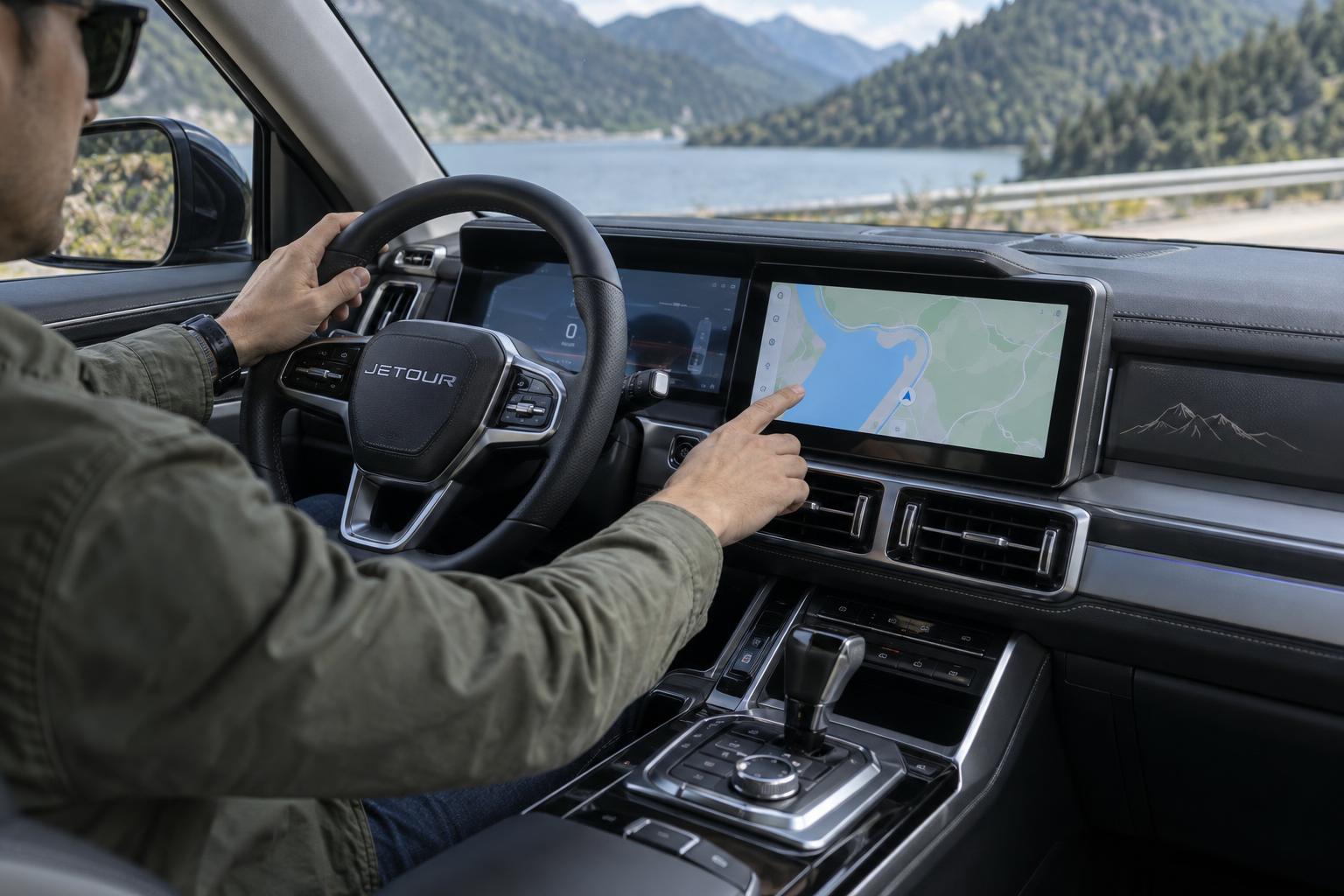
Chinese brands have gained substantial ground in the region by offering high equipment levels and competitive pricing. The next step for many of them is building stronger identities that can stand alongside established Japanese, Korean, American and European names. A sustained Travel+ platform gives JETOUR a clearer route to doing that than a sequence of isolated model campaigns.
What buyers should still check before choosing a JETOUR
Brand partnerships can be appealing, but they should not be the deciding factor when buying a vehicle. Anyone considering a JETOUR should assess the model, dealer and ownership package in their own market.
- Compare the warranty terms, including mileage limits and exclusions.
- Ask about routine service costs and the availability of replacement parts.
- Test the seating, luggage capacity and rear air-conditioning for family use.
- Check safety features on the exact trim level, not only the flagship version.
- Consider fuel consumption, tyre costs and insurance before committing.
- Research local resale values if a short ownership period is likely.
For drivers who genuinely use an SUV for frequent road trips, the most relevant factors are likely to be comfort, range, storage, reliability and support away from home. Those fundamentals matter more than any sponsorship, even when the sponsorship is part of a well-executed brand strategy.
Key takeaways
- JETOUR is expanding its Travel+ positioning beyond conventional vehicle advertising in the Middle East.
- The Condé Nast Traveller Middle East activity in Dubai links the brand with travel, destinations and lifestyle audiences.
- Its role as Global Car Supplier for the FIBA Basketball World Cup 2027 in Qatar adds international sports visibility and a mobility-focused use case.
- Both moves support an effort to build a broader travel ecosystem around the JETOUR name.
- For buyers, the strategy may bring more experiences and stronger brand awareness, but vehicle suitability and after-sales support should remain the priority.
People Also Ask
What is JETOUR Travel+?
Travel+ is JETOUR's brand strategy built around travel, family journeys, outdoor experiences and lifestyle-led vehicle ownership. It is designed to position JETOUR SUVs as companions for exploration rather than only daily transport.
What is JETOUR's role in the FIBA Basketball World Cup 2027?
JETOUR has been named Global Car Supplier for the FIBA Basketball World Cup 2027 in Qatar. The partnership is intended to support event mobility and give the brand visibility around the tournament.
Why is JETOUR working with Condé Nast Traveller Middle East?
The partnership helps JETOUR reach people interested in destinations, hospitality and travel experiences. It supports the company's Travel+ message in a setting that is not limited to traditional automotive marketing.
Will JETOUR customers get benefits from these partnerships?
Potential benefits may include travel-themed events, customer experiences and stronger brand activity in GCC markets. Specific offers or access will depend on local JETOUR distributors and future campaign details.
Is JETOUR a good choice for GCC road trips?
That depends on the specific model and how it is equipped. Buyers should consider cabin space, comfort, cooling performance, service coverage, fuel use, safety features and the type of roads they expect to drive on most often.


