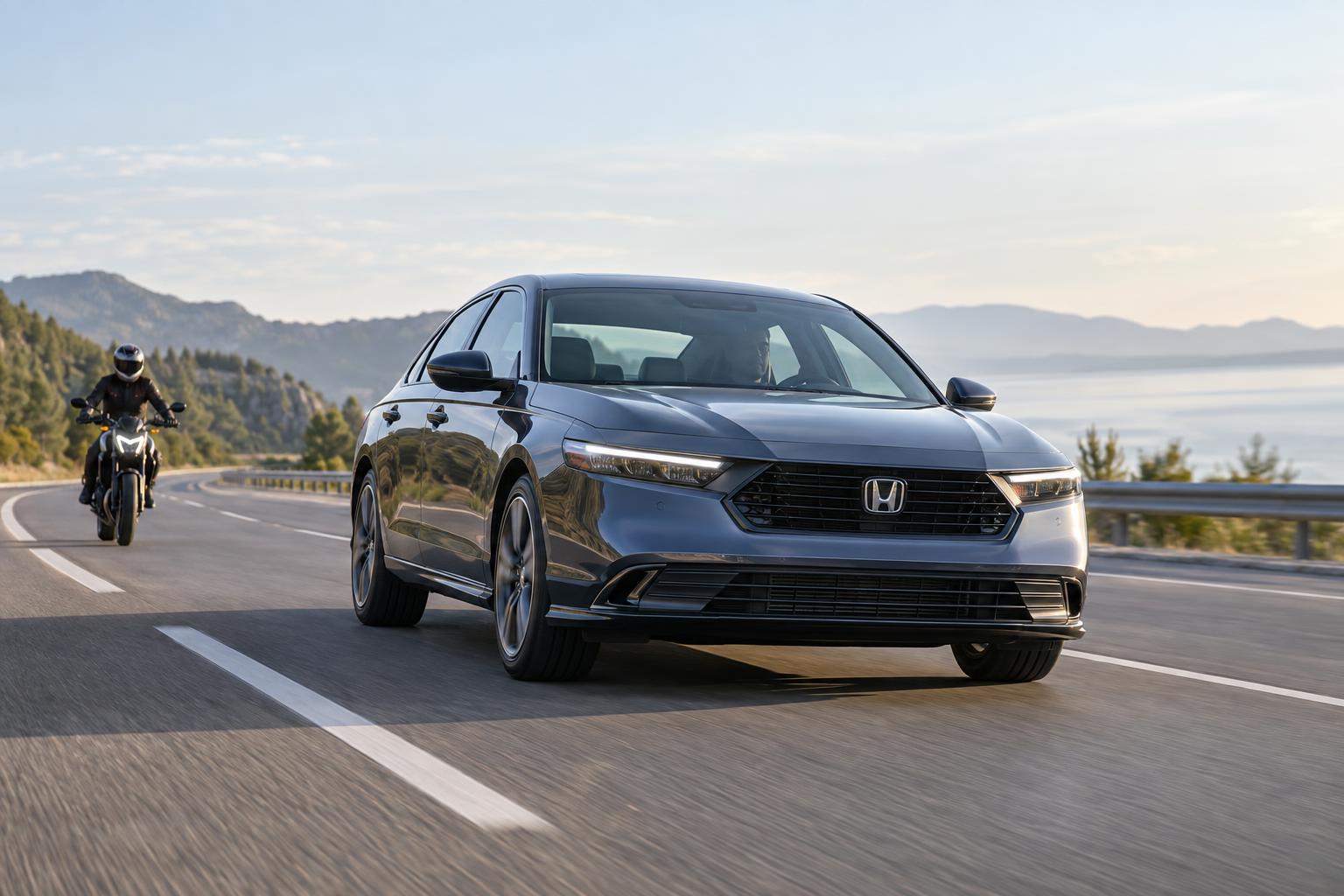
Honda has become the first automaker to receive a five-star Products/Services rating under the FIA Road Safety Index, a framework designed to assess how organisations contribute to safer mobility. The recognition reflects Honda's wider approach to road safety, from vehicle technologies and rider education to partnerships that address real-world risks in markets such as the UAE.
The milestone was recognised during the Italian Grand Prix weekend at Monza. For GCC motorists and industry observers, it is a reminder that road safety is not limited to crash-test scores or traffic fines. It also depends on the products, training, services and partnerships that help prevent incidents before they happen.
What is the FIA Road Safety Index and why does it matter?
The FIA Road Safety Index is an international assessment framework developed by the Fédération Internationale de l'Automobile. It helps organisations measure and improve their road-safety performance through a structured, independently assessed approach.
Rather than looking only at a company's own vehicle fleet, the Index can examine a broader safety contribution. This includes the way an organisation manages road risk, develops products and services, supports safe mobility and engages with employees, customers and communities.
- Management systems: how road-safety responsibilities, targets and reporting are organised.
- Road-risk reduction: practical actions intended to prevent collisions and reduce harm.
- Products and services: how a company's offerings can support safer road use.
- Continuous improvement: whether progress is measured and reviewed over time.
This matters because road crashes remain a major public-health and mobility issue worldwide. A recognised framework gives companies, regulators and customers a clearer way to judge whether safety commitments are supported by measurable action.
How the rating scale was expanded from three stars to five stars
The FIA Road Safety Index originally used a three-star scale. Its expansion to five stars creates more room to distinguish organisations that meet core requirements from those demonstrating a more advanced and wider-reaching safety contribution.
A five-star result should not be read as a claim that every vehicle journey is risk-free. Instead, it indicates that an organisation has met a high standard within the relevant assessment category and has shown a mature approach to managing and improving road safety.
| Rating level | What it indicates |
|---|---|
| One to three stars | Progressive levels of road-safety management and implementation against the Index criteria. |
| Four stars | A strong and established safety approach with evidence of consistent performance. |
| Five stars | The highest level in the expanded scale, recognising advanced road-safety performance in the assessed category. |
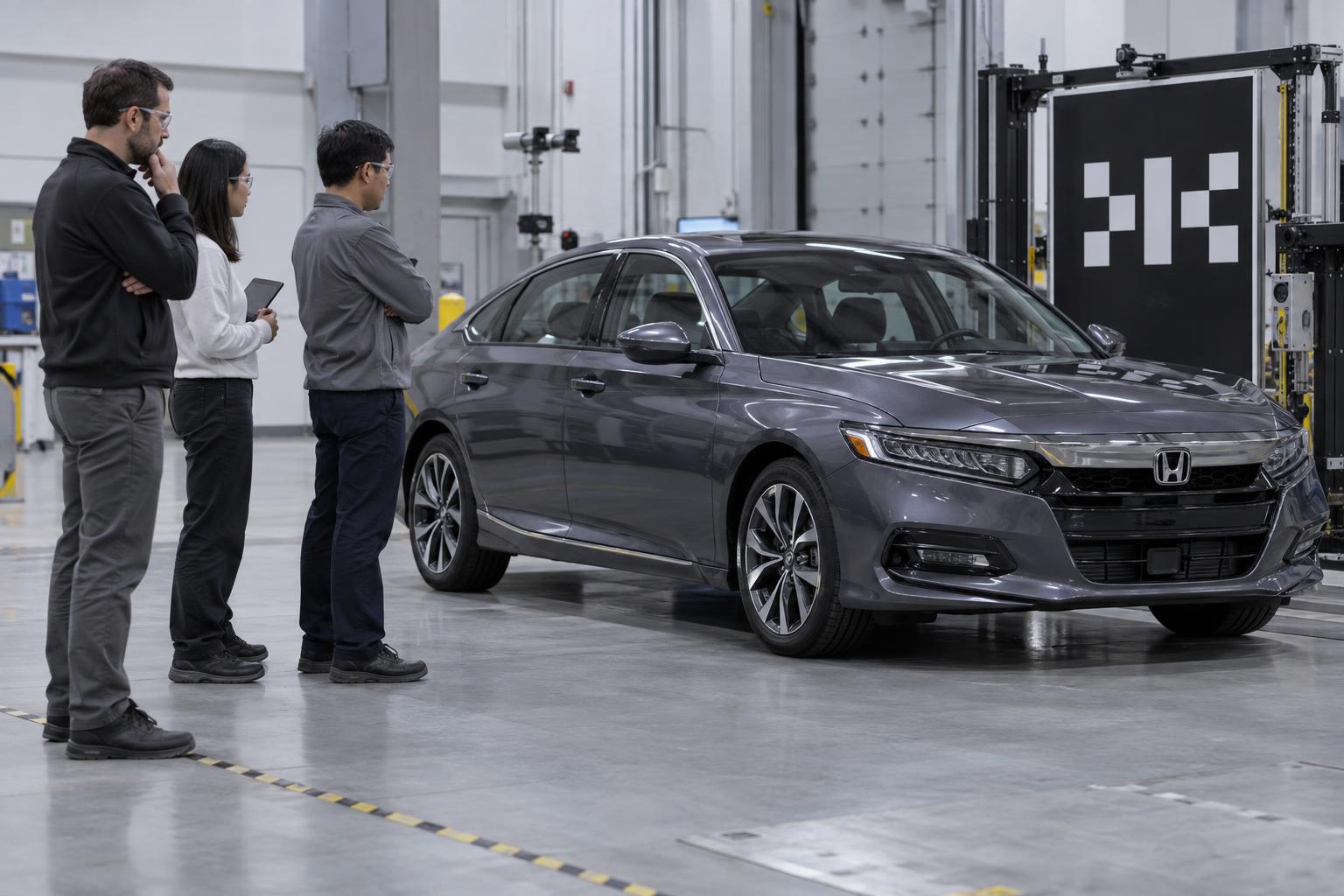
Recognition at the Italian Grand Prix in Monza
Honda's five-star recognition was presented around the Italian Grand Prix at Monza, one of motorsport's most prominent annual events. The setting is fitting because the FIA's work links competition, mobility policy and wider public-road safety initiatives.
For Honda, the announcement places a formal external rating alongside its long-running safety ambitions across cars, motorcycles and other mobility products. Motorsport does not automatically translate into safer public roads, but the visibility of the event helps bring attention to the importance of safer road-user behaviour, technology and education.
What the five-star Products/Services rating means for Honda globally
Honda's rating applies specifically to the FIA Road Safety Index Products/Services category. It recognises the company's approach to providing products and related services intended to make mobility safer, rather than acting as a blanket safety rating for every Honda model sold in every market.
In practical terms, this can include the development and availability of safety-focused technologies, mobility solutions and initiatives that help users make safer decisions. The exact equipment fitted to a Honda vehicle still varies by model, trim level and country specification, so buyers in the GCC should always check the local brochure and dealer listing.
Safety remains model- and market-specific
A global corporate rating is useful context, but it should not replace vehicle-by-vehicle research. When comparing a new or used Honda, buyers should confirm the presence of features such as airbags, stability control, rear-view cameras, parking sensors, tyre-pressure monitoring and driver-assistance systems.
Advanced driver-assistance features can provide an additional layer of support, but they do not remove the driver's responsibility. Safe following distances, correct tyre pressures, seat-belt use and alert driving remain especially important in the UAE's high-speed and high-temperature conditions.

Honda's Middle East connection to road safety
Honda's global recognition is relevant in the Middle East because the region has its own road-safety priorities. Fast-moving highways, mixed traffic, intense summer heat and a large delivery-rider workforce all create situations where good training and safer vehicles can make a meaningful difference.
In the UAE, road safety is supported through enforcement, infrastructure improvements, awareness campaigns and private-sector participation. Automotive distributors can contribute by helping customers understand vehicle safety systems and by working with government bodies on targeted programmes for higher-risk groups.
Al-Futtaim Honda partners with Dubai's RTA on motorcycle safety training
Al-Futtaim Honda has worked with Dubai's Roads and Transport Authority on motorcycle safety training aimed at delivery riders. The initiative addresses a practical concern in a city where food, grocery and parcel deliveries form an increasingly visible part of daily traffic.
Delivery riders often spend long hours on the road, operate in changing weather conditions and face pressure to complete journeys efficiently. Training that focuses on safe habits, road awareness and motorcycle control can help reduce avoidable risk for riders and other road users.
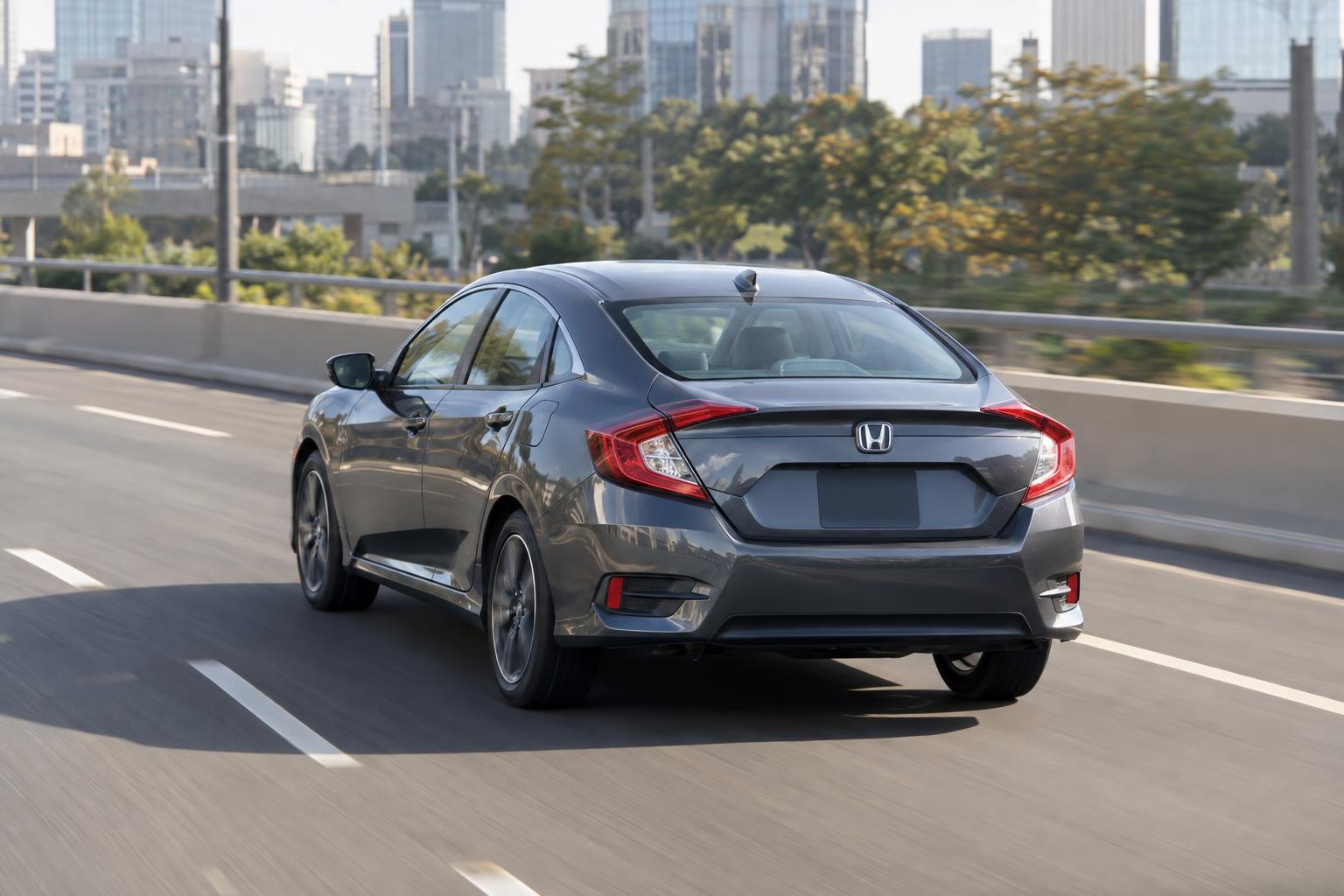
Key features of the delivery rider safety training programme
Motorcycle safety training is most useful when it combines classroom awareness with practical riding skills. Riders need to understand local road rules, but they also need to recognise hazards early and make safe decisions in busy traffic.
- Defensive riding: maintaining space, anticipating other drivers' actions and avoiding blind spots.
- Correct protective equipment: using an approved helmet and appropriate riding gear correctly.
- Vehicle checks: monitoring tyres, brakes, lights, mirrors and other essential motorcycle components.
- Hazard awareness: managing junctions, lane changes, wet surfaces, road debris and sudden braking.
- Safe delivery practices: securing loads properly and avoiding distractions from mobile devices or navigation systems.
- Heat and fatigue management: recognising when rest, hydration and a safety check are needed.
For fleet operators, such training should be supported by realistic delivery schedules, regular maintenance and a workplace culture that does not reward unsafe behaviour. A rider is more likely to make safe choices when safety is treated as an operational requirement rather than an optional extra.
How the global rating and regional initiative fit together
The FIA five-star rating and the Dubai rider-training partnership operate at different levels, but they share a similar objective. One evaluates a global company's products and services through an international road-safety framework, while the other focuses on practical skills for people working on UAE roads every day.
Together, they show why road safety needs more than one solution. Vehicle design and safety technology matter, yet education, maintenance, infrastructure, enforcement and responsible road-user behaviour are equally important.
For Honda, the connection is also relevant across its car and motorcycle activities. A manufacturer can invest in safer mobility products, while local distributors and public authorities can help ensure those products are used more safely in local conditions.
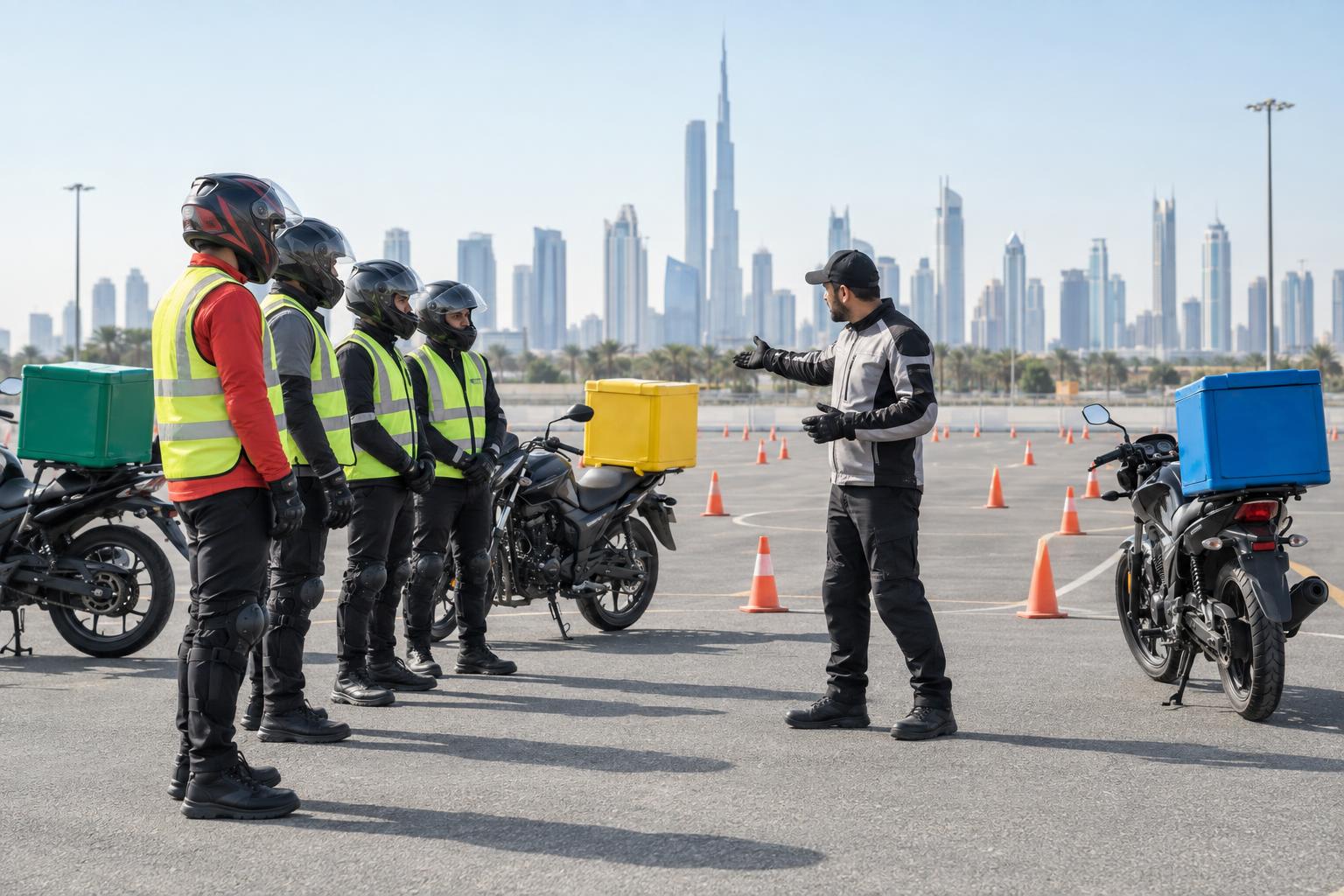
Key takeaways for UAE road users and industry observers
- Honda is the first automaker to earn a five-star FIA Road Safety Index Products/Services rating under the expanded scale.
- The rating is a corporate assessment in a specific category, not a substitute for checking safety equipment on an individual vehicle.
- Honda's road-safety work in the UAE includes a delivery rider training partnership involving Al-Futtaim Honda and Dubai's RTA.
- Motorcycle safety depends on training, protective equipment, maintenance, realistic work practices and considerate behaviour from all road users.
- Drivers should continue to use basic safety habits, including seat belts, safe following distances, correct tyre pressures and full attention behind the wheel.
For buyers, Honda's recognition is a positive sign of the company's wider safety direction. For road users, the more immediate lesson is that safer roads are a shared responsibility, with manufacturers, fleet operators, authorities, riders and drivers all having a part to play.
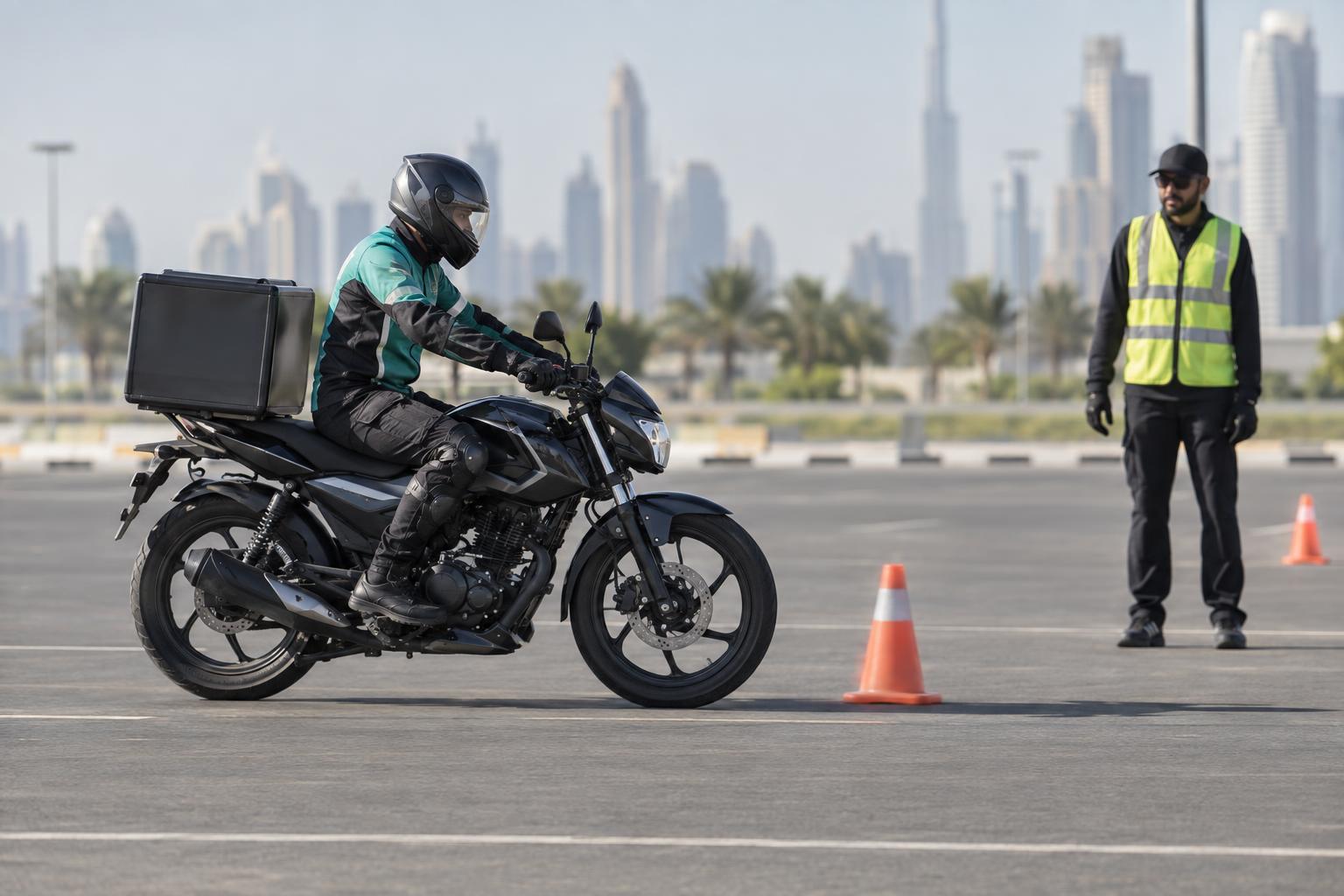
People Also Ask
What is the FIA Road Safety Index?
The FIA Road Safety Index is an assessment framework that helps organisations measure, manage and improve their contribution to road safety. It evaluates performance against defined criteria in relevant categories.
What does Honda's five-star FIA rating cover?
Honda's recognition is a five-star rating in the FIA Road Safety Index Products/Services category. It reflects the company's safety-related products and services approach, rather than rating every individual Honda vehicle.
Is a five-star FIA Road Safety Index rating the same as a five-star crash-test rating?
No. The FIA Road Safety Index assesses an organisation's road-safety performance and practices. Crash-test ratings assess the protection offered by a specific vehicle model in controlled tests.
What is the purpose of delivery rider safety training in Dubai?
Delivery rider safety training is intended to improve defensive riding, hazard awareness, motorcycle control, protective-equipment use and safe working practices for riders operating on busy roads.
What should UAE buyers check when choosing a safe car?
Buyers should check the exact GCC specification for airbags, stability control, tyre-pressure monitoring, cameras, parking sensors and available driver-assistance systems. They should also review independent safety ratings where available and ensure the vehicle is properly maintained.