

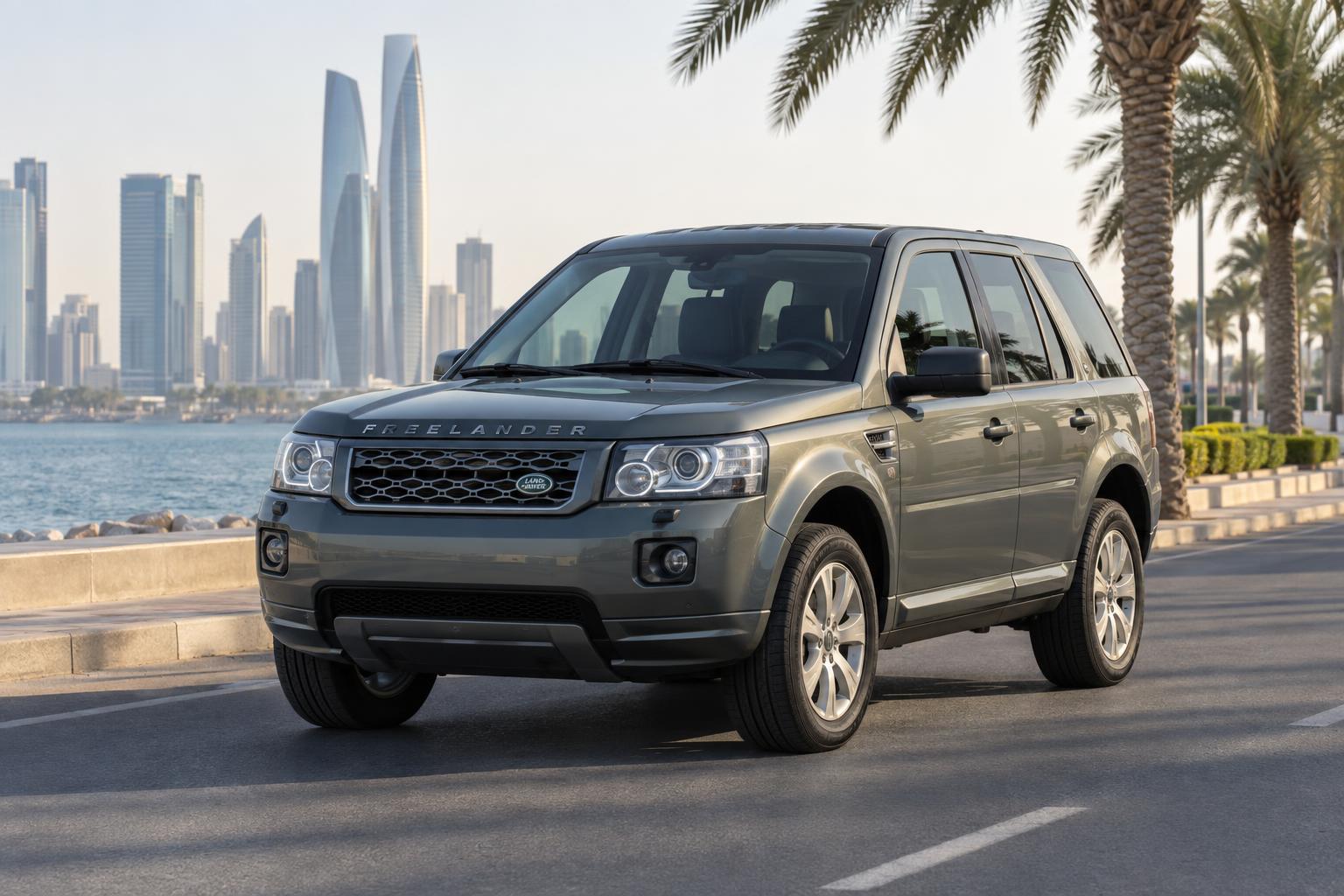
FREELANDER has used its Middle East debut to set out a wider international plan, with the UAE positioned as the first step rather than the final destination. The new automotive brand says it will expand in phases, beginning in the Gulf before moving into selected right-hand-drive markets, including Australia and New Zealand in 2027.
For buyers in the GCC, the announcement matters because an early regional launch can bring stronger local dealer support, earlier access to new models and a clearer indication that FREELANDER is building a long-term presence. The brand's roadmap also suggests that its initial SUV range is being developed with export markets, not just one country, in mind.
FREELANDER confirms a phased international roadmap beyond the UAE
FREELANDER's strategy is based on a staged rollout rather than a simultaneous global launch. The UAE and wider Middle East form the opening market group, followed by expansion into other regions once sales, retail operations, aftersales support and market-specific vehicle requirements are established.
This approach is common for a new brand, particularly one entering competitive markets with different regulations, charging infrastructure, road conditions and customer expectations. It gives FREELANDER time to build recognition and refine its local ownership experience before entering further territories.
- The Middle East is the first launch region, with the UAE acting as a key starting point.
- Further GCC availability is expected to be part of the regional growth plan.
- Australia and New Zealand are confirmed for 2027.
- Right-hand-drive markets are an early priority after the initial Middle East phase.
- The expansion is expected to centre on a new SUV-led product range.
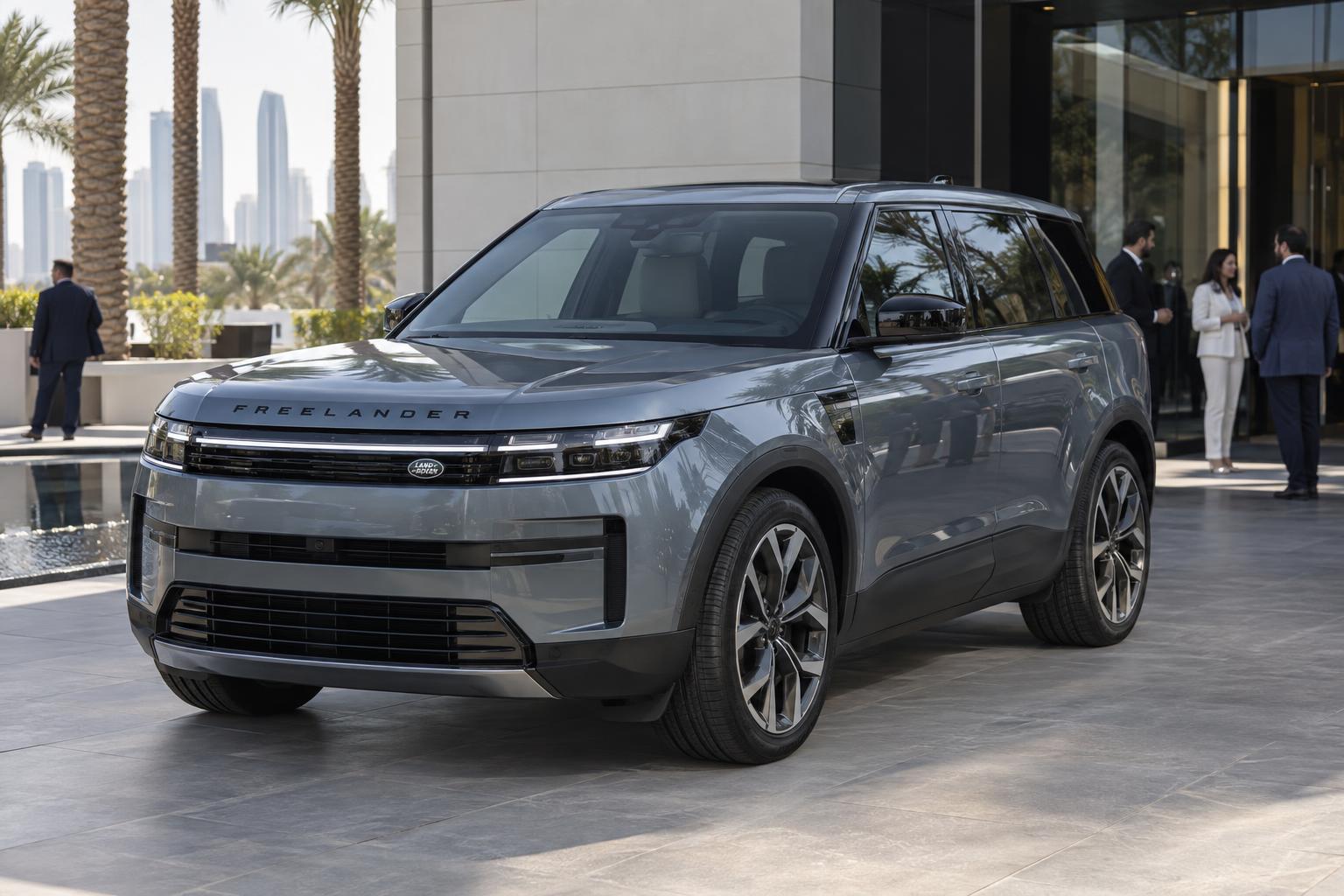
What is FREELANDER and why was it launched in Abu Dhabi first?
FREELANDER is a new automotive brand using the familiar Freelander name, which was previously associated with Land Rover SUVs. The new operation is positioned as a separate, modern brand with an international focus, rather than a return of the former Land Rover model line.
Abu Dhabi was chosen for the launch because the UAE is one of the region's most important vehicle markets and a practical base for reaching buyers across the GCC. The country has well-developed automotive retail networks, a large expatriate population, strong demand for SUVs and a growing market for electrified vehicles.
The capital also provides a useful setting for testing a new brand's appeal among customers who are already familiar with premium SUVs, Chinese automotive newcomers and technology-led vehicle features. A successful UAE introduction can make it easier to build confidence in neighbouring markets such as Saudi Arabia, Qatar, Kuwait, Bahrain and Oman.
How the Middle East is positioned as FREELANDER's launch springboard
The Middle East is no longer treated only as an export destination by emerging car brands. It is increasingly used as a launch region because buyers are open to new nameplates, SUVs remain highly popular and vehicle ownership conditions can be demanding enough to demonstrate a product's real-world suitability.
For FREELANDER, a Gulf-first rollout offers several advantages. The brand can establish a regional parts supply chain, train technicians, build relationships with distributor partners and gather owner feedback before entering a much broader selection of markets.
- High demand for crossovers and SUVs across the GCC.
- A strong appetite for well-equipped vehicles at competitive price points.
- Growing consumer interest in hybrid and electric powertrains.
- Established dealer and service infrastructure in major UAE cities.
- Access to regional logistics routes for future market expansion.
For regional customers, the important detail is not simply that vehicles are being sold in the UAE. A wider Middle East plan normally requires investment in spare parts availability, warranty processes, diagnostic equipment and trained service staff, all of which have a direct effect on ownership after delivery.
Australia and New Zealand confirmed for 2027 entry
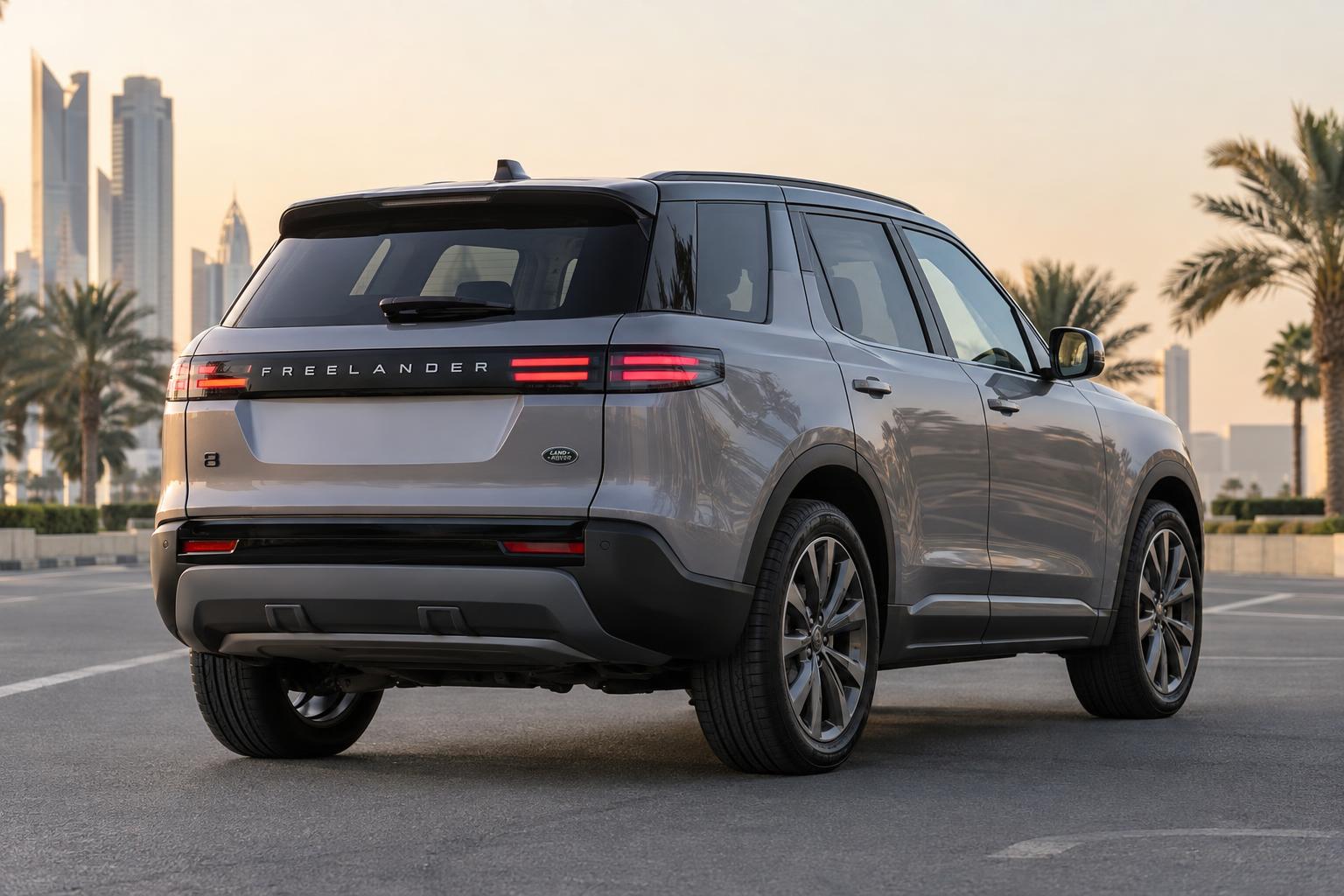
FREELANDER has confirmed that Australia and New Zealand are planned as 2027 markets. This is a significant step because both countries are mature, highly competitive automotive markets where new brands must meet strict safety, compliance and customer-service expectations.
The timing also gives FREELANDER an opportunity to use the Middle East launch period to develop retail operations and production planning before taking on established rivals in Australasia. Australian and New Zealand buyers have a broad range of SUV choices, including Japanese, Korean, European, American and Chinese brands, so price alone is unlikely to be enough.
Success in those markets will depend on a combination of product quality, safety equipment, warranty confidence, local parts support and a dealer footprint that extends beyond the biggest cities. The 2027 target indicates that the company is planning for a measured entry rather than a rushed arrival.
Why right-hand-drive markets are an early priority for FREELANDER
Australia and New Zealand drive on the left, so they require right-hand-drive vehicles. Preparing a right-hand-drive version involves more than moving the steering wheel, as controls, dashboard components, wiper operation, lighting requirements, driver-assistance calibration and safety validation may all need market-specific work.
Making right-hand-drive markets an early priority suggests that FREELANDER intends to build a vehicle programme with broader export potential from the outset. Once a right-hand-drive production and compliance pathway is established, other suitable markets can become more achievable.
That is relevant to GCC buyers because a brand designed for multiple export regions is more likely to have sustained production volumes and a longer product-development cycle. It does not guarantee local success, but it can support better availability of parts, software updates and future model replacements.
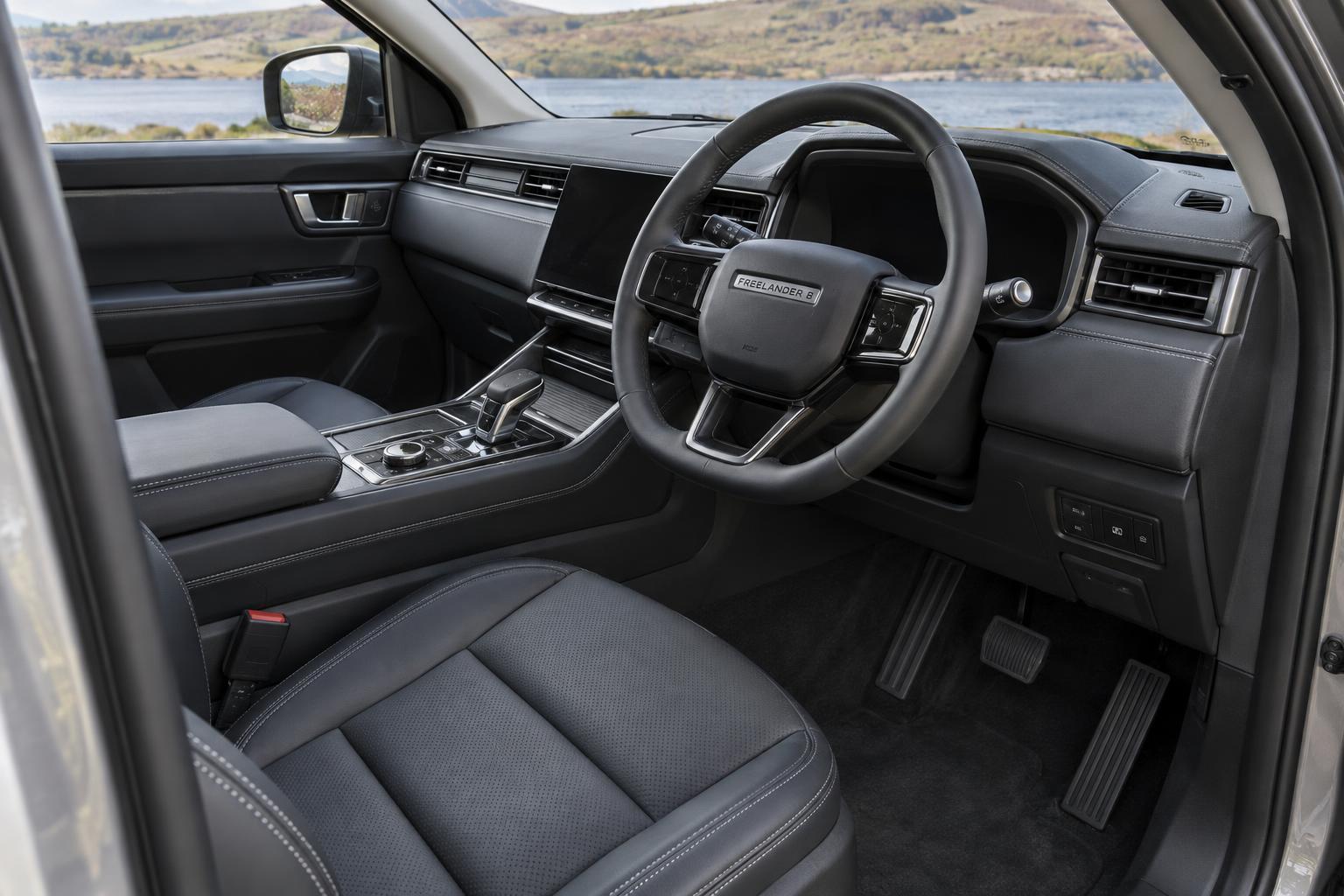
What model is set to launch in Australia and New Zealand?
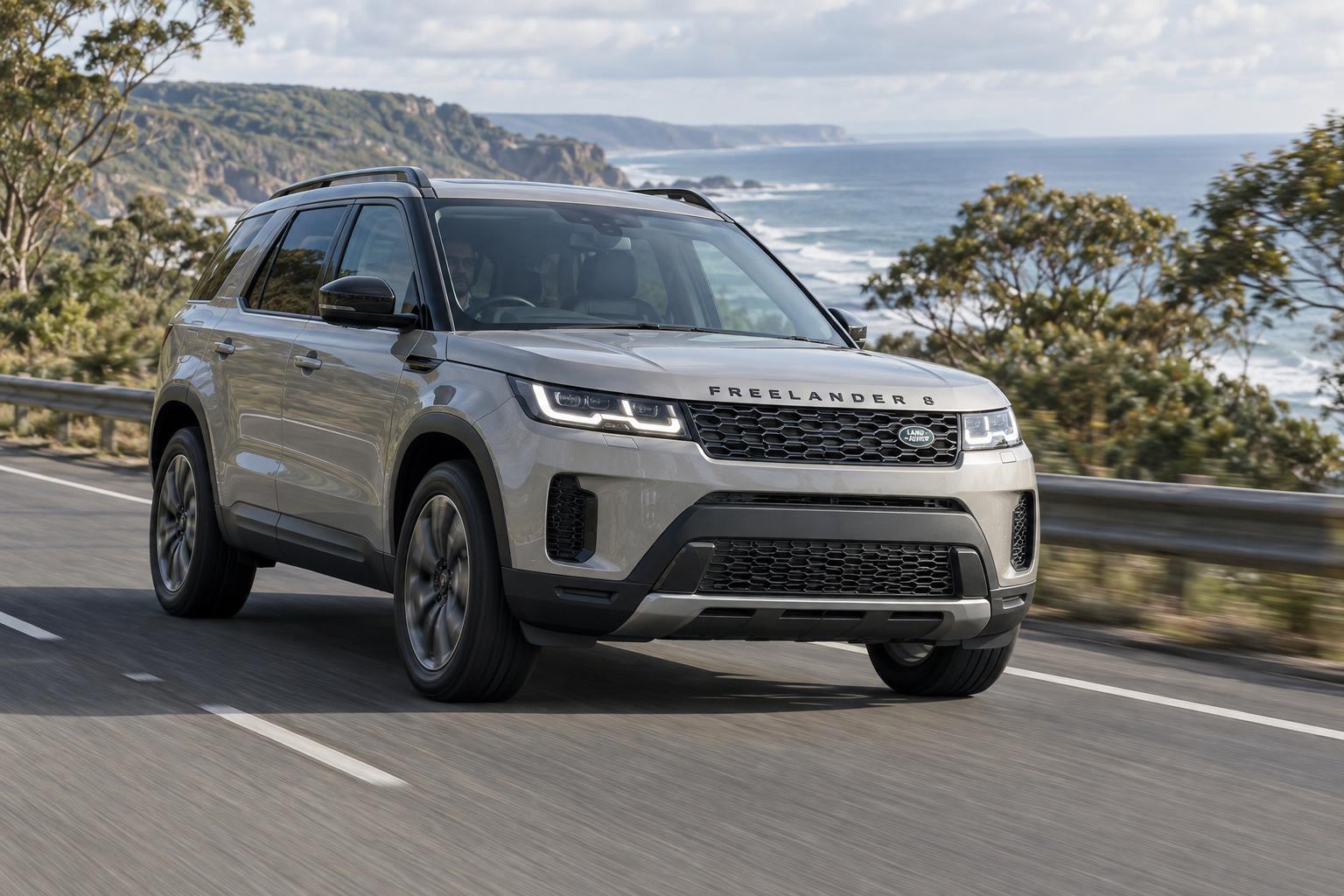
The first model identified for the Australian and New Zealand rollout is expected to be FREELANDER's new SUV. The model is intended to be the brand's lead product as it begins international expansion, placing it in one of the most competitive parts of both markets.
Full local specifications, grades, powertrains, pricing and final equipment lists are likely to be confirmed closer to the 2027 launch. These details can differ from Middle East versions because Australian and New Zealand vehicles must meet their own regulatory, safety and consumer-market requirements.
Buyers should avoid assuming that every feature or engine choice offered in the UAE will automatically be available in Australasia, or vice versa. Market-specific changes are normal, especially for connected services, driver-assistance systems, battery options and charging hardware.
What this roadmap means for future FREELANDER buyers in the GCC
For prospective GCC customers, the international plan is encouraging because it signals that FREELANDER is being developed as a continuing brand rather than a short-term regional experiment. A broader footprint can help support a larger service network and create more confidence around future product updates.
However, buyers should still assess the local ownership proposition carefully before ordering. A global expansion announcement is useful, but day-to-day ownership will depend on the local distributor, workshop capacity, spare-parts stock, warranty terms and the availability of replacement vehicles during major repairs.
- Check the length and coverage of the vehicle and battery warranty.
- Ask where routine servicing and accident repairs will be carried out.
- Confirm expected spare-parts availability for common wear items and body panels.
- Understand whether software and connected features are supported in your country.
- Compare finance, insurance and resale expectations against established alternatives.
Early adopters may benefit from competitive launch pricing and high equipment levels, but they should also consider the practicalities of buying from a new brand. A test drive in local heat, confirmation of air-conditioning performance and a clear explanation of service arrangements are especially important in the Gulf.
Key takeaways from FREELANDER's expansion plan
FREELANDER's UAE launch is the first stage of a wider international strategy. The Middle East has been selected as the brand's initial base, while Australia and New Zealand provide the first confirmed destinations beyond the region.
- The UAE is FREELANDER's opening market and a gateway to the broader GCC.
- The brand is following a phased rollout designed to build retail and aftersales capability.
- Australia and New Zealand are planned for entry in 2027.
- Right-hand-drive development is an important part of the company's export ambitions.
- The first Australasian offering is expected to be the brand's new SUV.
- GCC buyers should watch for local dealer coverage, warranty support and parts availability as the rollout develops.
The plan gives FREELANDER more substance than a single-market launch, but its long-term reputation in the Gulf will be decided by the ownership experience. Strong service support, dependable supply of parts and clear communication with customers will matter as much as the vehicle itself.
People Also Ask
Is FREELANDER a Land Rover model?
No. The new FREELANDER operation is a separate automotive brand using the Freelander name. It should not be treated as a direct revival of the former Land Rover Freelander model range.
When will FREELANDER launch in Australia?
FREELANDER has confirmed plans to enter Australia in 2027. Final launch timing, model grades, pricing and local specifications are expected closer to market introduction.
Will FREELANDER be sold across the GCC?
The Middle East is part of FREELANDER's initial launch strategy, with the UAE serving as a key starting point. Availability in individual GCC countries will depend on the brand's distributor and dealer rollout plans.
What type of vehicle will FREELANDER sell first?
FREELANDER's early international plans are centred on a new SUV. Detailed regional specifications, including powertrain choices and equipment levels, may vary by market.
What should UAE buyers check before buying a new FREELANDER?
Buyers should review the local warranty, servicing locations, spare-parts availability, roadside assistance and insurance costs. It is also sensible to test the vehicle in local conditions and confirm which connected features are available in the UAE.


