

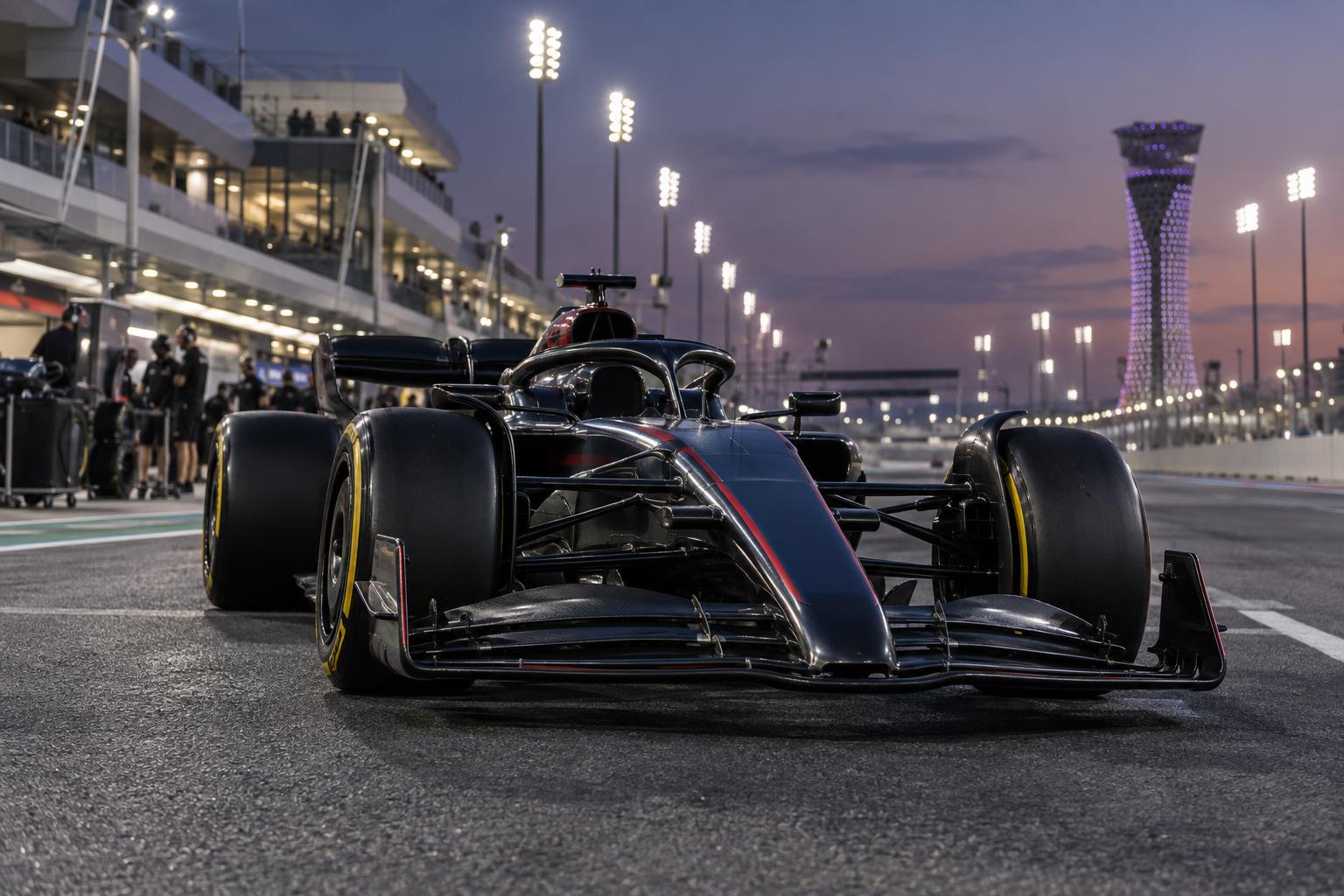
Formula 1 teams are waiting for a decision expected by mid-October on whether the 2026 season can finish as planned in Qatar and Abu Dhabi. The current calendar places the Qatar Grand Prix on November 27 to 29, followed one week later by the Abu Dhabi Grand Prix on December 4 to 6, but regional stability concerns mean F1 and its teams need clarity well before cars, freight and personnel begin moving to the Gulf.
For GCC fans, the key point is that neither race has been cancelled. Qatar and Abu Dhabi remain on the planned schedule, and the sport is working towards holding both events. However, Formula 1 needs a workable alternative in place if circumstances make travel or event operations unsafe.
F1's 2026 season is scheduled to close in Qatar and Abu Dhabi
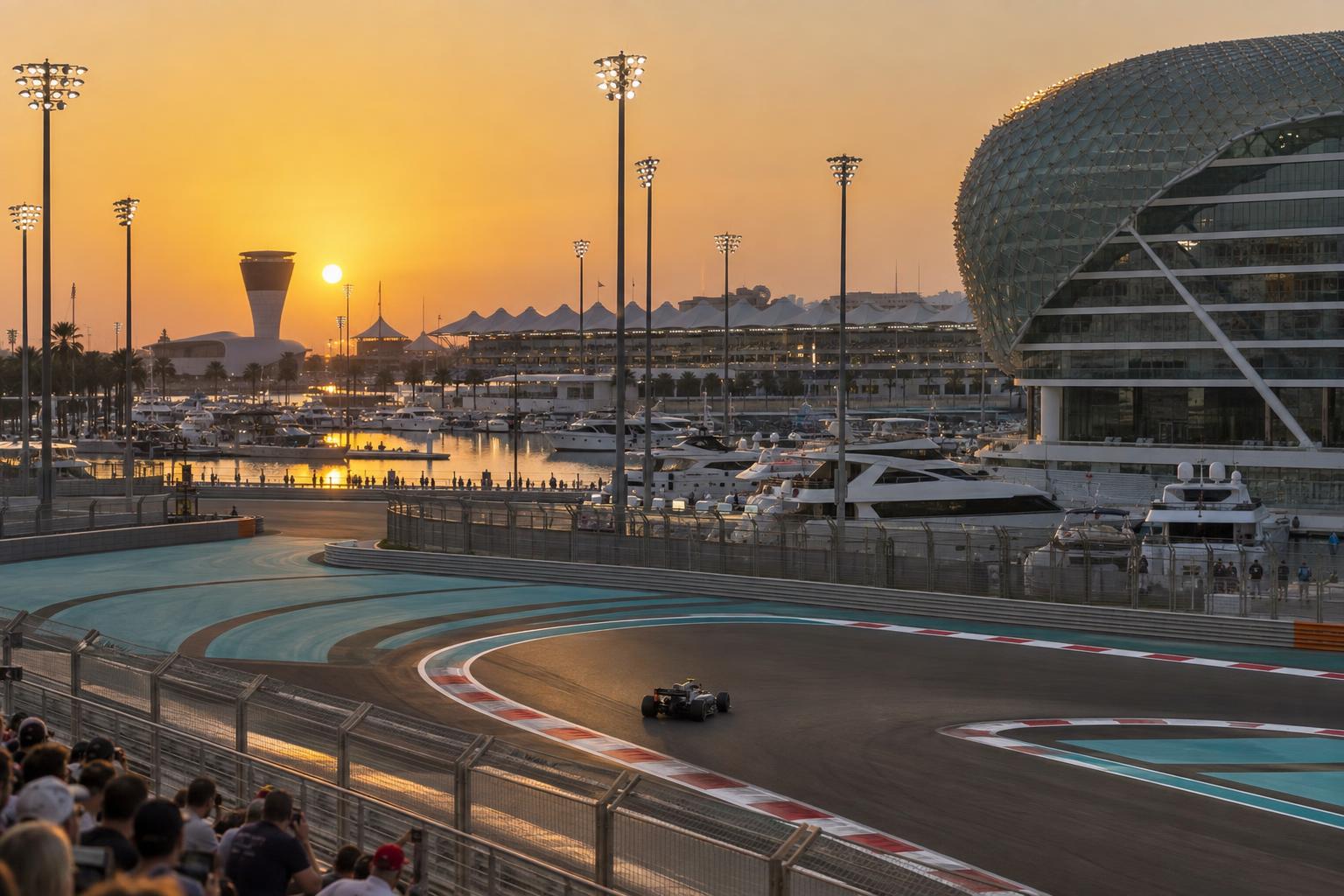
The planned double-header would once again give the Middle East a major role in deciding the world championship. Qatar's Lusail International Circuit is due to host the penultimate round, before the paddock travels to Yas Marina Circuit for the final race of the season.
| Grand Prix | Venue | Scheduled dates | Planned role |
|---|---|---|---|
| Qatar Grand Prix | Lusail International Circuit, Qatar | November 27 to 29, 2026 | Penultimate round |
| Abu Dhabi Grand Prix | Yas Marina Circuit, UAE | December 4 to 6, 2026 | Season finale |
The back-to-back format is familiar to teams and has become an important part of the modern F1 calendar. It allows freight, staff and broadcast equipment to move efficiently between two well-established hosts, while giving fans in the region two opportunities to attend a grand prix within eight days.
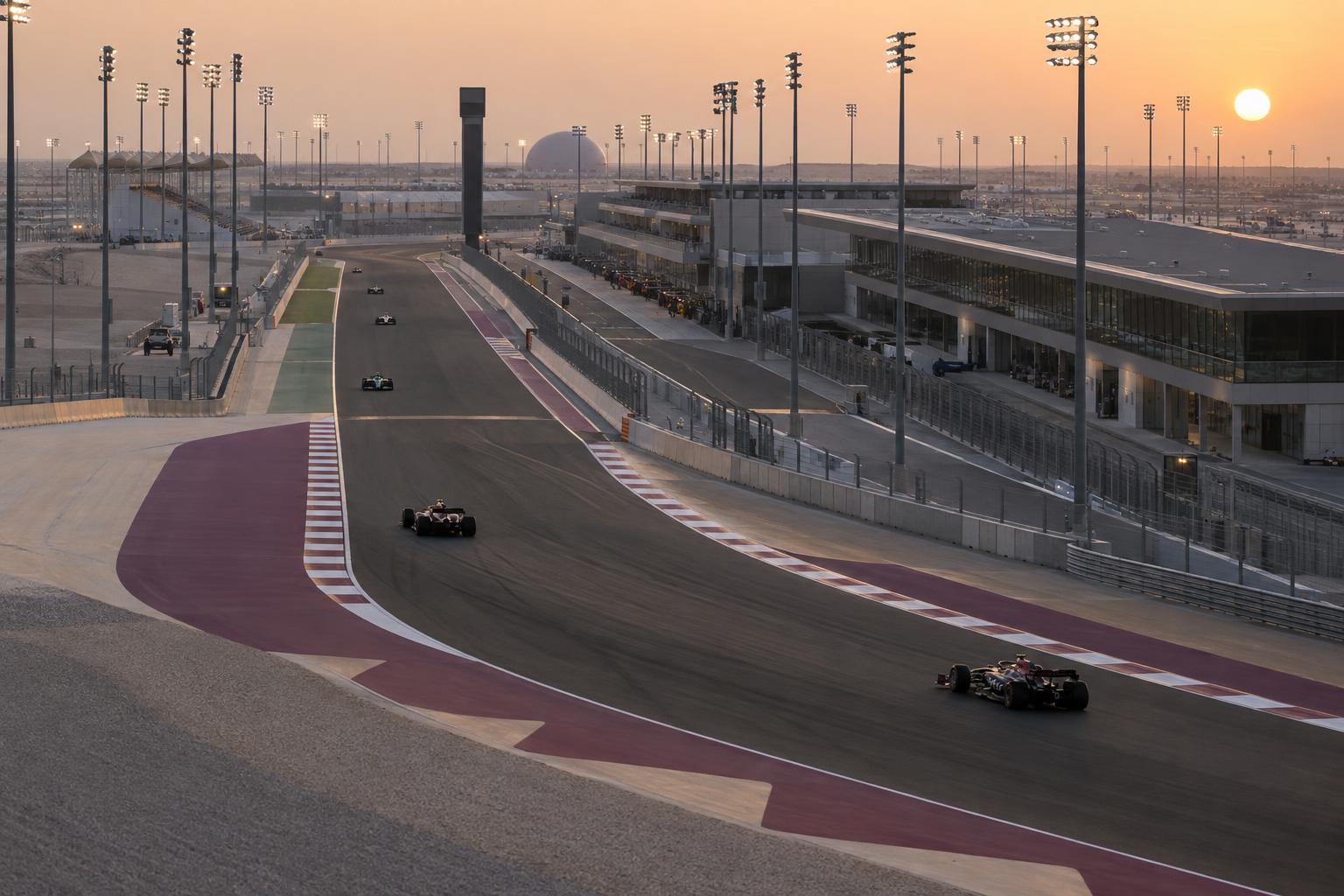
Why is a final decision needed by mid-October?
A Formula 1 race cannot be relocated at short notice in the way an individual sporting fixture sometimes can. Teams need time to arrange freight movements, flights, accommodation, staffing, customs documentation, hospitality facilities and trackside operations.
By mid-October, teams will be deep into preparations for the final flyaway races. A firm decision gives organisers and competitors enough time to confirm the logistics plan, communicate clearly with ticket holders and avoid avoidable costs for a 10-team paddock that travels with thousands of people and large volumes of equipment.
- Freight planning: Cars, spare parts, garage equipment and broadcast infrastructure require carefully timed transport.
- Travel arrangements: Teams must organise flights, hotels, visas and ground transport for drivers and staff.
- Ticket-holder certainty: International visitors need enough notice to change flights, hotels and annual leave if needed.
- Sporting fairness: Any replacement race must be planned properly, with suitable circuit preparation and equal access for every team.
- Commercial commitments: Promoters, sponsors, broadcasters and suppliers all need confirmed dates and venues.
Regional stability concerns and F1's planning
Formula 1's priority is the safety of drivers, team personnel, event staff, fans and local workers. Any assessment of the Qatar and Abu Dhabi rounds will consider official travel guidance, airspace access, local security arrangements and the ability to run an event safely from setup through race weekend.
These decisions are not based on one factor alone. Even if a circuit itself is ready to host, F1 must be confident that international travel routes, freight operations, emergency planning and the wider event environment are suitable for a global championship.
The championship has experience of adapting calendars when conditions change. That does not make the process simple, but it means F1, the FIA, race promoters and teams have established channels for assessing risks and building contingency plans.
Imola's role as a contingency venue
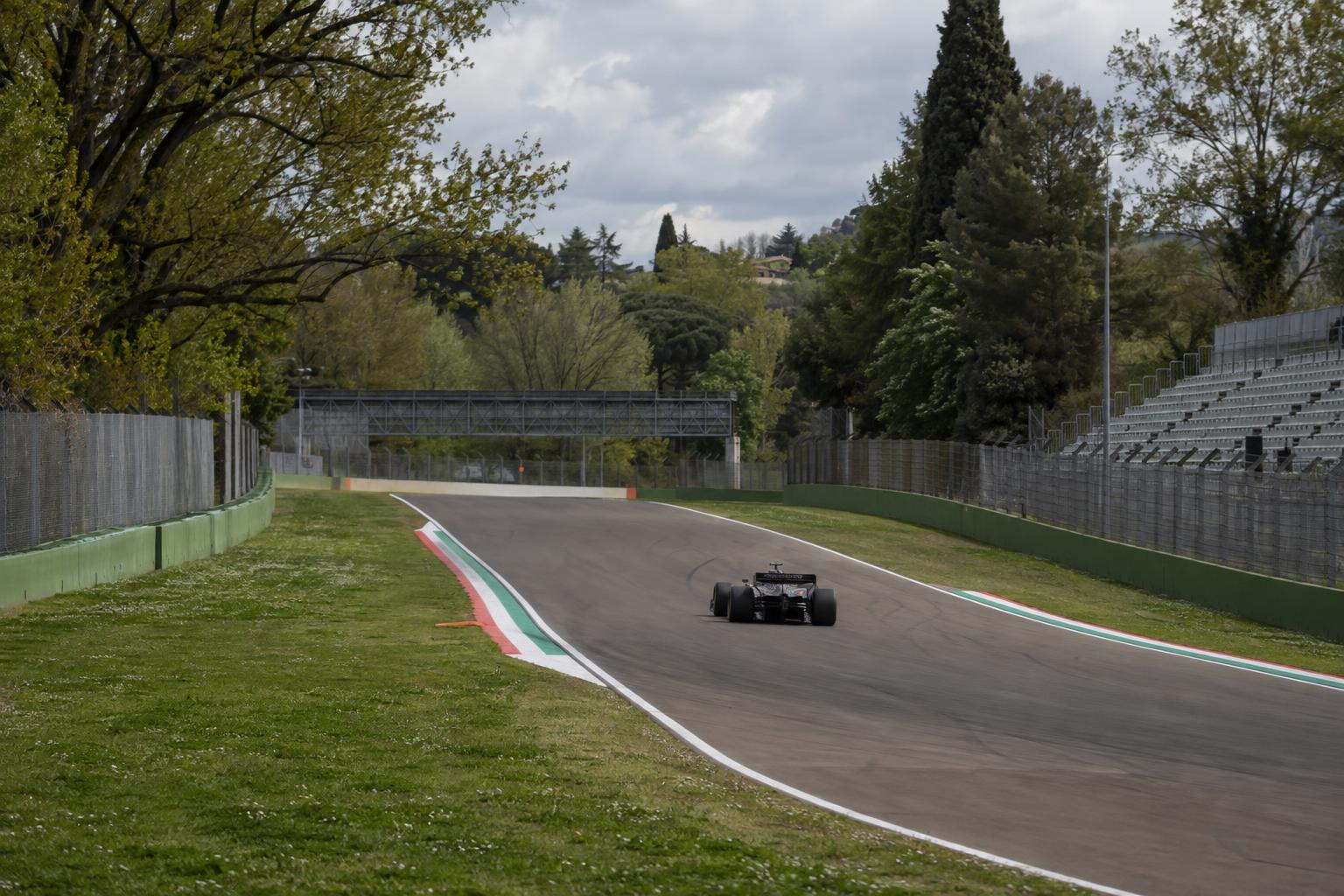
Imola has been discussed as a possible fallback venue should either Gulf event be unable to proceed. The Italian circuit, formally known as Autodromo Internazionale Enzo e Dino Ferrari, is familiar to teams and is located in Europe, where much of the F1 paddock is based.
A move to Imola would not automatically recreate the Qatar and Abu Dhabi double-header. It would instead provide F1 with a proven circuit that could potentially host a late-season round, subject to approvals from the FIA, local organisers, teams and commercial rights holders.
Why Imola is a practical backup option
Its biggest advantage is logistics. Teams have extensive experience operating at Imola, and transporting equipment within Europe is generally less complex than preparing for an intercontinental race.
- The circuit is an established Formula 1 venue with existing paddock and race-control infrastructure.
- European-based team factories are comparatively close, helping with equipment and personnel movement.
- Organisers and local authorities understand the operational requirements of a grand prix weekend.
- It gives F1 a realistic option if the calendar needs to be adjusted rather than simply shortened.
That said, Imola would still require detailed planning. Weather, circuit availability, local permissions, ticketing, television schedules and the impact on the rest of the calendar would all need to be addressed before any official announcement.
What teams and drivers have said about the situation
Teams want an early and clear decision rather than prolonged uncertainty. Their concern is not only race-weekend travel, but the full chain of operations behind it, including cargo shipments, staff rotations and the need to prepare for the final rounds while continuing development work at their factories.
Drivers have broadly focused on safety and on the importance of respecting the judgement of the people responsible for event security. While competitors naturally want to race and finish the championship on track, they also understand that a late calendar change must be made with enough notice for everyone involved.
For teams fighting closely in either championship, the venue decision could also have a sporting effect. Lusail and Yas Marina have different characteristics, including track layout, tyre demands and weather conditions, so a replacement event could alter the competitive picture at the end of a tight season.
Lewis Hamilton supports a Qatar and Abu Dhabi finish
Lewis Hamilton has expressed support for the championship concluding in Qatar and Abu Dhabi, provided the races can be held safely. His view reflects the importance of the Gulf rounds to Formula 1's calendar and the appeal of ending the year with major events that attract international audiences.
Hamilton's comments also underline the balance F1 is trying to strike. Drivers and fans want certainty and want to race at planned venues, but that preference must sit behind the practical safety assessment being carried out by the championship, the FIA and local authorities.
The scheduled Gulf finale remains the preferred outcome, rather than an indication that F1 has already decided to move either event. Imola is best viewed as contingency planning, not a confirmed replacement.
What the uncertainty means for GCC motorsport fans
Fans who already have tickets or are planning to travel should continue to follow official updates from Formula 1, the Qatar Grand Prix, the Abu Dhabi Grand Prix and their ticket providers. Until an official change is announced, the listed race dates remain the relevant dates for travel planning.
Those booking flights and hotels should consider flexible options where possible. This is especially useful for visitors travelling internationally, as a calendar change could affect not only the venue but also the date, race order or length of a potential replacement event.
- Keep ticket confirmation emails and check the promoter's official communications.
- Choose changeable or refundable travel arrangements when the price difference is reasonable.
- Avoid relying on social media rumours before F1, the FIA or the local promoter confirms a decision.
- Check airline and hotel cancellation terms before committing to non-refundable bookings.
- Watch for updates on support races, fan-zone programmes and concert schedules, which may be announced separately.
For the region, the situation also highlights how significant Formula 1 has become to the GCC motorsport calendar. Qatar and Abu Dhabi are not isolated events, they are part of a wider network of racing, tourism, hospitality and fan activity that draws visitors from across the Middle East and beyond.
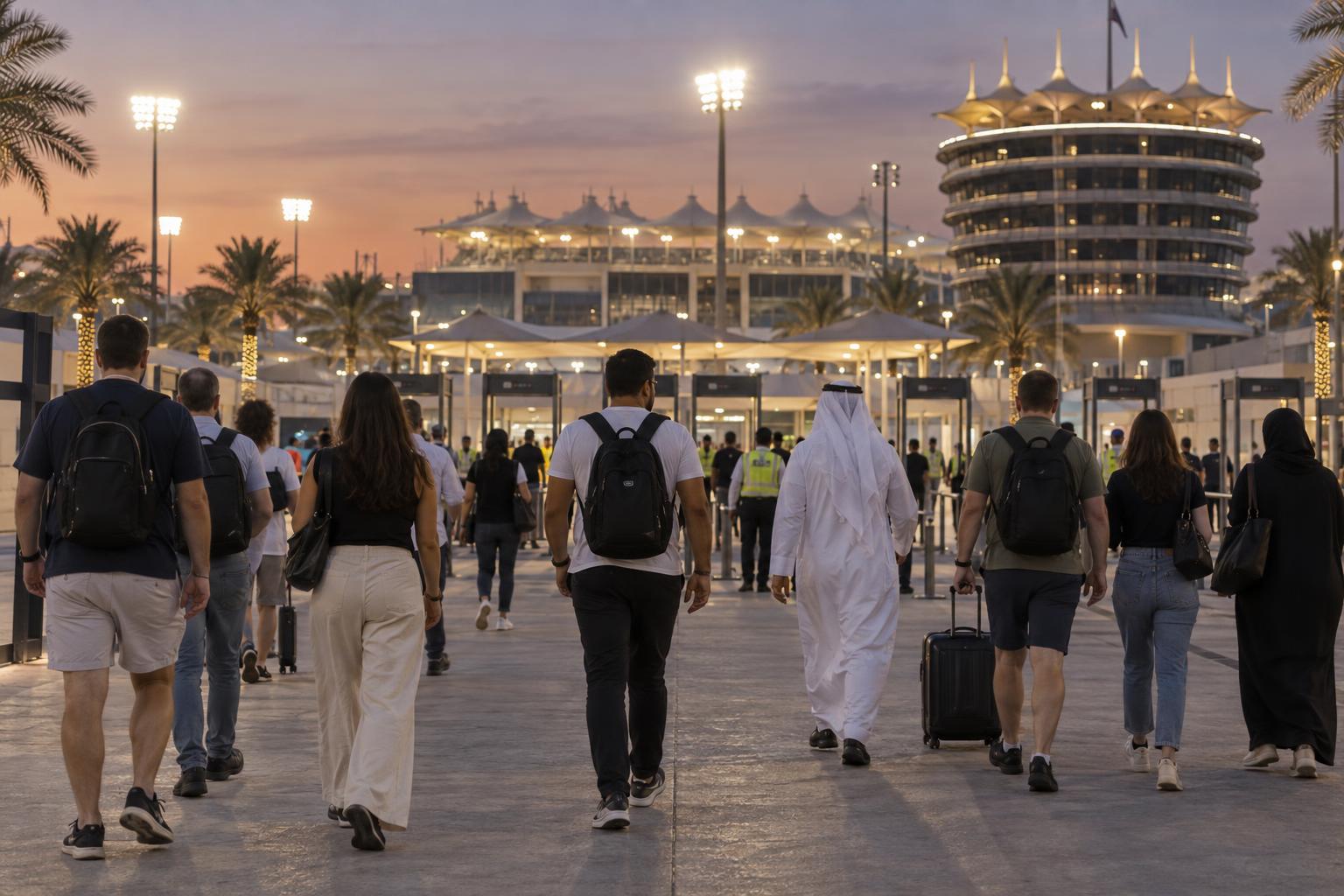
Key dates to watch before the mid-October decision
The exact timing of any announcement will depend on operational and security assessments, but mid-October is the important planning deadline. A decision around that period would give teams and attendees the best chance to prepare for either the original Gulf double-header or a revised finale.
- Mid-October 2026: Expected point for a clearer decision on the planned Qatar and Abu Dhabi rounds.
- November 27 to 29, 2026: Scheduled Qatar Grand Prix at Lusail International Circuit.
- December 4 to 6, 2026: Scheduled Abu Dhabi Grand Prix at Yas Marina Circuit.
Until then, the most sensible approach is to treat the published calendar as active while keeping travel plans flexible. An official statement will matter far more than speculation, particularly because any change would involve a complex agreement between Formula 1, the FIA, race promoters, teams and local authorities.
People Also Ask
Is the 2026 Abu Dhabi Grand Prix cancelled?
No cancellation has been confirmed. The Abu Dhabi Grand Prix is scheduled for December 4 to 6, 2026, although Formula 1 is reviewing contingency options because of regional stability concerns.
When is the 2026 Qatar Grand Prix?
The Qatar Grand Prix is scheduled for November 27 to 29, 2026, at Lusail International Circuit. It is currently planned as the penultimate race of the season.
Why could Formula 1 use Imola as a replacement venue?
Imola is an established Formula 1 circuit with familiar infrastructure and easier European logistics for teams. It could provide a practical fallback if a Gulf race cannot be held, subject to the necessary approvals.
When will F1 decide on the Qatar and Abu Dhabi races?
Teams are expecting clarity by mid-October 2026. That timing is important because freight, travel, ticketing and operational plans need to be finalised well before the final races of the year.
Should fans still book tickets for Qatar and Abu Dhabi?
Fans can continue to plan around the published dates, but flexible travel and accommodation bookings are sensible where available. Check official Formula 1 and race-promoter channels for confirmed updates before making non-refundable arrangements.


