

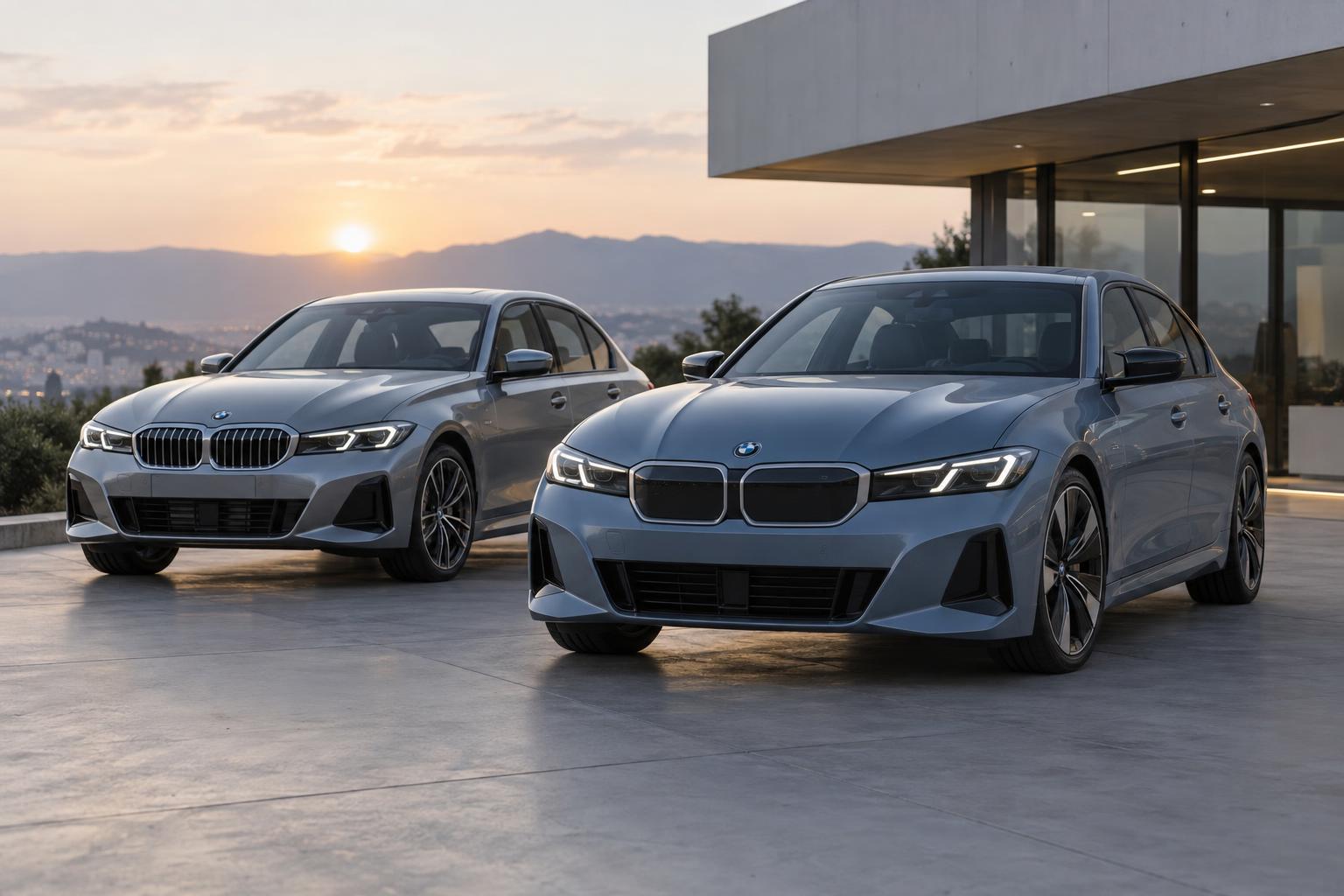
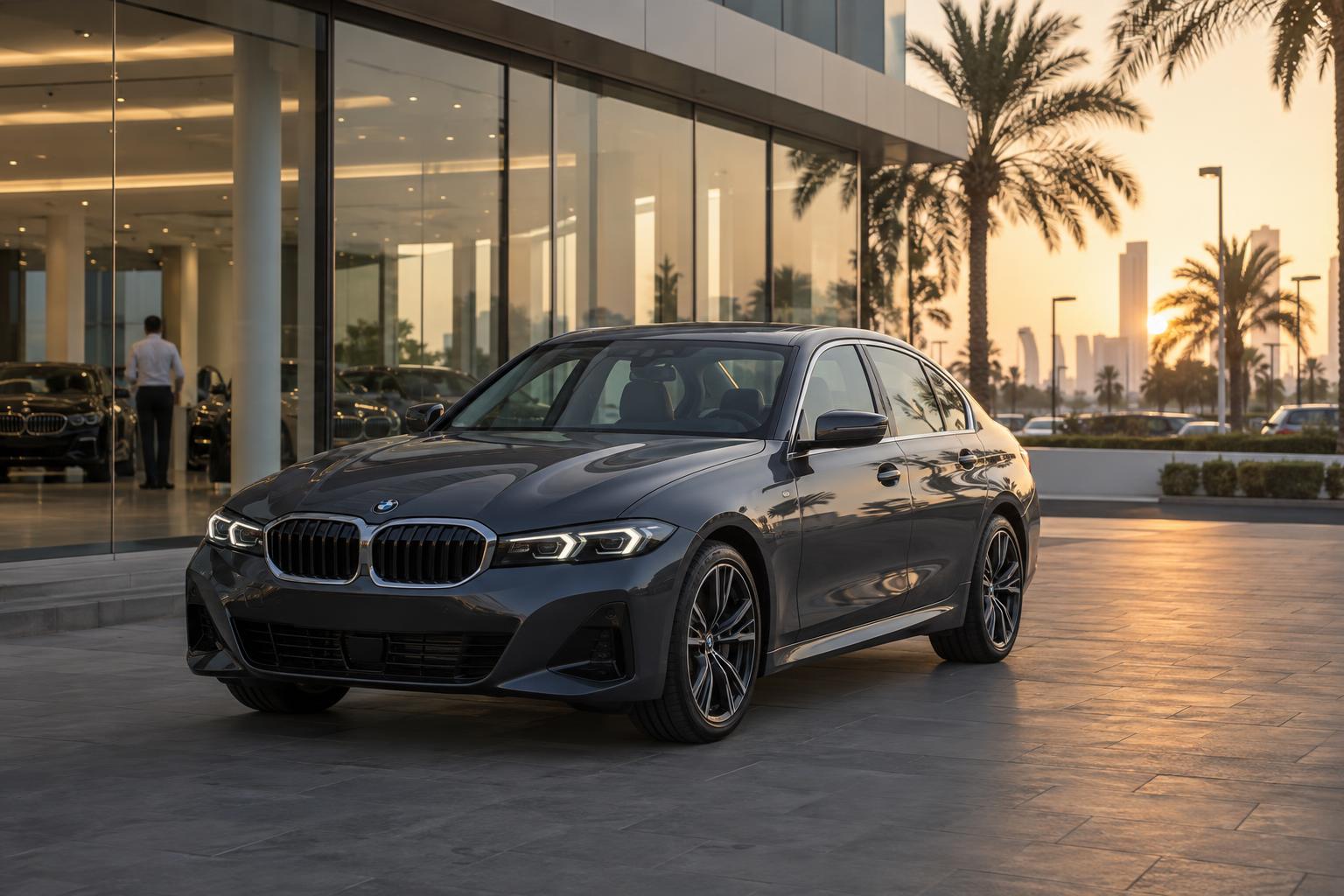
BMW’s next-generation 3 Series marks a major change for one of the brand’s most important nameplates. The eighth-generation G50 range moves to petrol and electric power, drops diesel entirely, and introduces an all-electric BMW i3 sedan with a claimed WLTP range of up to 912km. For GCC buyers, the new model represents both a familiar executive sedan and a clear sign of BMW’s shift toward electrification.
BMW unveils the eighth-generation G50 3 Series globally
The G50 is the eighth generation of the BMW 3 Series, a model that has long been central to BMW’s identity. It will replace the current G20-generation car, bringing a redesigned exterior, a more digital cabin and a revised powertrain strategy.
BMW is separating the new range into two closely related directions. The conventional 3 Series will use petrol engines, while the new i3 will serve as the fully electric alternative. Although both models share the same market position, the i3 is not simply an electric conversion of the petrol sedan.
- Petrol 3 Series: conventional combustion-engine models, with electrification support expected across much of the range.
- BMW i3: a dedicated all-electric sports sedan using BMW’s Neue Klasse architecture.
- No diesel option: the first 3 Series generation to omit diesel power entirely.
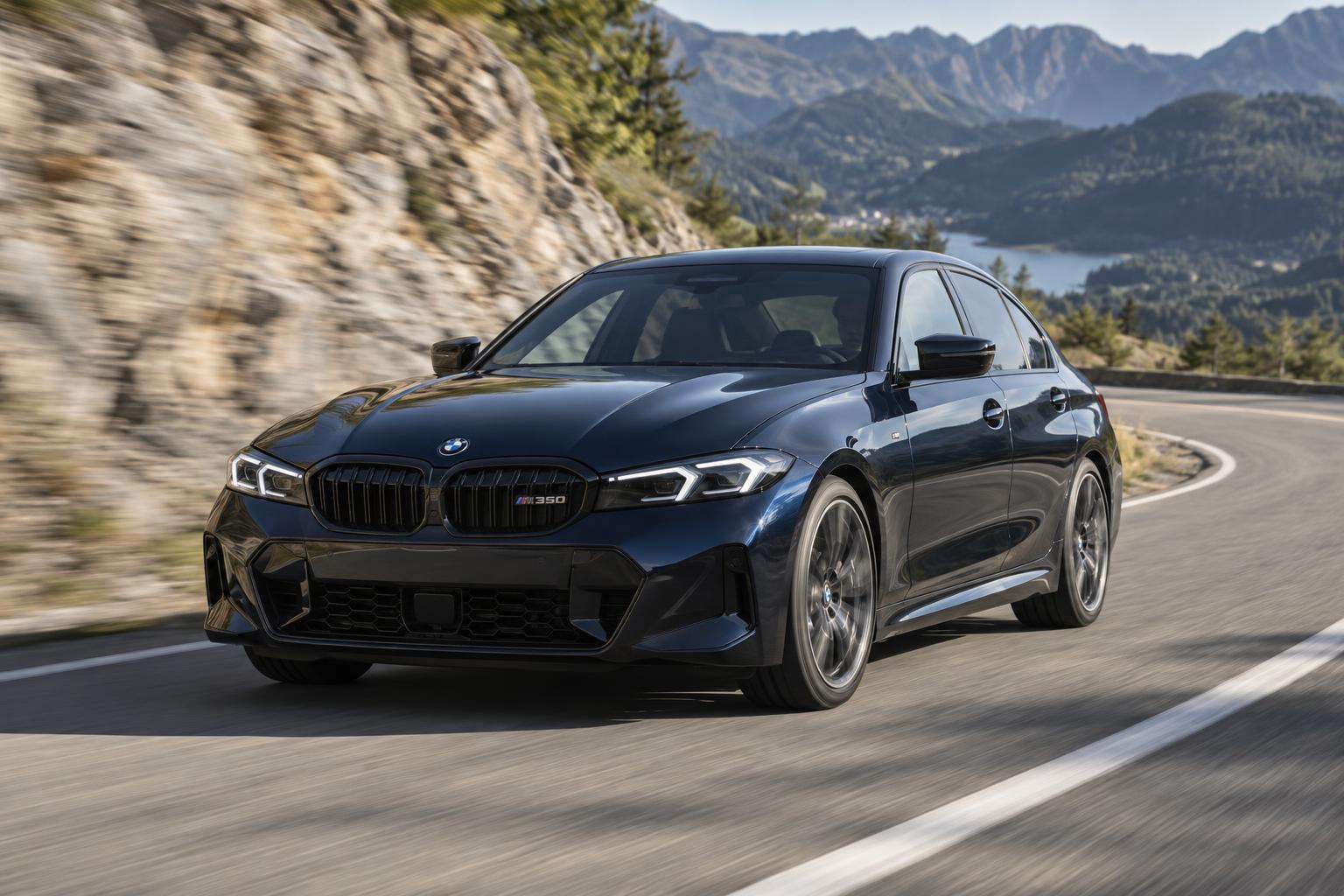
- Performance flagship: the M350 xDrive becomes the leading petrol version at launch.
Why BMW dropped diesel from the 3 Series lineup
Diesel has been available in multiple 3 Series generations, especially in Europe, where long-distance drivers valued its low fuel consumption and strong torque. However, demand for diesel passenger cars has fallen as emissions rules have become tighter and hybrid, petrol and electric alternatives have become more common.
For BMW, removing diesel from the new 3 Series also simplifies the model range and reflects where the market is heading. Petrol engines remain relevant for buyers who want familiar refuelling convenience, while the i3 gives the company a zero-tailpipe-emissions option for customers ready to move to an EV.
In the GCC, diesel passenger cars have traditionally represented a relatively small part of the premium sedan market. As a result, the absence of a diesel 3 Series is unlikely to affect most local buyers as much as it may in some European markets.
The M350 xDrive leads the petrol-only range
The M350 xDrive will sit at the top of the regular petrol 3 Series lineup. BMW quotes output of up to 437hp, placing it well above the standard four-cylinder versions and making it the performance-focused choice before the arrival of any future full M3 variant.
As its name suggests, the M350 uses BMW’s xDrive all-wheel-drive system. That should be particularly useful in a high-output sedan, helping traction when accelerating hard and offering an added measure of confidence on wet roads or loose surfaces.
The M350 is expected to appeal to buyers who still want a compact sports sedan with a traditional engine character. It is not intended to replace a dedicated M car, but its power figure suggests a substantial step beyond earlier M Performance 3 Series models.
What does 437hp mean in everyday use?
A power output in this range should make the M350 significantly quicker than mainstream executive sedans. The exact acceleration, top-speed and fuel-consumption figures will depend on the final market specification, but the model should offer strong overtaking performance and effortless motorway pace.
GCC customers should also look beyond peak power when regional specifications are confirmed. Cooling performance, tyre choices, standard equipment, warranty terms and service support can matter just as much as the headline horsepower figure in daily ownership.
Introducing the BMW i3, the first fully electric 3 Series
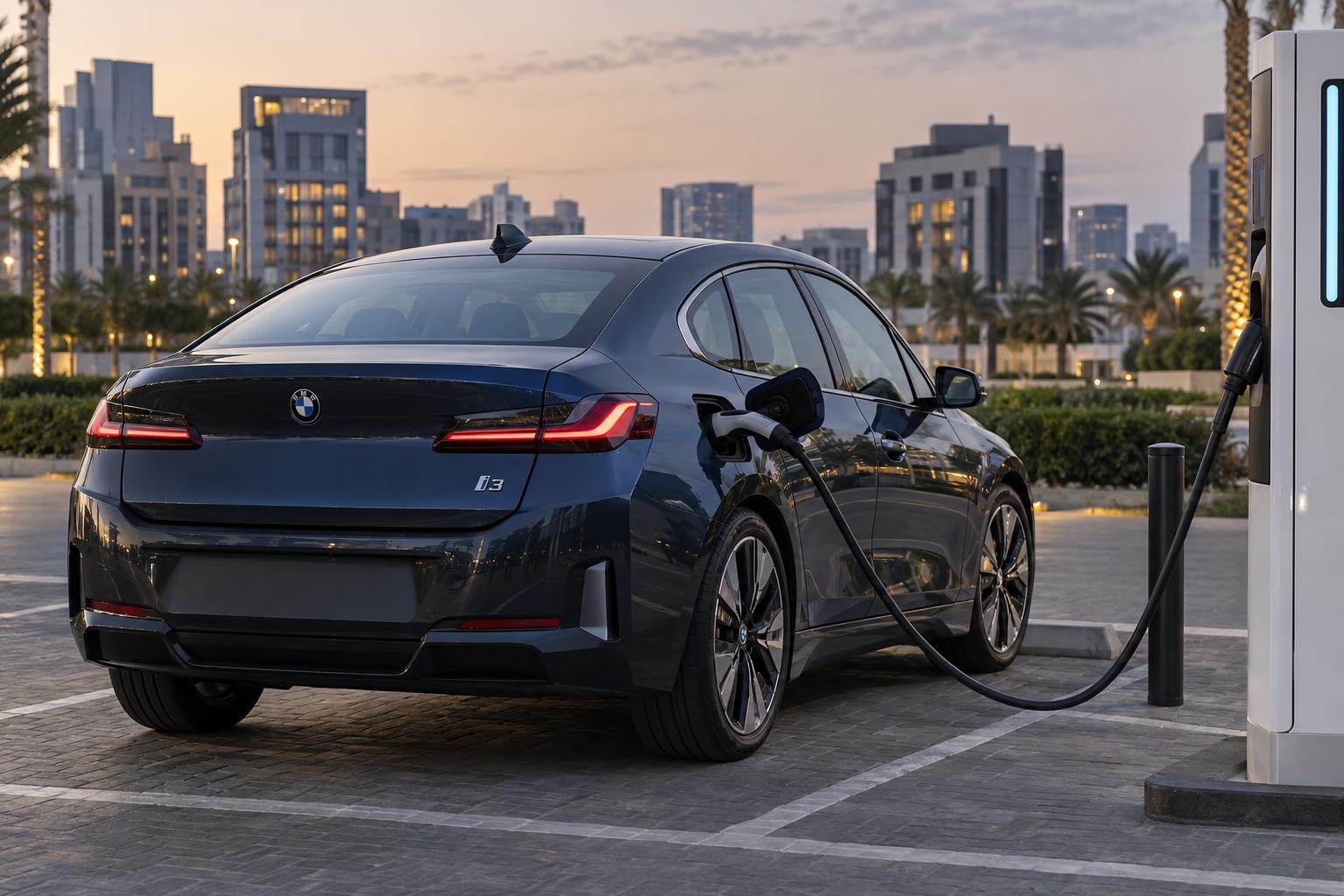
The new BMW i3 brings electric power to the 3 Series segment for the first time. BMW has used the i3 name before on its distinctive compact city car, but this new model is a larger electric sedan positioned alongside the 3 Series rather than a revival of the original hatchback.
Its role is important because the i3 will give buyers who prefer the size, driving position and practicality of a 3 Series an EV alternative without moving to an SUV. It will compete in a fast-growing premium electric sedan market that includes models from Tesla, Mercedes-Benz, Polestar and Chinese manufacturers.
Built on BMW’s Neue Klasse platform
The i3 is based on BMW’s Neue Klasse platform, an EV-focused architecture designed around the needs of electric vehicles from the outset. This differs from adapting an existing combustion-car platform, which can involve compromises in battery packaging, cabin layout and charging hardware.
A dedicated EV platform can allow a flat battery floor, improved interior space and more efficient aerodynamic design. It also gives BMW flexibility to use newer battery cells and electrical systems as the Neue Klasse range expands.
- Battery packaging designed specifically for an electric sedan.
- More freedom to optimise cabin space and vehicle proportions.
- New-generation electrical architecture and charging capability.
- A platform intended to support future BMW EVs beyond the i3.
Up to 912km WLTP range
BMW says the longest-range i3 version can travel up to 912km on the WLTP test cycle. If achieved in production specification, that would place the i3 among the longest-range electric sedans in its class.
WLTP figures are useful for comparing cars, but real-world range will vary. High speeds, strong air-conditioning use, heavy acceleration, passenger load, wheel size and hot weather can all reduce the distance an EV covers between charges. This is especially relevant in Gulf summers, where thermal management and cabin cooling are major parts of the ownership experience.
Buyers should wait for UAE, Saudi Arabia and wider GCC specifications before treating 912km as an everyday driving expectation. The battery size, motor configuration and wheels fitted to regional cars may differ from the version used for the headline claim.
How this differs from the earlier BMW 7 Series regional launch
The new 3 Series and i3 reveal is a global model announcement, whereas the earlier 7 Series event focused on a regional launch of an already established flagship. The difference matters because the G50 and i3 introduce a new product direction, not simply a new market arrival.
The 7 Series sits at the top of BMW’s luxury range and places greater emphasis on rear-seat comfort, technology and limousine-style refinement. The 3 Series, by contrast, has always been aimed more directly at buyers who want a compact premium sedan that remains engaging to drive.
The i3 also gives the new 3 Series family an electric identity that is more central than it was in previous generations. Rather than offering only a plug-in hybrid derivative, BMW is creating a separate battery-electric sedan with its own architecture.
When might the new 3 Series and i3 arrive in Gulf showrooms?
BMW has not yet confirmed full GCC launch timing, final local specifications or prices for every version. Global reveals usually come before regional ordering and dealer deliveries, so buyers should expect more detail from BMW importers closer to the local launch.
In practical terms, Gulf availability may depend on production allocation, homologation requirements and the rollout of the Neue Klasse platform across markets. High-demand versions, particularly the i3 and M350 xDrive, could have different delivery timing from entry-level petrol models.
Prospective buyers should register interest with an authorised BMW dealer rather than relying on overseas specifications. Ask specifically about expected delivery windows, charging equipment, warranty coverage and whether the quoted range applies to the GCC-market car.
Why the launch matters for GCC buyers
The 3 Series has a strong history in the GCC as an accessible entry point into BMW ownership, as well as a popular choice for professionals seeking a compact executive sedan. It has traditionally balanced premium-brand appeal, manageable dimensions, strong performance and a driving-focused character.
The new generation matters because it gives regional shoppers a clearer choice than before. Buyers who still prefer a petrol engine can remain with the conventional 3 Series, while those with home or workplace charging can consider the i3 without leaving the segment.
The i3’s claimed range is particularly notable in a region where inter-emirate and inter-city travel is common. A long official range could reduce charging anxiety, although convenient charging access remains more important than the headline figure alone for most EV owners.
Points GCC shoppers should consider
- Home charging: an EV makes the most sense when reliable overnight charging is available at home or work.
- Heat performance: ask about battery cooling, air-conditioning impact and the warranty conditions for hot climates.
- Road-trip charging: check charger coverage on the routes you use most often, including trips between emirates or cities.
- Resale value: new technology can affect used-car demand, so compare finance, warranty and buyback options carefully.
- Petrol versus EV running costs: compare fuel, electricity, servicing and insurance costs based on your actual annual mileage.
Key takeaways for shoppers waiting on the new 3 Series
The G50 3 Series is more than a routine redesign. BMW is ending diesel availability, raising performance with the M350 xDrive and introducing a dedicated electric i3 that could become one of the most significant new premium EV sedans for the region.
For buyers who need a car soon, the current 3 Series may still make sense if dealer offers are attractive and its specification suits their needs. Those who can wait should watch for local i3 pricing, charging details and final range figures, particularly if they have access to convenient charging at home or work.
- The new 3 Series will be a petrol-only combustion lineup.
- The M350 xDrive offers up to 437hp.
- The i3 is a dedicated electric sedan on the Neue Klasse platform.
- BMW claims up to 912km WLTP range for the longest-range i3 version.
- GCC pricing, specifications and launch timing still need local confirmation.
People Also Ask
Is the new BMW i3 the same as the old BMW i3?
No. The original BMW i3 was a compact electric city car. The new i3 is a larger electric sedan linked to the new 3 Series and built on BMW’s Neue Klasse platform.
Will the new BMW 3 Series have a diesel engine?
No. BMW is dropping diesel from the eighth-generation 3 Series range, leaving petrol models and the fully electric i3 as the main powertrain choices.
What is the most powerful regular new BMW 3 Series?
The M350 xDrive leads the regular petrol lineup with up to 437hp. A future dedicated M3, if introduced, would sit separately as a full BMW M model.
How far can the new BMW i3 travel on one charge?
BMW claims up to 912km under the WLTP test cycle for the longest-range version. Actual range in GCC conditions will depend on temperature, speed, air-conditioning use, driving style and the final regional specification.
When will the new BMW 3 Series arrive in the UAE and GCC?
Final UAE and GCC launch dates have not been confirmed. Interested buyers should check with authorised BMW dealers for local ordering schedules, specifications, pricing and expected delivery timing.


