

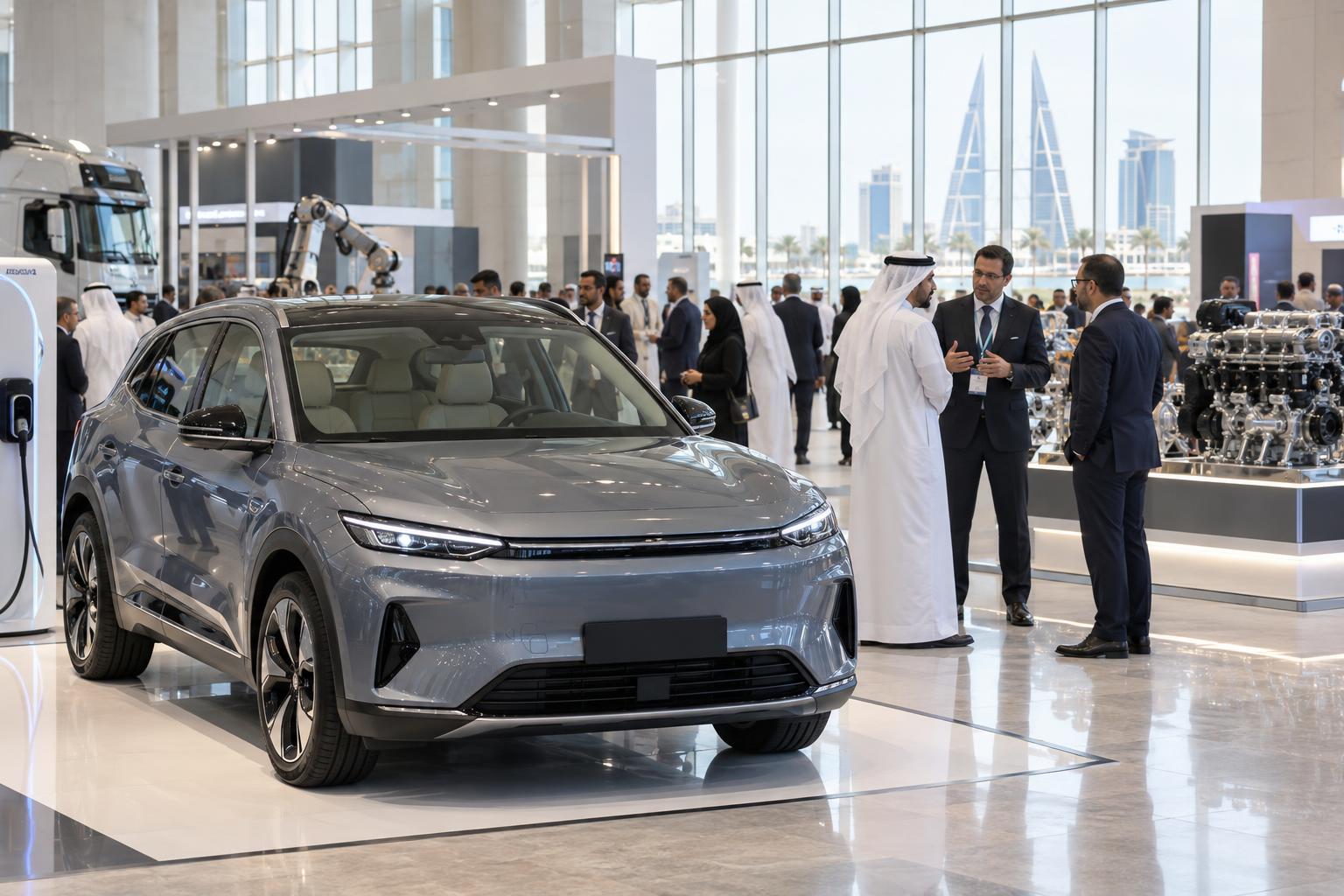
Bahrain has hosted the inaugural Made in GCC Forum, bringing together Gulf officials and industry representatives to advance a shared manufacturing agenda. A central outcome was the approval of the first five joint industrial investment opportunities from a wider pipeline of 20 projects, with automotive and transport among the sectors identified for regional cooperation.
For car buyers, owners and businesses across the GCC, the forum matters because it points to a longer-term effort to build more of the vehicles, components, logistics equipment and industrial capability used in the region. It is not an announcement of a new GCC-built passenger car on its own, but it could help create the conditions for more local automotive activity over time.
What is the Made in GCC 2026 Forum?
The Made in GCC Forum is a regional industrial event focused on increasing cooperation between GCC countries, encouraging cross-border investment and supporting manufacturing projects that can serve the wider Gulf market. Rather than treating each country as a separate industrial base, the initiative aims to link capabilities across Bahrain, Saudi Arabia, the UAE, Kuwait, Oman and Qatar.
The forum is connected to a broader push for industrial diversification. GCC governments are seeking to increase non-oil economic activity, develop skilled jobs, improve supply-chain resilience and retain more manufacturing value within the region.
Its practical focus includes identifying projects that can benefit from regional demand, existing infrastructure, access to raw materials, financing and industrial expertise. The initial investment approvals are intended to turn that cooperation from a policy goal into actual projects.
Where and when did the event take place?
The inaugural forum was held in Bahrain in 2026. Bahrain’s role as host reflects its established position in Gulf industrial cooperation, particularly in manufacturing, logistics, financial services and trade links with neighbouring markets.
Holding the event in Bahrain also gave participating officials and companies a forum to discuss projects that are not limited to one national market. This is especially relevant in industries where scale, supplier networks and access to several GCC countries can determine whether an investment is commercially viable.
Who attended and what was discussed?
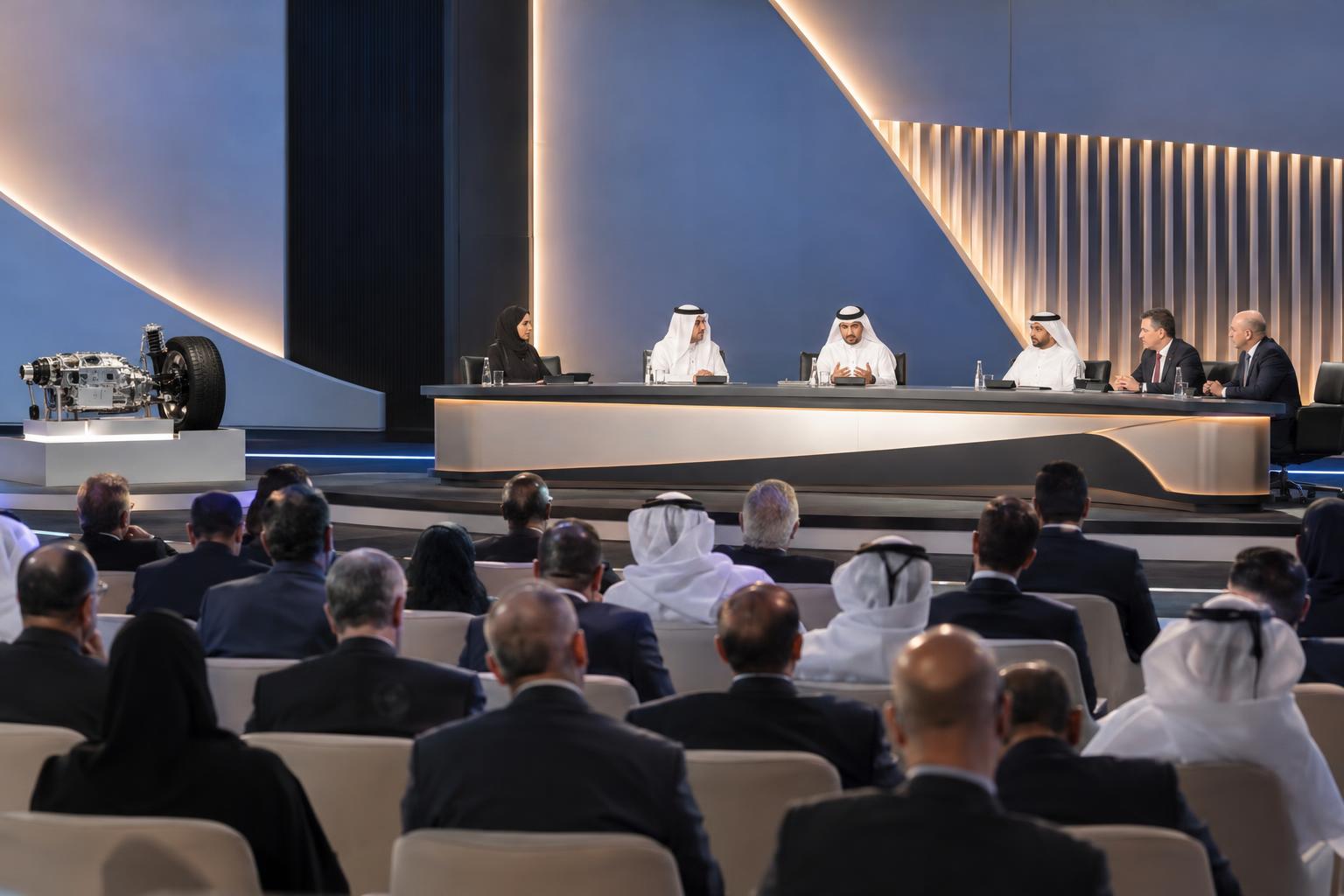
The forum brought together government officials, industrial decision-makers, investors and private-sector representatives from across the GCC. Discussions focused on how member states can coordinate industrial planning and identify projects suited to joint investment.
Key themes included improving regional supply chains, attracting investment, supporting industrial exports and developing projects that can use the strengths of more than one GCC country. Instead of duplicating the same factories and incentives in every market, the approach seeks areas where countries can complement one another.
- Joint industrial investment opportunities across GCC markets
- Manufacturing localisation and supply-chain development
- Investment frameworks and cooperation between public and private sectors
- Priority sectors with growth potential, including automotive and transport
- Ways to strengthen trade in GCC-made industrial products
Five of 20 joint industrial investment opportunities approved
A significant result from the forum was the approval of the first five opportunities from a list of 20 proposed joint industrial investments. The approvals indicate that the projects have moved beyond an early discussion stage and have been selected for further development under the regional cooperation framework.
The announcement does not mean that all 20 projects have been formally launched. The remaining opportunities may still require feasibility studies, investor commitments, site selection, regulatory approvals or commercial agreements before they can move forward.
For the GCC industrial sector, the importance is the creation of a structured project pipeline. Investors and manufacturers often need clearer priorities and support mechanisms before committing capital to a new regional production programme.
Which sectors are covered by the joint investment plan?
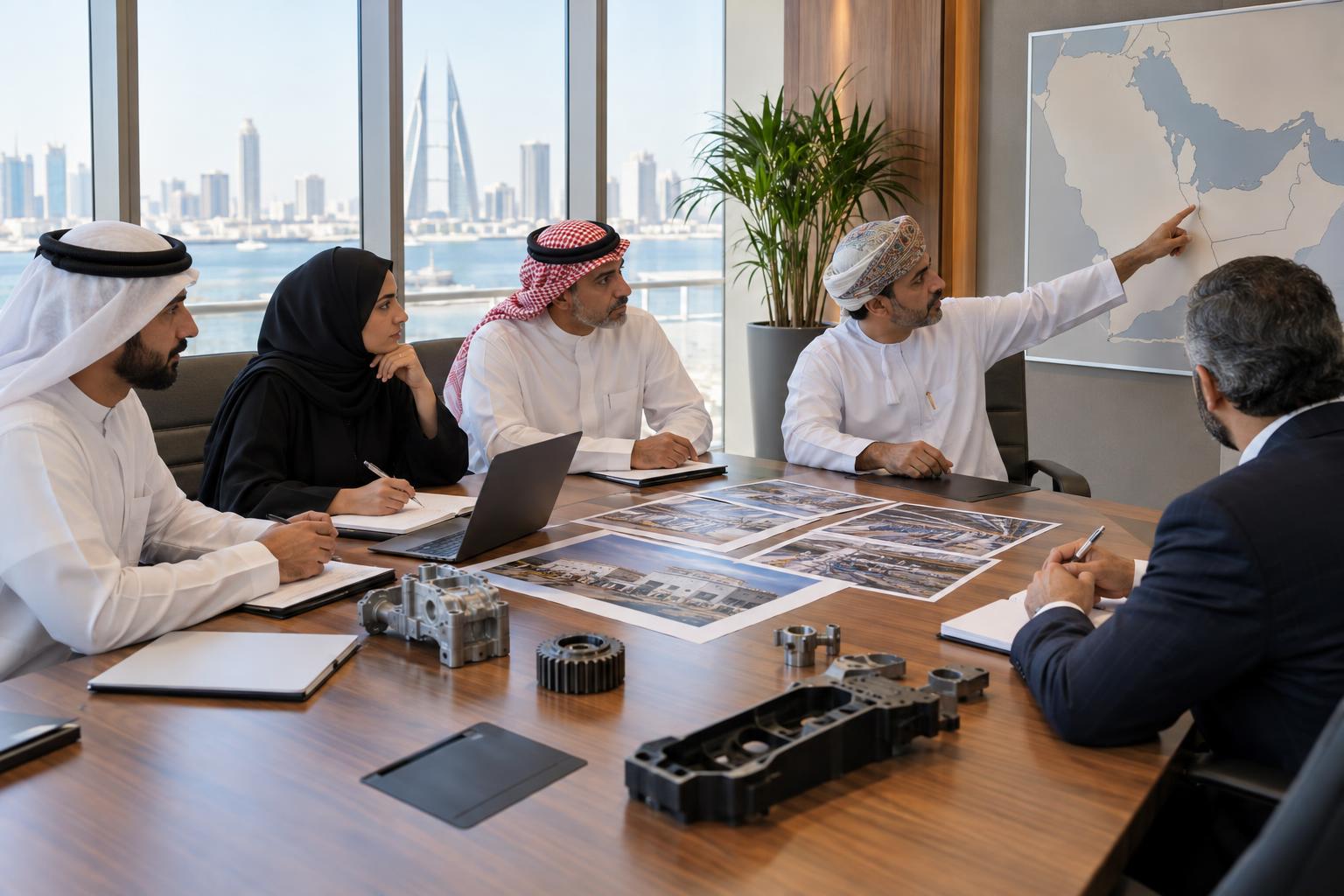
The joint investment plan spans a range of industrial areas selected for their regional demand, export potential and ability to create supply-chain links. Automotive and transport are among the highlighted areas, alongside other industries that can support economic diversification and manufacturing growth.
In practice, a regional automotive and transport strategy can include far more than final vehicle assembly. It may involve components, batteries, electrical systems, tyres, body parts, commercial vehicles, fleet equipment, charging hardware, rail-related products and logistics technologies.
- Automotive and transport: vehicles, parts, mobility systems and related equipment
- Industrial manufacturing: machinery, fabricated products and production inputs
- Logistics and supply-chain services: warehousing, transport equipment and trade infrastructure
- Advanced and cleaner technologies: electrification, energy-efficient production and digital systems
The exact make-up of each approved project will matter more than the sector label alone. A parts factory, for example, can have a different economic role from a final assembly plant, even though both sit within the broader automotive industry.
Why automotive and transport feature in the regional push
Automotive and transport are logical focus areas because the GCC has a large vehicle market, extensive road networks, major logistics hubs and significant demand from fleets. Passenger cars, SUVs, trucks, buses, delivery vehicles and construction-related transport equipment all create ongoing demand for components, servicing and replacement parts.
Much of that demand has traditionally been met through imported vehicles and imported components. Local and regional manufacturing can reduce lead times for selected products, support aftermarket availability and give businesses a closer supply base for fleet and mobility needs.
Electrification is another reason the sector is attracting attention. As GCC countries expand charging networks, introduce electric vehicle policies and invest in cleaner transport, there may be opportunities for regional production of charging equipment, battery-related components, electrical harnesses and specialised fleet solutions.
What role does the Industrial Cooperation Committee play?
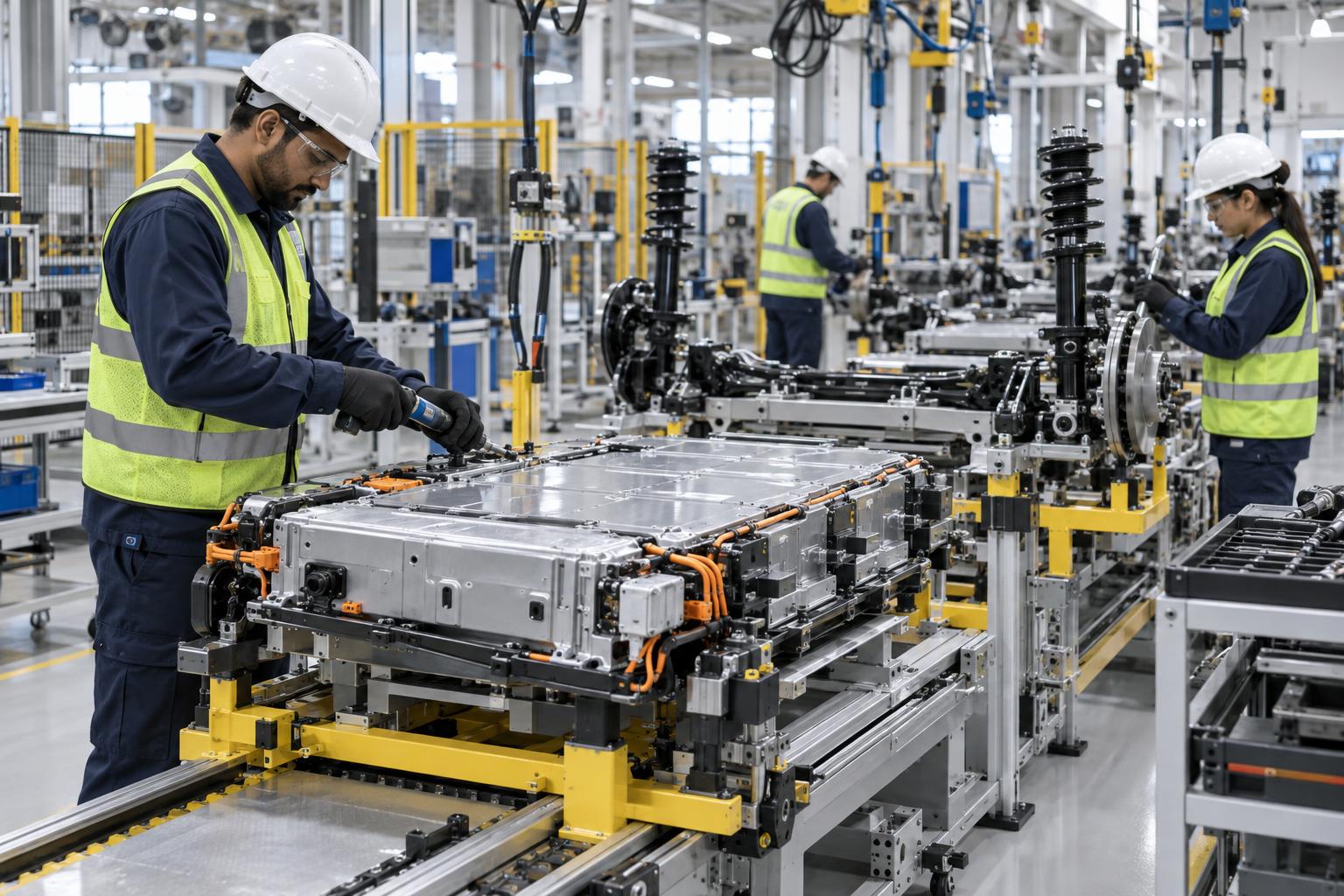
The Industrial Cooperation Committee provides a mechanism for GCC countries to coordinate their industrial priorities. Its role includes supporting collaboration between member states, reviewing opportunities for joint projects and helping align policy discussions around manufacturing and investment.
For cross-border industrial projects, coordination is important because a manufacturer may need access to suppliers in one country, a production site in another and customers throughout the GCC. A regional committee can help bring together the relevant government bodies and reduce the risk of projects being assessed only through a single-market lens.
Its involvement does not remove the need for normal commercial due diligence. Companies still need to assess demand, costs, workforce availability, regulation, transport links and potential returns before a project becomes operational.
How this regional initiative differs from single-country automotive projects
Individual GCC countries have already announced their own automotive investments, assembly plans and electric mobility programmes. Those projects are usually designed around national economic strategies, domestic incentives and a specific factory location.
The Made in GCC approach is different because it considers the wider Gulf as the potential industrial and consumer base. A project may be designed to source inputs from several countries, manufacture in the location with the strongest fit and distribute across the region.
- Single-country projects are typically centred on one national industrial strategy and local site.
- Regional projects aim to connect supply, manufacturing and sales across multiple GCC markets.
- Joint planning can help avoid unnecessary duplication where one specialised facility can serve several countries.
- A larger addressable market can make component production more viable than relying on one country’s demand alone.
That said, regional coordination can also be more complex. It requires agreement on investment terms, standards, customs processes, transport routes and the division of industrial roles between participating markets.
What this means for the GCC automotive manufacturing landscape
The immediate effect for most motorists will be limited. The forum does not mean locally made vehicles or parts will suddenly appear in showrooms, and there is no indication that the approved opportunities will quickly replace the GCC’s established imports from Asia, Europe and North America.
However, the direction is important. If the approved projects develop successfully, they could strengthen the regional base for automotive components, commercial mobility products and transport technology. Over time, this may support shorter supply chains, more specialised technical jobs and improved parts availability for selected vehicle categories.
For established manufacturers, the initiative could create opportunities to partner with local investors or build regional supplier relationships. For smaller businesses, it may encourage activity in areas such as fleet conversion, charging installation, aftermarket parts, workshop equipment and logistics support.
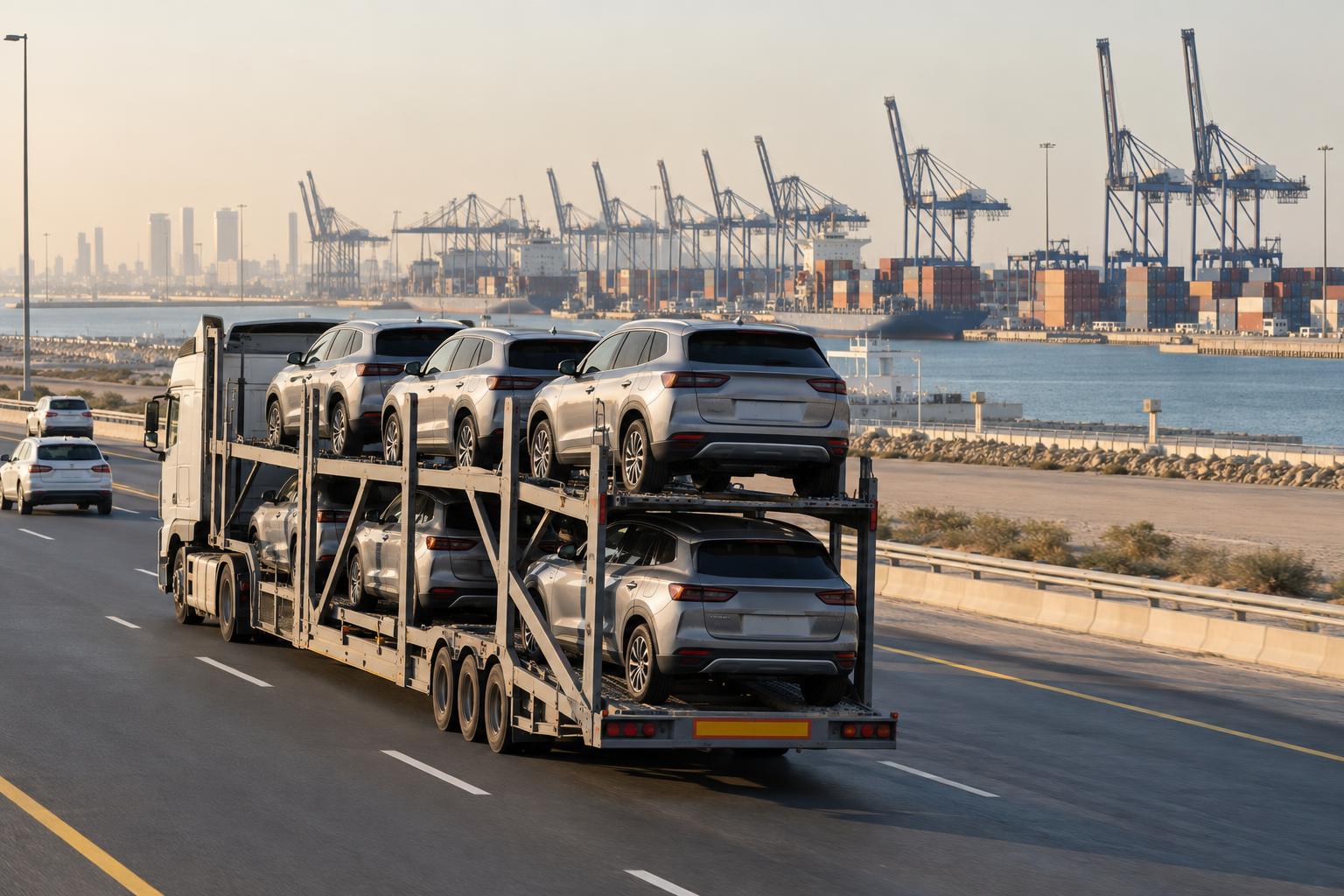
Key takeaways
- Bahrain hosted the inaugural Made in GCC Forum in 2026.
- The forum supports a GCC-wide approach to industrial cooperation and manufacturing investment.
- Five joint industrial opportunities were approved from a pipeline of 20 projects.
- Automotive and transport are among the sectors identified for regional development.
- The initiative could support future production of components, mobility equipment and transport technologies, rather than only complete vehicles.
- Its long-term success will depend on commercial viability, investor participation, supply-chain links and effective coordination between GCC markets.
For the automotive sector, the announcement is best viewed as a foundation for future manufacturing cooperation. The more meaningful milestones will be the confirmation of individual projects, factory locations, production plans, supplier partnerships and the products that eventually reach GCC buyers and fleet operators.
People Also Ask
What is the Made in GCC Forum?
The Made in GCC Forum is a regional event focused on industrial cooperation, joint investment and increasing manufacturing activity across GCC countries. It aims to identify projects that can benefit from shared markets, supply chains and expertise.
Where was the inaugural Made in GCC Forum held?
The inaugural Made in GCC Forum was held in Bahrain in 2026.
How many industrial investments were approved at the forum?
The first five joint industrial investment opportunities were approved from a wider pipeline of 20 proposed opportunities.
Why is automotive manufacturing important to the GCC?
The GCC is a major vehicle and fleet market with strong demand for cars, commercial vehicles, replacement parts and transport equipment. Developing regional production can support supply chains, technical employment and industrial diversification.
Will the Made in GCC initiative lead to locally built cars?
It could support future automotive manufacturing, but the initiative does not by itself confirm a specific locally built passenger car. Early projects may focus on components, transport equipment, logistics products or mobility technologies before final vehicle assembly becomes viable.


