Should GCC Buyers Worry About The US Polestar Ban And Chinese-Connected Car Software?
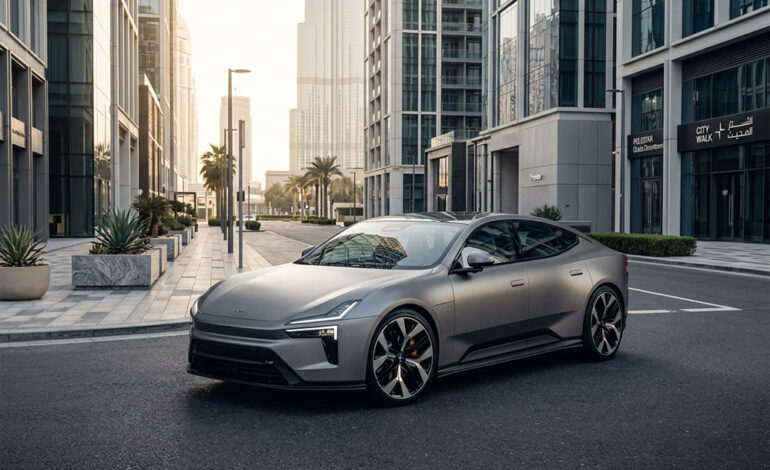
GCC buyers should not panic about the US Polestar ban, but they should pay closer attention to connected-car software, data privacy, service support and future resale confidence when buying any modern EV. The American decision does not automatically ban Polestar or Chinese-linked EVs in the UAE, Saudi Arabia, Qatar, Kuwait, Bahrain or Oman. It does, however, show how quickly software, ownership structure and national security rules can affect car brands in major markets.
The issue started with the US Department of Commerce’s Connected Vehicles rule, which restricts the import and sale of certain connected vehicles and related hardware or software linked to China or Russia. The Bureau of Industry and Security says the concern is that connected vehicles can collect sensitive data and may allow remote access through systems such as telematics, wireless connectivity and vehicle software.
Polestar has reportedly been denied authorisation to sell new vehicles in the US from model year 2027 under that rule, despite the brand being Swedish-headquartered and selling models built outside China. The Verge reported that Polestar will no longer be allowed to sell its EVs in the US from the 2027 model year, while existing US customers are expected to continue receiving service and support.
For Gulf buyers, the practical question is not whether a US rule applies here. It is whether connected-car software risk could affect future ownership, updates, insurance, resale value and confidence in brands with Chinese ownership, Chinese-built hardware or Chinese-developed systems.
The US Polestar Ban Is About Software And Ownership, Not Just Where The Car Is Built
The Polestar case matters because modern cars are no longer judged only by where they are assembled. They are software-led machines with cameras, microphones, GPS, Bluetooth, Wi-Fi, cellular modules, cloud accounts, driver profiles, app access and over-the-air updates.
That is why the US Connected Vehicles rule goes beyond traditional import restrictions. It focuses on technology linked to countries the US identifies as security concerns, including China and Russia. The Department of Commerce says the rule is intended to secure connected vehicle supply chains and protect consumers from risks linked to data access or remote interference.
Polestar is closely associated with Geely, the Chinese automotive group that also owns Volvo Cars. Reports from The Verge and Wired said Polestar was denied authorisation under the US connected vehicle restrictions, while Volvo received approval to continue US sales.
That distinction is important for GCC buyers because it shows that regulators may not treat every brand under the same corporate umbrella equally. Assembly location, software stack, ownership, supplier structure and government authorisation can all matter.
Why This Matters To UAE And GCC EV Buyers
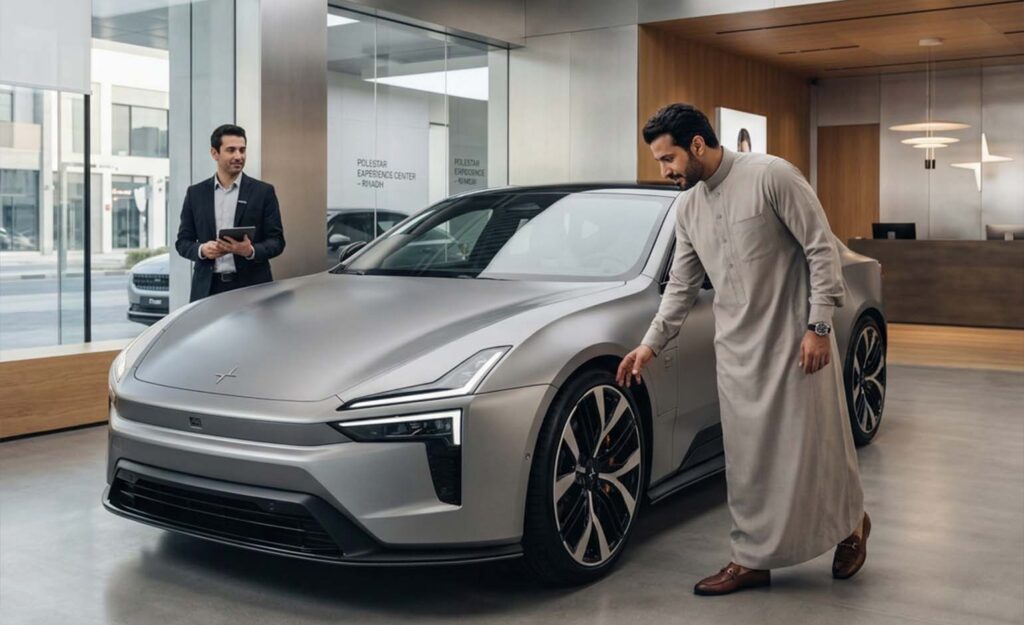
The UAE has an active premium EV market, and Polestar is officially represented in the country. Polestar UAE states that the brand is operated in the United Arab Emirates by Al-Futtaim Electric Mobility, while Al-Futtaim describes itself as the official distributor for Polestar in the UAE, with models including the Polestar 2, Polestar 3 and Polestar 4.
That means the US news is relevant locally, even though it is not a UAE regulation. A buyer in Dubai or Abu Dhabi may see the Polestar name, read about the US decision and wonder whether the same issue could affect their car.
The answer is more nuanced than “yes” or “no”.
At the time of writing, the US decision does not mean Polestar cars are banned in the UAE. There is also no confirmed GCC-wide ban on Chinese-connected car software equivalent to the US rule. What has changed is buyer awareness. Cars are now judged not only by battery range, performance and price, but also by digital trust.
GCC buyers should think about three areas:
- Local legal status is separate from US policy. A US restriction does not automatically apply in the UAE or wider GCC. Buyers should check the current position with the official local distributor rather than assuming American rules are global.
- Software support is now part of ownership risk. If a car depends heavily on cloud services, mobile apps and over-the-air updates, long-term brand commitment matters. Buyers should ask how updates, maps, connected services and diagnostic tools are supported in the UAE.
- Resale confidence can be affected by global news. Even if the car remains fully legal and supported locally, buyers may worry about future restrictions or parts support. That can influence used values, especially for newer EV brands.
Chinese-Connected Car Software Is A Wider Issue Than Polestar
Polestar is the headline, but the debate is much broader. Many modern vehicles use global supply chains. Software modules, sensors, infotainment systems, telematics units and automated driving components may come from different countries and suppliers.
The US rule is aimed at connected vehicle technology with links to China or Russia. It is not limited to electric vehicles, and it does not only apply to brands that consumers think of as Chinese. A petrol SUV, hybrid crossover or luxury sedan can still be a connected vehicle if it contains relevant communications hardware and software.
What “connected car software” actually means
Connected car software covers the systems that allow a vehicle to communicate with the outside world. That can include built-in SIM connectivity, app-based remote locking, live navigation, software updates, emergency calling, vehicle tracking, Bluetooth, Wi-Fi and certain driver assistance systems.
The concern is that these systems can collect sensitive information, including location patterns, driver behaviour and vehicle data. In higher-risk scenarios, regulators worry about whether a foreign-linked supplier could access or influence vehicle systems.
Why EVs get most of the attention
EVs often get more scrutiny because they are newer, more software-heavy and more likely to rely on apps, cloud data and over-the-air updates. Many Chinese EV brands have also entered export markets quickly, including the Middle East.
That does not make every Chinese-linked EV unsafe. It does mean buyers should ask more detailed questions than they would have asked ten years ago.
What is still not confirmed in the GCC
There is no confirmed GCC-wide rule matching the US Connected Vehicles rule. There is also no confirmed public decision that Polestar, Volvo, Geely, BYD, Zeekr, NIO, Xpeng or other Chinese-linked brands face equivalent restrictions in the UAE because of connected software.
That matters because buyers should avoid turning a US policy story into a local rumour. The useful response is not panic. It is better due diligence.
The Buyer Checks That Now Matter More
For GCC buyers, software risk should sit alongside the usual EV buying checks: range, charging speed, battery warranty, service access and resale value. A car can be impressive on paper but still be a poor ownership decision if local support is weak.
Before buying a Polestar or any Chinese-linked connected vehicle in the UAE or GCC, buyers should ask the distributor or dealer clear questions.
- Who operates the connected services locally? Ask whether app services, cloud accounts, navigation, diagnostics and over-the-air updates are handled through the local distributor, the global brand or a third-party provider. The answer matters if services change later.
- What happens if software support changes? Buyers should ask whether the car can still be driven, charged, serviced and diagnosed if certain connected services are reduced. A useful EV should not become difficult to own because an app or data service changes.
- Are battery and software warranties written clearly? Battery warranty is not the same as software support. Ask what is covered, how updates are delivered, what happens after the warranty period and whether coverage transfers to the next owner.
Where This Matters Most In UAE Driving Conditions
The UAE is a strong test case for connected EV ownership because cars face heavy heat, dust, high-speed roads and long air-conditioning use. EV buyers already need to think about battery cooling, tyre wear, charging behaviour and service access. Software adds another layer.
A connected EV that performs well in Dubai or Abu Dhabi must be supported locally, not only globally. If the car has a warning light, battery issue, sensor fault or software glitch, the owner needs trained technicians and diagnostic access.
Local conditions make these checks more important:
- Heat can expose weak service support. A software-related fault linked to battery cooling, charging or driver assistance may need specialist diagnosis. If parts or software access are slow, a premium EV can become frustrating quickly.
- Dust and road conditions affect sensors. Cameras, radar units and driver assistance systems need proper calibration and cleaning. Buyers should ask whether the local service network can handle ADAS calibration after windscreen, bumper or accident repairs.
- Highway use changes the ownership picture. GCC drivers often cover long distances between emirates or across borders. Reliable navigation, charging information and route planning can be more than a convenience for EV owners.
Should Polestar Buyers In The UAE Be Worried?
Polestar buyers in the UAE should be aware, not alarmed. The brand has official local representation through Al-Futtaim Electric Mobility, and Polestar UAE lists local retailer and service locations.
That local representation is a positive sign, because buyers have an official channel for sales, service and support. It does not remove every risk, but it is very different from buying an unsupported grey-import EV with no clear diagnostic pathway.
The questions for a UAE buyer are practical:
- Is the specific model officially sold and supported locally? A UAE-supplied Polestar with official backing is easier to understand than an imported example with unclear warranty terms. Buyers should confirm the VIN, specification and warranty status before paying.
- What does the dealer say about future updates? Ask whether the vehicle will continue to receive software updates in the UAE and whether any connected features depend on subscriptions or market-specific approvals. Get the answer in writing where possible.
- How might global headlines affect resale? Even if the car is supported locally, some used buyers may hesitate because of US news. That may not destroy resale value, but it could make brand confidence more important at trade-in time.
The Same Questions Apply To BYD, Zeekr, NIO, Xpeng And Other New EV Brands
The Polestar story should not be read as a reason to avoid every Chinese or Chinese-linked car. The Gulf market is already seeing strong interest in Chinese EVs and hybrids because many offer long equipment lists, competitive pricing and advanced technology.
The better lesson is that buyers should separate brand appeal from ownership structure. A car may look premium, drive well and offer strong specifications, but the aftersales and software ecosystem still needs checking.
This applies across the market, including Chinese brands, European brands with Chinese ownership, and global brands using Chinese suppliers. In 2026 and beyond, the car’s digital supply chain may matter almost as much as the badge on the bonnet.
Before committing, buyers should compare:
- Dealer strength in the UAE or GCC. A well-backed distributor can reduce risk through parts availability, trained technicians and clear warranty handling. A weak or newly established network can make even a good car harder to own.
- Software update history. Ask whether the brand has a record of delivering updates in the region. Some features shown in global marketing may not be active in the GCC.
- Data privacy and account controls. Buyers should understand what data the car collects, what permissions the app requires and how to delete personal data before resale. This is especially relevant for connected EVs with user profiles and cloud accounts.
Insurance, Warranty And Resale Could Feel The Impact First
Most GCC buyers will not feel software regulation directly. The first effects are more likely to show up in insurance questions, warranty confidence and resale behaviour.
Insurers may become more interested in parts availability, repair procedures and ADAS calibration costs as cars become more software-led. Warranty providers may look more closely at battery systems, software faults and diagnostic limitations. Used buyers may become more cautious about brands affected by overseas restrictions.
That does not mean values will collapse. It means buyers should keep better records and choose cars with stronger local backing.
A smart ownership file should include:
- Warranty documents and update records. Keep proof of software updates, service visits, battery checks and recall work. These documents can help when selling the car later.
- Clear service invoices. EV service records should show diagnostic checks, battery health reviews and any ADAS or software-related work. A vague invoice is less useful than a detailed one.
- Written confirmation of local support. If a buyer is worried about a specific model, they should ask the dealer to confirm warranty, software and connected-service support in writing before purchase.
A Sensible Way To Read The US Polestar News From The Gulf
The US Polestar ban is a warning sign about where the car industry is heading. Connected cars are becoming political, technical and regulatory products, not just transport. That matters for GCC buyers because many of the region’s most interesting new EVs come from global supply chains with Chinese links.
Still, there is no reason to treat every Chinese-connected car as a problem. The UAE and wider GCC have their own regulations, market priorities and distributor networks. What matters for buyers is whether the specific car is officially sold, properly supported and transparent about its software ecosystem.
For now, GCC buyers should not reject Polestar or Chinese-linked EVs purely because of the US decision. They should, however, ask sharper questions before buying. In a modern EV, the badge, battery and design are only part of the story. The software behind the car may shape ownership just as much.