Buying Car Insurance Online In The UAE? Here’s How To Avoid Fake Policies In 2026
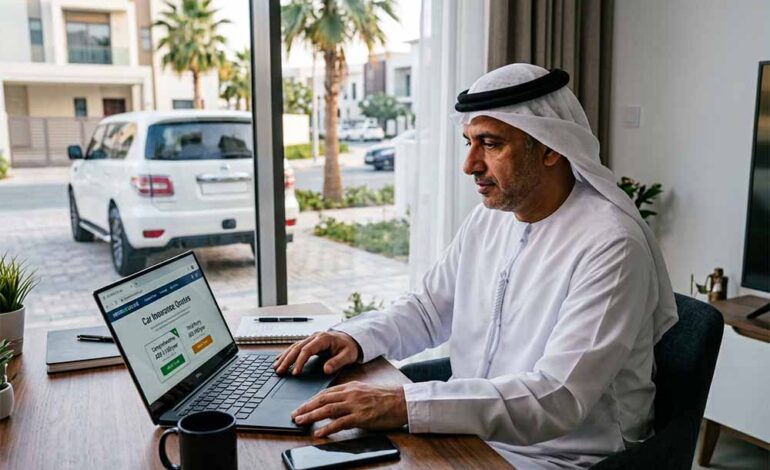
Buying car insurance online in the UAE can take only a few minutes. Unfortunately, that convenience is also being used by scammers posing as insurers and brokers on social media, messaging apps and fake websites.
The UAE Ministry of Interior warned motorists in July 2026 about fraudulent accounts impersonating vehicle insurance companies and offices. According to the warning, scammers were advertising unrealistically cheap policies and pushing customers to make payments for insurance that did not exist.
For anyone buying car insurance online in the UAE, the safest approach is simple: verify the insurer or broker with the Central Bank of the UAE, use an official payment channel, confirm the policy directly with the insurer and never assume that a convincing PDF or WhatsApp message proves you are insured.
Fake Car Insurance Has Become A Real Risk For UAE Drivers
Online insurance itself is not the problem. UAE insurers and licensed brokers legitimately sell motor policies digitally, and electronic insurance documents form part of the country’s vehicle registration process.
The UAE Government states that vehicle registration requires insurance from an authorised insurer and an electronic vehicle insurance document.
The danger comes from people impersonating legitimate businesses.
Dubai Police also warned residents during 2026 about fake insurance promotions being distributed through social media. Authorities highlighted unusually low prices and fraudulent online advertising as common methods used to attract victims.
A scammer may copy:
- An insurer’s logo and branding.
- Genuine-looking policy documents.
- Employee photographs or profile names.
- Website layouts and social media pages.
- Real insurance terminology and quotation formats.
That can make a fraudulent offer look convincing until the driver tries to use the policy.
How To Check If A UAE Car Insurance Provider Is Genuine
The biggest mistake is verifying an insurance seller using information supplied by the seller themselves.
A phone number printed on a quotation does not prove anything if the scammer created the quotation. Check the provider independently instead.
1. Check The CBUAE Register
Insurance companies and insurance brokers operating in the UAE are regulated by the Central Bank of the UAE.
The CBUAE maintains a register of licensed financial institutions and insurance entities, including a 2026 list of insurance companies and brokers.
Before paying:
- Search for the company’s exact legal name.
- Check whether it appears as an insurer or insurance broker.
- Compare the name with the company issuing your quotation.
- Be suspicious of slightly altered company names.
Current CBUAE regulations state that a person cannot provide insurance brokerage services in the UAE without being licensed by the Central Bank.
2. Contact The Insurer Separately
If you receive an attractive quotation through Instagram, Facebook, WhatsApp or another online platform, do not rely entirely on the contact details inside the message.
Find the insurer’s official website independently and contact the company using its published telephone number or customer-service channel.
Ask them to confirm:
- Whether the broker is authorised to sell its policies.
- Whether the quotation reference exists.
- Whether the payment instructions are genuine.
- Whether the policy has actually been issued.
This takes a few extra minutes and can prevent a much larger financial problem later.
3. Check The Website Before Entering Your Details
Fake websites can look remarkably similar to genuine insurer websites.
Watch carefully for:
- Misspelt company or domain names.
- Strange additional words in the web address.
- Links received only through unsolicited messages.
- Poorly constructed payment pages.
- Requests for unnecessary banking information.
Instead of clicking a link sent in a social media advertisement, search for the insurer independently or use the website address you already know is genuine.
Who Are You Actually Paying?
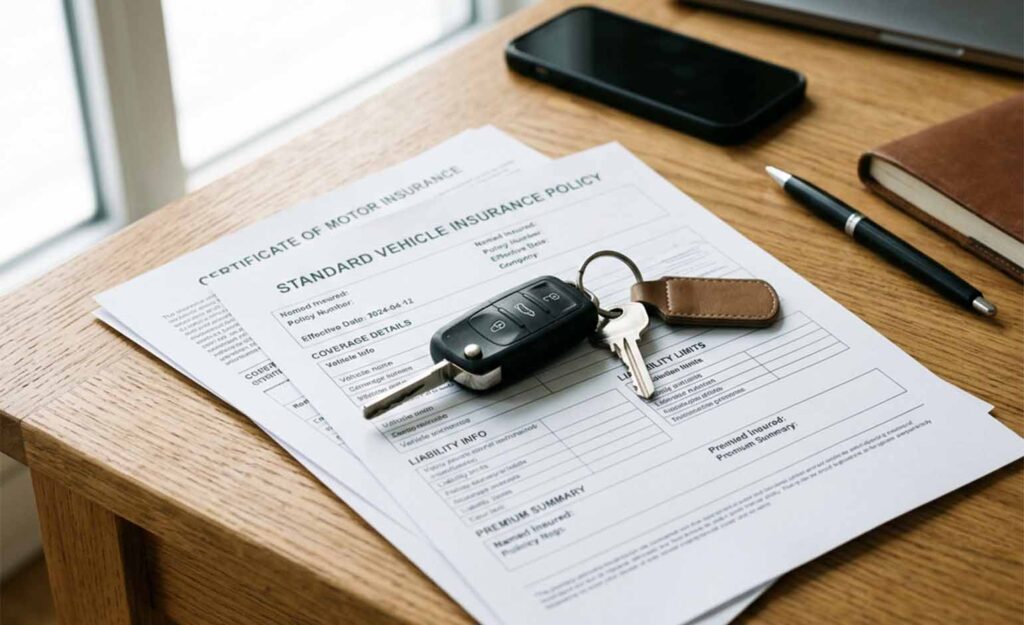
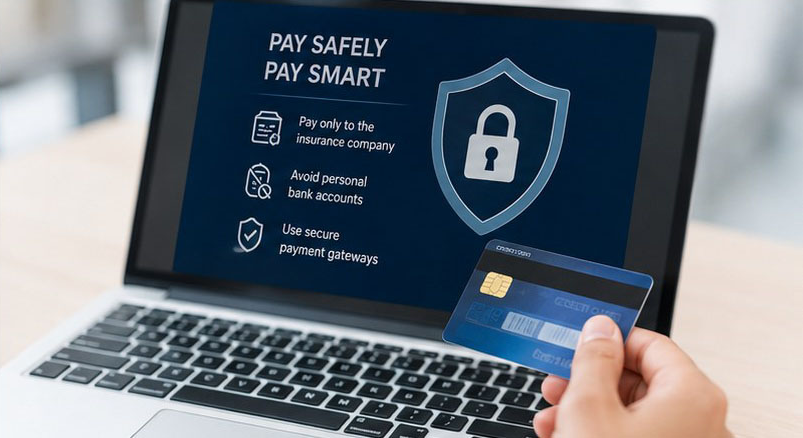
This is one of the strongest checks UAE motorists can make.
Under the CBUAE Insurance Brokers’ Regulation currently in force, premiums for primary insurance business must be paid directly by customers to insurance companies. Insurance brokers are prohibited from collecting those premiums.
That means a request to send your car insurance premium directly to an individual or broker should immediately raise concern.
Before completing an online payment:
- Check the name of the company receiving the money.
- Do not transfer premiums into a salesperson’s personal account.
- Question payment links that do not identify the insurer.
- Contact the insurer if the beneficiary name looks unfamiliar.
- Keep the payment confirmation after completing the transaction.
A legitimate broker can help you compare products and arrange cover, but current regulations place responsibility for receiving the premium with the insurance company.
Six Warning Signs Of A Fake UAE Car Insurance Offer
No single warning sign proves an offer is fraudulent. Several appearing together should make you stop before paying.
The premium is dramatically cheaper than every other quotation
This is one of the specific tactics highlighted by UAE authorities.
The Ministry of Interior said fraudsters were using insurance prices significantly below normal market levels to create a sense of value and persuade drivers to pay quickly.
A genuine insurer can certainly offer a competitive quotation. A price that is dramatically below every recognised provider deserves further checking.
Everything happens through social media or WhatsApp
Many legitimate brokers communicate digitally, so WhatsApp itself is not evidence of fraud.
The problem is when there is no independently verifiable company behind the account.
Be cautious if:
- There is no official company email address.
- The profile has little genuine history.
- The seller refuses to provide licensing information.
- Communication moves immediately to private messaging.
You are pressured to pay immediately
Fraud works more effectively when the victim does not have time to verify what they are buying.
Claims such as “price valid for ten minutes” or repeated pressure to transfer money should make you slow the transaction down rather than speed it up.
Payment goes somewhere unexpected
The seller may give you a personal bank account, unfamiliar beneficiary or payment page unrelated to the named insurer.
That is especially important because current CBUAE brokerage rules require primary insurance premiums to be paid directly to insurance companies.
The policy document arrives suspiciously quickly
A PDF containing your name, vehicle information and an insurer’s logo can still be fabricated.
Do not judge authenticity from the design of the document alone. Confirm the policy number directly with the insurer using contact details obtained independently.
The seller cannot explain the cover
A genuine quotation should clearly identify what you are purchasing.
You should be able to establish whether the policy provides third-party liability or comprehensive cover and understand the main applicable conditions.
If the seller avoids basic questions about the actual insurer or policy, walk away.
Check The Policy Details Before You Assume You Are Covered
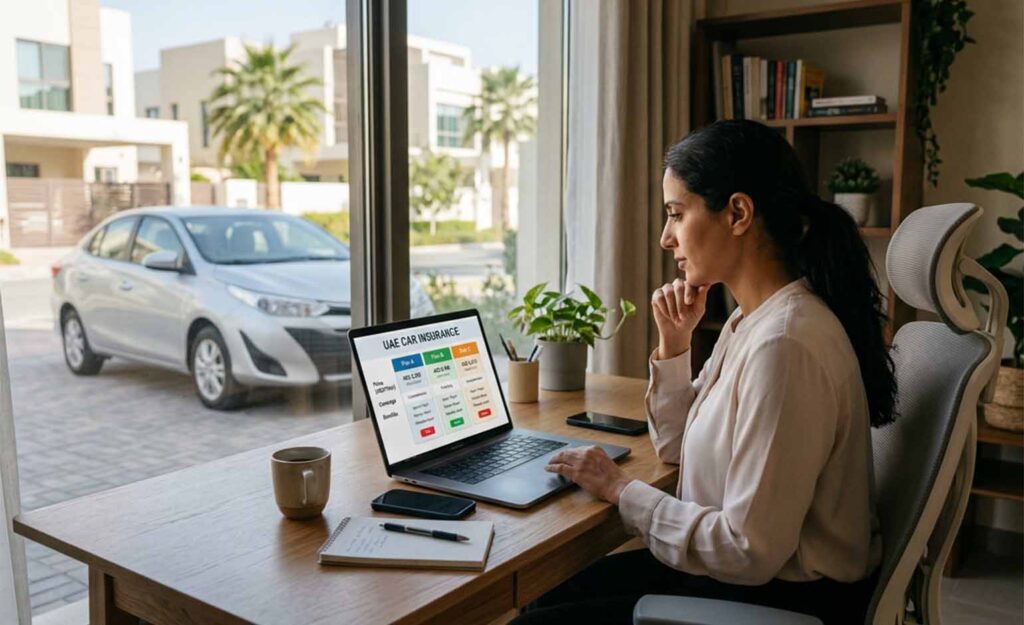
Fraud is not the only risk when purchasing car insurance online. Drivers can also buy legitimate policies that do not provide the level of cover they expected.
The UAE’s motor insurance framework includes standardised policies covering third-party liability and loss and damage. The CBUAE Rulebook currently lists the country’s unified motor insurance requirements.
Before accepting a policy, check the important details carefully.
These should include:
- Your name and vehicle details.
- Chassis or vehicle identification information.
- Policy start and expiry dates.
- Name of the actual insurance company.
- Third-party or comprehensive cover.
- Applicable excess or deductible.
- Repair conditions where relevant.
- Any stated exclusions or additional benefits.
For comprehensive insurance, also check items such as agency repair eligibility, roadside assistance and geographical extensions rather than assuming they are automatically included.
A Fake Policy Can Cause Problems Beyond Losing The Premium
Losing the money sent to a scammer may only be the first problem.
A driver who believes they have insurance could discover the truth while attempting a vehicle transaction or, much worse, after an accident.
The UAE vehicle registration process requires insurance from an authorised insurer and an electronic insurance document.
If you are purchasing insurance for registration or renewal, make sure the genuine electronic insurance document has been issued and recognised through the relevant process rather than relying solely on a PDF sent by a salesperson.
A fraudulent document could also leave you without the protection you expected when making a claim.
Buying Through A Broker? Verify The Broker As Well As The Insurer
Using an insurance broker can be useful because it allows drivers to compare policies from different companies.
However, being shown quotations from recognised insurers does not automatically prove that the person contacting you is an authorised broker.
The CBUAE’s current Insurance Brokers’ Regulation requires brokers operating in the UAE to hold a Central Bank licence.
Before dealing with one:
- Check the broker’s legal name against the CBUAE register.
- Confirm which insurer will actually issue your policy.
- Ask for the insurer’s quotation and policy details.
- Pay the insurance premium directly to the insurance company.
- Keep copies of all correspondence and documentation.
Licensed brokers are also required to act honestly, fairly and transparently when dealing with clients and when comparing insurance products.
What To Do If You Think You Bought A Fake Policy
Act quickly if you have already paid and something does not look right.
First, contact the real insurance company using its official details. Ask whether a policy has been issued in your name and whether the policy number is genuine.
Then preserve the evidence.
Keep:
- Screenshots of advertisements and social media profiles.
- WhatsApp or other message histories.
- Bank transfer or card-payment records.
- Quotations and fake policy documents.
- Phone numbers, email addresses and website links.
- Any names or account details supplied by the seller.
Contact your bank or card provider promptly if you believe a fraudulent payment has been made. Explain what happened and ask what options may be available regarding the transaction.
Report Suspected Online Insurance Fraud In The UAE
The UAE Government provides several channels for reporting cybercrime.
Depending on where you are located, these include the Ministry of Interior’s electronic crime channels, Dubai Police’s eCrime service and Abu Dhabi Police’s Aman service. Suspected cybercrime can also be reported through a police station.
Dubai Police’s eCrime platform specifically allows members of the public to register cybercrime complaints.
If you have an insurance dispute with an actual licensed insurer, the process is different.
Sanadak is the UAE’s independent financial and insurance Ombudsman and handles eligible complaints involving licensed insurance companies. Consumers are generally expected to raise the complaint with the insurer first before escalating it through Sanadak.
A criminal scam involving someone impersonating an insurer should instead be reported to the appropriate police or cybercrime authority.
Cheap Insurance Is Only A Saving If The Policy Is Real
UAE motorists naturally compare prices, particularly when several insurers may quote very different premiums for the same vehicle.
There is nothing wrong with searching for a better deal. The problem starts when the cheapest offer bypasses the checks that would normally protect you.
Before buying car insurance online in the UAE, take five minutes to verify the company, broker, payment destination and policy number. Those checks matter far more than how professional the social media advertisement looks.
A genuine discount can save you money. A fake policy can leave you without insurance when you need it most.