How Formula 1 in the Gulf Built a Global Motorsport Hub
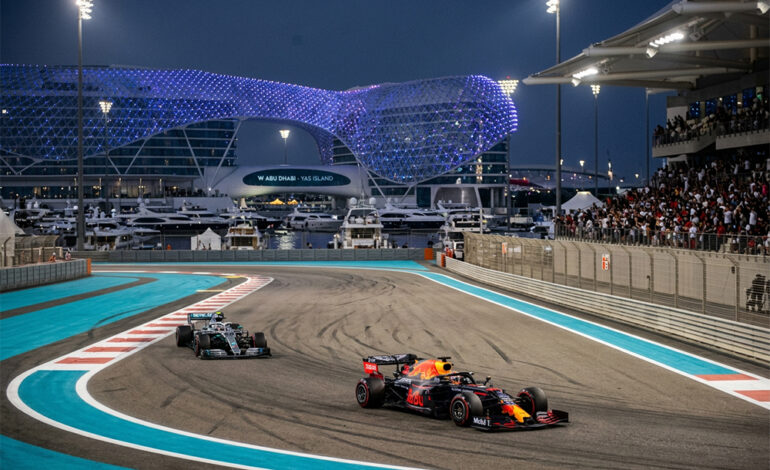
Formula 1 did not introduce the Gulf to fast cars, but it gave the region a permanent place on the world motorsport calendar. Bahrain’s first Grand Prix in 2004 proved that a Middle Eastern country could build and operate a modern Formula 1 venue. Abu Dhabi then connected racing with tourism and entertainment, before Saudi Arabia and Qatar expanded the GCC’s presence further in 2021.
The result is a regional motorsport network built around four distinctive Grand Prix destinations: Bahrain International Circuit, Yas Marina Circuit, Jeddah Corniche Circuit and Lusail International Circuit. Formula 1 in the Gulf has also encouraged investment in karting, junior racing, endurance events, driving experiences, hospitality and year-round circuit activity.
That influence remains visible even during disruption. The original 2026 calendar included Bahrain, Saudi Arabia, Qatar and Abu Dhabi, although Formula 1 later confirmed that the Bahrain and Saudi Arabian rounds would not take place in their scheduled April slots because of the regional situation. The decision showed how deeply the Gulf has become integrated into the championship, while also underlining the risks attached to operating major international events in a geopolitically sensitive region.
Bahrain 2004 gave Formula 1 its first Gulf home
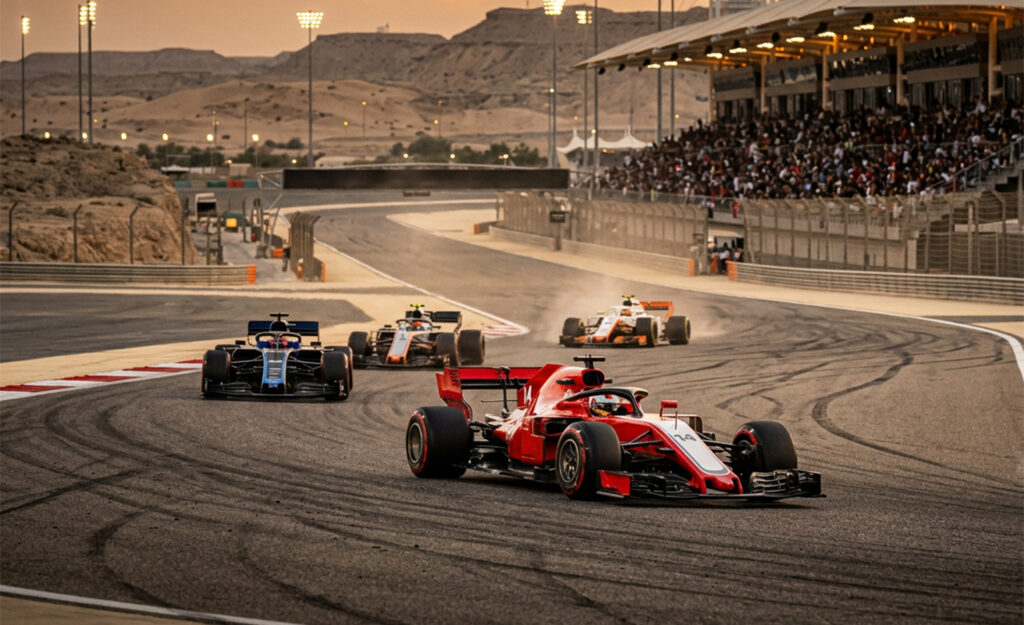
The modern history of Formula 1 in the Gulf began on 4 April 2004, when Bahrain International Circuit hosted the first Formula 1 World Championship race held in the Middle East. Michael Schumacher won for Ferrari ahead of team-mate Rubens Barrichello, but the significance of the weekend went far beyond the result.
Bahrain had built a permanent international circuit in Sakhir, outside the traditional European and American centres of motorsport. The facility demonstrated that desert conditions, demanding logistics and a relatively young local racing market did not prevent the region from delivering a major global sporting event.
A permanent circuit rather than a temporary venue
Bahrain International Circuit was designed for repeated use. The complex has five track layouts, while its 5.412-kilometre Grand Prix circuit has hosted Formula 1, the FIA World Endurance Championship, GP2 and Porsche support racing.
This distinction was important. Bahrain was not simply constructing grandstands for one heavily promoted weekend. It was creating a venue capable of supporting national racing, international championships, testing, corporate events and driver development.
The lessons from Bahrain helped establish a model that other GCC hosts could adapt:
- The circuit had to remain active after Formula 1 left. International and domestic events helped maintain the venue, retain trained personnel and build familiarity with race operations. A year-round programme also gave local enthusiasts more opportunities to experience organised motorsport.
- The desert could become part of the event’s identity. Instead of trying to disguise its location, Bahrain used the Sakhir landscape and later its floodlit night-race format to create a recognisable visual character. The combination of desert surroundings and artificial lighting became closely associated with Gulf racing.
- Grassroots facilities had to support the main circuit. Bahrain International Karting Circuit is approved to host major CIK-FIA events and operates a 1.414-kilometre track. Karting gives younger drivers a far more realistic entry point than the distant prospect of immediately reaching Formula 1.
Bahrain therefore contributed more than a place on the calendar. It gave the Gulf a working example of how international racing infrastructure could support a wider national motorsport programme.
Abu Dhabi made the Grand Prix part of the destination
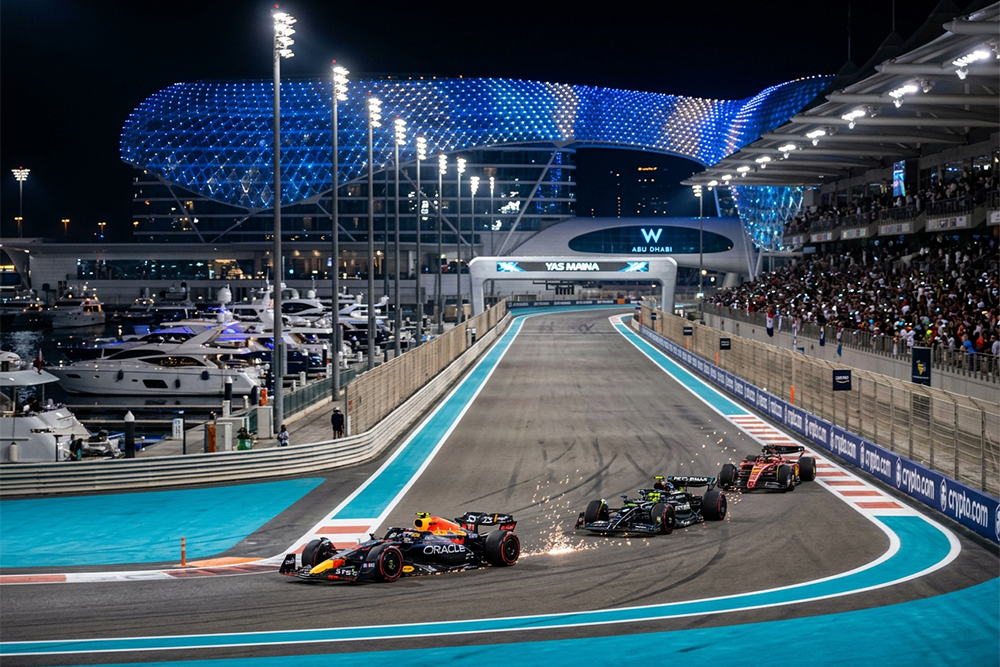
The first Abu Dhabi Grand Prix took place at Yas Marina Circuit on 1 November 2009. It was Formula 1’s first twilight race, beginning in daylight and finishing under the circuit’s floodlights.
This format immediately gave the event a distinct television identity. The setting sun, illuminated track, marina, hotels and surrounding Yas Island development created a very different atmosphere from the conventional permanent circuits that dominated the championship.
Abu Dhabi’s greater contribution was to connect Formula 1 with a wider destination strategy. Yas Marina Circuit was placed within a leisure district that could accommodate hotels, concerts, theme parks, restaurants and other visitor attractions. The Grand Prix became one part of a complete travel and entertainment weekend.
The season finale increased Abu Dhabi’s global visibility
Abu Dhabi became closely associated with Formula 1’s season finale. That position has regularly brought championship celebrations, title decisions, driver farewells and end-of-season commercial activity to the UAE.
The 2010 race delivered Sebastian Vettel’s first world championship, while the highly controversial 2021 finale decided the title between Max Verstappen and Lewis Hamilton. These moments gave Yas Marina a sporting identity that extended beyond its architecture and hospitality.
Even when the championships are decided before the final round, Abu Dhabi remains an important gathering point for teams, sponsors, manufacturers and international guests. For the UAE, it provides recurring global exposure at the end of the Formula 1 season.
Yas Marina became a year-round UAE motorsport venue
The circuit’s value is not limited to Grand Prix week. Yas Marina Circuit says it plans and delivers more than 400 events a year across motorsport, health, fitness and corporate activity. Its public programme includes track days, karting, drag racing, drifting, driving experiences and community fitness sessions.
The venue has also hosted Formula 4 Middle East, Formula Regional Middle East, the Asian Le Mans Series, Gulf ProCar and the Gulf Radical Cup. These championships create opportunities for regional teams, drivers, mechanics, marshals and organisers below Formula 1 level.
For UAE car enthusiasts, this is one of the most practical results of the Grand Prix investment:
- Drivers can use a controlled circuit environment. Track days and organised experiences provide an alternative to testing performance cars on public roads. This is particularly relevant in Dubai and Abu Dhabi, where powerful sports cars and supercars are common but speed enforcement is strict.
- Regional championships gain professional facilities. Drivers competing in junior single-seaters, GT cars or domestic categories can race at a venue built to Formula 1 standards. That improves safety, organisation and the quality of the overall event.
- Car culture becomes more accessible to spectators. Smaller race meetings, karting and community events are usually easier to attend than a Formula 1 weekend. They give families and younger enthusiasts a route into motorsport without requiring premium Grand Prix tickets.
Saudi Arabia and Qatar created a four-country Gulf presence
The arrival of Saudi Arabia and Qatar in 2021 changed the scale of the region’s relationship with Formula 1. For the first time, four GCC countries had hosted World Championship Grands Prix.
Each country approached the sport differently. Saudi Arabia introduced a high-speed urban circuit beside the Red Sea, while Qatar adapted a venue already known internationally for motorcycle racing.
| Gulf host | First Formula 1 race | Circuit | Defining characteristic |
| Bahrain | 2004 | Bahrain International Circuit | The Middle East’s first Formula 1 Grand Prix |
| UAE | 2009 | Yas Marina Circuit | Formula 1’s first twilight race and a regular season finale |
| Saudi Arabia | 2021 | Jeddah Corniche Circuit | A fast street circuit on Jeddah’s waterfront |
| Qatar | 2021 | Lusail International Circuit | A permanent venue shared by Formula 1, MotoGP and WEC |
Why Formula 1 suited the Gulf so well
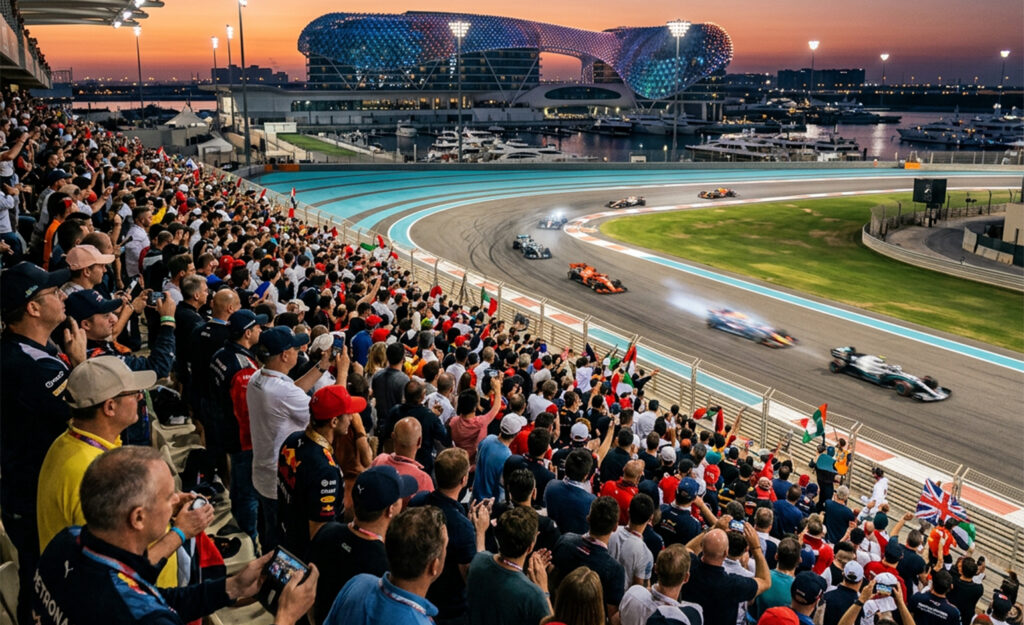
Formula 1 and the GCC were commercially compatible long before four countries appeared on the calendar. The Gulf offered modern infrastructure, international flight connections, premium hospitality and governments interested in using major events to attract visitors and investment.
Formula 1 brought an established global audience, recognisable manufacturers, international sponsors and a weekend format that could be combined with concerts, business events and tourism campaigns.
Several local conditions made the relationship particularly effective:
- Evening races work with the regional climate. Moving sessions towards sunset or night avoids the most intense daytime heat for spectators, staff and drivers. Floodlighting also gives Gulf circuits a consistent visual identity on global broadcasts.
- The GCC already had an active performance-car market. Ferrari, McLaren, Mercedes-AMG, Porsche and Lamborghini had strong customer bases across the UAE, Saudi Arabia, Qatar, Kuwait and Bahrain. Formula 1 gave dealers and manufacturers a natural setting for launches, owner events and hospitality.
- The region could market race weekends as international trips. Visitors attending Abu Dhabi, Bahrain, Jeddah or Qatar can combine the Grand Prix with hotels, restaurants, concerts and local attractions. This broadens the audience beyond committed motorsport followers.
The championship also fits the way cars are discussed in the Gulf. Heat management, tyre performance and mechanical reliability are familiar subjects for UAE and GCC drivers because ordinary vehicles must cope with high temperatures, dust and sustained motorway speeds.
Formula 1 technology is far removed from a road car, but the engineering themes remain understandable. Cooling systems, aerodynamic efficiency, tyre degradation and brake temperatures all have clear relevance in a region where environmental conditions place considerable stress on vehicles.
The wider motorsport economy matters more than four races
A Grand Prix can bring global attention for a weekend, but a genuine motorsport hub requires more than spectators and television coverage. It needs trained officials, marshals, engineers, mechanics, promoters, medical teams, media staff and young drivers.
Formula 1 helped justify investment in these areas because every race requires local operational capability. Once established, those skills can be used at endurance events, junior championships, karting meetings and track days.
Junior drivers gained larger regional stages
Formula 2, Formula 3, Formula Regional Middle East, Formula 4 Middle East and F1 Academy have all brought developing drivers to Gulf circuits. These categories allow younger competitors to race in front of Formula 1 teams, sponsors and larger audiences.
The UAE’s Al Qubaisi family has become one of the region’s most recognisable examples. Amna and Hamda Al Qubaisi progressed through karting and international single-seater competition, helping demonstrate that Gulf drivers could move beyond local events.
One or two visible careers do not prove that a complete development system already exists. However, they give younger drivers role models and show families that there is a more structured route from karting into professional racing.
Winter weather created a valuable racing season
The Gulf’s hottest months are difficult for circuit activity, but its winter conditions are attractive when many European tracks are cold or affected by poor weather.
This has helped the UAE and Bahrain develop winter championships that attract international drivers and teams. Competitors can gain race mileage in January and February before returning to European series later in the year.
The regional winter calendar provides several advantages:
- Young drivers can continue racing during Europe’s off-season. Extra track time helps them adapt to new cars, teams and circuits. It also gives engineers more data before the main European championships begin.
- Regional teams can work with international talent. This improves technical knowledge and raises operating standards within local championships. Mechanics and engineers gain experience with drivers from established racing markets.
- Gulf circuits remain commercially active. Winter racing fills part of the calendar between major international events. It supports hotels, transport providers, circuit staff and specialist motorsport businesses.
What Formula 1 changed for UAE and GCC car culture
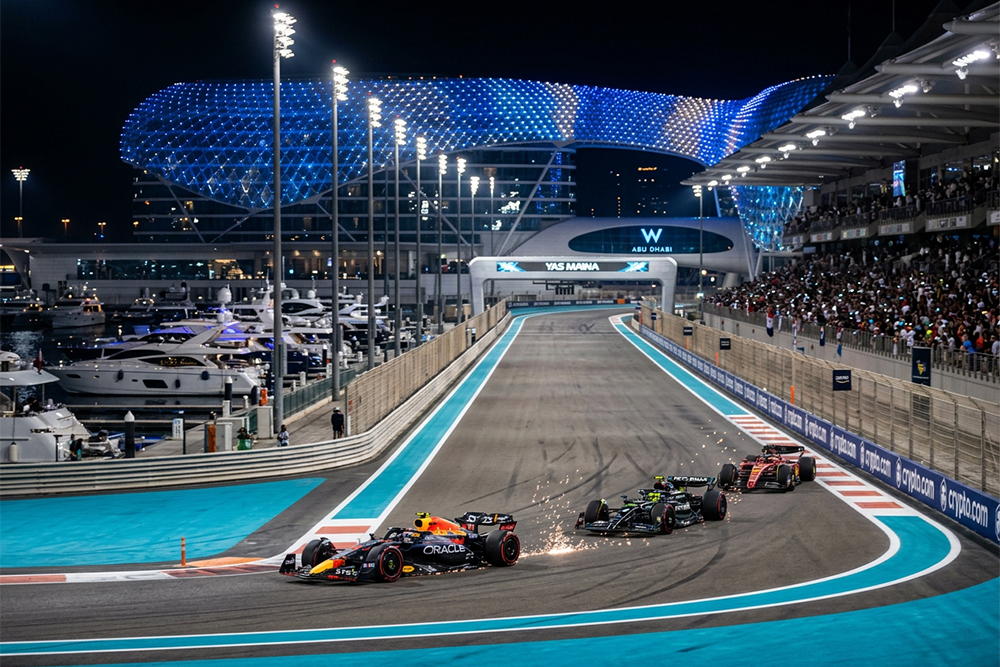
The Gulf’s enthusiasm for powerful cars existed before Formula 1 arrived. What changed was the availability of major circuits, international race weekends and professional environments where that enthusiasm could be expressed.
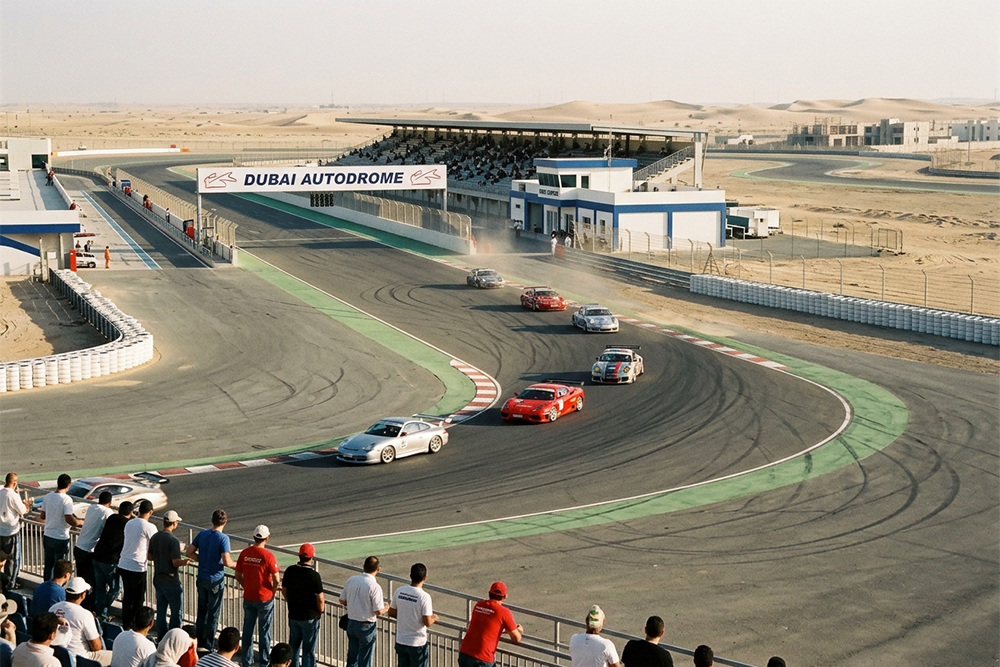
In the UAE, Yas Marina Circuit has become a focal point for track days, manufacturer launches and organised car gatherings. Dubai Autodrome, which opened in 2004, has played a similarly important role in developing club racing, karting and endurance events in Dubai.
Formula 1 also gave regional enthusiasts closer contact with manufacturers and drivers. Ferrari, Mercedes, McLaren, Aston Martin and other brands can use Gulf race weekends for customer events, sponsor activations and dealership programmes.
For the wider public, Formula 1 made motorsport more visible. A person may initially attend because of a concert, a hospitality invitation or the social atmosphere, then develop an interest in the racing itself.
That approach can frustrate purists who want the sporting contest to remain the sole attraction. Yet the combination of racing and entertainment has helped Gulf promoters build audiences in countries without the century-old motorsport traditions found in Britain, Italy or France.
The next test is building depth beneath Formula 1
The Gulf has proved that it can host major races and operate world-class venues. The harder task is turning those assets into a deeper regional motorsport industry.
Building a circuit does not automatically produce Formula 1 drivers, independent racing teams or automotive engineers. Those outcomes require long-term karting programmes, affordable junior categories, technical education and sustained private-sector involvement.
Cost remains one of the largest barriers. Even entry-level karting can be expensive, while international single-seater racing requires substantial family funding or commercial sponsorship. Without broader access, motorsport risks remaining concentrated among a relatively small group of wealthy participants.
The region must therefore judge its progress through more than Grand Prix attendance figures. More useful measures would include the number of active local competitors, qualified officials, regional teams, engineering graduates and young drivers progressing into international championships.
The disruption to Bahrain and Saudi Arabia’s scheduled 2026 races also demonstrated that Formula 1’s Gulf presence is affected by wider regional developments. Circuits and domestic programmes must remain useful even when a Grand Prix is postponed, cancelled or moved.
The chequered flag was only the beginning
Formula 1 turned the Gulf into a global motorsport hub by giving regional investment a clear international focus. Bahrain supplied the original proof in 2004. Abu Dhabi showed how a Grand Prix could anchor a complete tourism and entertainment destination. Saudi Arabia brought high-speed street racing to Jeddah, while Qatar developed Lusail into a venue shared by Formula 1, MotoGP and endurance racing.
The strongest evidence of that transformation is not simply the number of Grands Prix. It is the activity surrounding them: karting, junior championships, endurance races, track days, driver academies, manufacturer events and local motorsport festivals.
For the UAE and wider GCC, Formula 1 is now both a global showcase and a foundation. The races attract international attention, but the region’s long-term success will depend on what happens during the rest of the year.
The next stage must be about access, education and local participation. If Gulf countries can convert international events into more drivers, engineers, teams and affordable grassroots competition, the region will have built something more durable than a collection of spectacular night races.