Qatar To Build Its First Electric Cars Engineered For Gulf Roads
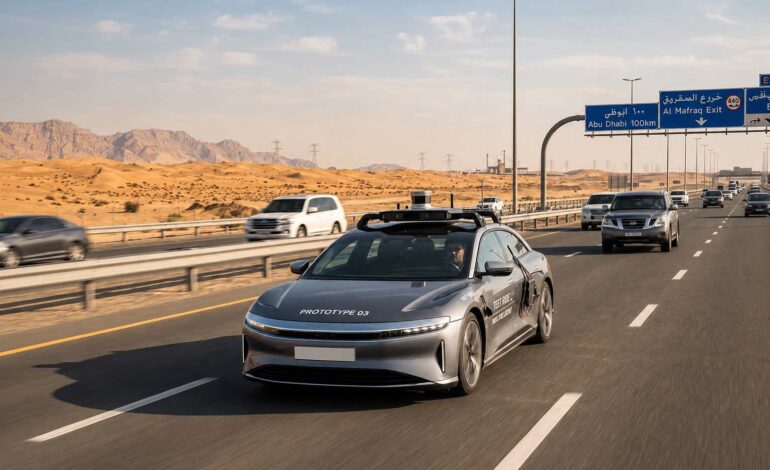
Qatar is preparing to manufacture its first locally built electric vehicles through a partnership between Doha-based JTA International Investment Holding and Britain’s WATT Electric Vehicle Company. Announced in Doha on 13 August 2026, the project will create Qatar’s first dedicated EV manufacturing plant and develop vehicles specifically for Gulf operating conditions.
The first products are expected to be a passenger car and a medium-sized electric delivery van. Production is targeted for early 2028, with engineering led from the UK and manufacturing in Qatar under a “Made in Qatar” banner. Exports to other GCC markets are planned after the domestic launch.
Qatar electric cars will use WATT’s PACES platform
WATT will lead vehicle engineering and product development, while JTA will provide investment and regional market support. Both initial vehicles are set to use WATT’s lightweight aluminium PACES, or Passenger And Commercial EV Skateboard, architecture.
The confirmed production plan includes:
- A passenger electric car: The model has not been named, and its body style, power output and market position remain undisclosed. It is confirmed as one of the first two vehicles planned for the Qatari factory.
- A medium-sized delivery van: Autocar reports that the commercial model will follow the general format of WATT’s eCV1. Final specifications for the Qatar-built van have not been released.
- Around 5,000 vehicles a year initially: Early production is expected to run at about 5,000 units annually before expanding. No final figure has been announced for later factory capacity.
Gulf heat is part of the engineering brief
The main regional angle is the decision to develop the vehicles around Gulf conditions from the start. WATT says its engineers will focus on high temperatures, battery performance, thermal management, regional driving patterns and customer expectations.
Battery and cooling performance will matter
High summer temperatures increase the demands placed on battery cooling and cabin air-conditioning systems. WATT has specifically identified thermal management and battery performance in extreme temperatures as development priorities.
The key technical areas still to watch are:
- Battery range in Gulf weather: No battery size, chemistry or official driving range has been announced. Hot-weather testing will be important before buyers can compare the car properly with established EVs.
- Charging and sustained performance: Charging speed and performance in high ambient temperatures remain unconfirmed. Those figures will matter to private buyers and commercial fleets operating through GCC summers.
Manufacturing will be in Qatar, with engineering led from Britain
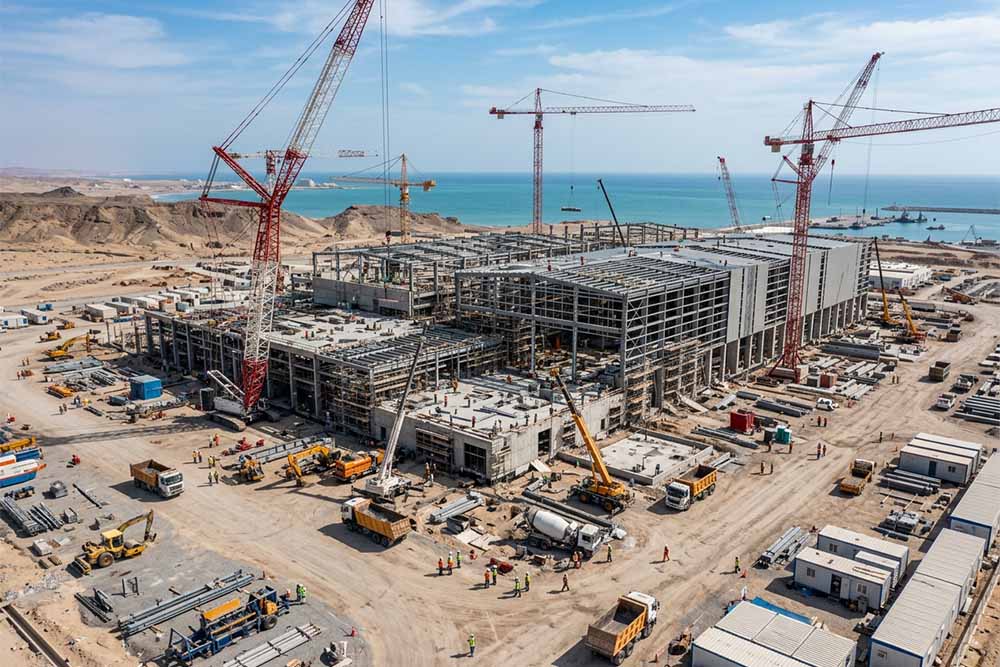
The partnership covers more than assembly. It includes WATT’s platform technology, vehicle engineering, product development, production planning and the creation of manufacturing capability in Qatar.
JTA says the project will support technology transfer, skilled employment and local industrial development in line with Qatar National Vision 2030. Detailed implementation planning is expected before factory development moves ahead.
Why the project matters across the UAE and GCC
Qatar will be the first market, but the partners intend to export the vehicles across the GCC later. That makes the programme relevant to UAE buyers and fleet operators, although no country-specific sales plans have been announced.
For Gulf readers, three points stand out:
- Regional development could become a useful selling point: Vehicles validated for Gulf heat may address concerns around cooling, battery performance and daily usability. The benefit will only become clear once testing data and final specifications are published.
- The electric van could have strong fleet relevance: A medium delivery van developed for regional conditions could target logistics and service operators. Pricing, payload, range, charging speed and after-sales support will be decisive.
- UAE availability is not confirmed: GCC exports are planned, but there is no announced UAE launch date, distributor, price or showroom network. UAE sales should therefore be treated as a future possibility, not a confirmed launch.
What remains unconfirmed before the 2028 start
Neither vehicle has an official model name, and there are no confirmed battery capacities, motor outputs, driving ranges, charging specifications or prices. A UAE dealer, warranty package and after-sales network have also not been announced.
Direct rivals cannot yet be identified confidently because the passenger car’s size, segment and pricing are unknown. The next major milestones will be the factory plan, prototype reveal, specifications and Gulf hot-weather testing.
Before those arrive, buyers should keep the confirmed facts separate from expectations:
- Confirmed: Qatar is getting its first dedicated EV plant through the JTA and WATT partnership, with a passenger car and medium van planned. Production is expected to begin in early 2028.
- Planned, but not yet detailed: The vehicles are intended for Qatar first and wider GCC export later. Market-by-market timing, including the UAE, remains open.
- Still unknown: Names, prices, batteries, range, charging performance and retail support have not been disclosed. Those details will determine how the products compare with existing Gulf-market EVs.
Qatar’s first EV factory now has a Gulf-focused mission
The announcement gives Qatar a route into local EV manufacturing, with initial production targeted for early 2028 and Gulf-specific engineering central to the programme.
For UAE and wider GCC readers, the next important step is the vehicle reveal. Hot-weather performance, pricing, charging capability and regional sales support will decide whether a “Made in Qatar” EV becomes a credible option for Gulf roads.