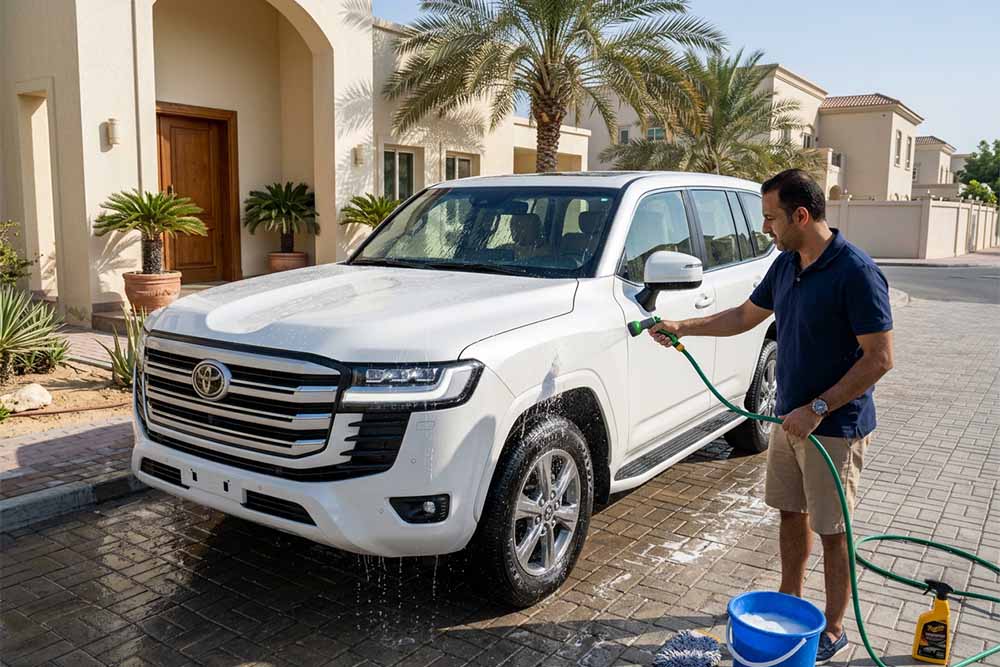
Why Parked Cars In The UAE Can Reach 70°C In Summer
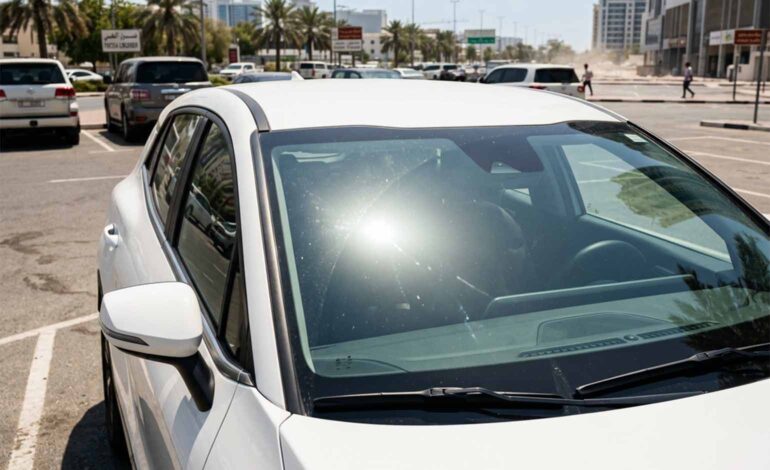
Walk back to a car that has been sitting outside in Dubai or Abu Dhabi in July and the first few seconds can be brutal. The steering wheel is difficult to touch, the seats feel scorching and the air inside can seem far hotter than the weather outside.
That feeling is not exaggerated. Research in a hot Middle Eastern climate has recorded cabin air temperatures reaching 70°C, with dashboard surfaces approaching 100°C, inside an unshaded parked car. In that experiment, the outside temperature peaked at about 44°C.
That does not mean every parked car in the UAE automatically reaches 70°C. Temperature depends on sunlight, parking duration, shade, glass area, ventilation, interior materials and the direction the car is facing.
What the research does show is that a closed vehicle can become dramatically hotter than the surrounding air, and it can happen surprisingly quickly.
Why Parked Cars In The UAE Summer Heat Up So Fast
Dubai’s official tourism guidance puts average summer temperatures at around 41°C, while peak daytime temperatures during the hottest months can reach roughly 42°C to 45°C. UAE weather conditions therefore provide an already very hot starting point for a parked vehicle.
The cabin then adds another source of heat: solar radiation.
Sunlight passes through the windscreen and windows and warms the dashboard, seats, steering wheel and other interior surfaces. Those hot surfaces transfer heat to the surrounding cabin air.
Because the doors and windows are closed, there is very little air movement to carry that heat away. The temperature therefore continues climbing as the car remains exposed to direct sunlight.
The dashboard gets hotter than the air
One of the clearest demonstrations comes from a University of Baghdad study carried out during clear summer conditions similar to those experienced around the Gulf.
Researchers recorded:
- Outside temperature: About 44°C at the hottest point.
- Cabin air: Up to 70°C inside the unshaded vehicle.
- Front seat: Around 68°C during testing.
- Dashboard: Approximately 99°C at its peak.
This also explains why touching the steering wheel, dashboard or seatbelt hardware can feel considerably worse than simply standing outside.
Most of the heating can happen quickly
The cabin does not need several hours to become dangerous.
NHTSA warns that a vehicle’s interior temperature can rise by around 20°F, approximately 11°C, in as little as 10 minutes. Research highlighted by Stanford also found an average temperature rise of about 40°F, roughly 22°C, within an hour, with most of that increase occurring during the first 30 minutes.
In UAE summer conditions, that means a car can become intensely hot during what feels like a short stop.
Is 70°C Inside A UAE Car Really Possible?
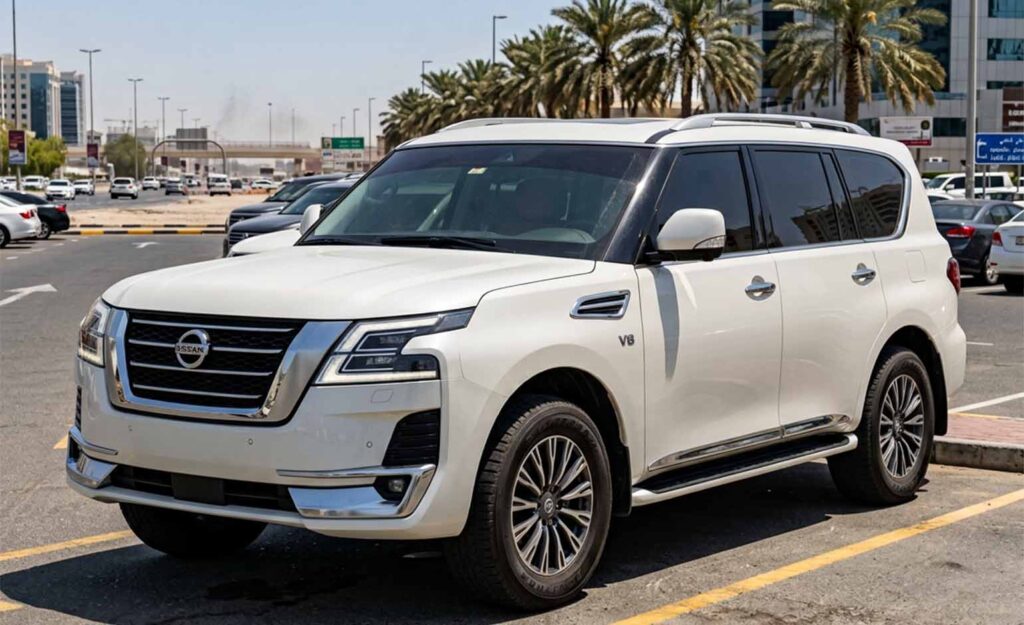
Yes, but the figure needs context.
The 70°C result comes from controlled measurements of an unshaded vehicle exposed to strong summer sunlight in Baghdad. That climate is relevant to Gulf conditions, although individual vehicles and UAE weather conditions will produce different results.
A recent Gulf News report on UAE summer vehicle heat also highlighted cabin temperatures beyond 70°C during extreme conditions and referenced the same hot-climate research.
Several variables influence how hot your particular car becomes:
- Direct sunlight: Full sun places far more solar load on the cabin than covered parking.
- Parking duration: Temperatures rise rapidly at first and continue building before eventually stabilising.
- Glass area: Large windscreens and panoramic roofs expose more of the cabin to solar energy.
- Interior surfaces: Dark materials can become extremely hot under direct sunlight.
- Vehicle orientation: The amount of sunlight entering through the windscreen changes with the car’s position.
The important point is not whether every vehicle reaches exactly 70°C. It is that a parked car can become far hotter than the outside temperature.
A Windscreen Sunshade Helps, But It Does Not Make The Cabin Safe
A reflective windscreen shade is useful in the UAE, particularly for protecting the dashboard and reducing how hot surfaces become.
However, drivers should not mistake a cooler steering wheel for a safe cabin.
In the Baghdad experiment, an internal cardboard windscreen shade reduced dashboard temperature substantially, but did not produce the same reduction in cabin air temperature.
For everyday UAE parking, the biggest priorities are:
- Choose covered parking where possible: Preventing direct solar exposure reduces the heat load reaching the cabin.
- Use a reflective windscreen shade: It can reduce direct heating of the dashboard, steering area and front trim.
- Protect exposed interior surfaces: This is particularly useful in cars with dark dashboards or leather upholstery.
- Do not treat a sunshade as climate control: The cabin can still become dangerously hot.
Covered mall parking, basement parking and shaded residential spaces can therefore make a noticeable difference to comfort and interior exposure during the UAE summer.
Cracking The Windows Is Not A Reliable Solution
Leaving a window slightly open might seem like an easy way to release trapped heat, but it should not be relied upon to make a parked vehicle safe.
Stanford researchers found that cracking a window had an insignificant effect on both the rate at which the tested vehicles heated and their final temperature after an hour. NHTSA similarly warns that partially opened windows do little to protect someone trapped inside a hot vehicle.
There are also security and dust considerations in the UAE when leaving a parked vehicle partly open.
If the choice is available, proper shade is much more useful than expecting a small window gap to keep the cabin cool.
Never Leave A Child Inside A Parked Car
The biggest danger from extreme cabin temperature is not damage to the vehicle. It is the risk to anyone left inside.
Abu Dhabi Police specifically advises motorists not to leave children or elderly occupants unattended inside vehicles during summer, even for a very short stop.
NHTSA warns that there is no safe amount of time to leave a child alone inside a vehicle because cabin temperatures can rise extremely quickly. Children’s bodies also warm considerably faster than those of adults.
Three habits matter every time you park:
- Check the entire cabin before locking: Make checking the rear seats part of your normal exit routine.
- Keep parked cars locked: This reduces the risk of children entering an unattended vehicle and becoming trapped.
- Never rely on shade or a cracked window: Neither makes an unattended hot vehicle safe for a child.
The same caution should apply even when the planned stop is only a few minutes.
UAE Heat Can Also Accelerate Wear Inside The Car
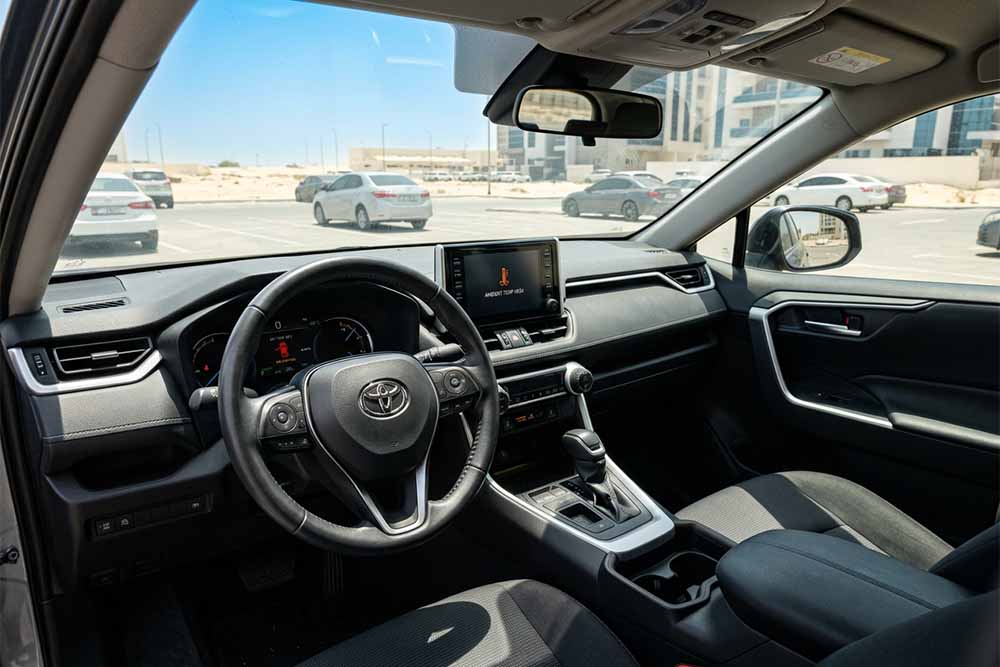
A 70°C cabin does not mean the entire vehicle reaches 70°C. The engine, tyres, 12V battery and traction battery in an EV all experience different temperatures and have their own operating conditions.
However, repeated exposure to high ambient temperatures, solar radiation and extremely hot surfaces can still contribute to ageing.
Dashboard, trim and interior materials
The dashboard is one of the most exposed parts of the cabin because it sits directly behind the windscreen.
Repeated heat and ultraviolet exposure can contribute to fading, hardening and deterioration of plastics, rubber and trim over time. Local UAE workshop specialists also report accelerated deterioration of rubber and plastic components during prolonged extreme heat exposure.
A windscreen shade, covered parking and regular interior care therefore have benefits beyond simply making the car easier to enter.
Your 12V battery also dislikes extreme heat
Summer battery trouble is often associated with a car refusing to start, even though many owners think batteries only struggle in cold weather.
AAA notes that high temperatures can accelerate internal battery degradation and corrosion. Heat can also increase fluid loss in batteries where that design is applicable.
Watch for warning signs such as:
- Slow engine cranking when starting the vehicle.
- Electrical systems behaving unusually.
- A battery that is already approaching the end of its expected service life.
- Corrosion or physical deterioration around accessible battery terminals.
For EVs and hybrids, the small auxiliary battery can still be a separate maintenance item from the high-voltage traction battery.
Do Not Apply The 70°C Cabin Figure To Your Tyres
A common mistake is assuming that if the cabin reaches 70°C, the tyres must be experiencing the same temperature.
They are different environments.
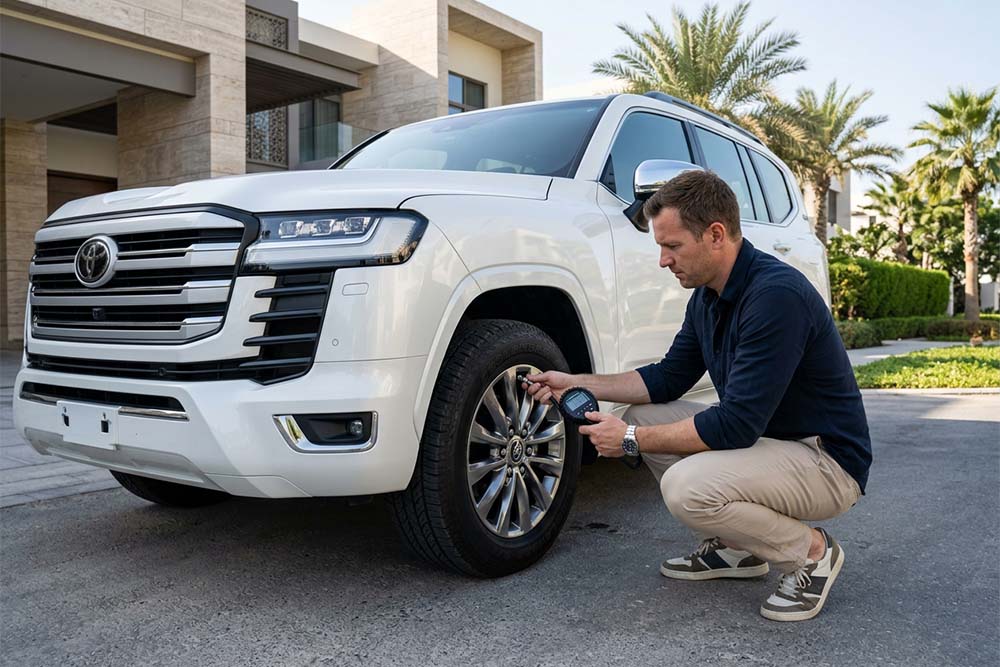
Tyres are affected by ambient temperature, sunlight, road-surface heat, inflation pressure, vehicle load and the additional heat created while driving.
Abu Dhabi Police’s June 2026 summer guidance specifically tells motorists to check tyre pressure and condition, along with vehicle fluids, before driving during hot weather.
The areas worth checking regularly are:
- Pressure: Use the vehicle manufacturer’s recommended cold tyre pressures.
- Sidewalls: Look for cracks, bulges, cuts or other visible damage.
- Tread: Replace tyres that are worn or otherwise no longer serviceable.
- Age and specification: Make sure the tyre is suitable for the vehicle, load and operating conditions.
Abu Dhabi Police has repeatedly highlighted tyre condition as a particular summer safety concern because heat can increase the risks associated with already damaged or unsuitable tyres.
Some Items Should Not Be Left Inside A Hot Car
A parked vehicle should not become long-term storage for heat-sensitive or pressurised items during a UAE summer.
Abu Dhabi Police has warned motorists about leaving flammable or potentially hazardous materials inside vehicles during extreme heat. Its previous guidance has specifically highlighted items such as pressurised containers, gas canisters, power banks, phone batteries and cigarette lighters.
Before leaving the car for several hours, remove items such as:
- Aerosol or other pressurised containers.
- Cigarette lighters and small gas canisters.
- Loose lithium-ion batteries and power banks.
- Electronic devices that manufacturers advise against storing in extreme heat.
Current Abu Dhabi Police guidance also advises motorists not to leave highly flammable materials inside vehicles during summer.
What About Phones, Dashcams And Other Electronics?
Many drivers leave phones, tablets, cameras and other electronics inside the car without considering their specified storage temperatures.
A dashboard exposed to direct summer sun can become far hotter than the surrounding cabin air. That makes the top of the dashboard one of the worst places to leave an electronic device.
Lithium-ion batteries are particularly sensitive to excessive heat, which can accelerate degradation and, in extreme cases, create a safety risk.
Check the manufacturer’s storage-temperature guidance for expensive electronics rather than assuming anything designed for daily use can tolerate a Gulf summer cabin.
Your Air Conditioning Has A Much Bigger Job In Summer
The air conditioning system has to remove a considerable amount of stored heat after a car has been sitting in direct sunlight.
A weak AC system therefore tends to become much more noticeable during UAE summer driving.
Abu Dhabi Police recommends making sure the vehicle’s air conditioning is properly maintained during the hottest months.
If the cabin struggles to cool even after several minutes of driving, check for issues such as:
- Weak airflow from the vents.
- Air that remains warm despite the lowest temperature setting.
- Unusual noises when the AC compressor operates.
- Cooling that becomes noticeably weaker while stationary.
Poor AC performance should be inspected before peak summer conditions turn a minor problem into an uncomfortable daily drive.
The Best Way To Cool A Car After It Has Been Parked
Getting straight into a 60°C or 70°C cabin and immediately driving away is not ideal.
Give the accumulated heat somewhere to go first.
A practical routine is:
- Open the doors briefly: Let the hottest trapped air escape before settling into the cabin.
- Start the climate control: Use strong airflow initially and follow your vehicle’s recommended AC settings.
- Avoid touching extremely hot surfaces immediately: Steering wheels, metal trim and seatbelt hardware can become uncomfortable.
- Use remote climate control where safely supported: Some modern vehicles can cool a locked car before the driver enters.
Abu Dhabi Police’s summer advice recommends allowing an overheated interior to cool before setting off and choosing shaded parking where possible.
What drivers should not do is leave a conventional vehicle running unattended simply to keep the AC operating. Abu Dhabi Police reiterated in July 2026 that motorists should not leave parked vehicles running while they go into shops, ATMs or other locations.
Shade Helps More Than Many UAE Drivers Realise
The most effective summer habit is also one of the simplest: reduce the amount of direct sunlight reaching the cabin.
An internal windscreen shade is worth using, but a genuinely shaded parking space protects a much larger part of the car.
For drivers who regularly have to park outdoors:
- Use covered or basement parking whenever practical.
- Position a reflective shade correctly against the windscreen.
- Avoid leaving heat-sensitive belongings inside.
- Check tyres and the 12V battery more regularly during summer.
- Keep the AC system maintained before the hottest months arrive.
These measures will not turn August into winter, but they reduce the amount of heat the car and its interior have to absorb.
UAE Summer Heat Is More Than An Uncomfortable Cabin
A parked car reaching 70°C sounds extreme because it is. Yet experiments in hot Middle Eastern conditions show that the figure is entirely possible under strong direct sunlight.
The more useful lesson for UAE owners is that 70°C should be treated as a possible extreme, not a guaranteed temperature for every parked car. Even substantially lower cabin temperatures can be uncomfortable, dangerous for occupants and hard on heat-sensitive belongings.
Covered parking, sensible use of sunshades, regular tyre and battery checks and good AC maintenance all matter more in the Gulf than they might in a cooler climate.
Most importantly, never use a parked vehicle as a place to leave a child while running a quick errand. The temperature rise starts far too quickly for that gamble to be safe.