UAE Petrol And Diesel Prices Drop In July 2026, What Drivers Should Know
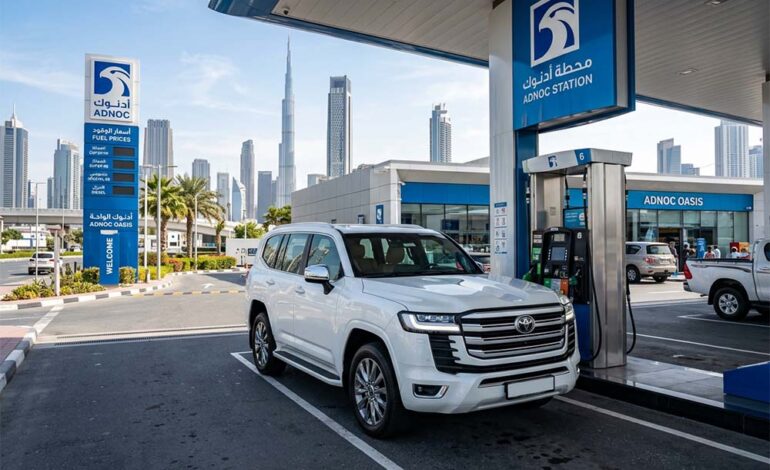
UAE petrol and diesel prices have dropped for July 2026 after the UAE Fuel Price Committee approved lower retail rates from 1 July. The reduction applies across Super 98, Special 95, E-Plus 91 and diesel, giving motorists some relief after higher fuel costs in recent months.
The official July 2026 prices are AED 3.40 per litre for Super 98, AED 3.29 for Special 95, AED 3.21 for E-Plus 91 and AED 3.60 for diesel, according to Emirates News Agency, WAM. The committee said the lower prices reflect changes in global markets.
July 2026 UAE fuel prices now in effect
The latest UAE fuel price update was announced on 30 June 2026 and took effect from 1 July 2026. Prices apply across the country, including Dubai, Abu Dhabi, Sharjah and the Northern Emirates.
For drivers, the July drop matters because fuel is one of the few monthly car ownership costs that can change quickly. Even a smaller per-litre difference can become noticeable for commuters, delivery drivers, family SUV owners and fleets covering long daily distances.
The confirmed July 2026 UAE fuel prices are:
- Super 98 is now AED 3.40 per litre. This is the grade commonly used by many performance cars, luxury SUVs and engines that require higher octane fuel. Drivers should still follow the manufacturer’s fuel recommendation rather than switching grades only to save money.
- Special 95 is now AED 3.29 per litre. This remains the everyday choice for many passenger cars, crossovers and family SUVs in the UAE. For high-mileage commuters between Dubai, Sharjah and Abu Dhabi, the July reduction may slightly ease monthly fuel spending.
- E-Plus 91 is now AED 3.21 per litre. This is usually the lowest-priced petrol grade, but it is not suitable for every car. Owners should check the fuel cap, owner’s manual or dealer guidance before changing from a higher grade.
- Diesel is now AED 3.60 per litre. This affects commercial vehicles, vans, pickups, logistics fleets and some diesel SUVs. For businesses running multiple vehicles, diesel movements can have a direct impact on monthly operating costs.
What changed compared with June
The July 2026 announcement confirms that fuel prices have fallen from June levels. WAM reported that the UAE Fuel Price Committee approved lower prices for July, while regional media including Khaleej Times and Gulf News also reported the new monthly rates and their effective date.
Several reports noted that the drop follows a period of fuel price increases earlier in the year. However, drivers should avoid treating one monthly reduction as a long-term trend. UAE fuel prices are reviewed every month, so August prices could move again depending on global energy markets.
Why prices move monthly in the UAE
Fuel prices in the UAE have been deregulated since August 2015, with the country adopting a pricing policy linked to global oil prices. The UAE Government portal states that the Ministry of Energy and Infrastructure and the Ministry of Finance act as government representatives in the committee that reviews fuel prices every month.
That means local motorists are more exposed to international market shifts than they were under a fixed or subsidised system. When global prices rise, pump prices can increase. When market conditions ease, local prices can fall.
Where the July drop matters most for UAE drivers
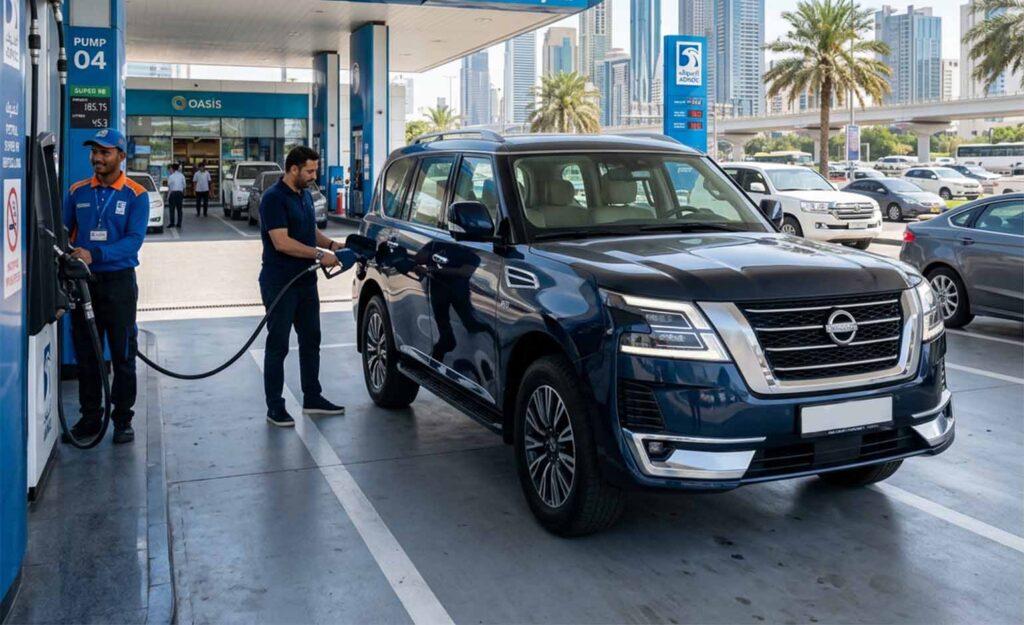
The impact will not be the same for every owner. A small hatchback driven mainly on short city trips will feel the change less than a large SUV, delivery van or daily highway commuter.
The drop is most relevant for:
- Large SUV and pickup owners. Vehicles such as full-size family SUVs, off-roaders and pickups often have larger tanks and higher fuel consumption. A lower per-litre price can make refuelling less painful, especially for drivers who regularly travel between emirates.
- Daily commuters in Dubai, Sharjah and Abu Dhabi. Stop-start traffic increases fuel use, particularly in summer when air conditioning is working hard. Drivers with long daily commutes may notice the July price cut more than occasional weekend users.
- Commercial fleets and delivery operators. For vans, pickups, buses and logistics vehicles, fuel is a direct operating cost. Diesel and petrol changes can influence delivery margins, route planning and monthly fleet budgets.
What drivers should do before changing fuel grade
A price drop can make some drivers less careful about fuel choice, while a price rise can tempt others to switch to a cheaper grade. Neither move should be automatic.
Modern engines are designed around specific fuel requirements. Using a lower octane than recommended can affect performance and may cause engine knocking in some vehicles. For turbocharged engines, performance cars and many premium European models, the correct fuel grade matters more than saving a few fils per litre.
Before switching grades, drivers should check:
- The manufacturer’s recommendation. The safest reference is the owner’s manual, fuel filler label or authorised dealer guidance. If the car recommends Super 98, changing to E-Plus 91 simply because it is cheaper may not be wise.
- How the car behaves after refuelling. If the engine feels rough, loses response or shows warning lights after changing grade, stop experimenting and get it checked. UAE heat already places extra stress on engines, cooling systems and fuel systems.
- Warranty and service advice. Owners of newer cars should be careful with anything that could conflict with warranty expectations. If there is any doubt, ask the dealer or service centre which fuel grade is approved for the UAE specification of the vehicle.
What is still not confirmed for August
The July rates are confirmed, but August 2026 prices have not been announced. The next update is expected at the end of July, following the UAE’s normal monthly fuel price review cycle.
What remains uncertain is whether the July reduction will continue, stabilise or reverse. That depends on global oil prices, supply conditions, regional developments and the committee’s next monthly review.
Drivers should therefore treat July’s reduction as useful short-term relief, not a reason to ignore fuel budgeting altogether. This is especially true for households running multiple cars, businesses operating fleets and owners of large petrol SUVs.
A welcome breather, but not a reset for running costs
The July 2026 fuel price drop gives UAE drivers some relief at the pumps, particularly those using larger vehicles or covering long daily distances. The new rates are now in effect across the Emirates, with Super 98 at AED 3.40, Special 95 at AED 3.29, E-Plus 91 at AED 3.21 and diesel at AED 3.60 per litre.
For everyday motorists, the practical advice is simple: use the correct fuel grade, keep tyre pressures right, service the car on time and avoid assuming that prices will keep falling. Fuel costs remain one part of a wider ownership picture that includes insurance, tyres, maintenance, registration and depreciation.