What Used Mercedes Buyers In The UAE Should Know About Odometer Fraud
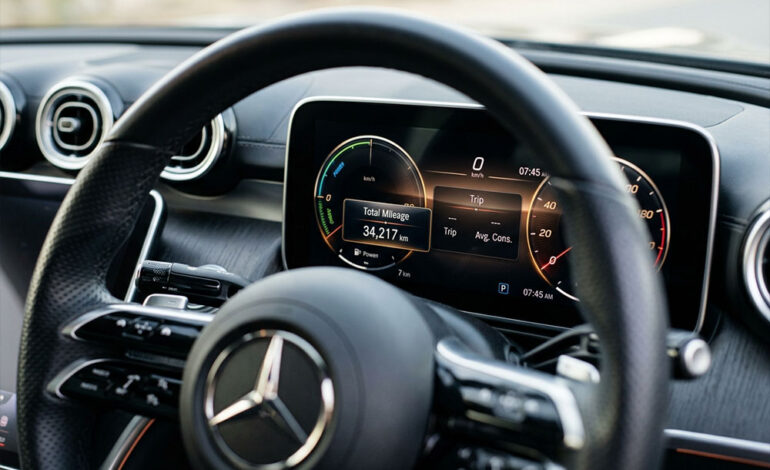
Used Mercedes buyers in the UAE should treat mileage as something to verify, not something to trust at face value. Odometer fraud, often called mileage rollback, can make a car appear newer, cleaner and more valuable than it really is. For a Mercedes-Benz, that risk matters even more because mileage affects service timing, warranty confidence, resale value and the likely cost of repairs.
The UAE used-car market is large, fast-moving and full of imported, privately sold and dealer-listed cars. A low-mileage Mercedes C-Class, E-Class, GLC, GLE, S-Class or AMG model can look tempting, especially when it appears cheaper than similar cars. The problem is that a changed mileage reading can hide heavy use, skipped maintenance, accident repairs or commercial-style driving.
Dubai’s Roads and Transport Authority offers a Vehicle Technical Status Certificate service that provides vehicle inspection data where available, with a listed total fee of AED 120. That gives buyers one official route for checking available Dubai vehicle records before committing to a purchase.
Mileage Fraud Hits Luxury Buyers Harder Than They Expect
Odometer fraud is not only about paying too much. On a used Mercedes, mileage often connects directly to mechanical condition. Many major service items, wear parts and age-related repairs become more likely as kilometres rise, especially in UAE heat and stop-start traffic.
A car showing 58,000 km may be priced, financed and insured differently from the same car at 158,000 km. If the real mileage is hidden, the buyer may inherit repairs that were never priced into the deal.
This matters because Mercedes-Benz models often have complex systems that need proper maintenance history. Air suspension, turbochargers, cooling systems, transmission components, electronic control modules and advanced driver assistance features can all become expensive when a car has lived a harder life than the odometer suggests.
For UAE buyers, odometer fraud can affect several parts of ownership:
- Resale value can fall sharply once the truth appears. A future buyer, dealer or inspection centre may uncover conflicting mileage records. That can make the car harder to sell and reduce trust in the entire vehicle history.
- Warranty or service claims may become more difficult. If mileage history is inconsistent, the owner may struggle to prove that the car was maintained correctly. This is especially important for extended warranty, service contracts and certified pre-owned claims.
- Repair timing becomes unreliable. If the displayed mileage is false, the buyer cannot accurately judge when transmission service, spark plugs, brake work, suspension repairs or cooling system attention should have happened.
Why Used Mercedes Cars Are Attractive Targets
Mercedes-Benz cars hold strong appeal in the UAE because they combine brand prestige, comfort, technology and performance. That demand helps resale values, but it also creates room for sellers to make a car look more desirable than it is.
A used Mercedes with low mileage can command a premium. That is especially true for AMG models, S-Class variants, G-Class SUVs and well-specified GLC or GLE models. If a seller can make a high-mileage car appear lightly used, the financial incentive is clear.
Premium badges make mileage more valuable
Mileage matters on almost every used car, but it carries extra weight on luxury models. A buyer looking at a Mercedes is not only comparing transport. They are often comparing condition, ownership story, service records and prestige.
This creates a market where a small change in perceived mileage can affect the price significantly. A clean-looking car with low kilometres can appear to justify a higher asking price, even when the mechanical condition tells another story.
UAE driving can hide heavy use
The UAE has wide roads, clean-looking cars and many owners who maintain paintwork and interiors well. That can make a high-mileage Mercedes look younger than it really is, especially if the car has been detailed before sale.
At the same time, the car may have spent years in hot traffic, airport runs, highway commuting, valet parking, school runs or inter-emirate travel. The exterior may look polished, but the mechanical wear may not match the displayed mileage.
Imported cars need extra checking
Not every imported Mercedes is risky, and many are perfectly legitimate. The issue is that imported cars can have records spread across different countries, workshops and insurance systems.
A car imported from the US, Europe, Japan or another GCC market should be checked more carefully. Buyers should ask for export documents, service records, previous inspection reports and accident history where available.
The UAE Records Buyers Should Check Before Paying
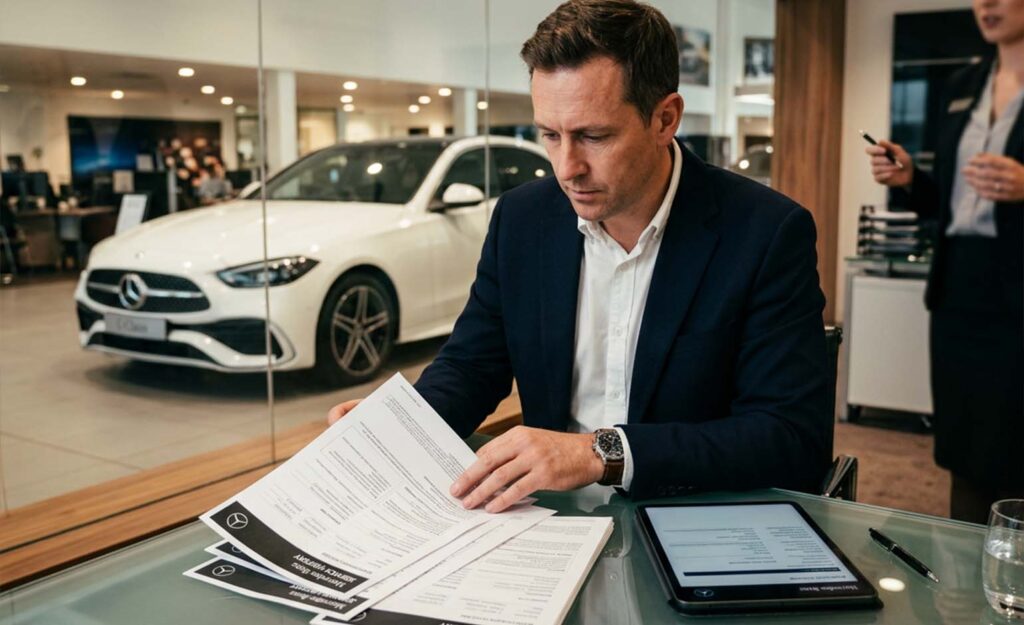
A proper mileage check should not rely on one source. The safest approach is to compare the odometer reading against official inspection data, service records, diagnostic scans and physical wear.
Dubai’s RTA Vehicle Technical Status Certificate can provide inspection-related data for vehicles where records are available, and the RTA page notes that the owner has the right to request detailed inspection data for a vehicle inspected for the first time in Dubai.
Mercedes-Benz also supports digital service records in many markets. Mercedes-Benz UK says that for most cars registered after July 2008, service history is recorded in the Digital Service Booklet, with copies available through authorised repairers or customer support when proof of ownership and identity is provided. While exact access and procedure may vary by market, it shows why authorised service history can be valuable for checking mileage consistency.
Before buying, used Mercedes buyers in the UAE should compare:
- RTA or inspection records against the dashboard reading. If an older inspection shows higher mileage than the current odometer, walk away unless there is a clear and documented explanation. Do not accept verbal excuses for mileage inconsistency.
- Mercedes service history against workshop invoices. Look for dates, kilometre readings, job cards and service stamps. A genuine history should build a logical timeline, not a collection of random invoices.
- Insurance, accident and import documents where available. Mileage may appear in older reports, export files or repair documents. A mismatch does not always prove fraud, but it should stop the purchase until it is properly explained.
Physical Warning Signs That Do Not Match The Odometer
Mileage rollback often leaves clues. A used Mercedes may show low kilometres on the cluster, but the cabin, controls and mechanical components can tell a different story.
This is where a buyer should slow down. A polished car in a showroom or driveway can look convincing under bright lighting, but signs of heavy use are often visible if you know where to look.
Check these areas carefully:
- Driver’s seat, steering wheel and pedals. Heavy shine on the steering wheel, collapsed seat bolsters or worn pedal rubbers may suggest more use than the odometer shows. Some wear is normal, but it should match the age and mileage.
- Switchgear, door handles and centre console controls. Mercedes interiors are usually durable, so excessive wear on buttons, touchpads or window switches can be a clue. Replaced parts are not automatically suspicious, but they deserve questions.
- Tyres, brakes and suspension condition. Uneven tyre wear, tired suspension, noisy bushes or heavily worn brake components may suggest hard use. These signs are especially important on AMG models and large SUVs.
The Mercedes Diagnostic Check Buyers Should Not Skip

A visual inspection is not enough for a modern Mercedes. Many modules store vehicle data, fault history or service-related information that can help a specialist assess whether the car’s story makes sense.
A proper pre-purchase inspection should include a Mercedes-compatible diagnostic scan. This can reveal fault codes, mileage-related data from certain control units, service reminders, battery issues and hidden electronic problems.
Why a normal inspection may miss the issue
Basic used-car inspections often focus on body condition, tyres, lights and visible leaks. That helps, but it may not detect digital odometer manipulation or hidden electronic faults.
A Mercedes specialist can compare data more deeply. They can look for inconsistencies between the cluster, service history and control module records, where available.
AMG and luxury models need extra care
Mileage fraud is especially risky on AMG models, G-Class SUVs, S-Class models and high-spec GLE or GLS variants because repair costs can rise quickly. A rolled-back AMG may hide track-style use, heavy acceleration, brake wear or missed fluid service.
For these cars, buyers should not rely on a short test drive. They should budget for a full inspection before making an offer.
EV and hybrid Mercedes models add another layer
For Mercedes-EQ and plug-in hybrid models, mileage is only part of the condition story. Battery health, charging history, software updates and high-voltage system condition also matter.
A low-mileage EQ model can still have issues if it has been poorly stored, badly charged or repaired outside the correct network. Buyers should ask for battery warranty terms and service documentation before committing.
Certified Pre-Owned Can Reduce Risk, But It Is Not A Shortcut
Buying through an authorised or certified pre-owned channel can reduce the risk of mileage fraud because the car should go through more structured checks. Mercedes-Benz MENA lists certified pre-owned cars through official Dubai and Abu Dhabi channels, giving buyers access to recognised dealer inventory rather than only private listings.
That does not mean every certified car should be bought without checking. Buyers should still ask for inspection records, service history, warranty details and written confirmation of mileage.
A safer purchase process should include:
- A written mileage statement on the invoice. The invoice should clearly show the odometer reading at the time of sale. This gives the buyer a document to rely on if a dispute appears later.
- A full service history request. Do not settle for “dealer maintained” unless records are shown. Dates, mileage and work completed matter more than broad claims.
- Independent inspection if the car is expensive or performance-focused. Even when buying from a dealer, a second opinion can be worthwhile. This is especially true for AMG, Maybach, G-Class and imported models.
Why UAE Heat Makes False Mileage More Expensive
A rolled-back Mercedes in the UAE is not only hiding kilometres. It may also be hiding years of heat exposure. Gulf conditions affect rubber, plastics, cooling systems, tyres, batteries and cabin materials, even when the car is not driven heavily.
This is why mileage should be read alongside age and condition. A ten-year-old Mercedes showing very low kilometres may still need cooling system work, suspension refresh, tyre replacement and battery-related repairs if it has spent years parked outdoors.
UAE buyers should pay attention to:
- Cooling system condition. Radiators, hoses, expansion tanks and fans work hard in summer traffic. If the car has higher real mileage than advertised, cooling system neglect can become expensive quickly.
- Air conditioning performance. A Mercedes AC system may still blow cold during a short viewing, but weak cooling in traffic can reveal problems. Test the car during daytime heat where possible.
- Interior ageing. Sticky buttons, faded trim, cracked leather or sagging roof material can expose a car that has lived a hard life. Low mileage does not protect a car from poor storage.
What To Do If The Mileage Looks Suspicious
A detailed inspection by a European car specialist can provide more useful evidence than a basic visual check. German Experts offers a Mercedes pre-purchase inspection that can include diagnostic scanning, mechanical checks, road testing and an assessment of whether the vehicle’s physical condition matches its claimed mileage. While an inspection cannot replace official ownership and service records, it can help expose hidden faults, excessive wear or previous repairs before the buyer commits.
A buyer should not try to negotiate around suspected odometer fraud as if it were a normal discount point. If the mileage cannot be verified, the safest move is usually to walk away.
If the purchase has already happened, the buyer should gather evidence before making accusations. This can include adverts, chat messages, the sales agreement, inspection reports, service records, RTA documents and photos of the odometer.
Useful steps include:
- Request written clarification from the seller. Keep communication in writing wherever possible. A clear record can help if the case becomes a formal complaint.
- Get a specialist inspection report. A proper report from a recognised workshop or inspection centre can support the case. Verbal opinions are much weaker than documented findings.
- Contact the relevant authority if fraud is suspected. Depending on the case, buyers may need to approach consumer protection channels, police or transport authorities. Legal advice may be needed where the financial loss is significant.
The Mileage Timeline Every Used Mercedes Buyer Should Build
Before buying, create a simple mileage timeline. This is one of the easiest ways to expose a suspicious car.
Start with the first registration date, then add each known service, inspection, ownership transfer, insurance repair, import record and current odometer reading. The kilometres should move forward naturally over time.
A clean timeline should look logical. For example, a car might show 18,000 km at its 2021 service, 39,000 km at its 2022 inspection, 62,000 km at its 2023 service and 79,000 km today. A suspicious timeline may show gaps, sudden drops or long periods with no supporting records.
This process is especially useful for:
- Low-mileage luxury sedans. S-Class and E-Class models can be used heavily for chauffeured driving, airport trips or business transport. A clean cabin does not always mean light use.
- Performance Mercedes-AMG cars. AMG models can have high wear even at moderate mileage if driven hard. Service records and condition checks matter as much as the odometer.
- Imported SUVs and G-Class models. These can pass through several markets before reaching the UAE. Buyers should check whether the paperwork supports the mileage story from the start.
A Smarter Way To Buy A Used Mercedes In Dubai Or Abu Dhabi
Used Mercedes buyers in the UAE should treat a low odometer reading as a claim that needs evidence. The best cars are not always the ones with the lowest kilometres. They are the ones with a clean history, consistent records, correct servicing and condition that matches the mileage.
For UAE buyers, the safest approach is clear: verify official records where available, check Mercedes service history, pay for a proper inspection, compare physical wear and avoid cars with gaps that cannot be explained. A genuine high-mileage Mercedes with full records can be a better buy than a low-mileage car with a story that does not add up.